

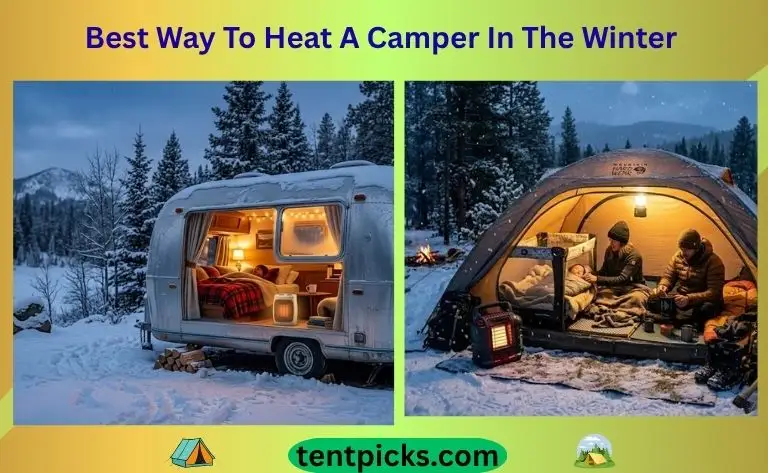
Best Way To Heat A Camper In The Winter | Top Secret Tips
Wondering the Best Way To Heat A Camper In The Winter? Learn safe, efficient, and budget-smart methods to stay cozy on the road; plus quick setup tips. Use a vented propane or diesel heater, add insulation, and manage moisture for safe warmth.
If you want the best way to heat a camper in the winter, you need more than a gadget. You need a plan that fits your rig, your power, and your climate. I have wintered in vans, trailers, and a fifth-wheel at subzero temps. This guide distills what works, what fails, and how to stay warm without risk or waste. Read on to build a simple, safe setup that just works when the mercury drops.

Source: youtube.com
How to decide the best way to heat a camper in the winter
The best way to heat a camper in the winter depends on five things: climate, hookups, fuel access, space, and budget. Match your heat source to these, and your nights will be warm and calm.
Start with your use case:
- Stay at full hookups in mild cold. A heat pump or small electric heater may be enough.
- Park at hookups in deep cold. Use the built-in propane furnace plus an electric heater.
- Boondock in moderate cold. A diesel air heater is efficient and sips power.
- Boondock in bitter cold. Pair the propane furnace for peak loads with a diesel heater for base heat.
Check constraints before you buy:
- Power. Shore power amps, battery size, alternator, solar, generator.
- Fuel. Propane access, diesel tank tap, safe storage, refill spots.
- Space. Where will ducts, vents, and clearances fit?
- Safety. Vented vs unvented, CO sensors, fresh air, ice and snow loads.
If you ask what the best way to heat a camper in the winter is, the answer is a vented primary heater sized to your rig, plus smart insulation and airflow. This combo is safe, quiet, and proven.

Source: takethetruck.com
Heating options compared: pros, cons, and real use
Propane RV furnace (ducted, sealed combustion)
The built-in furnace is reliable. It is vented outside, so fumes and moisture leave the rig. It throws big heat fast and warms underbelly ducts to protect tanks.
- Pros. Safe, strong BTUs, heats floors and tanks, works in any cold.
- Cons. Noisy fan, uses 7–10 amps at 12V, burns propane fast in deep cold.
- Best use. Cold snaps, full-time rigs, tank freeze protection.
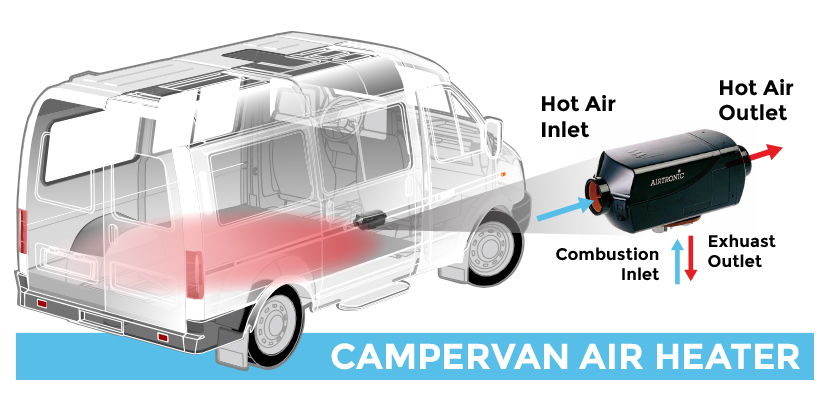
Diesel air heater (sealed combustion)
Compact units blow dry hot air. They run on diesel with low 12V draw. They are efficient and great for vans and boondocking.
- Pros. Sips power, dries the air, steady heat, diesel is easy to find.
- Cons. Install needs exhaust and intake routing; noise varies by model.
- Best use. Off-grid trips, vans, small trailers in steady cold.
Electric space heater (ceramic, oil-filled, infrared)
At 1,500 watts, you get about 5,100 BTU. They are silent and cheap to buy. You need enough shore power.
- Pros. Simple, no fumes, cheap, great as a helper heat.
- Cons. Needs hookups or a big generator. Limited output.
- Best use. Campgrounds with 30/50 amp service, shoulder seasons.
Heat pump (RV roof A/C with heat pump or minisplit)
A heat pump moves heat instead of making it. It is very efficient above freezing. Cold-climate units can work near 5–20°F.
- Pros. High efficiency, quiet, low cost per BTU on shore power.
- Cons. Loses power in deep cold. Roof units can defrost often.
- Best use. Hookups in mild to moderate winters.
Catalytic propane heater (unvented, radiant)
Catalytic panels use propane to make gentle radiant heat. They are silent and thrifty. They add moisture and need fresh air.
- Pros. Silent, low draw, comfy radiant feel.
- Cons. Adds humidity, needs a cracked window and CO alarm, clearances needed.
- Best use. Dry climates, short-term use with strict ventilation.
Wood stove (tiny marine stoves)
It gives dry heat and a cozy feel. But it needs a chimney, clearances, and careful use.
- Pros. Dry heat, no battery use, fuel can be free.
- Cons. Space, install complexity, creosote, campground rules.
- Best use. Stationary setups with expert installs.
If your goal is the best way to heat a camper in the winter, pick a vented heater as your main source. Then use electric or catalytic as helpers when safe.
Source: maciejwiszniewski.pl
Power and fuel planning for cold nights
Plan your watts and gallons before the front hits. The best way to heat a camper in the winter fails if you run out of power at 2 a.m.
Know your loads:
- Propane furnace. 20k–40k BTU, blower uses 7–10 amps 12V while running.
- Diesel heater. 2–5 kW (6,800–17,000 BTU). Draws about 0.8–2.5 amps 12V steady.
- Electric heater. 1,500 watts needs 12.5 amps at 120V. That is 5,100 BTU.
- Heat pump. Coefficient of performance 2–3. At 1,500 watts, it can deliver 10k–15k BTU above freezing.
Fuel math helps you plan nights:
- Propane has about 91,500 BTU per gallon. A 30k BTU furnace at 75% efficiency uses roughly 0.44 gallons per hour on steady burn. Real use cycles, so expect 0.1–0.3 gallons per hour.
- Diesel has about 137,000 BTU per gallon. A 2 kW heater may burn 0.1–0.2 liters per hour.
Hookups tips:
- Use the park pedestal for base heat. Keep the furnace ready for drops.
- Balance circuits. A microwave plus heater can trip a 30-amp breaker.
Off-grid tips:
- Run a diesel heater for base heat. Fire the furnace for fast warmups.
- Recharge with solar, alternator, or a small inverter generator.
- Store an extra propane tank when legal and safe.
Safety, venting, and carbon monoxide
Safety comes first. The best way to heat a camper in the winter is safe heat with steady fresh air.
Non-negotiables:
- Install and test CO, smoke, and propane leak detectors.
- Crack a roof vent or window when using any unvented device. Keep crossflow.
- Never use a stove or oven for heat. It is unsafe and adds moisture.
- Keep clearances around heaters. Do not drape clothes on warm units.
- Check exterior vents after snow. Ice can block flues.
- Inspect propane lines, regulators, and hoses. Use leak-check solution.
- Aim heater exhausts away from snow banks and intakes.
I set my detectors to chirp test weekly in winter. I also run a low-speed roof fan to keep air fresh without big heat loss.

Source: supertrampcampers.com
Insulation, air sealing, and heat retention upgrades
Heat the camper less. Keep the heat you make. That is the quiet best way to heat a camper in the winter.
Quick wins:
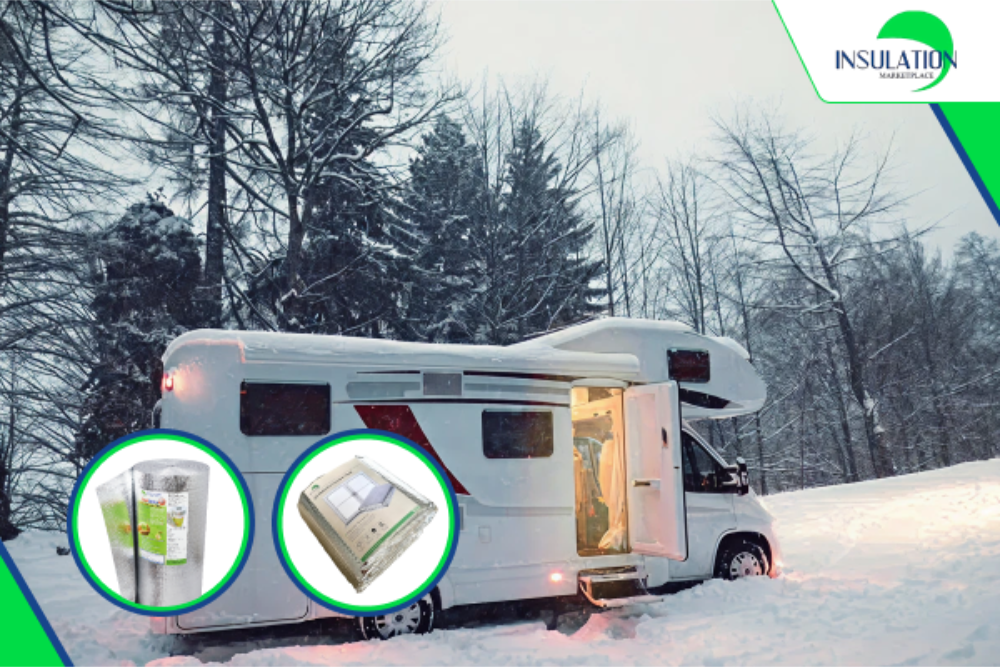
- Skirting. Add foam board or vinyl around the rig base. Block wind.
- Windows. Use shrink film, reflectix with an air gap, or insulated curtains.
- Doors and hatches. Replace worn seals. Add draft stoppers.
- Floors. Throw rugs, foam pads, or cork underlay cut heat loss.
- Vents. Use insulated vent cushions when not cooking or showering.
- Tanks and lines. Use heat pads and pipe foam. Use a heated water hose.
These upgrades cut propane and power use. They also make the heat more even and the rig far quieter.
Source: insulationmarketplace.com
Moisture and condensation control in winter camping
Warm air holds water. When that air hits a cold wall, water shows up. It makes beds damp and windows wet. The best way to heat a camper in the winter includes moisture control.
Keep it dry:
- Vent. Run the roof fan on low. Crack a window near the bed.
- Cook smart. Use lids. Vent when boiling or frying.
- Dry gear. Hang wet clothes in the bath with the fan on.
- Dehumidify. Use a small electric unit on shore power or desiccant tubs off-grid.
- Wipe. Squeegee windows and wipe frames each morning.
Dry air feels warmer. It also protects wood, fabrics, and electronics.

Source: classicvans.com
Sizing heat and distributing warm air
Right size your heater. Too small and you shiver. Too big and you waste fuel and short-cycle.
Simple rules of thumb:
- Mild winter nights above 25°F. Aim for 20–30 BTU per square foot.
- Cold nights 10–25°F. Aim for 30–40 BTU per square foot.
- Very cold below 10°F. Aim for 40–60 BTU per square foot.
Example:
- A 200 sq ft trailer in 15°F weather needs about 6,000–8,000 BTU continuous. A 20,000 BTU furnace will cycle and keep up. A 2 kW diesel heater at high can also hold it, with the furnace for quick recovery.
Distribute heat:
- Use the furnace to warm underbelly and ducts.
- Add a small fan to push heat to the bedroom or cabover.
- Keep return air paths clear. Do not block furnace intakes.
- Lift mattress corners to vent the bed base. Add slats to stop condensation.
This approach is often the best way to heat a camper in the winter with comfort in every zone.

Source: alansfactoryoutlet.com
Field-tested setups for different campers
Here are four setups I have used or helped install. They balance safety, cost, and ease.
Vans in the Rockies, 0–20°F:
- 2–5 kW diesel air heater as primary.
- 1-inch foam board window inserts at night.
- Roof vent cracked with fan on low. CO detector at bed height.
- Electric blanket at hookups. Furnace backup if fitted.
This has been the best way to heat a camper in the winter for van life.
Travel trailer at hookups, 15–35°F:
- Use the heat pump above 30°F.
- Switch to furnace below 30°F.
- Add a 1,000–1,500-watt ceramic heater in the living area.
- Skirt with foam board. Heated hose, tank pads on.
This saves propane and stays silent.
Fifth-wheel in deep cold, -10 to 20°F:
- Furnace as primary to protect tanks.
- Diesel heater as base heat in the living area.
- Oil-filled radiator in bedroom on a thermostat at 600 watts.
- Full vinyl skirt. Window film. Roof fan trickle for moisture.
This mix has been my best way to heat a camper in the winter at scale.
Truck camper off-grid, 10–25°F:
- 2 kW diesel heater under the dinette.
- Portable catalytic panel for morning spot heat with a cracked window.
- 200 Ah battery, 200 watts solar, DC-DC charger while driving.
- Reflective covers for the cabover windows at night.

Source: youtube.com
Budget: cost per night by heater type
Prices vary by region. These ballparks help you plan. The best way to heat a camper in the winter should also fit your wallet.
Typical costs:
- Electric space heater on hookups. Often included in site fee. Some parks meter power.
- Heat pump on hookups. Lowest kWh per BTU above freezing.
- Propane furnace. In deep cold, expect 1–3 gallons over a long night for larger rigs. Smaller rigs can use far less.
- Diesel heater. Around 0.1–0.3 gallons per night at moderate settings.
- Catalytic propane. Very low burn, but plan for ventilation in the math.
Save money with:
- Skirting and window film.
- Lowering setpoint and using heated mattress pads.
- Zoning the rig with fans and doors.
Installation and maintenance checklist
A clean, tested system is the best way to heat a camper in the winter without drama.
Before winter:
- Service the furnace. Clean burner, check sail switch, inspect ducts.
- Test the diesel heater. Decoke if needed. Check intake and exhaust lines.
- Change CO, smoke, and propane detector batteries. Press test buttons.
- Inspect propane lines. Check regulator date. Replace cracked hoses.
- Seal drafts. Replace door and hatch seals. Add window film.
- Stock fuel. Fill propane and diesel. Carry spare filters.
During winter:
- Check exterior vents for snow and ice.
- Listen for odd fan sounds. Short-cycling means a thermostat or airflow issue.
- Wipe condensation daily. Vent after cooking and showers.
- Log fuel use. Refill before a storm, not after.
Frequently Asked Questions of Best Way To Heat A Camper In The Winter?
What is the safest heater for winter camping in a camper?
A sealed, vented heater is safest because fumes and moisture exit outside. Your built-in propane furnace or a quality diesel air heater fits this need.
Can I run a space heater on a 30-amp hookup?
Yes, you can run one 1,500-watt heater on 30 amps if you manage other loads. Do not run high-draw devices at the same time to avoid tripping the breaker.
Will a heat pump work below freezing?
Many RV heat pumps fade below about 30–35°F. Cold-climate units and minisplits can work closer to 5–20°F but still drop in output as temps fall.
How do I stop condensation on camper windows?
Vent a little, even when it is cold. Use shrink film on windows, run a small dehumidifier on hookups, and wipe moisture each morning.
How many BTUs do I need to heat a small trailer?
For a 150–200 sq ft trailer in 10–25°F weather, aim for 6,000–10,000 BTU continuous. A 20,000–25,000 BTU furnace will cycle and keep up.
Is a catalytic heater safe to sleep with?
It is not ideal. If you use one, keep a window cracked, run a fan on low, and ensure CO and propane detectors work. Many prefer vented heat for sleep.
Can I heat my tanks without using the furnace?
Yes, add 12V tank pads and pipe heat tape. In deep cold, the furnace’s duct heat to the underbelly is still a strong safeguard.
Conclusion
The best way to heat a camper in the winter is a system, not a single device. Choose a vented primary heater sized to your rig. Add smart insulation, manage moisture, and keep air moving. Back it with safe power and fuel plans. Then test every piece before the first storm.
Pick one upgrade to do this week. Add window film or a CO detector. Next week, dial in your heater settings and airflow. Want more winter tips and tested gear lists? Subscribe, ask a question, or share your setup in the comments.


One Comment