
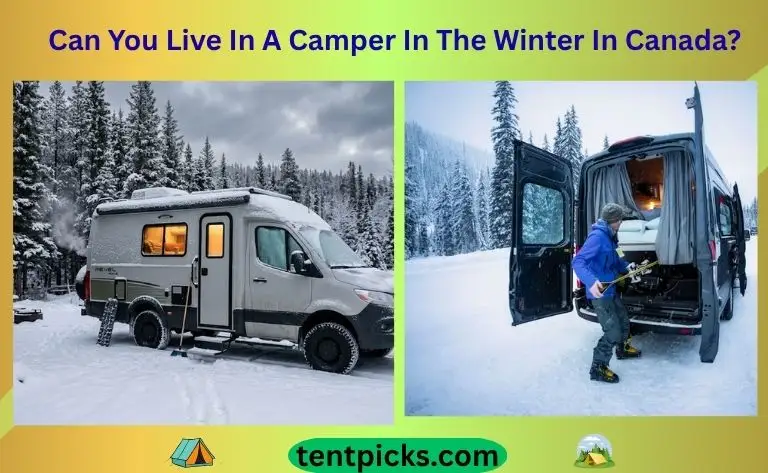
Can You Live In A Camper In The Winter In Canada?
Can You Live In A Camper In The Winter In Canada? Learn heating, insulation, legal, and safety tips to stay warm, save money, and thrive in your RV. Yes, you can live in a camper in Canada’s winter with the right setup. If you have ever asked Can You Live In A Camper In The Winter In Canada?, this guide is for you.
I have wintered in RVs from the Prairies to the coast. I will show you what works, what fails, and what to expect when the mercury falls. You will learn the legal side, heat, water, power, and daily life tips that make winter RV living safe and sane. Read on to decide if this path is right for you, and how to do it well.
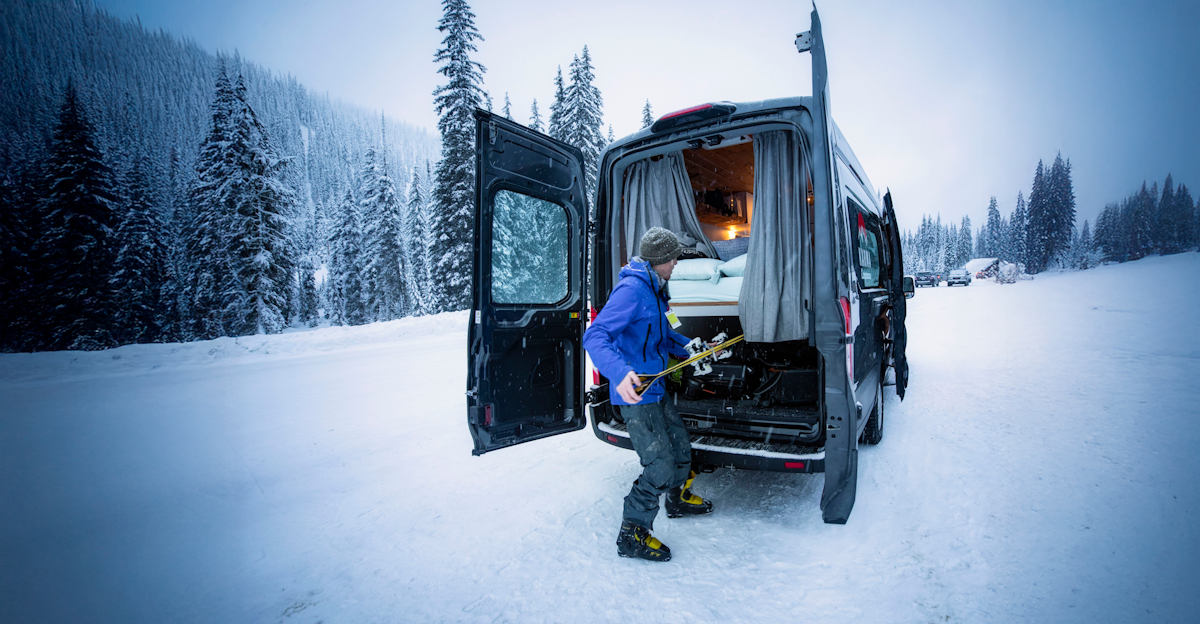
Source: freeskier.com
What It Takes To Live In A Camper In The Winter In Canada
Can You Live In A Camper In The Winter In Canada? Yes, but it is not simple. Cold tests gear, plans, and people. Your gear must handle deep cold, wind, and ice. Your plan must cover heat, power, water, and a safe spot to park.
The weather shifts a lot by region. The coast can stay near freezing. The Prairies can hit minus 30 or worse. The north can be brutal and dark. Your setup must match your zone.
Think of a camper as a small house that leaks heat. Your job is to seal gaps, add heat, and cut ice. Do this well, and you will be warm and dry.

Source: youtube.com
Laws, Zoning, and Address Issues
Before you start, check if you can park and live in an RV where you plan to stay. Rules vary by city and rural area. Many towns do not allow full-time RV living on streets or driveways. Most resort areas allow it only in year-round parks. Rural land can be fine if you have proper waste and power.
What to check before you move:
- Zoning rules for the lot you plan to use. Ask the local office.
- Year-round RV parks with winter services. Look for 30- or 50 amp power, water, and sewer.
- Rules on skirting, sheds, and snow storage at the site.
- Insurance for full-time use and winter use. Some plans need proof of winter steps.
- A stable mailing address for taxes, health, banking, and licenses.
Tip from the road: I stayed at a year-round park near Calgary one winter. They had heated water risers, strict snow rules, and fast plow work. That one choice saved me hours each week.

Source: faroutride.com
Pick a Winter-Capable Camper
Not all campers are equal. A true four-season RV helps a lot. Look for sealed and heated tanks, foam walls, double-pane windows, and ducted heat.
What to look for:
- Insulation with real R-values in the walls, roof, and floor.
- Enclosed tanks and lines with heat ducts or heat pads.
- Dual-pane windows or storm windows.
- Few slide-outs. Slides leak heat. If you have them, add toppers and seals.
- Space to add skirting and a place for a heater or dehumidifier.
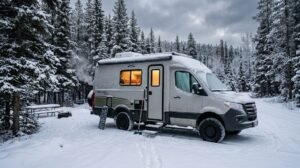
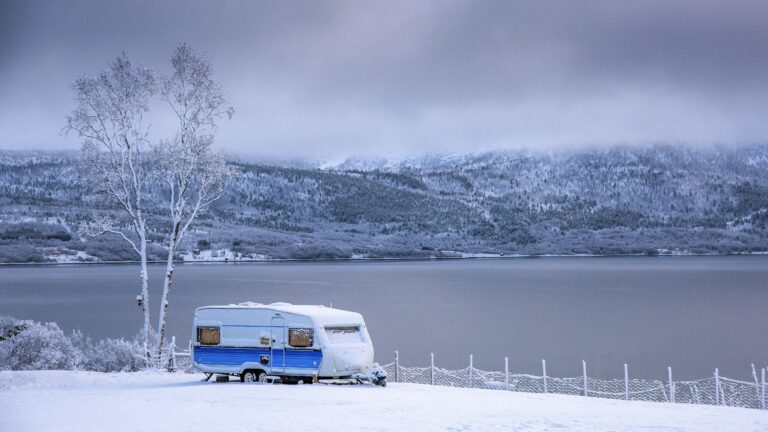
If your rig is not four-season, you can still cope. Add skirting. Use foam board, vinyl skirt kits, or even snow banks. Aim to block wind under the floor. Seal drafts with weatherstripping and foam. Use thermal curtains.
Heat: Types, Sizing, and Safety
Heat is life. Plan for a main heat source and at least two backups.
Main options:
- Propane furnace. Strong, safe, and ducted to tanks. High fuel use.
- Diesel heater. Efficient, clean heat, and low amp draw.
- Electric heat. Space heaters or oil-filled units if you have strong shore power.
Backups:
- Catalytic propane heater for dry heat and low power draw.
- Wood stove only if pro-installed and allowed. Rare in RVs.
How much heat do you need?
- A quick guide is 40 to 60 BTU per square foot for harsh cold.
- A 200-square-foot RV needs about 8,000 to 12,000 BTU per hour.
- Add more for wind, slides, and single-pane glass.
Key safety steps:
- Two working carbon monoxide alarms and a propane leak alarm.
- A smoke alarm and a dry chemical fire extinguisher.
- Crack a roof vent to cut moisture and reduce CO risk.
- Do not run unvented heaters while you sleep.
PAA-style insight
- What is the cheapest heat per day? Diesel heaters and propane are cost-effective in deep cold. Electric is great if your site power is included in rent.
Source: rvshare.com
Water, Plumbing, and Freeze Control
Frozen lines ruin days. A few cheap steps stop that.
For hookups:
- Use a heated water hose rated for deep cold.
- Wrap spigots and filters with heat tape and foam.
- Use a frost-proof spigot if the park has it.
For onboard tanks:
- Add 12V heat pads to fresh, gray, and black tanks.
- Keep tanks warm with ducted furnace heat if your RV has it.
- Do not leave gray or black valves open. Let a warm dump melt ice.
Toilets and drains:
- Consider a composting toilet to avoid black tank freeze risk.
- Use a splash of RV antifreeze in traps and tanks during snaps.
A note from my second winter: I used a heated hose and foam at the spigot. The hose stayed fine at minus 28. The spigot froze once. A small heat tape and better foam fixed it.

Source: youtube.com
Power and Energy Budget in Subzero Temps
Cold eats power. Batteries hold less charge in the cold. Heat uses lots of watts.
Know your use:
- List your loads. Furnace fan, heaters, lights, pumps, and chargers.
- A typical RV furnace fan can draw 7 to 10 amps at 12V.
- Space heaters at 1500W need a 15A circuit and steady shore power.
Battery choices:
- AGM works fine but is heavy and slow to charge.
- LiFePO4 is great but cannot charge below freezing unless it has a heater or a low-temp BMS.
- Keep batteries in a warm bay if you can.
Charging:
- Solar is weak in deep winter and short days. Use it as a bonus.
- A good generator is a must off-grid. Use a cold-weather kit and test starts each week.
- Check cords and plugs. Cold makes wire brittle. Use heavy gauge.
PAA-style insight
- Can You Live In A Camper In The Winter In Canada without shore power? You can, but it is hard. You need a large battery bank, a big heater fuel stash, and a reliable generator.
Source: harvesthosts.com
Condensation and Air Quality
Warm air meets cold walls. Water forms. This leads to mold and frost. Fight it every day.
Daily steps:
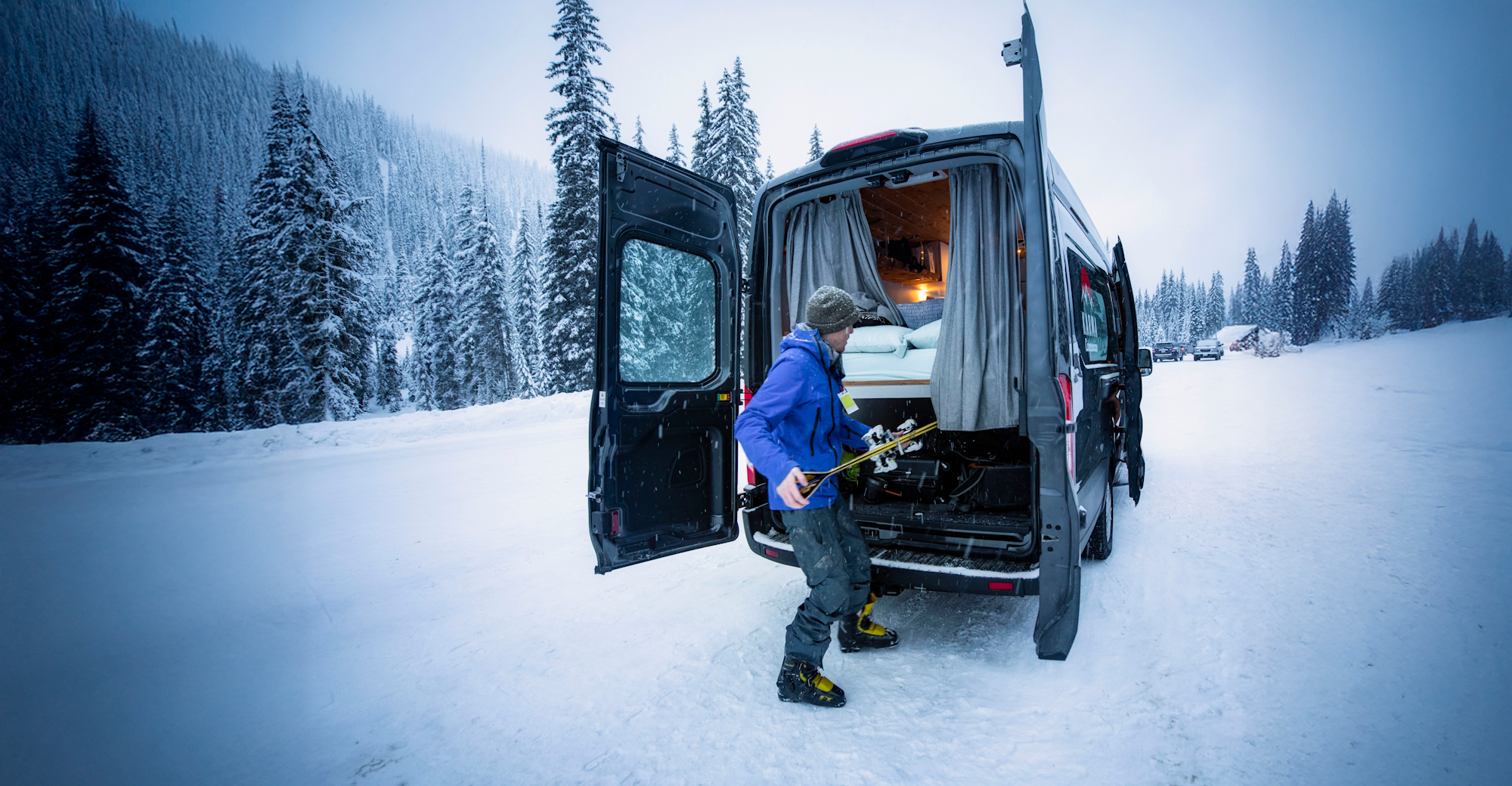
- Vent when you cook and sleep. A cracked roof vent does wonders.
- Use a small dehumidifier set in a safe spot with a drain.
- Wipe windows and cold corners each morning.
- Insulate weak spots with foam board or window film.
Aim for 30 to 40 percent indoor humidity in cold spells. Too dry feels bad. Too wet freezes on glass.
Source: freeskier.com
Site Selection and Winter Campsite Setup
A good site is half the job.
What matters most:
- Power. Strong, stable 30- or 50-amp service with a good pedestal.
- Sun and wind. Park to catch sun on the long wall. Shield from north winds.
- Snow load. Keep clear space for roof dumps. Avoid trees with heavy ice.
- Access. Can a plow get to you? Is your slope safe?
Set up well on day one:
- Level and block the rig. Drop stabilizers. Then add skirting.
- Add rugs, foam floor pads, and door draft stoppers.
- Store tools near the door. Keep a snow shovel, ice melt, and a roof rake.
Personal tip: I faced my door away from the wind and kept a mat in a boot tray. The floor stayed dry, and heat loss dropped a lot.

Source: bostonglobe.com
Daily Life: Routines, Gear, and Real Lessons
Small things make winter life easy.
What helps each day:
- Layer clothes. Keep dry socks near the door.
- Cook simple meals with less steam. Use lids. Run the vent.
- Dry wet gear fast. A small fan near the shower helps.
- Keep a hot drink thermos ready for late snow chores.
Gear I do not skip:
- Quality parka, lined boots, and warm gloves.
- Headlamp, spare batteries, and a power bank.
- Spare fuses, a multimeter, and a crimp kit.
Can You Live In A Camper In The Winter In Canada with kids or pets? You can, but plan space and routines. Warm floors, safe heaters, and calm bedtimes help a lot.
Costs You Should Expect
Plan a clear budget. Winter costs more than summer.
Typical monthly costs for one rig in deep cold:
- Site rent in a winter RV park.
- Propane or diesel for heat. It can be the largest line item.
- Power if not included in rent.
- Fuel for a generator if off-grid or during outages.
- Upgrades and wear parts. Skirting, hoses, seals, filters.
- Data plan for work and calls.
In one cold month at minus 20 to minus 30, I used four 30-pound propane tanks. That was with skirting, a furnace, and a small space heater on shore power.
Safety, Emergencies, and Backup Plans
Winter brings risk. Prep for power cuts, storms, and slick steps.
Be ready with:
- Two heat sources plus spare fuel.
- A battery lantern, USB lights, and warm blankets.
- A first aid kit and meds.
- A charged phone and a backup data hotspot.
- Traction aids. Sand, ice melt, and boot spikes.
- A snow plan. Who clears what and when.
Wildlife is real in many parks. Store food tight. Use sealed bins. Do not leave pet food out at night.
PAA-style insight
- Can You Live In A Camper In The Winter In Canada during outages? Yes, if you have a backup heat source, full propane or diesel, and a way to charge. Test your setup before storms.
Pros and Cons at a Glance
Can You Live In A Camper In The Winter In Canada? It has trade-offs. Know both sides.
Upsides:
- Lower housing cost if you own your rig.
- High freedom and access to nature.
- Small space is fast to heat and clean.
Downsides:
- Cold stress on gear and you.
- Extra costs for heat and upgrades.
- Strict rules in some towns and parks.
- Space can feel tight in long cold snaps.
Winter RV Setup Checklist
Use this list to go from idea to warm home on wheels.
Pre-winter steps:
- Confirm laws, park rules, and insurance.
- Service furnace, test alarms, and inspect seals.
- Install skirting and seal drafts.
- Set up heated hose and heat tape on spigot.
- Add tank heat pads if needed.
Energy and heat:
- Size your heat. Main and backups ready.
- Check power cords, breakers, and load limits.
- Test the generator and store treated fuel.
Daily care:
- Vent a bit. Wipe windows. Run a dehumidifier.
- Keep snow off roof, slides, and vents.
- Watch propane levels. Refill before storms.
Final check:
- Spare parts box, warm gear by the door, and a storm kit ready.
This is how Can You Live In A Camper In The Winter In Canada goes from hard to doable. With the right plan, you can stay warm, safe, and happy.
Frequently Asked Questions about Can You Live In A Camper In The Winter In Canada?
Is it legal to live in an RV full-time in winter in Canada?
It depends on local bylaws and the site. Many cities limit it, but year-round RV parks and some rural lands allow it with proper services.
How much propane will I use in deep winter?
Use varies with size and weather. A mid-size RV in minus 20 cold may burn two to four 30-pound tanks per month with good skirting.
What is the best heat for winter RV living?
A ducted propane furnace is the most common and safest. Add a diesel heater or electric heater as a backup if your power can handle it.
Can I keep my water lines from freezing?
Yes. Use a heated hose, wrap spigots with heat tape and foam, and add tank heat pads. Do not leave gray or black valves open in winter.
Will solar work in a Canadian winter?
It helps, but output is low due to short days and snow. Use solar as a supplement and rely on shore power or a generator for main loads.
Can LiFePO4 batteries charge below freezing?
Not without heat or a low-temp BMS. Keep batteries warm or use built-in heaters to charge safely.
Do I need skirting?
Skirting cuts heat loss and protects tanks and lines. It is one of the best upgrades for winter comfort and lower fuel use.
Conclusion
Can You Live In A Camper In The Winter In Canada? You can, if you plan well and respect the cold. Start with a safe, legal spot. Add real insulation, smart heat, and freeze-proof water. Build a solid power plan. Practice small daily habits that fight ice and damp.
Your next step is simple. Make a checklist from this guide and price your setup. Visit a year-round RV park and ask winter users what they love and what they would change. If you found this helpful, subscribe for more field-tested tips or share your own winter RV story in the comments.