
How To Stay In A Camper In The Winter? Essential Tips 2026
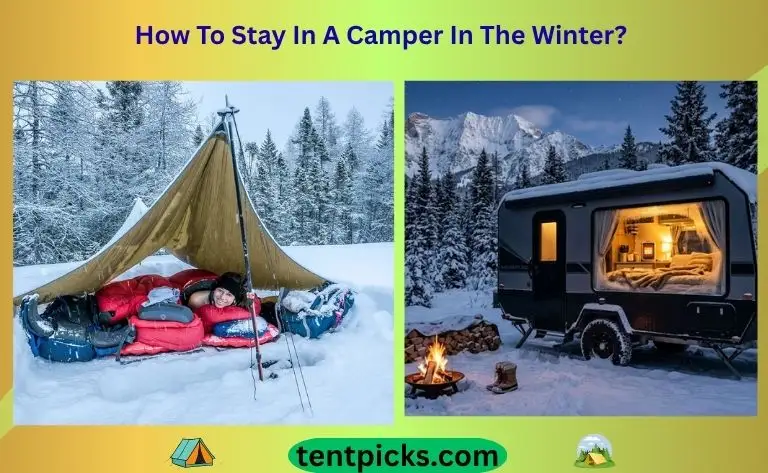
How To Stay In A Camper In The Winter? Get proven tips on insulation, heat, water, and power to stay cozy, safe, and efficient in freezing temps. Insulate well, heat safely, manage moisture, protect plumbing, and plan reliable power. Living out the cold months in a small rig takes skill and systems.
In this guide on How to Stay In A Camper In The Winter, I share proven steps, gear, and lessons from years of winter RV living. You will learn how to prep your camper, keep heat in, stop pipes from freezing, and stay safe and comfortable when the temperature falls.

Source: nuventuretravels.com
Understanding winter RV living basics
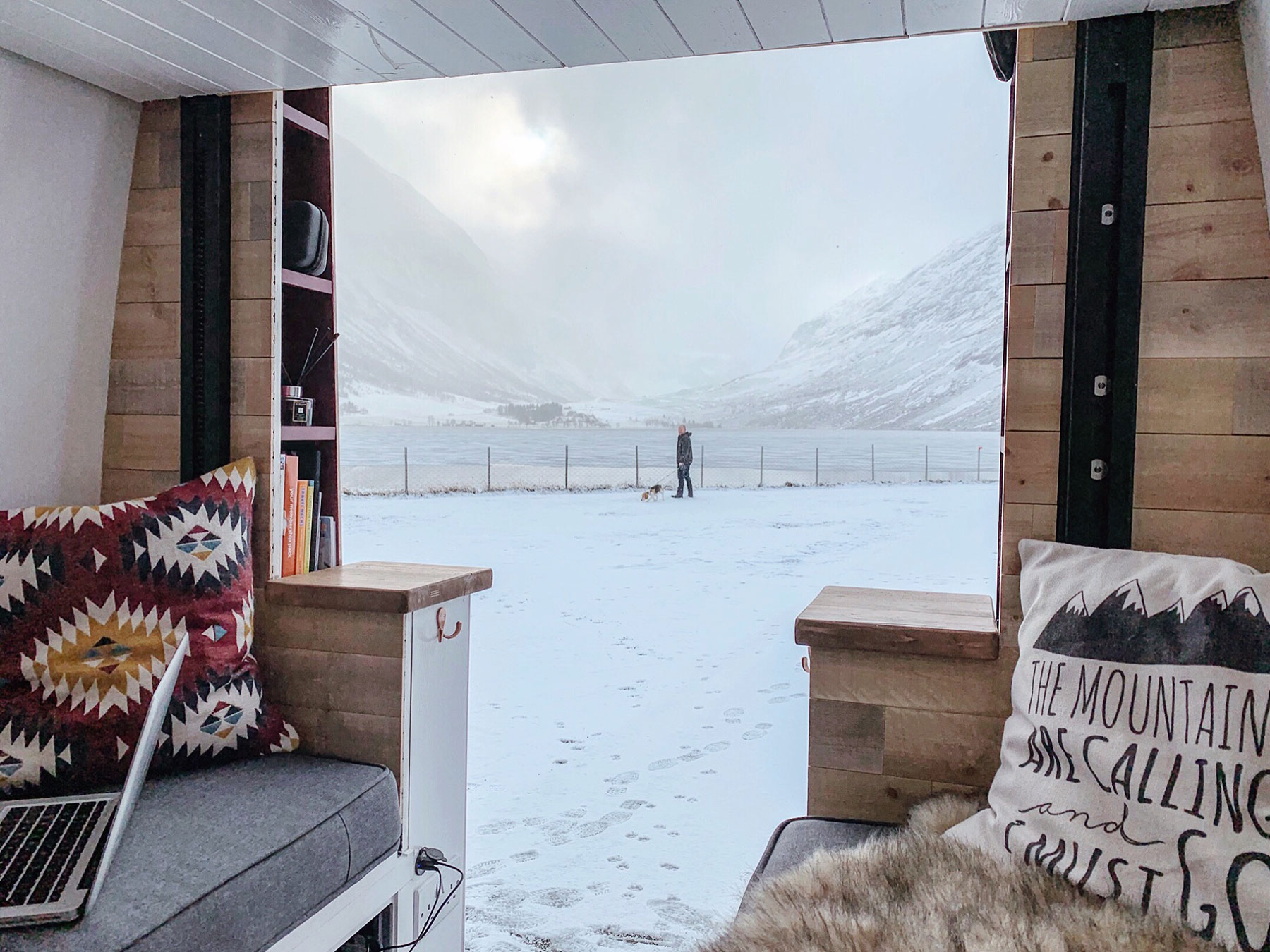
How To Stay In A Camper In The Winter? Start by knowing your limits. Cold affects gear, rigs, and people. It drains batteries fast, makes propane work harder, and turns moisture into frost. Your plan should cover heat, power, water, and safety every day.
Winter RV living is not only about staying warm. It is about control. Control of airflow, heat loss, fuel supply, and ice. With a clear routine and the right tools, you can make a camper feel secure even in a storm.
Source: tothemountainsandback.com
Key winter risks in a camper
- Rapid heat loss through windows, floors, and vents.
- Frozen pipes, valves, and hoses.
- Battery capacity loss and weak solar harvest.
- Carbon monoxide risk from poor ventilation.
- Condensation leading to mold and damage.
Insulation and sealing the shell
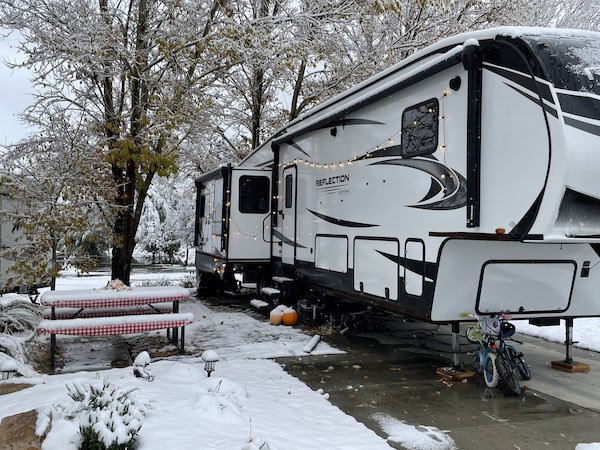
If you ask How To Stay In A Camper In The Winter, insulation comes first. Think of your camper as a cooler. The goal is to slow heat loss at every surface. Seal drafts. Add layers. Protect the belly and the floor.
Focus on the weak points. Windows, doors, floor, slide rooms, and roof vents leak heat. Tighten each point, and you will feel a big jump in comfort and fuel savings.
Source: boundlessbakers.com
Windows and doors
- Use thermal curtains with a snug top valance to trap air.
- Add interior window film or plexiglass panels to create a dead air layer.
- Apply weatherstripping around doors. Replace old gaskets.
Floors, bays, and skirting
- Install RV skirting to block wind and trap ground warmth.
- Use rigid foam boards for DIY skirting. Seal edges to reduce drafts.
- Lay foam gym tiles or rugs over the floor to cut cold transfer.
Vents, slides, and gaps
- Fit insulated vent cushions under roof vents.
- Seal slide-out wipers and use slide toppers to reduce drafts.
- Foam and tape small gaps around plumbing and cable ports.
Heating options and safe operation
How To Stay In A Camper In The Winter? Heat the space well and do it safely. Use your built-in furnace or add safe electric or diesel heat. Never use a stove or oven as a heater.
Run a mix of heat sources to reduce load on one system. I like to use the propane furnace to warm ducts and bays, plus an oil-filled electric heater for steady background heat.

Source: youtube.com
Primary heat choices
- Propane furnace: Warms the cabin and underbelly. Needs good propane stock and clean ducts.
- Electric space heater: Oil-filled or ceramic models are steady and quiet. Use only on rated circuits.
- Diesel air heater: Sips fuel and gives dry heat. Vent and install per spec.
- Heat pump: Works best above 40°F. In deep cold, rely on other heat.
Safety musts
- Install and test carbon monoxide and smoke detectors.
- Keep a fire extinguisher handy and know how to use it.
- Crack a vent for fresh air when running heaters.
- Never run unvented heaters or generators inside.
Fuel and airflow tips
- Size heat for the square footage. Do a test run on a cold night.
- Use small fans to move warm air to cold corners and under the bed.
- Clean furnace intakes and check exhaust ports for snow or ice.
Power management in cold weather
How To Stay In A Camper In The Winter? Plan your power like a pilot plans fuel. Cold slashes battery output, and solar harvest drops with short days and low sun angles.
Make a budget for watts. Heat, dehumidifiers, and heated hoses add up. Knowing your amperage prevents tripped breakers and dead nights.
Batteries and charging
- Lithium batteries lose charge ability below freezing. Warm them or use heated cases.
- Lead-acid batteries lose capacity in the cold. Keep them topped up.
- Bring chargers and use a smart converter for shore power.
Solar, generator, and shore power
- Brush snow off panels. Tilt them if you can.
- Run a generator outside and downwind. Use a CO monitor in the rig.
- On 30-amp or 50-amp shore power, spread loads across circuits.
Cords and loads
- Use heavy-gauge outdoor cords and check for heat at plugs.
- Stagger high-draw gear. Do not run a kettle, heater, and microwave at once.
- Add a simple energy monitor to watch consumption in real time.
Water, plumbing, and waste systems
How To Stay In A Camper In The Winter? Keep water moving or keep it warm. Frozen lines can crack and flood the rig when they thaw.
Decide if you will run the fresh water hose or haul water. Each approach needs a freeze plan. Your waste plan should prevent ice in the valves and traps.

Source: youtube.com
Freeze protection options
- Heated fresh water hose on a GFCI outlet. Insulate the spigot.
- Use the onboard tank and pump. Fill up and disconnect the hose between uses.
- Wrap exposed lines with foam and heat tape per the maker’s guide.
Tanks and valves
- Add 12-volt tank heaters if you camp in deep cold.
- Keep bay doors shut. Warm with furnace ducts or a small safe heater.
- Use RV antifreeze in P-traps to stop ice and smells.
Dumping in winter
- Do not leave gray or black valves open. Liquids freeze in the sewer hose.
- Wait for a warmer window. Then dump and flush in one go.
- Store the hose dry and tilted so water drains out.
Moisture and condensation control
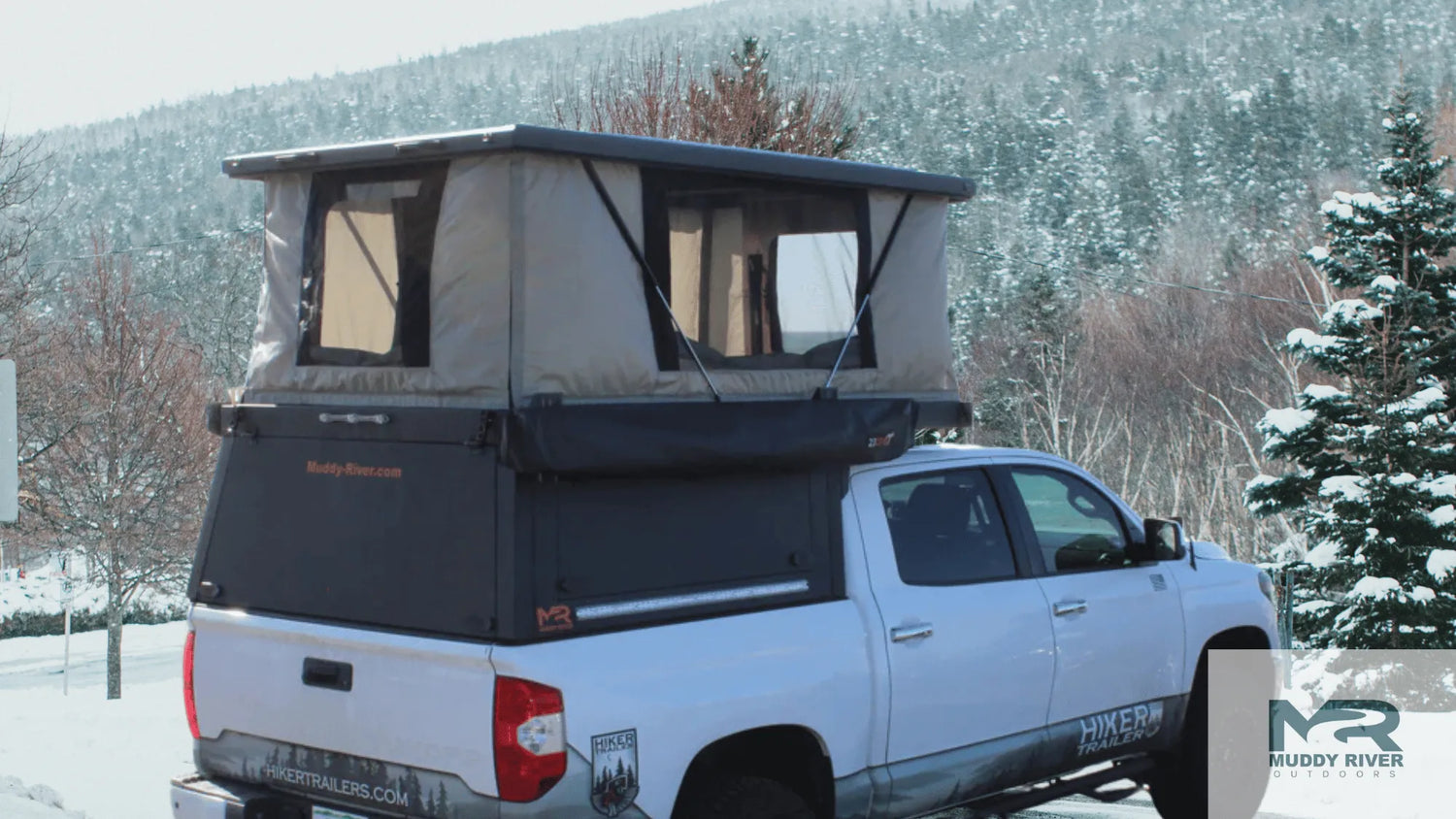
How To Stay In A Camper In The Winter? Stop damp air from turning into water on cold walls. Moisture comes from cooking, breathing, and wet gear.
You want dry, clean air. Wet air feels colder and breeds mold. A small drop in humidity can make the rig feel warmer.
Source: muddy-river.com
Simple moisture fixes
- Run roof vents a crack when cooking or showering.
- Use a compact dehumidifier or desiccant tubs in damp zones.
- Wipe windows each morning with a squeegee and towel.
Cut indoor moisture loads
- Put lids on pots and run the fan while cooking.
- Dry boots and coats in a tray with airflow.
- Avoid drying laundry inside if you can.
Choosing a campsite and weather strategy
How To Stay In A Camper In The Winter? Pick your spot with wind, sun, and access in mind. A good site can save gallons of propane.
Think like a mountain guide. Protect yourself from the wind, plan a way out, and check the forecast often. Snow and ice can trap rigs fast.
Source: suburbanseats.com
Site selection tips
- Park with the nose into the wind if storms are common.
- Use natural windbreaks like trees or berms, but watch for heavy snow loads.
- Keep clear of roof fall zones where ice can slide down on doors.
Weather watching
- Track fronts and cold snaps. Move before an ice storm if needed.
- Keep a shovel, traction mats, and ice melt on hand.
- After snow, clear roof vents, solar panels, and furnace exhausts.
Safety, carbon monoxide, and fire readiness
How To Stay In A Camper In The Winter? Safety is not optional. Cold adds risks from heaters, CO, and blocked vents.
Build a safety loop. Check detectors, scan vents, and keep exits clear. Practice a fast exit plan at night.
Core safety checks
- Test CO and smoke alarms weekly. Replace batteries on a schedule.
- Inspect propane lines with a leak detector solution.
- Keep heaters away from curtains and bedding.
Emergency prep
- Stock a first aid kit, warm blankets, and backup lights.
- Keep a charged power bank for phones and radios.
- Share your location and plan with a friend if boondocking.
Clothing, bedding, and daily routines
How To Stay In A Camper In The Winter? Dress smart and set clean habits. Warm clothes reduce your heater load and make mornings easier.
Layer like an onion. Keep your core warm and your feet dry. Good sleep gear pays off more than a bigger heater.
Wear and sleep system
- Base layer that wicks, mid layer that insulates, and a windproof outer shell.
- Wool socks and slippers with a firm sole for cold floors.
- A low-temp sleeping bag over your regular bedding seals in heat.
Daily rhythm
- Do a morning sweep for ice, leaks, and low fuel.
- Vent and wipe down moisture after breakfast.
- Pre-warm the bed with a safe 12-volt pad or hot water bottle.
Cooking, food, and water storage
How To Stay In A Camper In The Winter? Plan meals that warm you and cut moisture. Fuel efficiency matters on long cold spells.
Keep water and produce from freezing. Frozen lettuce is sad, and frozen bottles can split and leak.
Kitchen practices
- Favor one-pot meals and pressure cookers to save fuel.
- Use lids and fans to vent steam outside.
- Store dry goods in sealed bins to stop condensation.
Food and water care
- Keep drinking water jugs inside, off the floor.
- Use cooler space inside as a pantry buffer zone.
- Set fridge fins to avoid overcooling in sub-freezing ambient temps.
Budget, costs, and logistics
How To Stay In A Camper In The Winter? Budget for extra fuel and gear. Cold turns small leaks into big bills.
Track what you burn and what you save. Good skirting and sealing often pay for themselves in a season.
Cost factors
- Propane use rises fast below freezing. Monitor with a gauge.
- Electric heat is cheap on metered shore power, but plan amps.
- Dehumidifiers, tank heaters, and hoses add to the load.
Save without risk
- Insulate first, then add heat. It is cheaper and safer.
- Shop propane on refill, not exchange, for better value.
- Maintain gear to avoid mid-winter failures.
Real-world tips and lessons learned
How To Stay In A Camper In The Winter? Learn from those who have done it. My first winter at 7,000 feet taught me fast.
The pipes froze once when I trusted a heat lamp alone. I added tank heaters and started filling the fresh tank, then stowing the hose. Condensation dripped until I began cracking a vent and running a small dehumidifier. These small habits made the rig feel bigger, warmer, and calmer.
Mistakes to avoid
- Relying on one heat source with no backup.
- Leaving valves open and hoses hooked up in a freeze.
- Blocking vents in the name of warmth and risking CO buildup.
Quick wins
- Put rugs in high-traffic spots to cut floor chill.
- Use a wireless thermometer for bays and tanks.
- Keep spare fuses, regulators, and a backup CO alarm.
Winter maintenance checklist
How To Stay In A Camper In The Winter? A checklist keeps you ahead of the cold. Short, daily checks prevent long, cold fixes.
Print this list, post it by the door, and make it a habit every morning and night. Small steps add up to safe, steady comfort.
Daily
- Check propane level and battery state of charge.
- Clear exhausts, vents, and panels of snow or ice.
- Wipe windows and scan for leaks or drips.
Weekly
- Inspect skirting and seals for gaps.
- Test alarms and rehearse the exit plan.
- Defrost freezer and clean furnace filter if accessible.
Before a cold snap
- Fill fresh water and stow the hose.
- Add RV antifreeze to traps and check heat tape.
- Stage a backup heater and fuel.
Frequently Asked Questions on How To Stay In A Camper In The Winter?
Can I live in a camper in sub-zero temps?
Yes, but you must insulate well, heat safely, and protect plumbing. Plan fuel, power, and a backup exit route in case of storms.
How much propane will I use in winter?
Usage varies by size and insulation, but many burn several gallons per week in deep cold. Track use and refill early to avoid outages.
Do I need RV skirting?
Skirting makes a big difference by cutting wind and floor chill. It can lower propane use and help protect tanks and lines.
Will solar work in the winter?
Yes, but output drops with low sun and snow cover. Brush panels and expect to need shore power or a generator as backup.
How do I stop condensation on windows?
Vent while cooking, run a dehumidifier, and use thermal curtains or film. Wipe down glass each morning to remove overnight moisture.
Conclusion
Winter camping in a small rig can be safe, warm, and rewarding with the right setup. Seal the shell, heat with care, protect your plumbing, manage power, and keep moisture in check. Build daily habits and test your systems before the first hard freeze.
If you are serious about How To Stay In A Camper In The Winter?, start with one section today and improve week by week. Try a window film kit, add skirting, or set a moisture routine. Ready for more winter RV wisdom?
Subscribe for updates, share your tips in the comments, and use this guide as your cold-weather checklist.