
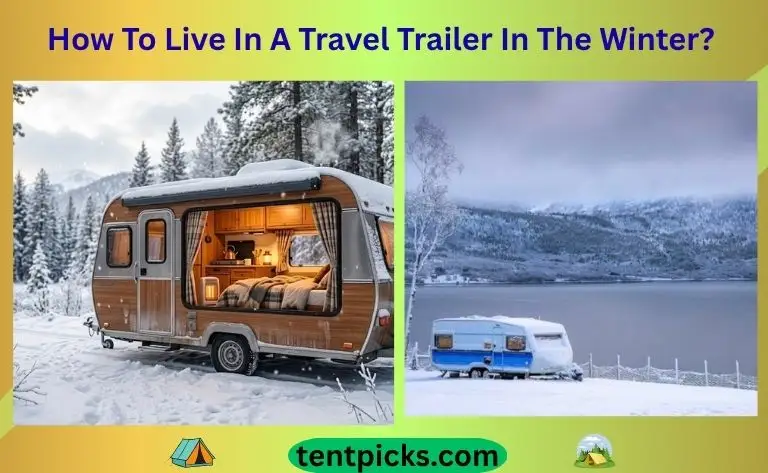
How To Live In A Travel Trailer In The Winter? | Expert Tips
How To Live In A Travel Trailer In The Winter? Stay warm, cut costs, and avoid frozen pipes with smart insulation, heating, and boondocking tips now. Insulate well, heat smart, protect plumbing, manage power, and control moisture daily. Living well in a travel trailer through snow and ice is absolutely doable with the right setup, routine, and safety habits.
In this guide, I’ll show you How To Live In A Travel Trailer In The Winter? like a pro, drawing on seasons of cold-weather camping, hands-on tests, and industry best practices. You’ll learn what to do, what to avoid, and how to stay warm, dry, and safe without guesswork.

Know your winter conditions and plan your base
Winter success starts with a plan. Pick your location based on climate, site services, and access. A sheltered campsite with full hookups often beats a remote spot with epic views when the low hits single digits.
Consider these steps before the first frost:
- Check local winter norms. Look up average lows, wind patterns, and snow totals.
- Choose a site with wind protection. Park with the nose into the prevailing wind if you can.
- Ask the park about rules. Some parks limit skirting, heat cables, or tank draining methods.
- Confirm utilities. Stable 30A or 50A power, good water spigots, and clear dump access matter.
- Plan exits. Keep a clear path for your tow vehicle and trailer in case a storm moves in.
From experience, a south-facing spot with a tree line to the north can cut wind load and help with passive solar gain on sunny days. If you wonder How To Live In A Travel Trailer In The Winter, start by matching your rig and routine to your local climate.
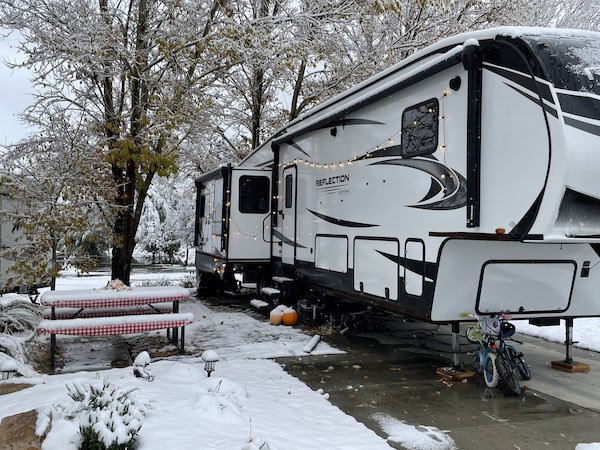
Source: boundlessbakers.com
Winterize your travel trailer: seal, insulate, skirt
Heat lost is money lost. Tightening your shell gives the biggest return on comfort and fuel savings.
Seal gaps first:
- Weatherstrip doors and windows. Replace old gaskets and add door sweeps.
- Close roof vents with insulated cushions. Keep one vent cracked later for moisture control.
- Use caulk to fill exterior gaps. Focus on corners, hatches, and utility ports.
Improve insulation where it counts:
- Add window film. Clear shrink film cuts drafts while keeping light.
- Use insulated curtains. Thick panels or thermal liners help at night.
- Place foam board under rugs. Warmer floors mean warmer feet and less furnace time.
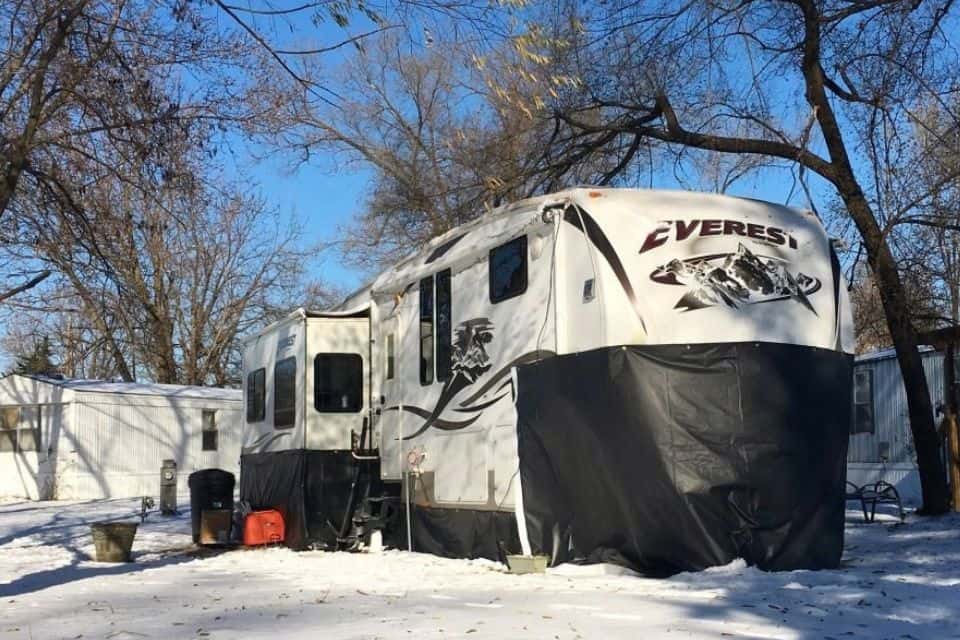
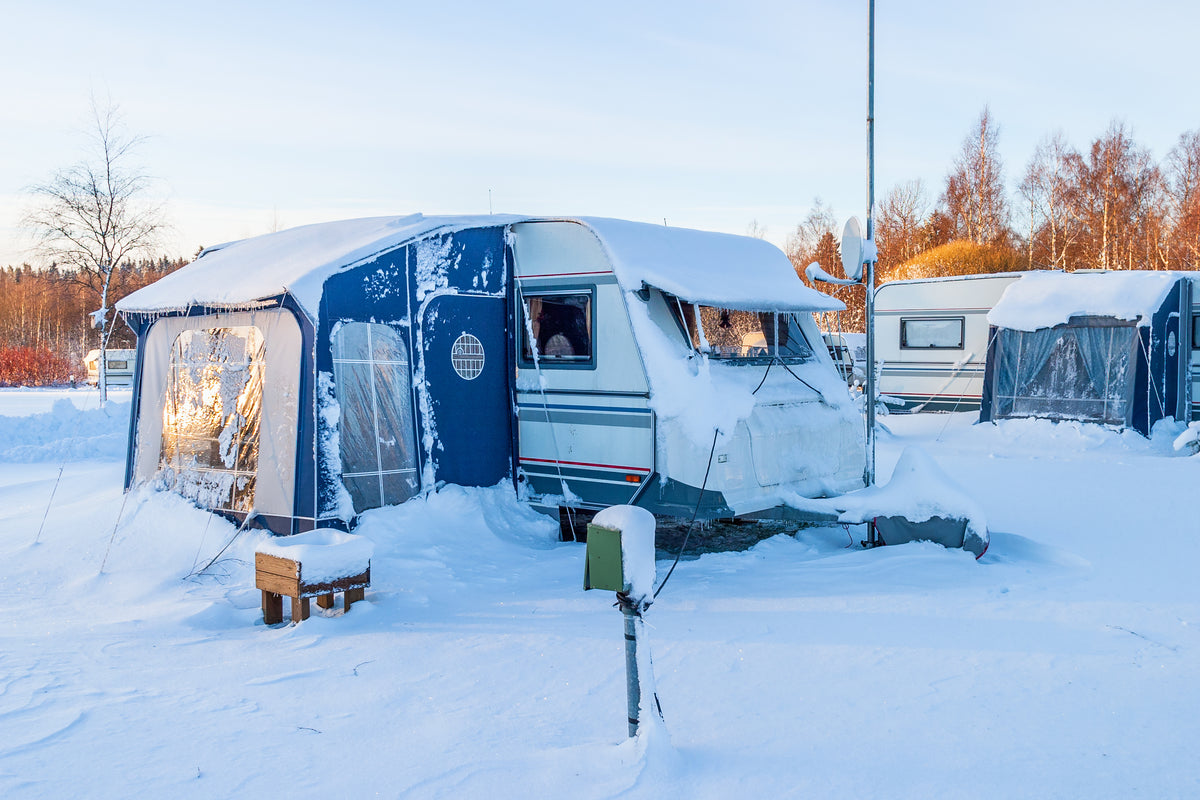
Skirt the trailer to block wind under the frame:
- Rigid foam board works well. Cut to fit, tape seams, and anchor to resist wind.
- Vinyl skirting kits save time. Many include snaps or channels for a neat seal.
- Leave an access panel. You will need to check valves, tanks, or cords.
- Avoid hay bales. They hold moisture and invite pests.
In my coldest season at -10°F, simple skirting cut furnace cycles by almost a third and kept the underbelly near 40°F. For anyone asking How To Live In A Travel Trailer In The Winter?, proper sealing, insulation, and skirting are your foundation.

Source: youtube.com
Heat your trailer safely and efficiently
Reliable heat with layered backups is key. Mix systems to lower cost and reduce risk.
Know your options:
- RV propane furnace. Best whole-rig heat and warms the underbelly if ducted. Keep ducts clear.
- Electric space heaters. Ceramic or oil-filled units are cheap to run on shore power. Use tip-over and overheat protections, and give clear space.
- Heat pumps. Great in shoulder seasons, but many drop off below 35–40°F.
- Diesel heaters. Efficient and dry heat when installed and vented right.
- Catalytic heaters. Use only with a cracked window and a working CO detector. They add moisture.
Smart heating habits:
- Zone your heat. Close doors or use curtains to keep heat where you live.
- Set a base temp. I hold 58–62°F at night and bump to 66–68°F during the day.
- Rotate fans low and slow. Move warm air without drafts.
- Maintain detectors. Test CO and smoke alarms weekly.
Propane notes: Pressure drops as temperatures fall. Use dual 30 lb cylinders or 100 lb tanks for better vaporization, and keep them filled above half. If you want a repeatable plan for How To Live In A Travel Trailer In The Winter?, pair a furnace with one safe electric heater and solid airflow.
Source: poppinsmoke.com
Protect water lines, tanks, and plumbing
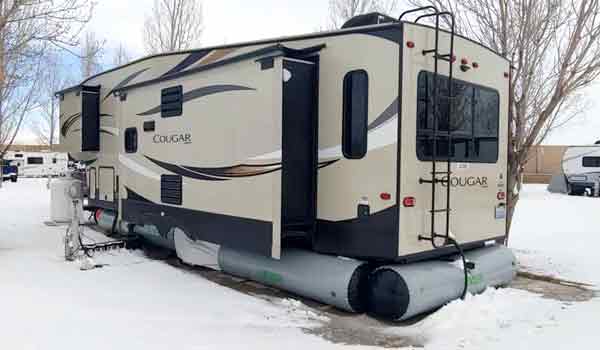
Frozen water is the fastest way to ruin a winter week. Protect supply, drains, and tanks.
For fresh water:
- Best method: Fill your fresh tank and disconnect the hose. Reconnect only to refill.
- If you stay connected: Use a heated water hose rated for sub-zero temps. Insulate the spigot and the trailer inlet, and plug the hose into a dedicated GFCI outlet.
- Keep a spare hose inside. If the main hose freezes, swap fast.
For waste and drains:
- Keep valves closed. Only dump when tanks are at least two-thirds full to prevent ice dams.
- Use 12V tank heaters if your rig has them, or add rated pads with a fused circuit.
- Pour a small amount of RV antifreeze in each P-trap and a quart in black and gray tanks during deep cold.
- Insulate exposed pipes. Wrap with foam sleeves and heat tape if allowed by the manufacturer.
Bathroom and kitchen tips:
- Run the bath fan after showers. Squeegee walls to reduce freeze risk.
- Use a small space heater in the bathroom when temps plummet, with safe clearance.
When readers ask How To Live In A Travel Trailer In The Winter?, water security is always in the top three answers.
Source: tinylifeconsulting.com
Power management in cold weather
Cold drains batteries, shortens solar days, and makes every watt count.
Battery care:
- Lithium batteries need warmth to charge. Use self-heated batteries or a heated box above 32°F.
- Lead-acid loses capacity in the cold. Keep them charged and ventilated.
- Add a battery monitor. Knowing the state of charge prevents surprise outages.
Charging and generation:
- Shore power is king. Mind your amps. A 30A service can run a heater, but not three.
- Solar helps on clear days. Tilt panels and clear snow early.
- Carry a generator if you boondock. Store treated fuel and run it monthly. Keep exhaust clear of snow.
Power safety:
- Use heavy-gauge extension cords rated for your load.
- Avoid daisy-chained power strips.
- Label circuits. You will juggle loads in storms.
If you want a dependable plan for How To Live In A Travel Trailer In The Winter?, design your power stack with shore first, solar assist, and generator backup.
Source: rvshare.com
Control moisture, condensation, and air quality
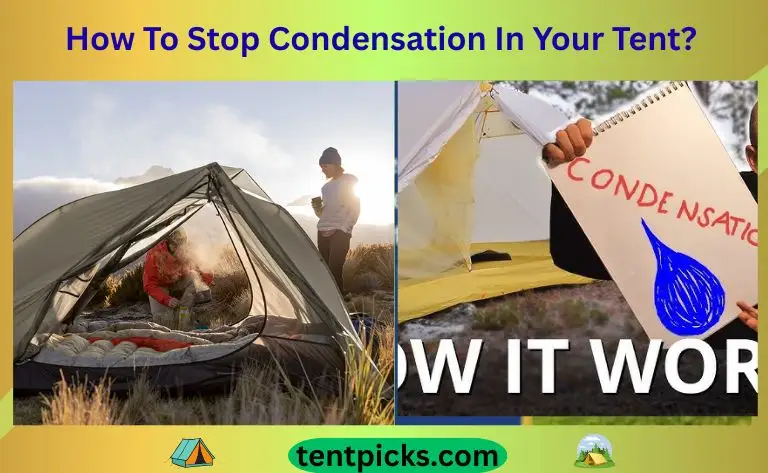
Warm air holds moisture. In a small shell, that moisture becomes window rain, soft wood, and mold if you ignore it.
Daily habits:
- Vent while you cook and shower. Lids on pots help.
- Crack a roof vent a half inch. Add vent covers so snow and rain stay out.
- Wipe windows and sills each morning. A simple microfiber towel saves trim.
Tools that help:
- A small compressor dehumidifier. Aim for 35–45% relative humidity.
- Desiccant tubs in closets and cabinets.
- A hygrometer in the living space and one in the underbelly.
Safety:
- Change furnace filters as needed.
- Test CO and smoke detectors. Keep a second CO detector near sleeping areas.
People who master How To Live In A Travel Trailer In The Winter? Always pair heat with planned ventilation.
Source: kohree.com
Daily living systems and routines
Winter living is about rhythm. The right routine keeps you warm, dry, and sane.
Simple routines:
- Set a snow plan. Clear the roof with a rake and brush slide-outs gently.
- Lay down rugs and a boot tray. Wet floors steal heat and create slick spots.
- Batch chores on warmer hours. Refill water and dump tanks mid-day if possible.
- Meal prep hearty, simple food. Soups and stews add warmth and reduce dishes.
Storage and organization:
- Keep wet gear near a vent or small fan. Dry gear fast to cut humidity.
- Use clear bins under the bed. Label winter-only gear.
- Track propane use. I log dates and temperatures to predict refills.
Mistakes to avoid:
- Letting tanks drip overnight.
- Blocking furnace returns with bins.
- Using the oven as a heater.
Master these, and you will feel confident about How To Live In A Travel Trailer In The Winter, no matter the forecast.

Source: livingvehicle.com
Budget, costs, and insurance basics
Cold costs money. Plan so you are not surprised.
Typical winter costs to expect:
- Propane. Usage ranges widely, but plan for higher burn during wind and single digits.
- Electricity. Many parks meter it in winter. Ask for the kWh rate up front.
- Skirting and gear. One-time buys that pay back in comfort and fuel savings.
- Maintenance. Extra wear on seals, steps, and slides.
Money savers:
- Use park electricity for a safe space heater to cut propane use.
- Insulate first. Every hour of sealing and skirting saves you dollars all season.
- Buy propane in larger cylinders. Per-pound cost is often lower.
Insurance and peace of mind:
- Tell your insurer you are wintering in place. Ask about full-time coverage.
- Keep photos of your setup. Document skirting, heaters, and detectors.
Clear planning around costs is part of any honest answer to How To Live In A Travel Trailer In The Winter?.
Source: kohree.com
Essential winter gear checklist
Stock these items before the first frost. They are simple, proven, and worth the space.
- Heated drinking water hose and spare standard hose.
- Foam board or vinyl skirting with tape and anchors.
- Weatherstripping, window film, and insulated curtains.
- Electric space heater with tip-over protection.
- Dehumidifier and hygrometers.
- 12V tank heaters or pads, plus RV antifreeze.
- Battery monitor and heavy-gauge extension cords.
- CO and smoke detectors with fresh batteries, plus a fire extinguisher.
- Snow shovel, roof rake, ice scraper, and pet-safe ice melt.
- Thermal gloves, headlamp, boot tray, and extra blankets.
- Remote thermometers for bays and underbelly.
- Spare fuses, butane lighters, and a basic tool kit.
With this kit, you will feel ready for anything tied to How To Live In A Travel Trailer In The Winter?.
Frequently Asked Questions about How To Live In A Travel Trailer In The Winter?
Can I live full-time in a travel trailer during winter?
Yes, with the right prep and a safe heat plan. Focus on insulation, skirting, and water protection, and keep a backup heat source.
What temperature is too cold for a travel trailer?
Many can handle sub-zero nights when well skirted and heated. The limit is your plumbing, battery system, and furnace output, not a single number.
Is a heated water hose necessary?
It is the easiest way to avoid frozen supply lines if you stay hooked up. If you fill your freshwater tank and disconnect, you can skip it.
How do I keep my tanks from freezing?
Use tank heater pads, keep valves closed, and dump only when tanks are warm and near full. Add RV antifreeze to traps and a small amount to tanks during deep cold.
Are electric space heaters safe in RVs?
Yes, if used with care. Choose models with tip-over and overheat protection, give clearance, and watch your circuit loads.
Will a dehumidifier make my trailer too cold?
It removes moisture, which actually helps you feel warmer. Pick a small unit and run it after showers or while cooking.
Can I use my propane oven for heat?
No. Ovens are not space heaters and raise carbon monoxide risk. Use the furnace or a safe, rated heater instead.
Conclusion
Winter trailer life rewards the prepared. Seal your shell, add smart heat, protect water, balance power, and vent for dry air. Practice simple daily habits, and you will stay warm, safe, and relaxed even when the mercury drops.
If you came here wondering How To Live In A Travel Trailer In The Winter, you now have a clear, field-tested plan to follow. Start with one step today: seal a draft, order skirting, or set up a dehumidifier. Small moves add up fast.
Ready for more tips and gear guides? Subscribe for updates, share your winter setup in the comments, or ask a follow-up question so we can help you dial in your rig.