


Are Cots Good For Winter Camping? | Cold Weather Guide 2026
Are Cots Good For Winter Camping? Get the pros, cons, warmth tips, and gear picks to sleep higher, drier, and more cozy on snow. Read before your next trip. Yes—cots can work for winter camping if you insulate them well. Are Cots Good For Winter Camping? I have guided cold-weather trips for years, and I have slept on cots in wind, on ice, and on frozen ground.
Done right, they are warm, dry, and comfy. Done wrong, they are drafty and cold. This guide explains when cots shine, when they fail, and how to set up a winter-ready cot you can trust. By the end, you will know if Are Cots Good For Winter Camping for your style, your gear, and your temps.

Source: youtube.com
How a cot changes winter sleep
Are Cots Good For Winter Camping? The short answer is yes, but a cot changes how heat moves. On the ground, most heat loss is conduction into cold soil or snow. On a cot, you remove that ground contact, which is good. But you add cold air under you, which can pull heat by convection.
Two keys make a cot warm in winter:
- Use a high R-value pad on top of the cot. R-value is a measure of insulation. Higher is warmer. Pads now use the ASTM F3340 test, so numbers compare well.
- Block air under the cot. Stop drafts and reduce heat loss from below.
With those steps, a cot can be as warm, or warmer, than a ground pad on frozen ground.
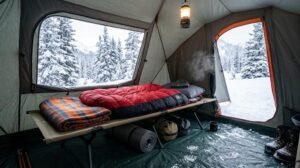
Benefits of using a cot in winter
Are Cots Good For Winter Camping? They offer clear benefits for basecamps and truck camping.
- Warmer than bare ground when the soil is ice cold. You avoid direct ground contact.
- Drier nights. You sleep above snowmelt, slush, and ground moisture.
- Better comfort. A flat, firm platform helps your back and hips.
- Fewer punctures. Sharp ice and debris do not attack your pad.
- Easier camp life. Sitting, putting on boots, and getting in and out is simple.
- Less frost-on-fabric contact. Your bag stays off a cold tent floor.
- Organization. Store boots and gear under the cot, which keeps aisles clear.
I often use a cot for multi-day ice fishing trips. My pad and bag stay dry, and my back is happy.

Source: walmart.com
Drawbacks and how to fix them
Are Cots Good For Winter Camping? They can be, but solve these issues first.
- Cold from below. Air moves under the cot and steals heat. Fix it with:
- A closed-cell foam pad on the cot. Add an insulated air pad on top.
- A cot underquilt or insulated skirt to trap air under you.
- A reflective barrier under the cot, like a foil emergency blanket.
- Weight and bulk. Cots are heavier than pads. Choose a light cot for snow treks or use it for basecamps.
- Tent fit. High cots rub walls in small tents. Use a low cot or a larger tent.
- Noise and feel. Some cots creak. Tighten joints and add a foam layer to cut noise.
One tip from hard lessons: Do not use an uninsulated air pad alone on a cot. You will feel cold fast.
Source: bienvenuelingue.com
Ground pads vs cots: which is warmer?
Are Cots Good For Winter Camping? Versus ground pads, the winner depends on setup and temps. On the ground, you fight conduction. On a cot, you fight convection. Both can be warm. The key is total R-value and air control.
- R-value targets for winter on a cot:
- Mild freezes around 32°F: R 4 to 5
- Typical winter around 10–20°F: R 6 to 7
- Deep cold below 0°F: R 8 to 10
- Stacking pads works. A closed-cell foam plus an insulated air pad adds R-values.
- Side skirts and underquilts cut drafts and boost real warmth a lot.
I compare it to wearing a puffy jacket in wind. The puffy is warm, but you still need a wind shell. On a cot, your pads are the puffy. Your skirt or underquilt is the shell.
Do cots make you colder in winter?
Not if you insulate well and block wind under the bed. With a high R-value pad and a draft skirt, a cot is warm and steady.
What R-value do I need on a cot in winter?
For most trips, aim for R 6 to 7 on the cot. On very cold nights, stack pads to reach R 8 to 10.

Source: drcoolhvac.com
How to set up a winter-ready cot
Are Cots Good For Winter Camping? Yes, with a smart setup. Here is a simple, proven system.
- Pick the right tent spot. Choose a flat area. Stamp snow hard and let it set.
- Add a groundsheet under the tent. Keep melt and slush out.
- Build a draft shield. Hang a fabric skirt or attach an underquilt to the cot rails.
- Add a reflective layer. Place a foil sheet under the cot or clipped to the rails.
- Lay closed-cell foam on the cot. This is your base insulation.
- Add an insulated air pad on top. Keep it at medium firmness for comfort and warmth.
- Use a winter bag rated by ISO 23537 near your low temp. Add a hooded liner if you sleep cold.
- Keep a small mat at the foot. It stops cold toes from touching bare fabric.
- Manage moisture. Vent the tent a bit to reduce frost. Dry your pad daily.
- Keep warm water in a bottle. Place it at your feet inside the bag for a heat boost.
Pro tip: If wind sneaks under the cot, stuff spare clothes in the side gaps. It works like insulation in a wall.
Source: snowtrekkertents.com
Best types of cots for winter camping
Are Cots Good For Winter Camping? It depends on the cot style and your trip type.
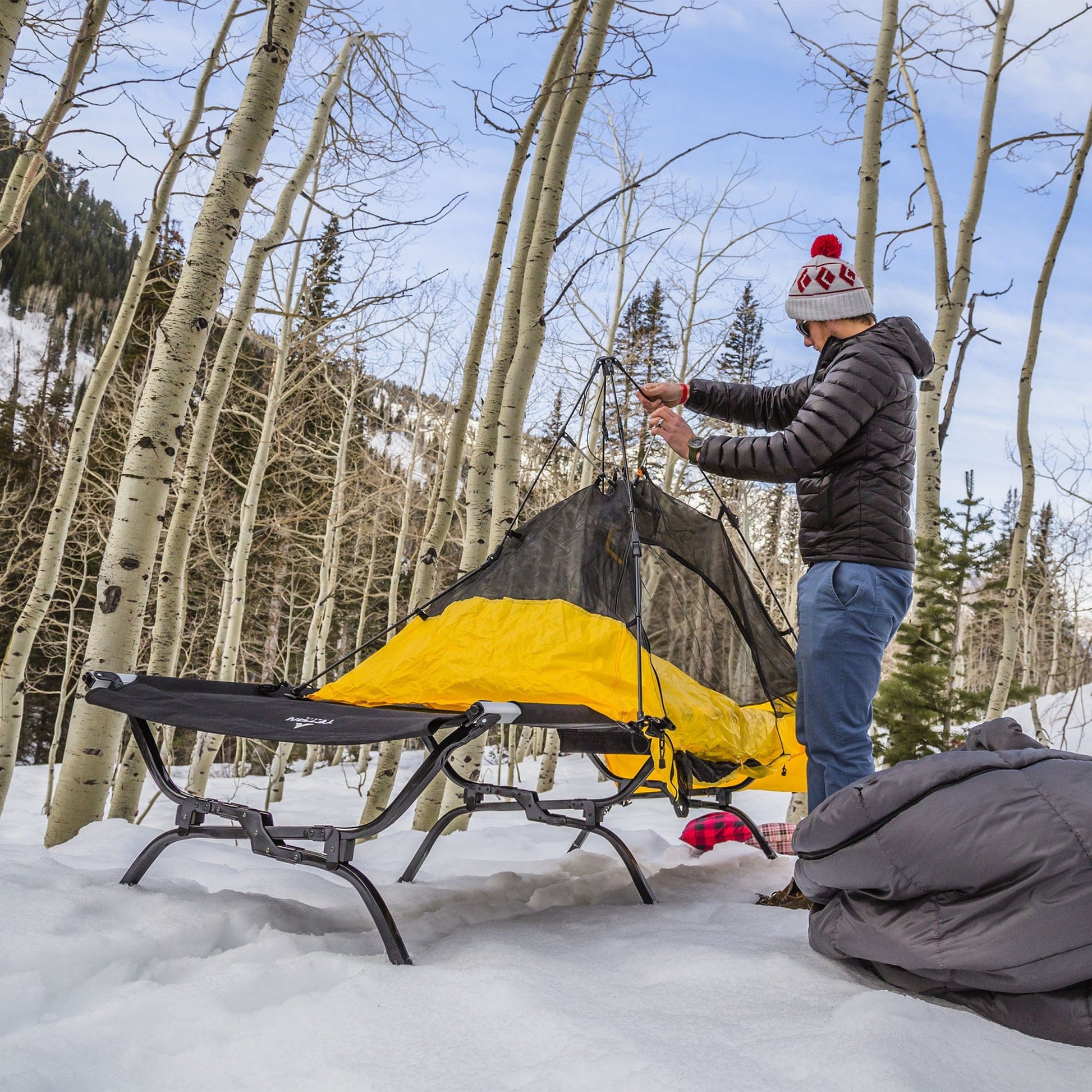
- Low backpacking cots. Light, packable, and sit a few inches off the floor. Great for snow caves and small tents.
- Standard folding cots. Stable and comfy. Best for truck camping and wall tents.
- Wide or long cots. Extra room helps side sleepers and thick pads.
- Military-style cots. Strong and easy to fix, but heavy. Good for basecamps.
What to look for:
- Height: 6 to 12 inches is a sweet spot. Low enough to avoid big drafts. High enough for storage.
- Fabric tension: A tight bed reduces cold spots and noise.
- Rails and attachment points: Useful for skirts and underquilts.
- Weight and pack size: Match it to how far you carry it.
Source: tetongear.com
Field notes and lessons learned
Are Cots Good For Winter Camping? From my trips, here is what worked and what failed.
- A -10°F lake camp: Cot plus foam plus R 6 air pad, with a fleece skirt. I slept warm in a -20°F bag. No cold back.
- A windy ridge night: Cot with only an air pad. I got chilled from below. Adding foam fixed it at once.
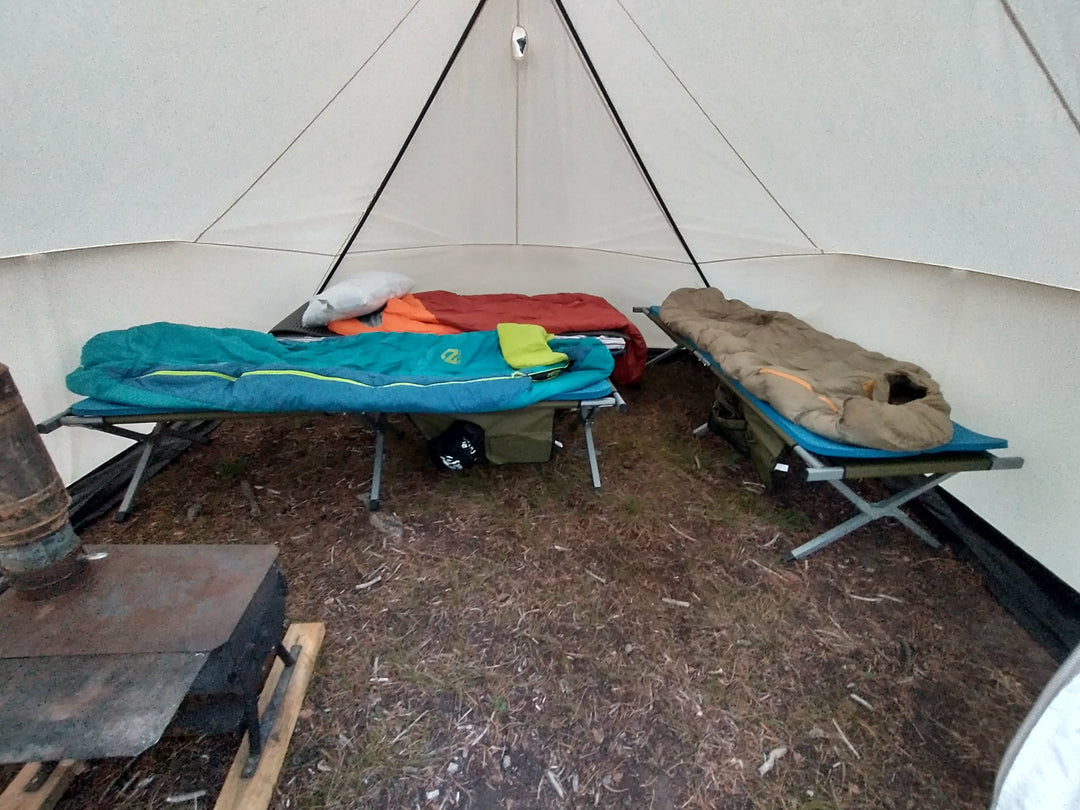
- A week in a wall tent: Cots made camp life easy. Boots sat under the beds. Keeping skirts on both sides stopped drafts from the stove door.
Mistakes to avoid:
- Skipping the foam layer. Expect cold spots where your hips press the pad.
- Forgetting venting. Frost will soak your bag if you close the tent too tight.
- Overinflating the pad. Very firm pads can feel colder and less comfy.

Source: youtube.com
Safety, health, and sleep quality
Are Cots Good For Winter Camping? They can improve sleep quality and joint comfort in the cold.
- Back and joints. A firm cot with a thin foam topper feels better than a soft, saggy pad.
- Foot warmth. Keep your feet off bare cot fabric. Use a foot mat or extra foam.
- Tent safety. Keep cots clear of heaters and stoves. Vent well to avoid carbon monoxide risk.
- Stability. Level the cot legs so you do not slide downhill in a slick bag at night.
A calm, warm sleep helps you think sharp in the cold. That is a big safety win.
Budget and weight trade-offs
Are Cots Good For Winter Camping? If you car camp or run a basecamp, the answer is often yes. If you hike far or pack light, a high R-value ground pad may be better.
- Choose a cot when:
- You camp near the car or on a sled haul.
- You want comfort, dry gear, and easy camp life.
- You use a hot tent or a wall tent.
- Skip the cot when:
- You backpack long miles or climb.
- You must shave weight and bulk.
Cost tips:
- Start with a budget cot and invest in insulation first. A cheap cot plus great pads beats an expensive cot with poor insulation.
Frequently Asked Questions of Are Cots Good For Winter Camping?
Do I still need a sleeping pad on a cot in winter?
Yes. A sleeping pad adds the R-value you need. Layer foam and an insulated air pad for best warmth.
How high should a winter cot be?
Six to twelve inches is ideal. It keeps you off the cold floor but limits cold drafts.
Can I use a cot on snow inside a tent?
Yes, but stamp the snow flat first. Add a groundsheet and a reflective layer under the cot to reduce melt.
Are Cots Good For Winter Camping? with a wood stove or hot tent?
They work very well. Keep safe clearances and use a draft skirt to stop stove gusts under the cot.
Will a cot damage my tent floor?
It can if legs are sharp. Use leg caps or put small pads under the feet.
Are insulated cots worth it?
Some cots add fabric layers, but real warmth comes from your pad setup. Focus on R-value and draft control.
Conclusion
Cots can be warm, dry, and very comfortable in winter. The trick is simple: add real insulation on top and stop cold air below. When you do that, a cot can beat the ground for comfort and for sleep quality, night after night.
If you have wondered, Are Cots Good For Winter Camping?, test the setup at home first. Stack a foam pad and an insulated pad, add a skirt, and check for drafts. Then take it outside and enjoy warmer, calmer nights. Ready to dial in your winter sleep? Share your setup, ask questions, or subscribe for more cold-weather tips.





2 Comments