

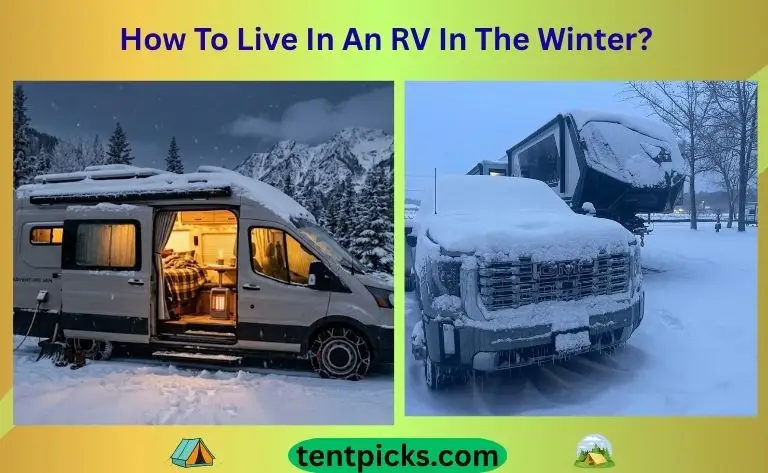
How To Live In An RV In The Winter? 2026 Cold-Weather Guide
Smart tips on how to live in an RV in the winter: stay warm, protect pipes, manage power, and save propane for a safer, cozier season. How To Live in an RV in the Winter? Prepare, insulate, heat safely, and manage water and power. Winter RV life is absolutely doable with the right setup and habits.
If you are asking How To Live In A RV In The Winter? This guide walks you through the exact gear, steps, and routines I use after several cold seasons on the road, from insulation and heating to water, power, and daily life.
Understand the Winter RV Reality
Cold weather changes everything in an RV. Heat loss speeds up. Batteries drain faster. Moisture builds fast and can freeze. You need a plan for heat, water, power, and airflow.
I have lived in subzero nights in the Rockies and the Midwest. The rigs that do best are sealed, heated, and simple to run. The owners stay ahead of weather and do small checks every day.
Know your RV’s weak points. Single-pane windows, uninsulated bays, and long water runs are common trouble spots. Fix or work around them early.
Source: thecrazyoutdoormama.com
Planning Your Setup: How To Live In A RV In The Winter?
Good winter plans start before the first freeze. The core of How To Live In A RV In The Winter? is to choose safe heat, protect plumbing, and set a steady power plan.
Pick your base. Full hookups make winter easy. Boondocking in deep cold needs more fuel and battery. Either way, make a simple checklist you follow each day.
Build a cold kit and keep it handy.
- Heat tape for pipes and a heated hose for city water
- RV skirting material and foam board
- Weatherstripping, shrink film, and Reflectix inserts
- Space heater with tip-over shutoff and a smart thermostat plug
- CO and propane detectors with fresh batteries
- RV antifreeze, spare water jugs, and a wet-dry vacuum
Source: boundlessbakers.com
Insulation, Sealing, and Skirting
Heat escapes through windows, doors, the floor, and vents. Stop leaks first. Then add layers.
- Windows and doors. Use weatherstripping on frames. Add shrink film and Reflectix inserts at night. Open blinds in the sun to gain heat.
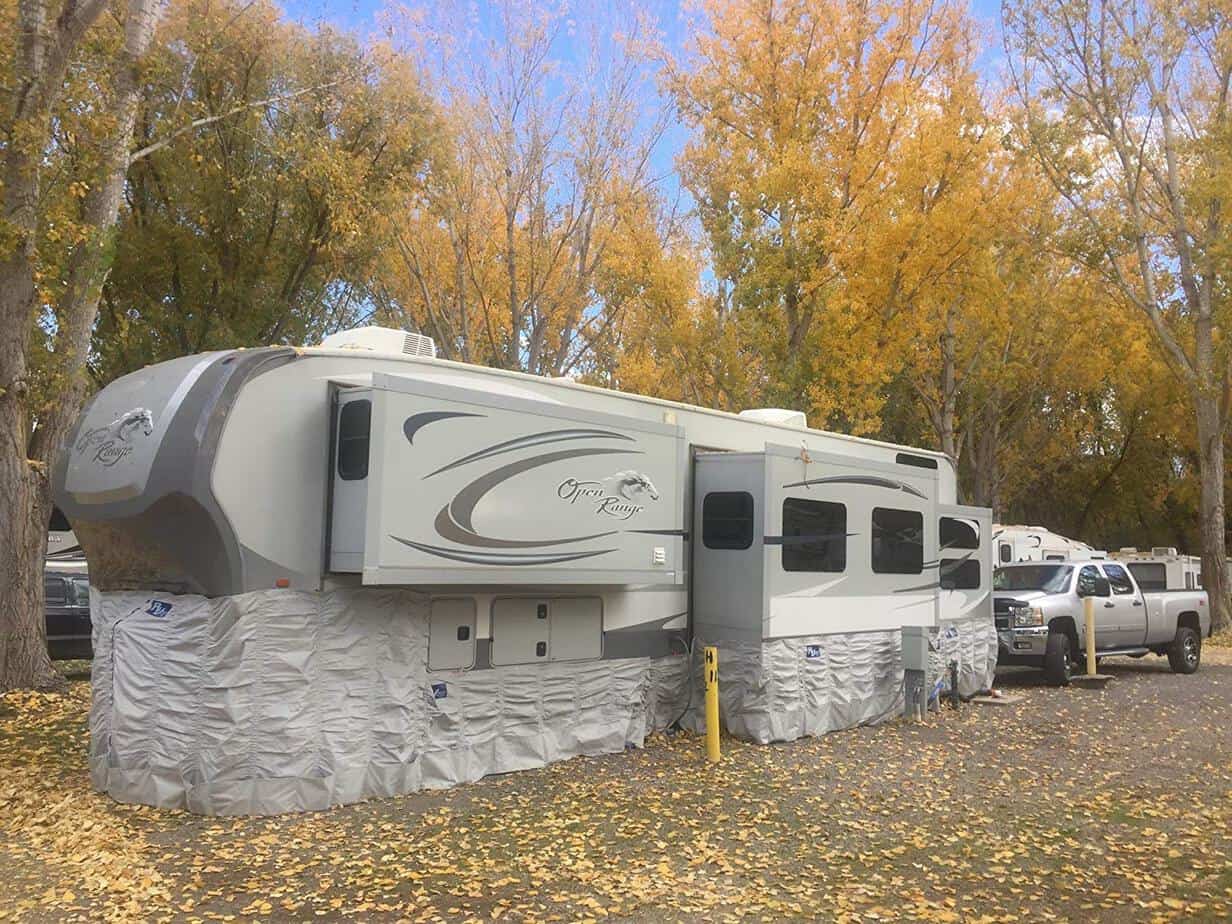
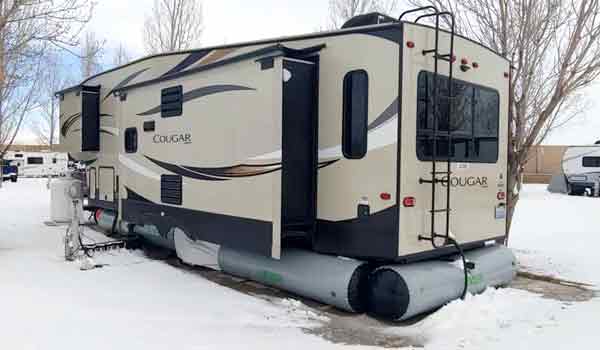
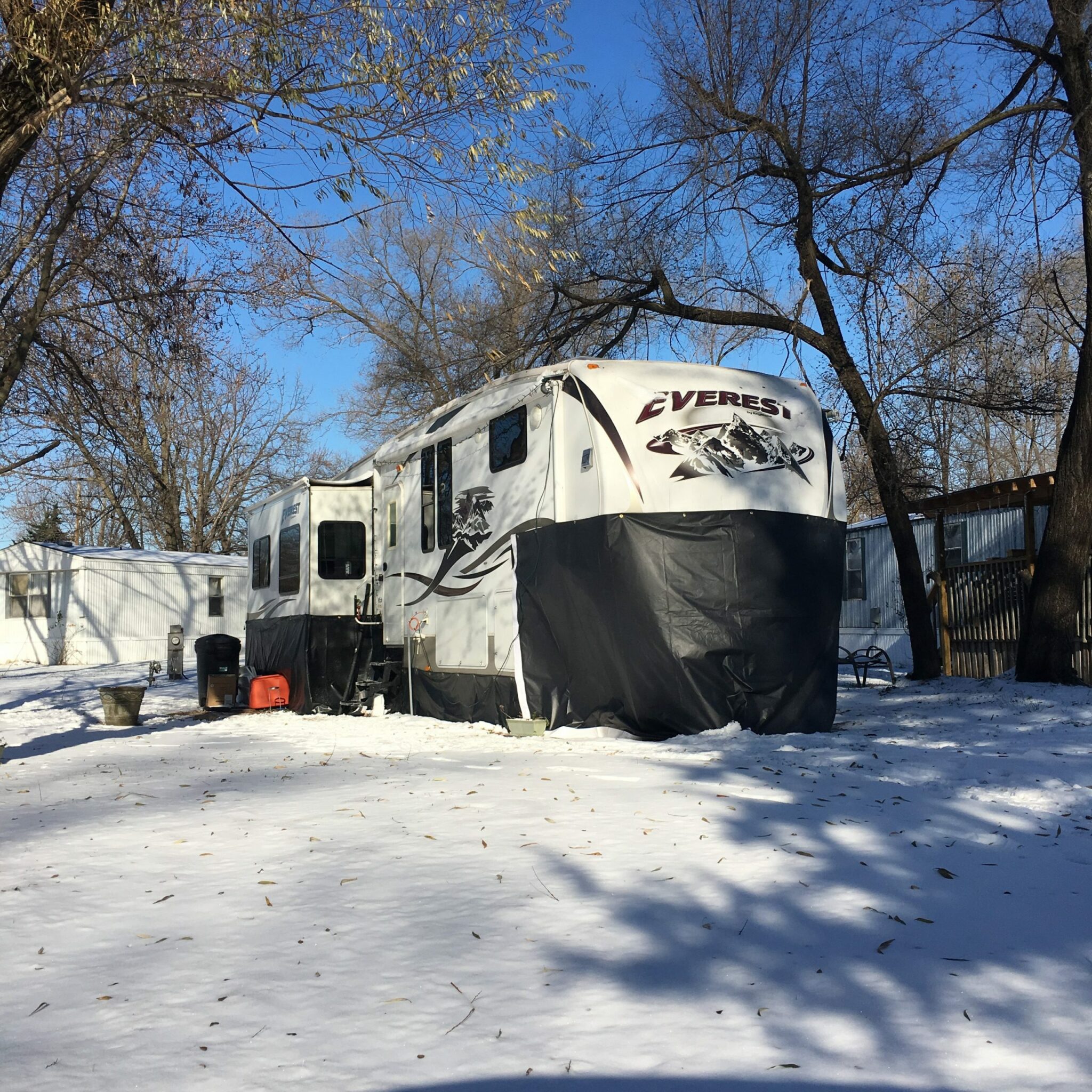
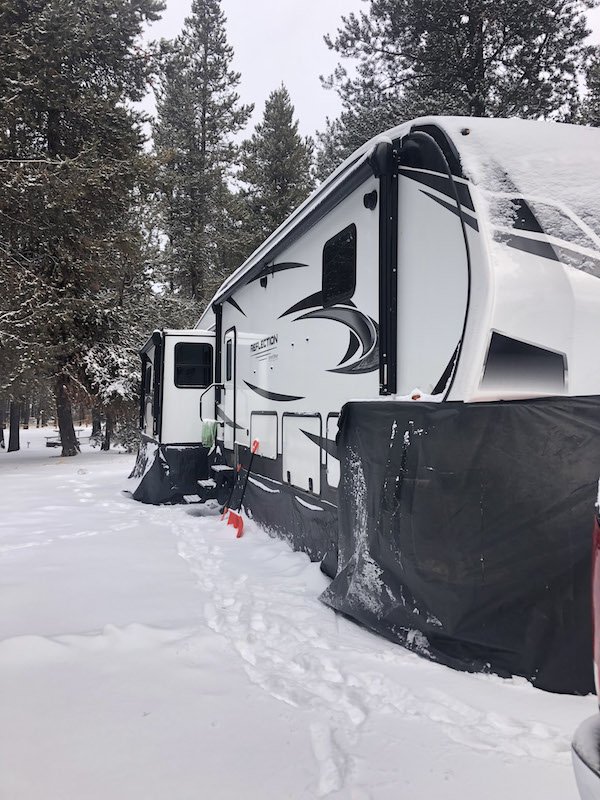
- Floor and bays. RV skirting cuts wind and traps warmer air. Foam board works well. Make vent holes near the furnace exhaust to prevent heat buildup.
- Vents and fans. Use insulated vent cushions. Still crack a vent to avoid moisture.
- Tanks and lines. Add 12V heat pads to tanks if exposed. Wrap lines with foam sleeves. Use heat tape where allowed.
In my first winter, skirting dropped propane use by a third. It also helped the floor stay warm. That one change made the biggest comfort jump for us. If you wonder How To Live In A Rv In The Winter?, start with skirting and sealing.
Source: harvesthosts.com
Safe and Efficient Heating
Heat is the heart of winter RV life. Balance safety, cost, and comfort.
- Propane furnace. Heats the underbelly if ducted. It burns more fuel but protects tanks and lines.
- Electric space heaters. Great on shore power. Choose models with tip-over and overheat shutoff. Run on low to avoid tripping breakers.
- Catalytic or diesel heaters. Very efficient. Follow vent rules. Add CO and propane alarms.
- Thermostat control. Use a smart plug or built-in thermostat to keep temps steady. Avoid big swings that cause condensation.
Run the furnace on very cold nights to warm the belly. Use an electric heater to cut propane use when on hookups. How To Live In A RV In The Winter? means you respect heaters, test alarms, and keep a fire extinguisher ready.
Source: tinylifeconsulting.com
Water, Plumbing, and Tanks in Freezing Temps
Frozen water lines can end a trip. Keep water moving or keep it warm.
- Fresh water. Use a heated hose. If not possible, fill your fresh tank and disconnect. Store a few jugs indoors for backup.
- Gray and black tanks. Keep valves closed. Dump when tanks are warm and near full. Add RV antifreeze to traps and tanks as a buffer.
- Hose and spigot care. Insulate the spigot and filter. Drain and store hose when not in use.
- Inside habits. Run the water a few times a day. Warm the bathroom area so the lines do not freeze in walls.
I once skipped disconnecting a hose at -10°F. The hose froze solid and cracked. A simple routine would have saved it. If you ask How To Live In A RV In The Winter?, this is near the top of the list.
Source: rvinspiration.com
Power Management, Batteries, and Solar
Cold drains batteries and limits solar. Plan for less harvest and more use.
- Batteries. Lithium loses capacity in cold and must be warm to charge. Use internal heaters or battery blankets. Lead-acid loses capacity too; keep them topped off.
- Charging. Shore power is gold. A generator is your winter friend. Solar helps, but short days and low sun cut output.
- Inverters and loads. Space heaters pull heavy amps on 120V. Balance loads to avoid tripping. Use a power monitor to watch draw.
How To Live In A RV In The Winter? Often means you oversize your battery bank or lean on shore power. Watch voltage each morning. Low voltage can damage electronics.
Source: rvshare.com
Moisture, Ventilation, and Air Quality
Warm air holds moisture. It condenses on cold walls and windows. That can cause mold or rot.
- Vent right. Crack a roof vent and a window opposite it. Use a fan during cooking and showers.
- Dehumidify. A small dehumidifier works well on hookups. Use moisture absorbers in closets and bays.
- Cook smart. Use lids on pots. Vent when boiling pasta or making soup.
- Dry gear. Hang wet coats in the shower. Run the fan. Use doormats to keep snow out.
When people ask How To Live In A Rv In The Winter?, they often miss this. Moisture control is daily work. It pays off fast with warmer walls and clear windows.
Source: heatso.com
Parking, Campsite Choice, and Driving Prep
Good sites block wind and get winter sun. That alone can raise inside temps.
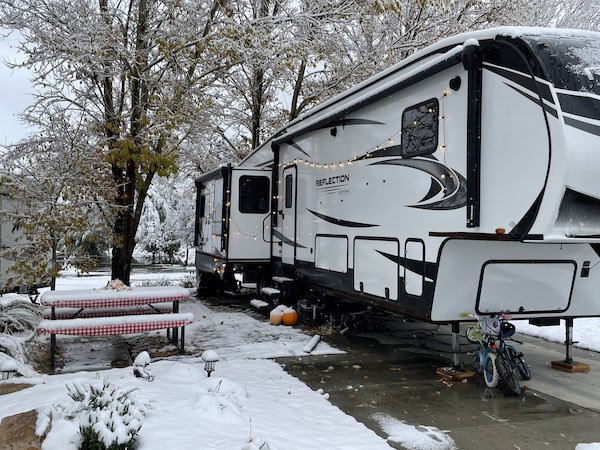
- Choose sun. Park with your largest window facing south. Use trees or buildings as windbreaks.
- Level and safe. Ice under jacks can shift. Use pads. Check roofs and awnings for snow load.
- Driving. Carry chains where required. Keep your fuel and propane topped off. Watch bridge decks and shaded roads.
How To Live In A RV In The Winter? Also means knowing when not to move. Wait out storms. Pick travel windows with dry roads and daylight.
Source: boundlessbakers.com
Daily Routines, Cooking, and Clothing
Habits keep you warm and cut costs.
- Morning routine. Check temps, battery level, and propane. Clear frost from vents. Squeegee windows if wet.
- Cooking. Bake or roast to add a little heat. Avoid long boils. Clean moisture fast.
- Clothing. Use layers. Warm socks, base layers, and a hat make a big difference.
- Night routine. Close Reflectix inserts. Set heaters to a steady low. Crack a vent for airflow.
If you are set on How To Live In A RV In The Winter?, focus on routine. Small checks prevent big problems.
Budgeting, Supplies, and Safety Checks
Winter costs can rise. Plan for it so there are no surprises.
- Fuel. Propane use can double in deep cold. Track use and refill early.
- Power. Generator fuel and maintenance add up. Store treated fuel safely.
- Supplies. Keep spare filters, tape, fuses, and sealant. Stock nonfreezing cleaners and RV antifreeze.
- Safety. Test CO, propane, and smoke alarms monthly. Keep two fire extinguishers ready.
Your budget is part of How To Live In A RV In The Winter?. A simple log of fuel, power, and parts helps plan the next season.
Real-World Lessons and Mistakes To Avoid
I have made the common mistakes so you do not have to.
- I once blocked all vents to “keep heat in.” Moisture spiked, and windows dripped. Leaving one vent cracked fixed it.
- I tried to live on solar alone at high latitude in January. Output was tiny. A generator or shore power is smart in deep winter.
- I waited to refill propane on a holiday weekend. Many stations were closed. Now I top off at half a tank.
How To Live In A RV In The Winter? comes down to planning, simple gear, and steady habits. The rest is comfort tuning.
Frequently Asked Questions About How To Live In A RV In The Winter?
What temperature is too cold to live in an RV?
Most rigs can handle single digits with good prep. Below zero, you need skirting, steady heat, and careful water management.
Can I use space heaters instead of the RV furnace?
Yes, on hookups, but run the furnace in very cold weather to warm the underbelly. Space heaters should have safety shutoffs and sit on clear, stable floors.
How do I keep my water hose from freezing?
Use a heated hose and insulate the spigot. Or fill your fresh tank and disconnect the hose between fills.
Is propane or electric heat cheaper in winter?
On paid metered power, propane can be cheaper. On unmetered shore power, electric heat often saves propane.
How do I stop condensation on windows?
Crack a vent, run a fan when cooking, and use a small dehumidifier. Add shrink film or inserts to reduce cold surface contact.
Conclusion
Winter RV life rewards smart prep and steady routines. Seal the shell, heat safely, protect water, and manage power. Add airflow to control moisture, choose better sites, and keep a calm travel plan.
Start with skirting, a heated hose, and alarm checks this week. Then tune heat, power, and habits as the season shifts. If this helped, subscribe for more field-tested RV tips, or drop a comment with your own winter wins and lessons.