
What Is The Best Car Camping Tent? Top Picks 2026
Get expert picks for What Is The Best Car Camping Tent? See the top 2026 models ranked for space, durability, and price to upgrade your next campsite. The best car camping tent is roomy, weatherproof, and quick to set up. If you are asking What Is The Best Car Camping Tent?, you want a clear, tested answer, not vague hype.
I have guided group trips and family campouts for years. I have pitched, slept in, and stress-tested dozens of shelters in heat, wind, and cold rain. This guide breaks down real picks, clear criteria, and practical tips so you can buy with confidence.
What Is The Best Car Camping Tent? Our Pick and Why
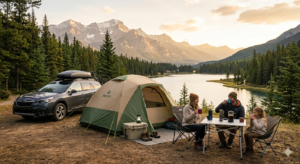
My best overall pick for most campers is The North Face Wawona 6. It blends generous space, a huge front vestibule, and reliable weather protection at a fair price for its class. The setup is logical for one person, and the updated pole design holds steady in gusty wind.
Why it stands out:
- Space and comfort. Near-vertical walls create a big living area, and the vestibule works as a gear garage or covered hangout.
- Weather defense. A full-coverage fly, strong pole geometry, and solid stitching keep rain out when storms roll in.
- Ease of use. Color-coded parts, big doors, and smart storage reduce setup stress at dusk or in light rain.
Limitations to note:
- It is tall and can catch the wind if you skip the guylines.
- It is not a true four-season tent, and long, exposed winter trips are not its lane.
Runners-up worth a close look:
- REI Co-op Base Camp 6. Best for bad weather thanks to a geodesic frame and stout fabrics.
- REI Co-op Wonderland 6. A palace in fair weather with superb standing room and airflow.
- Gazelle T4 Hub Tent. Fast, pop-up-style pitch with rigid hub walls for quick weekends.
- Kodiak Canvas Flex-Bow 8. Durable canvas, great in wind and cold, but heavy and costly.
- Coleman Skydome 6 or Sundome 6. Budget-friendly, simple, and fine for fair-weather trips.
- Core 9-Person Instant Cabin. Huge and fast to erect, but not ideal for strong winds or heavy rain.
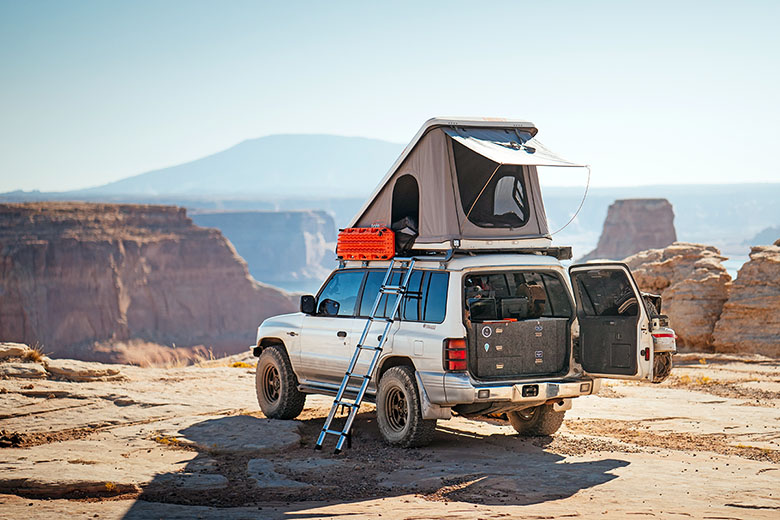
- Thule Tepui rooftop tents. Great for road trips where you want to sleep off the ground.
What Is The Best Car Camping Tent? For all-around value and broad user needs, the Wawona 6 is the most balanced choice I recommend to friends, families, and new campers. When someone asks me What Is The Best Car Camping Tent? for variable weather and comfort, I point to that model first.

How to Decide What Is The Best Car Camping Tent for You
Start with your group size, the seasons you camp, and your car’s cargo room. Translate that into space, weather needs, and setup speed. What Is The Best Car Camping Tent? The best one is the shelter that fits your trips, not someone else’s checklist.
Key factors to weigh:
- Capacity and floor area. For comfort, plan one to two extra “person” ratings above your group. Aim for 25 to 35 square feet per sleeper.
- Peak height and walls. If you like to stand and dress inside, look for 72 inches or more and near-vertical walls.
- Weather protection. A full-coverage rainfly, a bathtub floor, and a strong pole design make rainy weekends stress-free.
- Materials and poles. Aluminum poles last longer than fiberglass. Durable fabrics and good stitching matter.
- Ventilation. Big mesh panels and roof vents lower condensation at night.
- Set up and packed size. Instant frames are fast but can be bulky. Traditional poles pack smaller and ride better in the wind.
- Price and warranty. A fair midrange tent often beats a cheap giant that fails in its first storm.
Pro tip from the field: list your non-negotiables. Mine are full-coverage fly, two doors, and strong poles. This keeps shiny but weak options off my list fast.

Types of Car Camping Tents
Knowing the tent family helps you match design to your trips.
- Dome tents. Stable in wind, lighter poles, good all-around choice for couples and small families.
- Cabin tents. Tall, boxy walls and great headroom. Best for comfort in mild weather. Stake and guyline well.
- Tunnel tents. Long rooms with strong wind performance if pitched into the breeze. Great for family flow.
- Canvas tents. Heavy, long-lasting, and warm-feeling. Shine in shoulder seasons. Need care and dry storage.
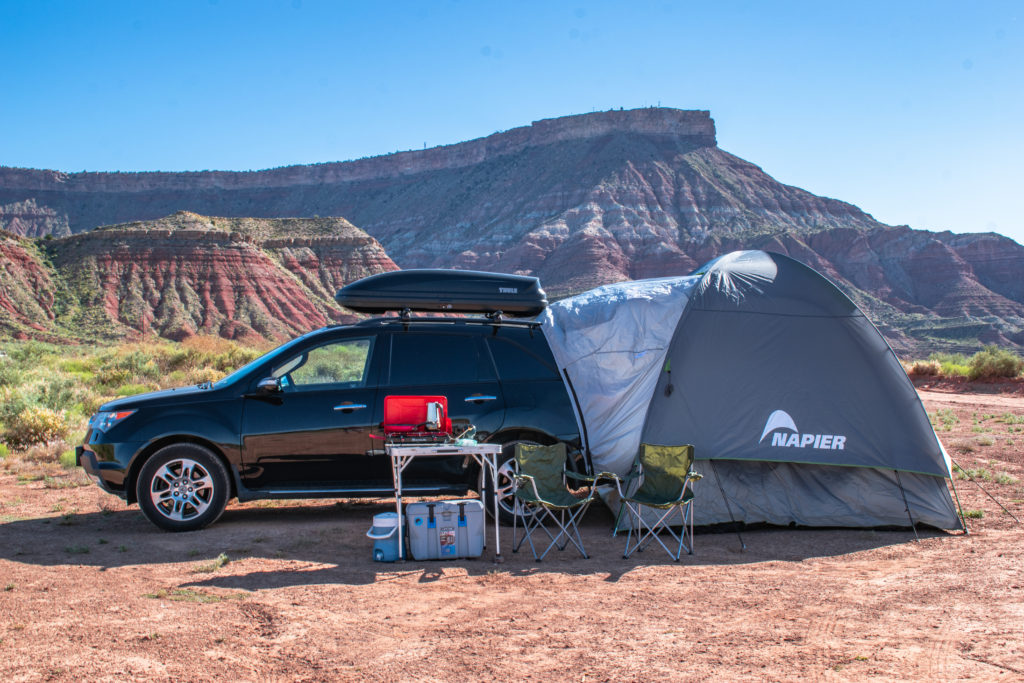
- SUV or hatchback tents. Attach to your vehicle to add space and power access. Nice for bad weather days.
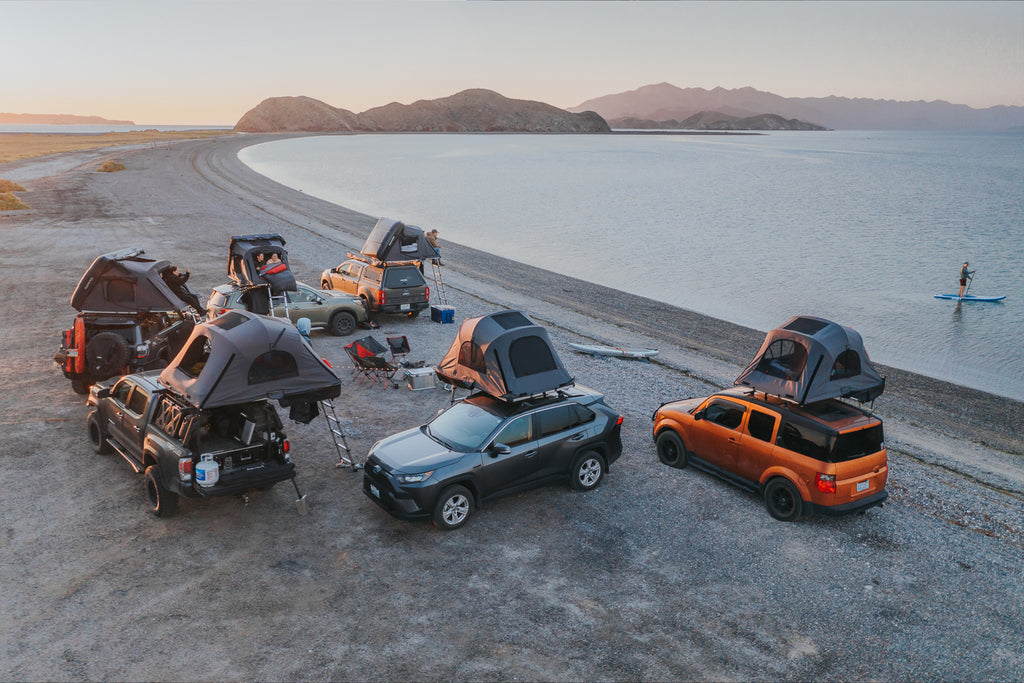
- Rooftop tents. Sleep off the ground, fast pitch once mounted. Heavier, pricier, and affect fuel economy.
If you still wonder What Is The Best Car Camping Tent, among types, is, pick a sturdy dome or tunnel for mixed weather, or a cabin for comfort-first summer trips.

Field Notes: Long-Term Testing and Real-World Tips
I once rode out a fast-moving mountain storm in a Wawona 6 with two kids and a dog. Properly guyed out, it shed hours of rain and stiff gusts without drama. On another trip, a big instant cabin nearby folded when the stakes pulled in sandy soil. The campers had skipped guylines. They spent the night in their car.
Lessons that keep trips easy:
- Always stake corners and use every guyline when the wind is likely.
- Bring a mixed stake kit for dirt, sand, and gravel.
- Use a footprint that is slightly smaller than your floor to prevent pooling.
- Do not store a wet tent. Mildew spreads fast and ruins coatings.
- Shade helps. UV is fabric’s silent killer. Use trees or a tarp canopy.
I also test zippers and seams before each season. A quick lube and a seam check beat a mid-trip failure.
Weather and Seasonality: What Is The Best Car Camping Tent for Rain, Wind, Heat, and Cold?
Rain
- Choose a full-coverage fly that reaches near the ground.
- Look for taped seams and a bathtub-style floor.
- Keep gear in a vestibule to protect the sleeping area.
Wind
- Crossed poles and lower profiles hold best.
- Stake in an X pattern and add guylines to every loop.
- Face the small side into the wind.
Heat
- Big mesh panels and roof vents are your friends.
- Light-colored flies reflect the sun better.
- Awnings or a tarp porch create a cooler living zone.
Cold
- Canvas or a sturdy base-camp dome traps warmth better than a mesh-heavy cabin.
- Close low vents but leave a high vent cracked to cut condensation.
- Use insulated pads; warmth comes from below first.
What Is The Best Car Camping Tent? The best one for you matches these weather needs first, then comfort.

Set Up and Site Selection Made Simple
A calm setup saves the whole weekend.
- Pick high, flat ground away from low spots and obvious runoff paths.
- Align doors away from the wind and toward the view.
- Lay a slightly smaller footprint, then stake corners loosely.
- Build the pole frame, clip the body, then tension stakes.
- Add the fly, stake vestibules, and finish with all guylines.
I use headlamps, a small mallet, and a spare pole sleeve in my door pocket. Plan five extra minutes to secure guylines. That time is cheap insurance when the weather shifts. If you still ask What Is The Best Car Camping Tent? after setup woes, the real answer is the tent you will pitch right every time.
Accessories That Elevate Car Camping Comfort
Small add-ons make a big difference.
- A footprint or groundsheet to protect the floor.
- Doormat and a small rug to keep grit out.
- Two lanterns or string lights for even light.
- A 12V or battery fan for hot nights.
- Extra guylines, reflective cord, and mixed stakes.
- A tarp or canopy to expand shade and rain cover.
- Repair kit with patches, seam sealer, and zipper lube.
These boost comfort and protect your investment, which matters no matter What Is The Best Car Camping Tent? You buy.
Budget and Value: What Is The Best Car Camping Tent Under $200, $400, $800?
Under $200
- Coleman Skydome or Sundome. Simple, good for fair weather and short trips.
- Watch for seam quality and bring extra stakes and sealer.
Around $400
- The North Face Wawona 6, Eureka Copper Canyon LX, or similar.
- Best mix of space, features, and durability for most families.
$600 to $800+
- REI Co-op Base Camp 6, REI Co-op Wonderland 6, Kodiak Canvas, and select rooftop tents.
- Pay more for stronger poles, big vestibules, or canvas durability.
What Is The Best Car Camping Tent? In value terms, the $350 to $500 range is the sweet spot for most people.
Care, Repairs, and Longevity
A few habits can double a tent’s life.
- Dry fully before storage and keep it in a cool, dark place.
- Clean dirt with lukewarm water and a soft sponge. Skip harsh soap.
- Refresh waterproofing with a spray-on after heavy seasons.
- Lubricate zippers and check pulls at home.
- Pack a pole sleeve, duct tape, and patches for fast field fixes.
I mark small pinholes with painter’s tape at camp, then patch at home with proper adhesive. This keeps small issues from growing into leaks next season.
Frequently Asked Questions: What Is The Best Car Camping Tent?
Is a 6-person tent right for a family of four?
Yes, for comfort. It gives room for bags, a crib or dog bed, and rainy-day space.
Are aluminum poles worth it over fiberglass?
Usually yes. Aluminum is stronger, lasts longer, and bends before it snaps in cold.
Do I need a footprint?
It helps protect the floor and keeps water from pooling. Choose one slightly smaller than the tent base.
Are instant tents good in wind and rain?
They can work if well-staked and guyed out. Traditional dome frames still handle wind and heavy rain better.
How waterproof should my tent be?
Look for solid seam taping and a robust floor. A full-coverage fly and good pitch matter more than a single number.
Can I use a rooftop tent for car camping?
Yes, if your vehicle and racks are rated for it. Expect higher cost, added weight, and slower town driving due to aerodynamics.
Conclusion
The best car camping tent balances space, weather safety, and ease. For most campers, The North Face Wawona 6 hits that mark with real-world comfort and reliable protection. If you prioritize storm toughness, consider REI Base Camp 6. If you want a tall living room for summer, the Wonderland 6 is a joy.
Match the tent to your trips, stake and guy it well, and you will sleep better anywhere you park. Ready to choose? Revisit your non-negotiables, set a budget, and pick the model that fits your season and crew. Want more field-tested tips and gear picks?
Subscribe, share your questions, or drop a comment; I’m here to help you camp smarter.