

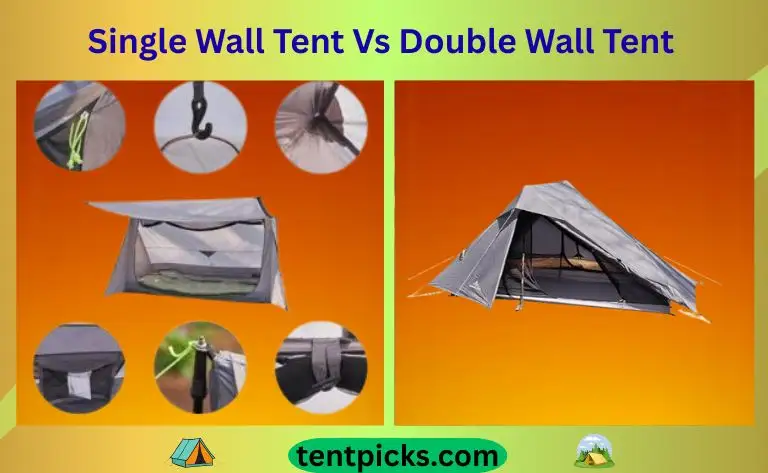
Single Wall Tent Vs Double Wall Tent | Which Best For You?
Compare warmth, weight, and weather protection in Single Wall Tent Vs Double Wall Tent. See when to choose each, plus tips for backpackers and alpinists. Both work well; single walls save weight, double walls beat moisture and storms.
Picture a dawn start on a wet ridge. I’ve used a featherweight single-wall to leap up the trail, and a snug double-wall to sleep dry after a downpour. That’s the core Single Wall Tent Vs Double Wall Tent dilemma: weight vs moisture control. I’ve tested both styles on windy passes and humid forests. Below, I share clear wins, trade-offs, and real tips so you can choose with confidence.

Nature Link Sirius Two Ultralight…
ULTRALIGHT VERSATILE BUSHCRAFT SHELTER: It’s a versatile ultralight tent for minimalist backpackers, hikers, and campers looking for a practical and roomy shelter. The Shelter can work…

Nature Link Altair Two Ultralight…
ULTRALIGHT 2 PERSON BACKPACKING TENT: Altair Two is an ultralight double-layer tent that weighs only 2.73 lbs. Full-coverage removable fly offers maximum protection. This…
Is a single-wall tent good?
A single-wall tent is good—if you value low weight, fast setup, and small pack size. It shines for alpine pushes, thru-hikes, and trips where every ounce matters. It depends on whether nights are damp or cold. Condensation is the tax you often pay for speed and simplicity.
On a shoulder-season loop, my single-wall saved my legs on long climbs. I pitched fast with trekking poles before hail hit. Another trip, I cowboy-camped until a mist rolled in; I dove inside and stayed warm, but woke to a damp inner surface. With a careful site, good airflow, and a small pack, it was still the right call. That’s the Single Wall Tent Vs Double Wall Tent trade I accept on fast missions.
What Makes It Stand Out / Key Features
- Ultralight build that cuts pack weight
- Single-layer fabric for quick, simple pitch
- Often uses trekking poles to save pole weight
- Compact packed size for small packs
- Efficient wind profile and small footprint
What I Like
- Blisteringly fast setup in bad weather
- Noticeable energy savings on big elevation days
- Small footprint fits tight alpine or forest sites
- Minimal parts to manage in the dark
- Great warmth-to-weight in cold, dry nights
What Could Be Better
- Condensation forms more easily in humid or cold conditions
- Less bug separation without a full inner
- Ventilation needs active management and smart pitching
My Recommendation
If you hike light and move fast, pick a single-wall. It’s best value when weight beats comfort, and you can manage moisture.
| Best For | Why |
|---|---|
| Thru-hikers and alpinists | Lowest weight and quick pitch |
| Short, fast weekends | Less gear, more miles |
| Cold, dry climates | Reduced condensation risk |
Is a Double-Wall Tent Good?
Yes, a double-wall tent is good, especially if you camp where humidity, rain, or bugs are common. It offers a separate inner and rainfly. That gap helps control condensation, boosts comfort, and gives more versatile venting. It weighs more and packs larger, but the sleep quality can be worth it.
On a stormy spring trip, my double-wall felt like a bunker. Rain hammered all night, yet the inner stayed dry to the touch. I brewed coffee in the vestibule and never rushed the morning.
At another humid summer camp, I opened the top vents and doors under the fly. Airflow kept dripping off the mesh. In the Single Wall Tent Vs Double Wall Tent debate, this is my pick for wet forests and long basecamps.
What Makes It Stand Out / Key Features
- Two-wall design (inner + fly) to fight condensation
- Vestibules for muddy gear and cooking shelter
- Better bug protection with a full mesh inner
- Flexible venting options for all seasons
- Stable structure in the wind and all-night rain
What I Like
- Dry sleeping surface even in heavy rain
- Roomier feel and better livability
- More forgiving site selection
- Less moisture on bags and jackets
- Easier to share with a partner
What Could Be Better
- Heavier and bulkier in the pack
- Slower pitch, more parts to manage
- It can be overkill for quick, dry, solo missions
My Recommendation
If comfort, dryness, and bug control matter most, pick a double-wall. It’s ideal for wet trips and longer stays.
| Best For | Why |
|---|---|
| Rainy or humid climates | Superior condensation control |
| Couples or new campers | More comfort and space |
| Basecamps and longer trips | Better livability and storage |
Single Wall Tent Vs Double Wall Tent: Side-by-Side Test
Here’s how they stack up in real use. I’ve camped with both in wind, rain, and cold. This Single Wall Tent Vs Double Wall Tent comparison highlights where each wins.
Weight & Packed Size: Which Is Lighter?
Weight matters on big climbs. Packed size decides your backpack volume.
| Aspect | Single Wall | Double Wall |
|---|---|---|
| Typical weight (2P) | Lighter by 8–20 oz | Heavier |
| Packed volume | Smaller | Larger |
| Poles | Often trekking poles | Dedicated poles |
| Trail energy | Less fatigue | More load |
Rating: Single Wall – 9/10 | Double Wall – 7/10
“Edge: Single-wall, thanks to the best weight-to-comfort trade for fast travel.”
Weather Protection: Which Handles Storms Better?
Storms test the structure and fly coverage.
| Aspect | Single Wall | Double Wall |
|---|---|---|
| Rain performance | Good fabric, watch drips | Excellent, inner stays drier |
| Wind stability | Good with solid pitch | Very good, robust frames |
| Vestibule shelter | Often smaller | Larger, safer cooking zone |
| Splashback | More likely | Less likely |
Rating: Single Wall – 7/10 | Double Wall – 9/10
“Edge: Double-wall, for superior wet-weather and all-night storm confidence.”
Condensation & Ventilation: Which Stays Drier Inside?
Breath meets dew point. Design matters.
| Aspect | Single Wall | Double Wall |
|---|---|---|
| Condensation risk | Higher | Lower |
| Vent options | Good but hands-on | Multiple vents, mesh inner |
| Drip on sleepers | More common | Rare |
| Moisture recovery | Needs airing | Dryer inner overnight |
Rating: Single Wall – 6/10 | Double Wall – 9/10
“Edge: Double-wall, due to the inner-fly gap that limits interior wet-out.”
Setup & Pitch Flexibility: Which Is Faster?
Speed helps when the weather turns fast.
| Aspect | Single Wall | Double Wall |
|---|---|---|
| Pitch time | Very fast | Moderate |
| Parts to manage | Fewer | More (inner + fly + poles) |
| Tight-site setup | Easier | Needs more space |
| Weather-safe pitching | Good | Great if fly-first option |
Rating: Single Wall – 9/10 | Double Wall – 8/10
“Edge: Single-wall, for sheer speed and simplicity at the campsite.”
Interior Space & Livability: Which Feels Roomier?
Comfort counts on long trips and bad-weather days.
| Aspect | Single Wall | Double Wall |
|---|---|---|
| Sit-up headroom | Good in some designs | Often better shaping |
| Vestibule storage | Smaller | Larger |
| Bug isolation | Limited without inner | Excellent with full mesh |
| All-night comfort | Fair to good | Very good |
Rating: Single Wall – 7/10 | Double Wall – 9/10
“Edge: Double-wall, thanks to vestibules and a drier, calmer inner.”
Durability & Maintenance: Which Lasts Longer?
Material weights and care change lifespan.
| Aspect | Single Wall | Double Wall |
|---|---|---|
| Fabric robustness | Lighter, needs care | Heavier, more robust |
| UV and abrasion | More sensitive | Handles abuse better |
| Repairability | Simple patches | Parts replaceable |
| Lifespan | Moderate with care | Longer on average |
Rating: Single Wall – 7/10 | Double Wall – 8/10
“Edge: Double-wall, for tougher fabrics and modular parts.”
Cold, Snow, and Shoulder Seasons: Which Copes Better?
Cold air and frost reveal design limits.
| Aspect | Single Wall | Double Wall |
|---|---|---|
| Frost formation | More likely inside | Less on the inner mesh |
| Snow shedding | Good if steep walls | Good; stronger poles help |
| Warmth feel | Good for weight | Better draft control |
| Morning dry-out | Slower | Faster inner dryness |
Rating: Single Wall – 7/10 | Double Wall – 8/10
“Edge: Double-wall, for reduced frost drip and better draft control.”
Value for Money: Which Gives More for Your Budget?
Value blends price, performance, and use case.
| Aspect | Single Wall | Double Wall |
|---|---|---|
| Cost per ounce saved | High value for weight weenies | Lower value if you prioritize weight |
| All-weather comfort | Good in dry climates | Great in mixed weather |
| Longevity | Moderate | Often higher |
| Resale and versatility | Niche appeal | Broad appeal |
Rating: Single Wall – 8/10 | Double Wall – 8.5/10
“Edge: Double-wall for most users; single-wall for ultralight specialists.”
Final Verdict: Which Should You Buy?
Pick single-wall if weight dominates your plan. It’s ideal for fastpacking, alpine pushes, and dry climates. Expect to manage condensation and pitch sites with airflow. In the Single Wall Tent Vs Double Wall Tent debate, this is the speed tool.
Pick double-wall if you want comfort and dry sleep in all seasons. It’s better in the rain, humidity, and with partners. For most campers, the double-wall wins the Single Wall Tent Vs Double Wall Tent choice on balance.
FAQs of Single-Wall Tent Vs Double Wall Tent
What is the main difference between Single Wall Tent Vs Double Wall Tent?
A single-wall uses one fabric layer. A double-wall has an inner plus a fly. The gap in double-walls reduces condensation and boosts comfort.
Which is better for rain in a Single Wall Tent Vs Double Wall Tent?
Double-wall. The inner stays dry even when the fly wets out. You also get larger vestibules for gear.
Is a single-wall worth it for weekend trips?
Yes, if you chase miles and pack light. In the Single Wall Tent Vs Double Wall Tent choice, single-wall saves weight and time for short, fast trips.
Which is warmer: Single Wall Tent Vs Double Wall Tent?
Double-wall often feels warmer due to less draft and moisture on the inside. Single-wall can feel warm for its weight, but it manages condensation.
Can I reduce condensation in a single-wall?
Yes. Pitch with airflow, vent high and low, avoid low spots, keep wet gear outside, and wipe walls in the morning. That narrows the Single Wall Tent Vs Double Wall Tent gap.

4 Comments