


What Do They Mean By A 4 Season Tent? | Complete Guide
Get the facts on materials, poles, and snow-load design. What Do They Mean By A 4 Season Tent? Practical tips for choosing gear that thrives in winter. A 4-season tent is built to handle winter snow, high wind, and cold. If you have wondered what they mean by a 4-season tent, you are in the right place.
I have guided winter trips and spent long nights in whiteouts, and I have learned what separates true winter-ready shelters from fair-weather models. This guide explains a 4-season tent in plain language, when you need one, and how to choose the right model for your trips.

What a 4 Season Tent Actually Is
A 4-season tent is a shelter designed for all seasons, but it is optimized for winter. It resists strong wind, holds snow load, and blocks spindrift. It favors strength and protection over low weight and summer airflow.
There is no single global standard for season ratings. Brands use the term 4-season tent to signal cold-weather performance. Look for proof in the design, not in the label. Many also call these mountaineering or expedition tents.
You will see two main builds. Double-wall 4-season tents use a solid inner plus a full-coverage fly for warmth and less condensation. Single-wall 4 season tents use a breathable, waterproof fabric to save weight for alpine climbs. Each style has trade-offs.
A 4-season tent can be used year-round. But it may feel hot and stuffy in mid-summer heat. It shines in snow, wind, and storms.

Key Design Features That Define a 4 Season Tent
Certain traits set a true 4-season tent apart from a 3-season model. These details matter when the weather turns.
Key structure and materials
- Strong pole architecture with multiple crossing points for rigidity. Geodesic or semi-geodesic domes spread wind and snow loads.
- High-grade aluminum poles with larger diameters and quality hubs. Many use DAC or similar premium alloys.
- Heavier, tighter-weave fabrics with higher denier for tear resistance. Fly and floor coatings are beefier for water pressure and abrasion.
Weather protection and stability
- Full-coverage rainfly that reaches near the ground to block drafts and spindrift.
- Solid inner walls with minimal mesh to retain heat and stop blowing snow.
- More guy-out points with reinforced patches. Strong guylines, tensioners, and ample stakes included.
- Roof shapes that shed snow without sagging. Ridge lines keep panels taut.
Ventilation and livability
- Snow-proof vents placed high and low for airflow without drifts.
- Vestibules sized for gear management. Some 4-season tents include two doors to reduce snow tracking.
- Single-wall models rely on breathable membranes and smart vent placement.
Practical numbers to check
- Fly hydrostatic head often 1500–3000 mm or more.
- Floor hydrostatic head often 3000–10,000 mm.
- Packed weight will be higher than a 3-season tent of the same size.
These features work together. In short, a 4-season tent trades a bit of weight for a big gain in strength, stability, and winter comfort.

When You Should Choose a 4 Season Tent
Pick a 4-season tent when conditions demand stout shelter, not just rain protection.
Good use cases
- Winter camping with frequent storms or heavy snowfall.
- Above-treeline or alpine terrain with strong, shifting winds.
- Glacier travel, high passes, or exposed ridges.
- Cold, shoulder-season trips where wet snow and sleet are likely.
When you may not need one
- Mild winter nights below treeline with light wind and no expected snow load.
- Hot, humid summers where airflow is the top priority.
- Fast-and-light trips where you can time weather windows.
A 4-season tent is about risk management. It buys you a safety margin when the wind howls and the snow piles up.

Pros and Cons Compared to 3 Season Tents
A 4 season tent is not simply “better.” It is built for a different job. Here is how it stacks up.
Benefits of a 4 season tent
- Stability in strong wind due to better pole geometry and more guylines.
- Protection from spindrift and drafts thanks to full fabric inners and ground-hugging flies.
- Better snow load handling with stronger frames and tighter canopies.
Limitations to consider
- Heavier and bulkier than a 3-season tent of similar size.
- Warmer interior in summer, with more condensation risk if vents are closed.
- Higher cost due to premium poles, fabrics, and reinforcements.
In deep winter, the extra weight is worth it. In July heat, a 3 season tent may feel far more comfortable.
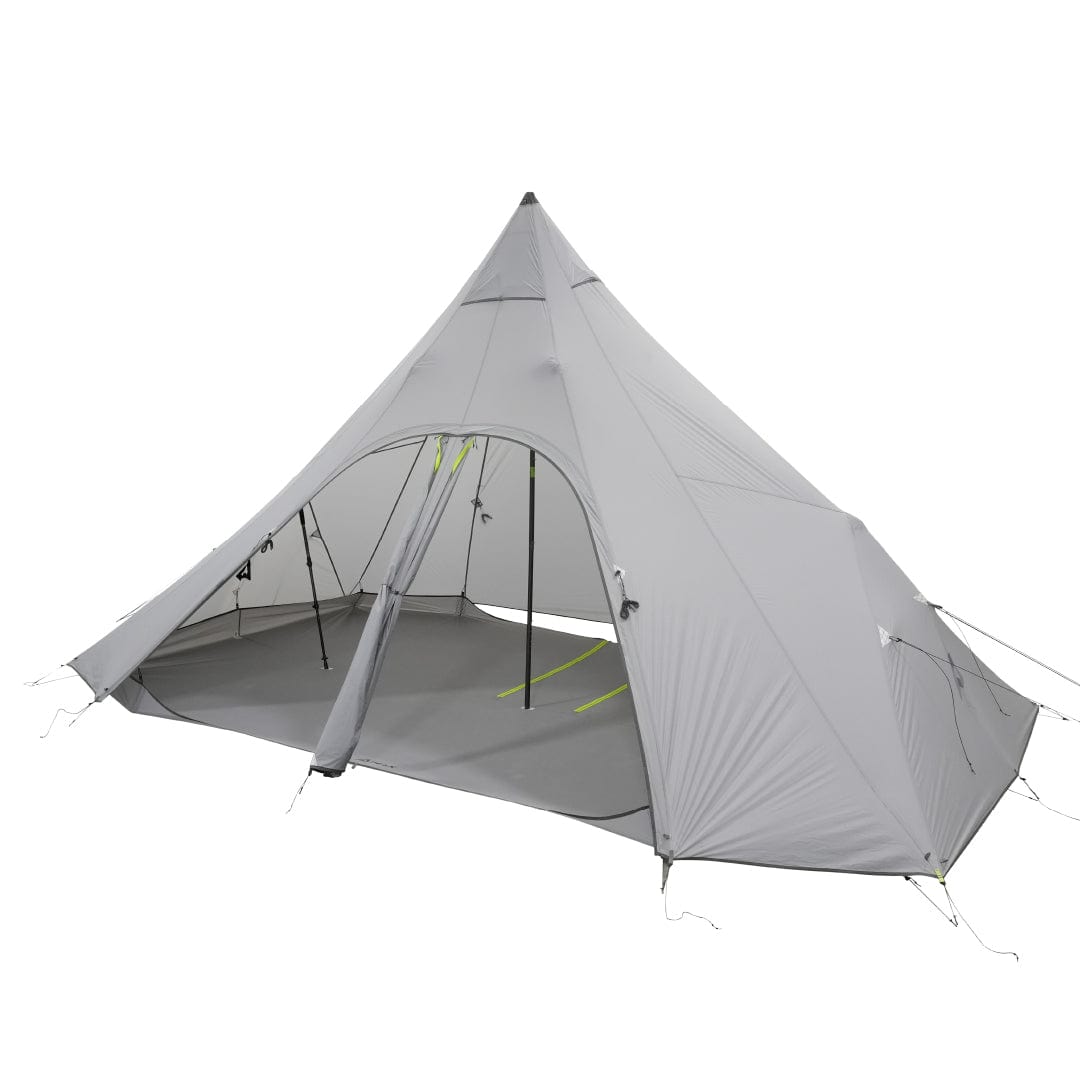
How to Evaluate and Shop for a True 4 Season Tent
Choosing the right 4 season tent means checking more than the product name. Match the shelter to your terrain, weather, and style.
Fit and layout
- Size up for winter. Bulky sleeping bags, pads, and layers eat floor space.
- Look for tall enough walls to sit up and manage gear in bad weather.
- Two doors and vestibules prevent crawl-overs and ease snow management.
Structure and materials
- Prefer multiple crossing poles and robust hubs. Inspect attachment points and reinforcements.
- Check fabric specs. Higher denier and strong coatings last longer under stress.
- Evaluate guy-out placement. More points at the right spots add real stability.
Weather and airflow
- Demand a full-coverage fly with protected vents you can adjust with gloves.
- For single-wall options, confirm fabric breathability and vent design.
- Seek snow flaps or vestibule designs that block drift, where relevant.
Ease of use in the cold
- Can you pitch it with gloves on? Color-coded poles and clips help.
- Are zipper pulls large and snag-free?
- Do you get a full set of sturdy stakes plus cord for deadman anchors?
Budget and value
- Expect to pay more for a 4-season tent. Build quality drives price.
- Buy once, cry once is fair here. A reliable 4-season tent lasts many winters.
- If weight is a key factor, compare strong but lighter single-wall models.
Testing before a big trip helps. Pitch in the yard, in wind if possible, and learn the guyline plan until it is muscle memory.

Real-World Setup and Use Tips From the Field
I have ridden out a 45 mph night on a high ridge where a 3-season tent would have folded. A well-pitched 4-season tent turned that storm from a crisis into a loud but safe sleep. Here are habits that help.
Pitch and orientation
- Face a lower-profile side into the wind. Keep doors on the leeward side.
- Use all guy-out points from the start. Do not wait for the wind to rise.
- Tighten again after the fabric cools and shrinks. Retension before bed.
Anchors in snow
- Use deadman anchors with skis, poles, or buried stakes tied off with loops.
- Pack snow hard and let it sinter for 10–15 minutes before final tension.
- Bring extra cord. Long guylines reach better anchor spots.
Condensation control
- Crack high and low vents, even in a storm. A little airflow saves your bag.
- Avoid blocking vents with gear or snow. Keep paths open and clear.
- In single-wall tents, wipe frost in the morning before the sun melts it.
Living smart
- Do not cook inside the tent body. Use the vestibule with big vents open.
- Knock off snow build-up during storms to protect the poles.
- Keep a headlamp, knife, and repair sleeve within arm’s reach at night.
Mistakes to avoid
- Burying the fly edge in snow all around. Leave some airflow.
- Skipping guylines at first pitch. You will regret it at 2 a.m.
- Ignoring forecast wind shifts. Re-orient before dark if needed.
These small choices make your 4-season tent feel like a fortress instead of a rattlebox.

Maintenance, Safety, and Longevity
A 4-season tent is an investment. A little care pays off for years.
Care and storage
- Dry it fully after every trip. Open zips and air both layers.
- Brush off salt, sand, and dirt. Spot-clean with mild soap and water.
- Store loosely in a cool, dry place. Avoid long-term compression.
Waterproofing and fabric life
- Reseal seams if they weep. Refresh DWR on flies as needed.
- Limit UV exposure on long basecamps. Use a fly sheet or shade where possible.
- Inspect pole segments and shock cord. Replace worn parts early.
Repair and readiness
- Pack a pole splint, tape, needle and thread, and zipper lube.
- Mark guyline lengths and knots you prefer, so you can set up fast in the dark.
- Log wind direction and anchor types that worked on your routes.
Safety first
- Never run fuel stoves inside a closed tent. Vent plenty if cooking in a vestibule.
- Keep sharp tools away from taut panels. One slip can end a trip.
- Practice winter exits. Snow berms and drifting can block doors overnight.
Treat your 4-season tent well, and it will treat you well when the weather is at its worst.

Frequently Asked Questions of What Do They Mean By A 4 Season Tent?
Is a 4 season tent actually warmer than a 3 season tent?
Yes, because it blocks drafts and uses less mesh, so it traps more heat. The structure also reduces convective heat loss in wind.
Can I use a 4 season tent in summer?
You can, but it may feel hot and stuffy in warm weather. Open all vents and doors for airflow, or choose a 3 season tent for hot trips.
What makes a tent a true 4-season tent?
Stronger poles, full fly coverage, reinforced guy-outs, and solid inner walls define it. The design resists snow load, wind, and spindrift.
Are 4-season tents waterproof?
They use durable fabrics and coatings with high hydrostatic head ratings. Good pitching and site choice still matter to prevent pooling.
Single-wall or double-wall for winter camping?
Double-wall tents manage condensation better and feel warmer. Single-wall tents are lighter and simpler but need careful venting.
How much wind can a 4-season tent handle?
It varies by model and pitch quality. Well-designed 4-season tents can ride out strong winds when fully guyed and correctly oriented.
Do I need a footprint with a 4-season tent?
A footprint protects the floor from abrasion and ice. It also adds a thin layer of insulation and can keep meltwater at bay.
Conclusion
A 4-season tent is a purpose-built shelter for winter, wind, and snow. It swaps low weight and open mesh for strength, coverage, and control of drafts and spindrift. When the forecast looks ugly, that trade pays off.
Choose based on your terrain, wind exposure, and trip length. Test at home, learn your guyline plan, and refine your venting routine. If you camp where storms find you, invest in a 4-season tent and master it before the big trip.
Ready to go deeper? Explore our other winter camping guides, compare 4-season tent options, and share your questions or field lessons in the comments.


3 Comments