
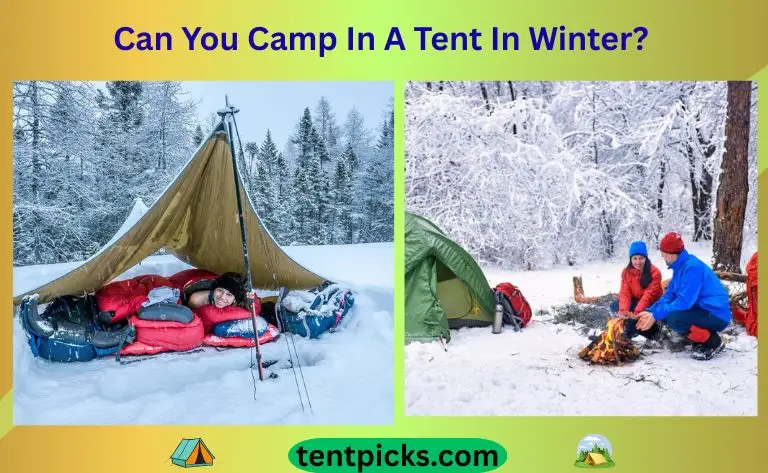
Can You Camp In A Tent In Winter? | 2026 Top Expert Guide
Can You Camp In A Tent In Winter? Get essential gear, setup tips, and safety advice to stay warm and comfy on your next cold-weather adventure. Yes, you can camp in a tent in winter if you prepare well. Winter tent camping can be safe, warm, and fun with the right plan. As a cold-weather camper and trip leader, I’ve learned what works when the mercury drops.
This guide explains Can You Camp In A Tent In Winter? with clear steps, proven gear tips, and hard-won lessons so you can go from idea to a successful overnight in the snow.
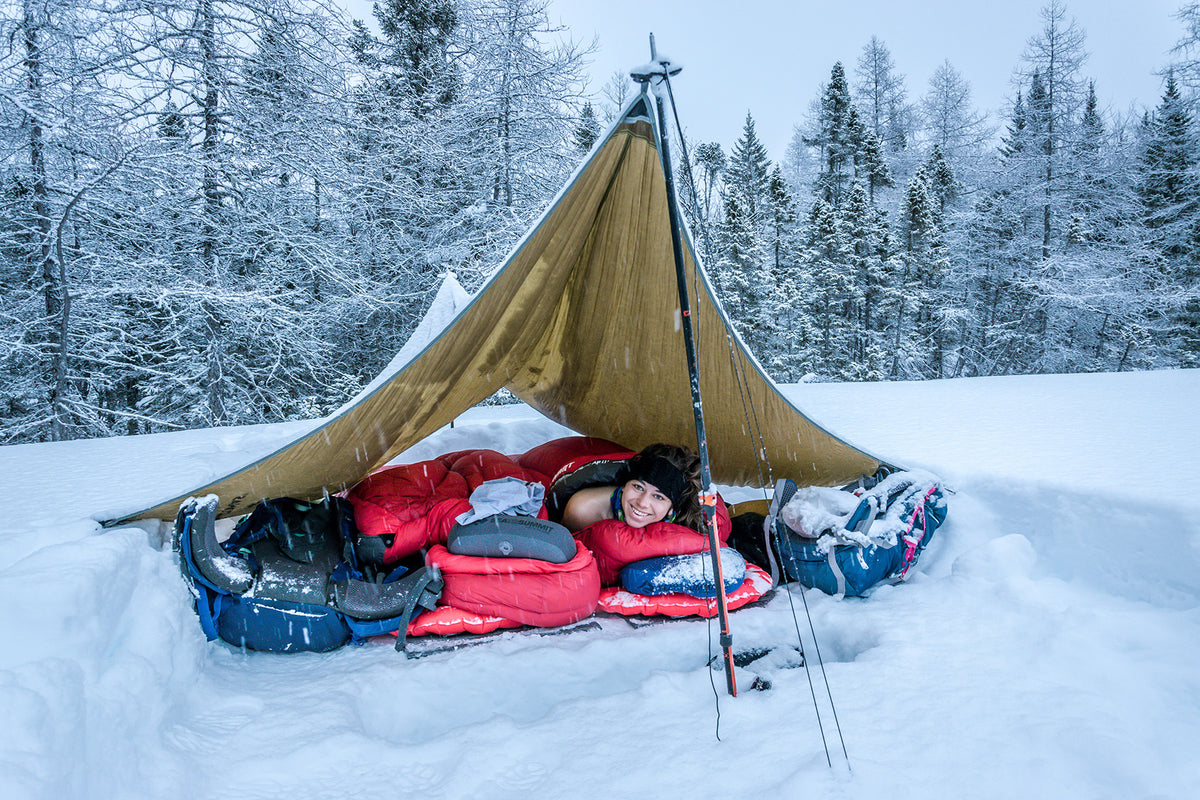
Source: seatosummit.com
What Winter Tent Camping Really Means
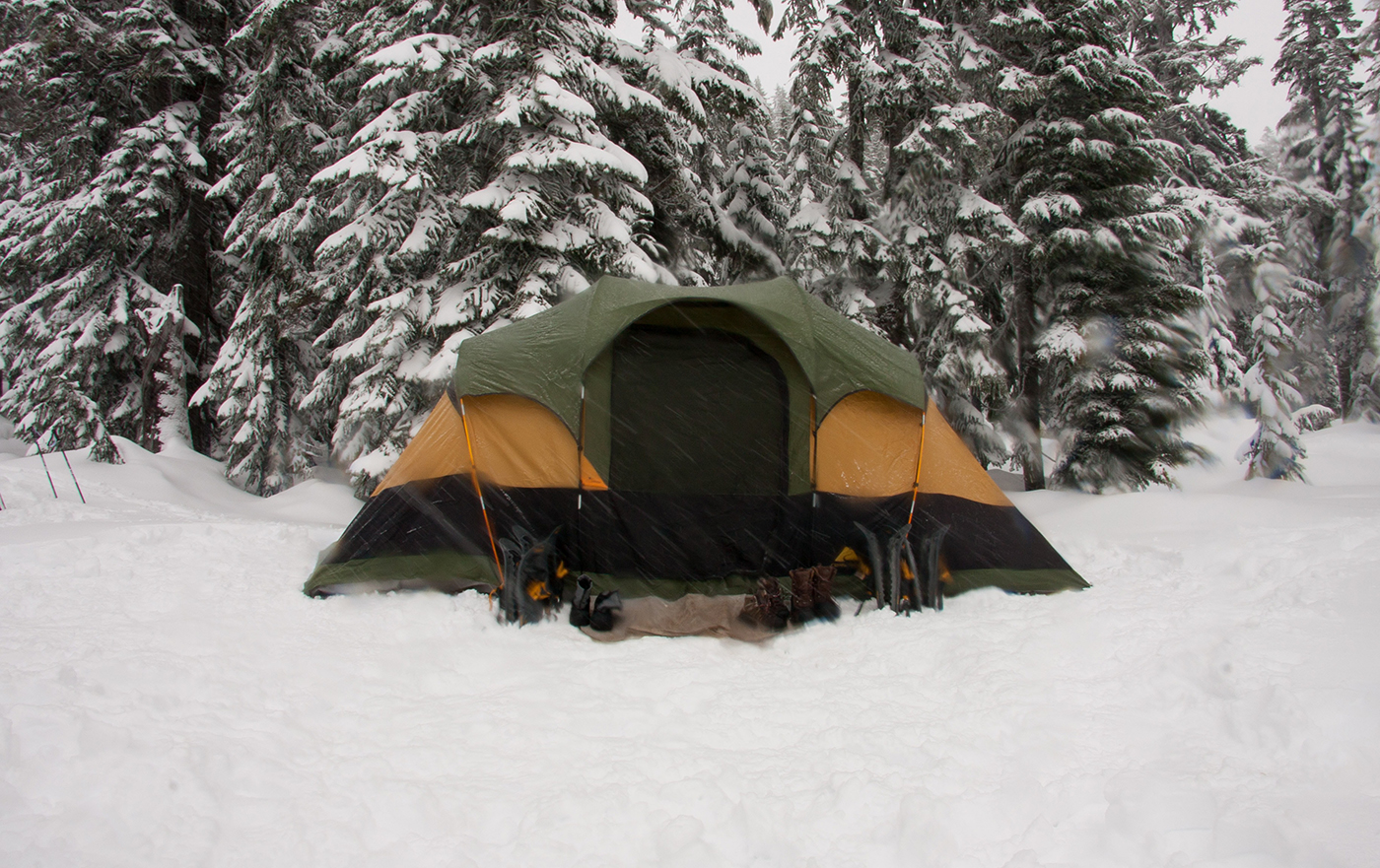
Can You Camp In A Tent In Winter? Yes, but it is a different style of trip. You deal with cold, wind, short days, and snow. Your camp setup, food, and timing matter more than in summer.
Winter tents, sleep systems, and clothing form your life support. A 3-season tent can work below treeline in calm weather. A 4-season tent or a robust single-wall shelter shines in wind, snow load, and harsh storms. Your sleep system must match the cold. Ratings are a guide, not a promise, so add margin.
My first February overnight taught me this fast. I brought a light pad and a “good enough” bag. At 2 a.m., I learned the ground steals heat. I fixed it the next trip with a thicker foam pad under my inflatable and slept great.
Source: outdoors.org
Essential Gear for Safe Winter Tent Camping
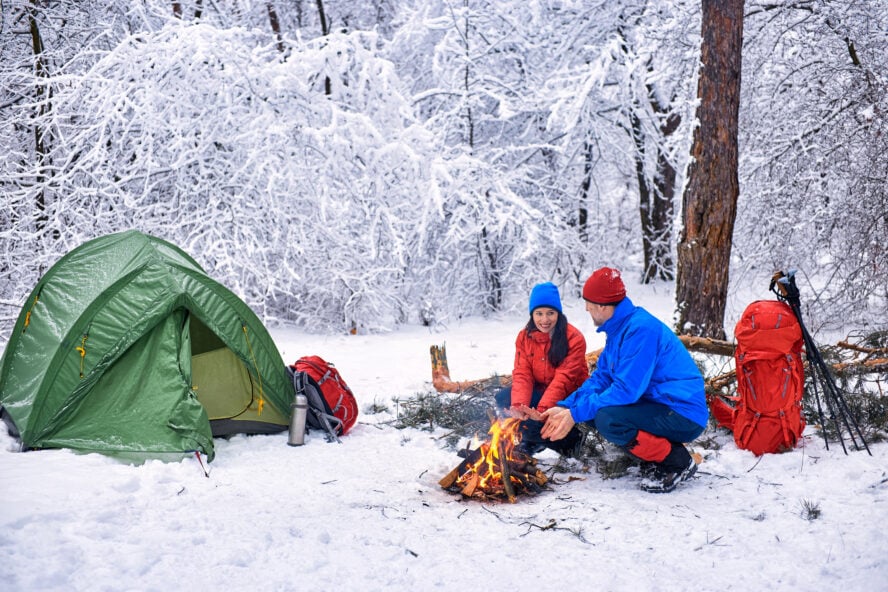
If you ask Can You Camp In A Tent In Winter?, the answer depends on gear and skill. Build a simple, reliable kit that keeps you warm, dry, and able to cook and melt snow.
Core systems
- Shelter: 4-season tent or sturdy 3-season with strong poles, many guy-out points, and a solid vestibule.
- Sleep: Sleeping bag or quilt rated well below forecast lows. Use a warm liner to add 5–10°F.
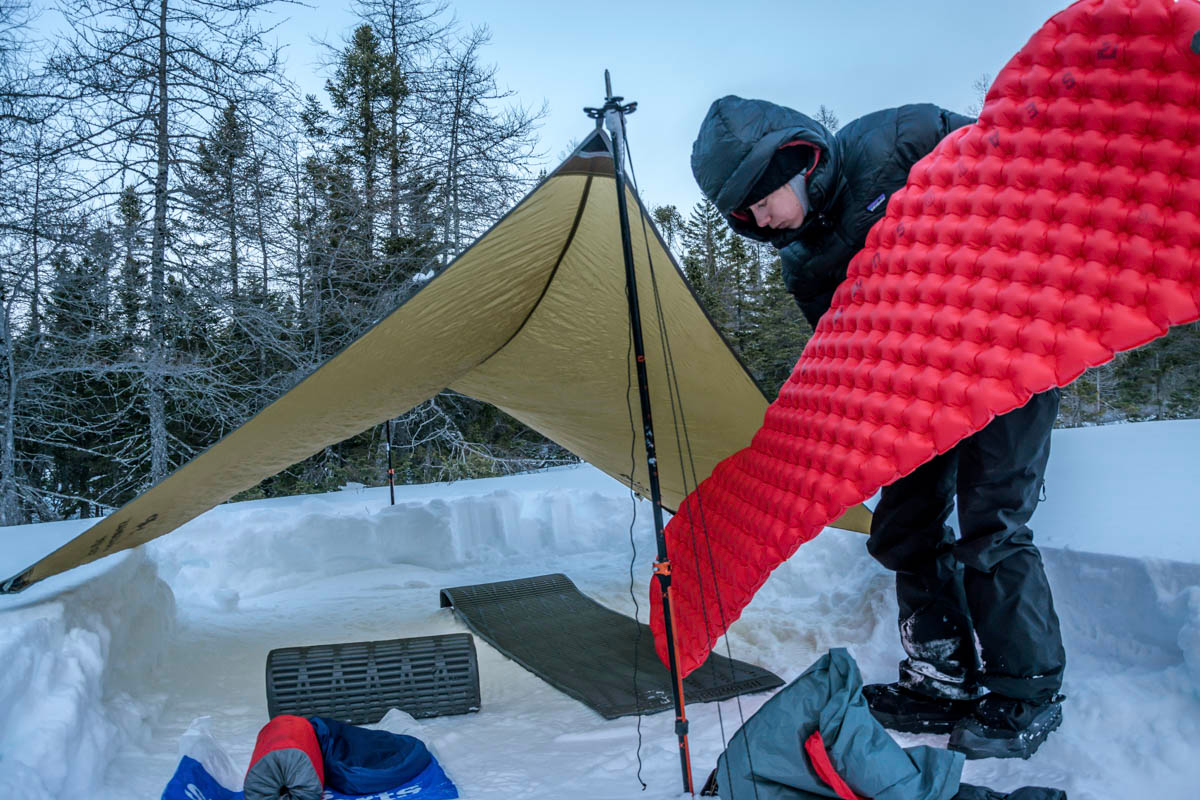
- Insulation from ground: Two pads. One closed-cell foam plus an insulated inflatable (R-value 5+).
- Clothing: Layer system with wicking base, warm mid-layer, and a big puffy jacket. Add insulated pants for camp.
- Hands and feet: Warm socks, vapor barrier or liner socks, waterproof boots, mitts plus light gloves, spare gloves.
- Head and face: Warm hat, buff or balaclava, ski goggles for wind and blowing snow.
Cooking and water
- Stove: Liquid-fuel or a winter-rated canister stove with a windscreen and base.
- Fuel: Extra for melting snow. Plan about 8–12 ounces of white gas per person per day, more in deep cold.
- Pot kit: Wide pot with lid and heat exchanger if possible.
- Water: Hard bottles kept upside down so ice forms at the bottom. Insulated sleeves help.
Navigation, light, and safety
- Lighting: Headlamp plus spare batteries stored warm.
- Navigation: Map, compass, GPS or phone with offline maps and a battery bank.
- First aid: Include blister care and frostbite prevention tools.
- Traction: Snowshoes or skis if needed. Microspikes for icy trails.
- Avalanche safety: Beacon, shovel, probe in avalanche terrain, and the training to use them.
Small winners
- Pee bottle and sit pad for comfort.
- Repair tape, cord, spare stakes, and an extra lighter.
Source: 57hours.com
Site Selection, Setup, and Shelter Strategy
Can You Camp In A Tent In Winter? Yes, if you pick a smart site and pitch well. Good site choice can boost comfort by 10–20°F due to wind shelter and cold-air patterns.
How to pick a site
- Avoid avalanche paths, cornices, and heavy tree load.
- Seek wind breaks like small stands of trees or terrain rolls.
- Stay off valley bottoms where cold air pools.
- Check overhead hazards like dead branches or ice.
How to set your tent
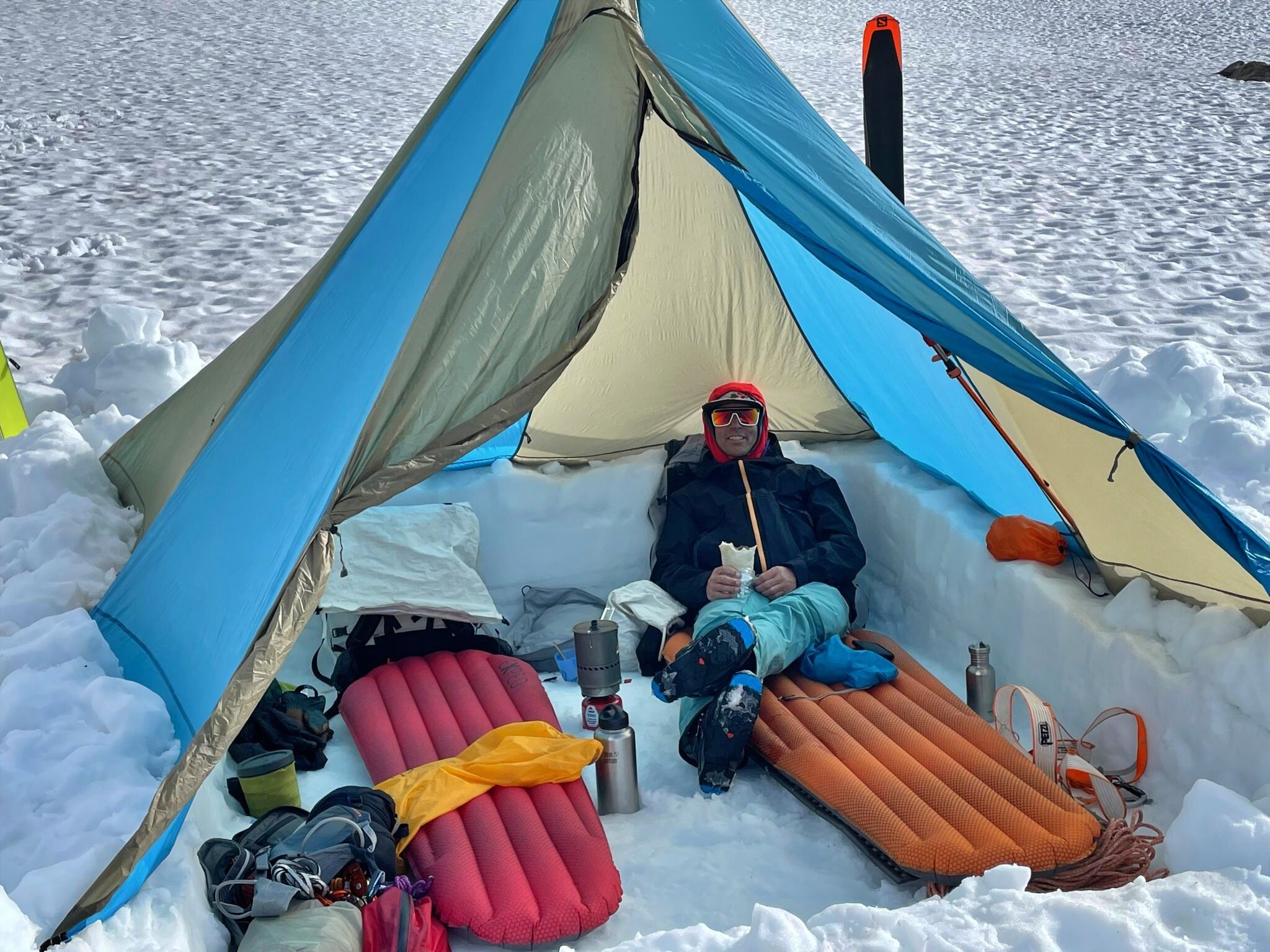
- Pack down a platform with snowshoes. Let it set for 10–20 minutes.
- Build a small snow wall to block wind on the windward side.
- Use deadman anchors: Bury sticks, stakes, or stuff sacks in the snow.
- Guy out all key points. Taut lines keep fabric stable and reduce noise.
- Dig a small cold well in the vestibule for boots and cooking space.
Personal tip: I always set guylines before dark and double-check knots. A 2 a.m. wind gust is not the time to learn a stake pulled out.
Source: alpinesavvy.com
Staying Warm: Layering, Sleep, and Moisture Control
If you wonder Can You Camp In A Tent In Winter?, think heat budgeting. You generate heat by moving and eating. You keep it by trapping warm air and staying dry.
Layering basics
- Hike cool to avoid sweat. Add layers the moment you stop.
- Use a big puffy the second you reach camp. Do not wait.
- Swap to dry base layers before bed.
Sleep system tactics
- Eat a hot, fatty snack before sleep to fuel warmth.
- Fill a hard bottle with hot water, put it in a sock, and keep it near your core.
- Wear a light beanie and neck gaiter. Keep face exposed to manage moisture.
Manage moisture
- Vent the tent a little to cut frost buildup.
- Keep damp clothes in a breathable bag, not in your bag.
- If very cold, a vapor barrier liner can help, but test this at home first.
Lesson learned: My biggest mistake was over-dressing in the bag. I woke up damp and chilled. Now I sleep in dry, light layers and use the bag to do its job.

Source: alpkit.com
Safety, Risks, and Decision-Making
Can You Camp In A Tent In Winter? You can, but risk rises in cold and wind. Plan with weather data, daylight limits, and a clear exit strategy.
Key risks and controls
- Hypothermia: Early signs are shivering and clumsy moves. Stay fueled, stay dry, and fix cold fast.
- Frostbite: Cover skin in wind. Warm hands and toes often. Loose, warm layers beat tight boots.
- Carbon monoxide: Never run a stove inside a sealed tent. Vent well when cooking in a vestibule.
- Whiteout and navigation: Mark camp with reflective cord. Track bearings as you go.
- Avalanche: If you travel in avalanche terrain, get training, carry beacon/shovel/probe, and read forecasts.
Expert tip: Use turnaround times and stick to them. Most winter incidents happen when teams push beyond their plan. Rescue data and wilderness medicine guidance highlight early, simple fixes. Small choices add up.

Source: wilderlife.nz
Food, Water, and Fire in Winter
Another angle in Can You Camp In A Tent In Winter? is fueling and water. Cold saps energy fast. Eating and drinking keep you warm from the inside out.
Food strategy
- Aim for 3,000–5,000 calories per day, more if hauling a sled.
- Choose foods that melt and rehydrate well. Think ramen, couscous, instant potatoes, and cheese.
- Snack every hour. Nuts, bars, and chocolate are easy wins.
Water strategy
- Melt clean snow in stages. Start with a little liquid water to prevent scorching.
- Store bottles in your bag or in insulated covers.
- Sip often. Thirst drops in cold, but your body still needs water.
Fire notes
- Fires are hard on snow. Use a fire pan where allowed. Follow local rules.
- Stoves are the main winter tool for heat and water. Keep fuel warm and dry.
Source: seatosummit.com
Planning Your First Winter Tent Trip
Can You Camp In A Tent In Winter? Start small and make it a skill-builder. A simple overnight near home can teach more than a week of reading.
Step-by-step plan
- Pick a clear, calm forecast and temps above 10°F for a first trip.
- Go with a partner and share a detailed plan with a contact at home.
- Set up your full camp in the backyard first. Test the stove and sleep system.
- Hike in early. Aim to reach camp 3 hours before sunset.
- Keep mileage short. Focus on camp skills, not distance.
Common mistakes to avoid
- Sweating on the hike in. Pace down and vent early.
- Skipping extra guylines. Wind will find weak points.
- Underestimating fuel needs. Melting snow takes time and energy.
- Not drying boot liners or socks. Freeze-ups are brutal in the morning.
Sample quick checklist
- Shelter: Tent, poles, stakes, extra cord.
- Sleep: Bag, liner, foam pad, inflatable pad.
- Clothing: Dry base set, big puffy, mitts, hat, socks.
- Kitchen: Stove, fuel, lighter, pot, spoon, windscreen.
- Safety: Headlamp, map, first aid, repair kit, emergency bivy.
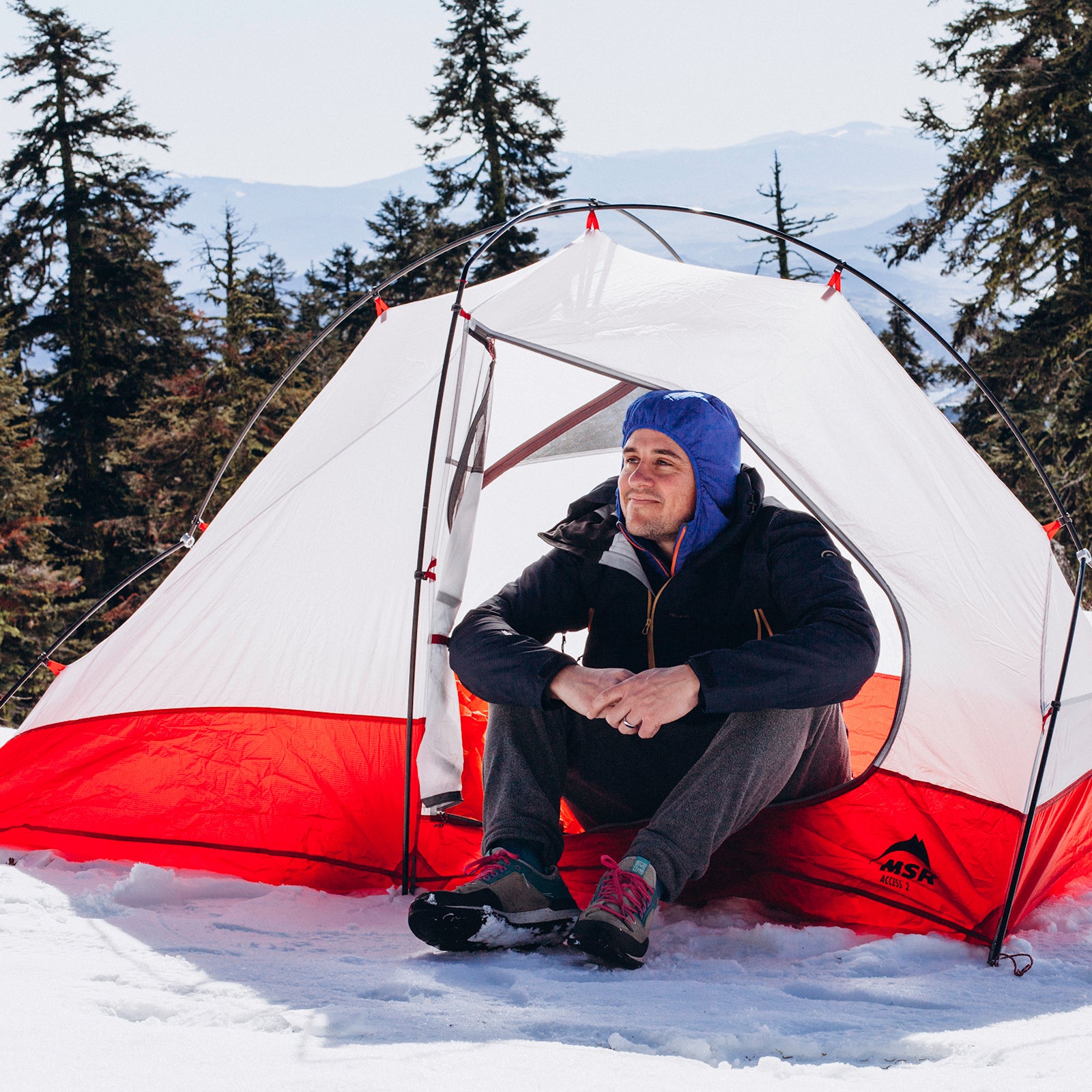
Source: outsideonline.com
Where This Fits In Your Outdoor Year
Can You Camp In A Tent In Winter? It can extend your season and open quiet places. Trails are empty. Views are sharp. Skills you learn in winter improve all your trips.
Good starter destinations
- Forest roads closed to cars but open to foot or ski travel.
- State parks with winter camping loops.
- Sheltered lakes or meadows below treeline.
Skill progression
- Backyard shakedown.
- Short out-and-back in fair weather.
- Two-night trip with a layover day to refine camp craft.
- Add mileage or mild storms as your systems improve.

Source: chocorualake.org
Frequently Asked Questions of Can You Camp In A Tent In Winter?
Is a 3-season tent enough for winter?
It can work below treeline in mild, dry weather with strong guylines. For wind, heavy snow, or long storms, use a 4-season tent.
How cold is too cold for camping in a tent?
It depends on your gear and skill. For most beginners, set a floor around 10–20°F with no strong wind.
What sleeping bag rating should I choose?
Pick a bag rated at least 10–20°F lower than the expected low. Add a warm liner and high R-value pads for safety.
Can I use a canister stove in winter?
Yes, if it is winter-rated and you keep the canister warm. In deep cold, liquid-fuel stoves are more reliable.
How do I prevent condensation inside the tent?
Vent the tent, cook outside the inner canopy, and sleep in dry base layers. Shake frost off fabric in the morning.
Do I need avalanche gear for winter camping?
Only if you travel or camp in avalanche terrain. If you do, carry a beacon, shovel, probe, and have proper training.
What should I eat to stay warm at night?
Eat a hot, fatty snack like cheese or peanut butter before bed. Drink something warm and hydrate well.
Conclusion
Can You Camp In A Tent In Winter? Yes, with a solid plan, the right gear, and steady habits. Choose a safe site, manage moisture, fuel your body, and set hard limits. Practice close to home, then build up when your systems prove themselves.
Winter camping turns quiet nights and bright stars into lasting memories. Take the next step: plan a short overnight, test your kit, and note what to improve. If you found this guide helpful, subscribe for more field-tested tips or share your questions in the comments.