

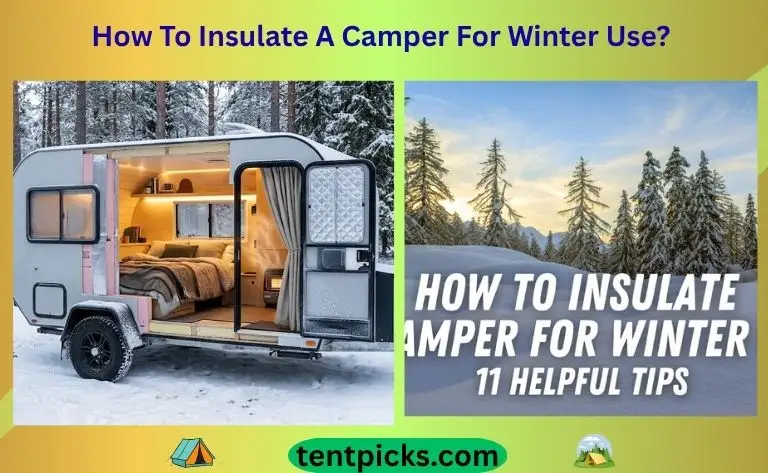
How To Insulate A Camper For Winter Use? | Warmth Tips 2026
Stay toasty in freezing temps with step-by-step tips on how to insulate a camper for winter use: budget fixes, moisture control, and 2026-ready upgrades. Insulate walls, floors, windows, and plumbing; seal air leaks; add heat and moisture control. If you want stress-free winter camping, this guide is for you.
I’ll show you How To Insulate A Camper For Winter Use with a clear, field-tested plan. You will learn what works, what to skip, and how to stay warm, safe, and dry when the mercury drops.
Why Insulation Matters In Winter
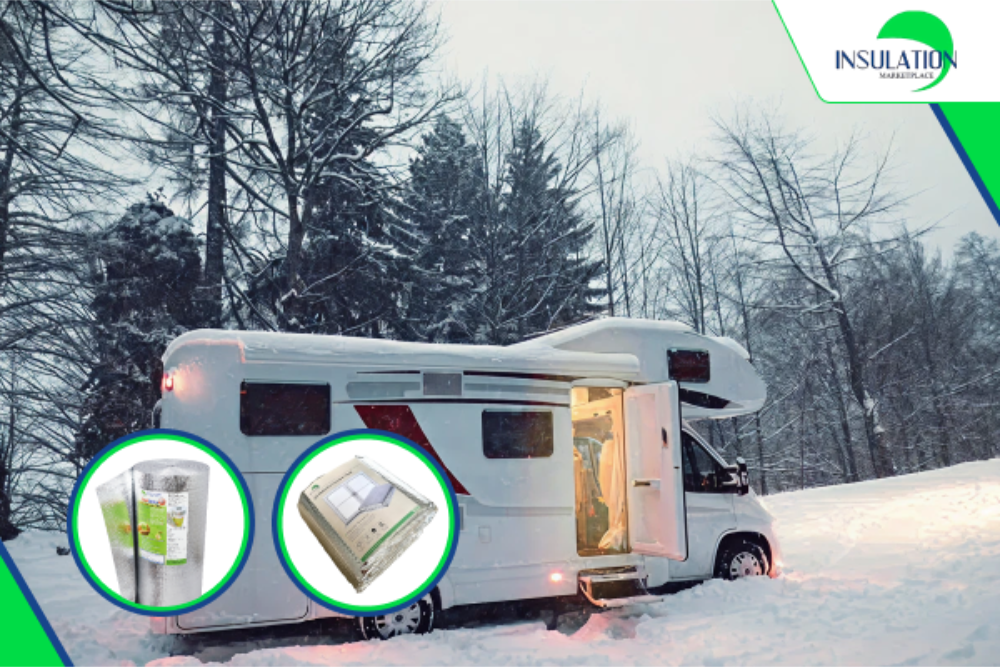
Heat escapes fast through thin RV walls, single-pane windows, and the floor. Cold air sneaks in around doors, slides, and vents. Moist air turns to water on cold surfaces and creates mold risk. That is why a full plan beats one-off fixes.
This guide explains How To Insulate A Camper For Winter Use in a simple way. You will see how to handle heat loss, airflow, moisture, and power. I use proven building science ideas, adapted to small spaces.
From my winters in high country campgrounds, small upgrades made huge gains. A skirt around the rig, thicker floor pads, and window inserts cut fuel use and noise. You can do the same with a weekend of work.

Pre-Winter Inspection And Planning
Start with a clear plan. You will save money and time.
- Map heat loss. Touch walls at dawn. Note cold spots by windows, slides, and the floor.
- Check seals. Look at door gaskets, slide wipers, roof caulk, and hatch latches.
- Inspect the underbelly. Find exposed tanks and lines, gaps, or torn coroplast.
- Test detectors. Carbon monoxide and smoke alarms must work before you add heat.
- Set your goals. Pick a target temp, fuel type, and runtime limits.
If you ask How To Insulate A Camper For Winter Use?, start here. The best insulation plan happens before the first freeze.
Insulating Walls, Ceiling, And Floor
Walls and ceilings
- Use rigid foam board. Polyiso or XPS gives high R-value in thin sheets.
- Add removable foam panels inside cabinets and behind the headboard.
- Do not trap moisture. Leave a small air gap and avoid full plastic wraps.
Floors
- Add interlocking foam tiles or low-pile carpet runners.
- Use foam board cutouts under beds and dinettes. Seal edges with foil tape.
- If safe and allowed, add a thin radiant layer with an air gap. Reflective films need air to work.
Installation tips
- Cut panels snug. Seal edges with foil HVAC tape, not duct tape.
- Avoid spray foam in places you cannot see. It can trap moisture and warp trim.
This step covers the core of How To Insulate A Camper For Winter Use?. Focus on thin spots and keep airflow in mind.

Windows, Doors, And Vents
Windows are your largest source of heat loss.
- Interior storm inserts. Make Plexiglas or polycarbonate panels with magnetic tape. They add a still air layer and cut drafts.
- Thermal curtains. Use thick drapes with magnetic side snaps to close gaps.
- Reflective film. Use Reflectix only with an air gap. Direct contact is less effective in winter.
- Door gaskets. Replace worn seals. Add a door sweep to block floor drafts.
Vents
- Use insulated vent pillows during sleep. Pull them partway by day to let moisture out.
- Add a vent cover outside so you can crack it open in storms.
Repeat checks keep How To Insulate A Camper For Winter Use? on track. Small air gaps around latches can undo all your work.

Underbelly, Tanks, And Plumbing Protection
Frozen tanks end trips. Protect them first.
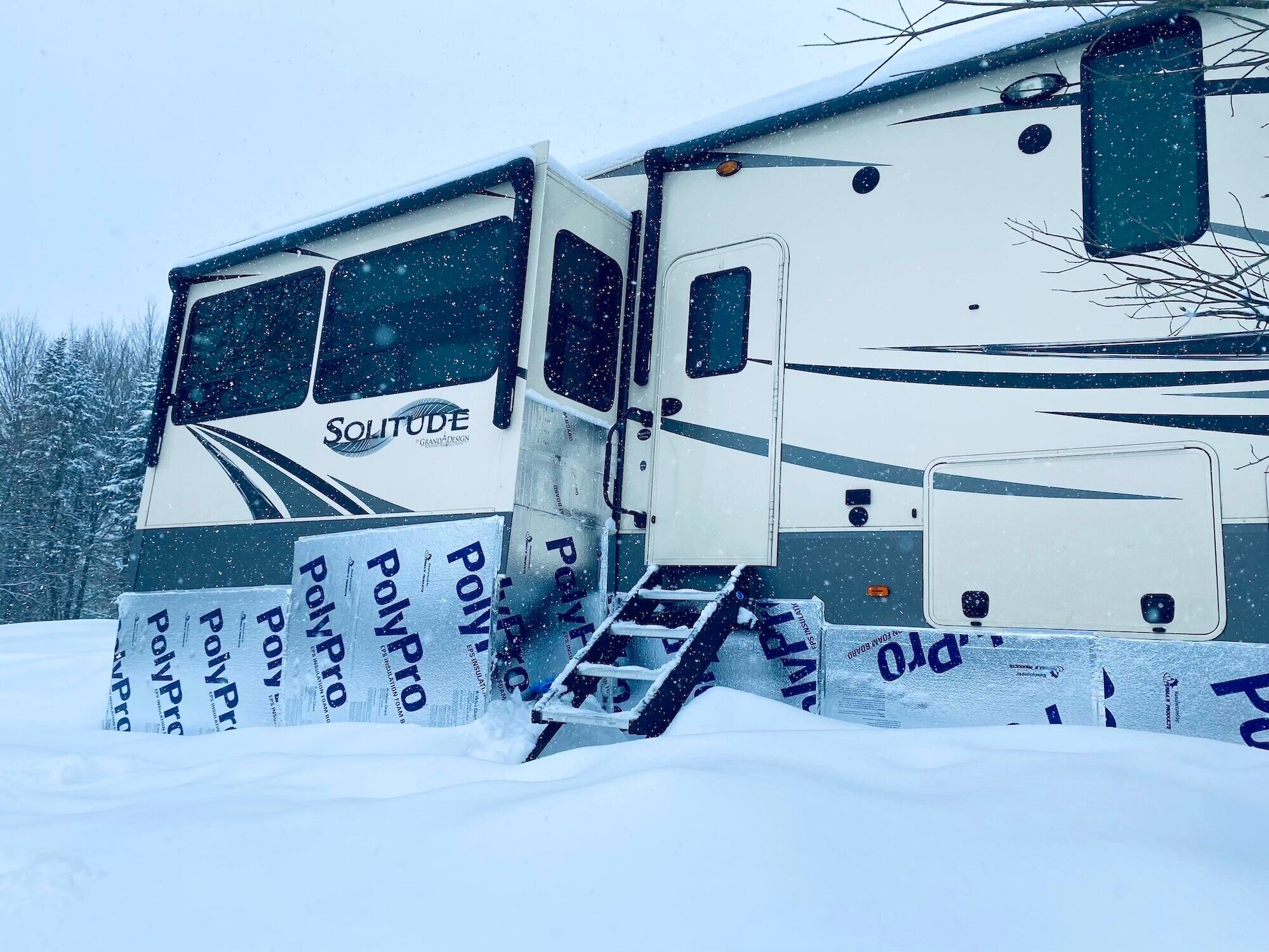
- Skirting. Add rigid foam or vinyl skirting to block wind under the rig. Even DIY foam board skirting can raise floor temps by several degrees.
- Tank heaters. Use 12V or 120V heating pads with thermostats. Insulate lines with foam sleeves.
- Heat tape. Wrap exposed PEX or valves with rated heat tape. Follow the label. Do not cross the tape.
- Water supply. Use a heated hose or fill the fresh tank and stow the hose dry. Keep the sewer hose disconnected until dumping.
When people ask How To Insulate A Camper For Winter Use, I stress skirting plus heat on tanks. It is the most reliable freeze defense.

Seal Air Leaks Without Blocking Ventilation
Air sealing boosts comfort fast.
- Find leaks with an incense stick or thermal camera. Look at corners, slides, and outlets.
- Seal with butyl, silicone, or weatherstripping. Use foam gaskets behind switch plates.
- Keep two vents cracked open to manage moisture. Fresh air is part of the plan.
A smart seal strategy is core to How To Insulate A Camper For Winter Use. Tighten the shell but always leave a path for dry air.

Optimize Your Heating System
You need steady, safe heat with backups.
- Furnace check. Clean the burner and ducts. Verify return air is clear.
- Space heaters. Oil-filled radiators give gentle, even heat. Ceramic heaters warm fast. Use tip-over and overheat protection only.
- Alternative heat. Diesel heaters sip fuel and vent outdoors. Catalytic heaters save power but need venting and CO monitoring.
- Duct tuning. Add small booster fans to move heat to cold zones like the bathroom.
- Thermostat. Use a smart or remote sensor to even out temps.
Part of How To Insulate A Camper For Winter Use? is right-sizing heat to your leak rate. Insulation lowers the load and fuel use.

Control Moisture And Condensation
Warm air holds water. Cold walls make it rain inside.
- Vent rhythm. Crack a roof vent and a window on opposite sides. Keep air moving.
- Dehumidify. Use a small compressor dehumidifier on shore power. Try desiccants in closets.
- Cook and shower hacks. Use lids and run the vent on high for ten minutes.
- Wipe cold bridges. Hit windows and metal frames with a towel each morning.
This is the quiet hero in How To Insulate A Camper For Winter Use?. Dry air feels warmer and protects your rig.
Power, Fuel, And Load Management
Cold weather strains systems. Plan your loads.
- Shore power. Use a 30A or 50A hookup if you can. Balance heater and charger loads.
- Generator. Test cold starts. Carry treated fuel. Mind quiet hours.
- Batteries. Lithium needs warm charging. Keep them inside or in heated bays.
- Propane. Monitor levels. Frost on the tank means heavy draw. Carry a spare.
If you plot How To Insulate A Camper For Winter Use on a budget, match power sources to the coldest nights.
Costs, Materials, And Mistakes To Avoid
Budget picks
- Best value. Foam board, weatherstripping, vent pillows, and thermal curtains.
- Mid-tier. Tank heaters, heated hose, vinyl skirting.
- Premium. Interior storm windows, diesel heater, lithium battery heat.
Common mistakes
- Blocking vents. This traps moisture and can cause CO risk.
- Misusing foil film. Without an air gap, reflective layers do little.
- Over-spraying foam. It can warp panels and hide leaks.
- Ignoring floors. Cold feet kill comfort and morale.
My first winter, I skipped door sweeps and floor mats. The furnace ran nonstop and still felt drafty. Two cheap upgrades fixed most of it. Real wins in How To Insulate A Camper For Winter Use? often cost less than you think.
Safety, Codes, And Warranty Notes
Safety beats speed.
- Install and test CO and smoke detectors. Keep a fire extinguisher handy.
- Follow heater manuals. Vent flame heaters. Keep clearances.
- Check RV manufacturer rules. Some mods can affect warranty or insurance.
- Use proper cords. Use heavy-gauge extension cords for heaters only when needed.
A safe setup is the backbone of How To Insulate A Camper For Winter Use?. Warm, dry, and safe is the full goal.
Frequently Asked Questions about How To Insulate A Camper For Winter Use?
What R-value should I aim for in a camper?
Use the highest you can fit without trapping moisture. Even R-3 to R-7 inside helps a lot in small spaces.
Is Reflectix good for winter?
Yes, if you leave an air gap on one side. Without that gap, it adds little value in cold weather.
How do I stop windows from sweating?
Add interior storm inserts and crack a vent. Run a small dehumidifier and wipe frames each morning.
Can I use a space heater instead of the RV furnace?
Yes, but keep the furnace on low to protect underfloor ducts and tanks. Space heaters warm living areas well on shore power.
Do I need skirting?
Skirting blocks wind and keeps the floor and tanks warmer. It is one of the best upgrades for long cold spells.
How To Insulate A Camper For Winter Use on a Small Budget?
Focus on leaks, windows, and the floor first. Use foam tiles, weatherstripping, and DIY window inserts.
Will heat tape damage PEX?
Not if it is rated for plastic pipes and installed per the label. Do not overlap the tape and secure with approved wraps.
Conclusion
A good winter setup is simple: seal leaks, add smart insulation, protect tanks, vent for dry air, and size your heat. Start with the big wins, then fine-tune weak spots. You will burn less fuel and sleep better.
Use this guide on How To Insulate A Camper For Winter Use as your checklist this week. Pick two tasks today and finish the rest before the first freeze. Want more seasonal tips and gear checklists?
Subscribe and share your winter setup questions in the comments.