


What Is The Best Tent For Camping On A Budget? | Best Picks
Find the best tent for camping on a budget with top value picks, key features to compare, and money-saving tips, so you camp comfortably without overspending. The best tent for camping on a budget is a durable, weatherproof, easy-pitch 3-season dome.
If you want real value without stress, you need a tent that shrugs off rain, sets up fast, and lasts more than one season.
In this guide, I break down what makes the best tent for camping on a budget, share field-tested picks, and show how to save money without risking a wet night or bent poles.
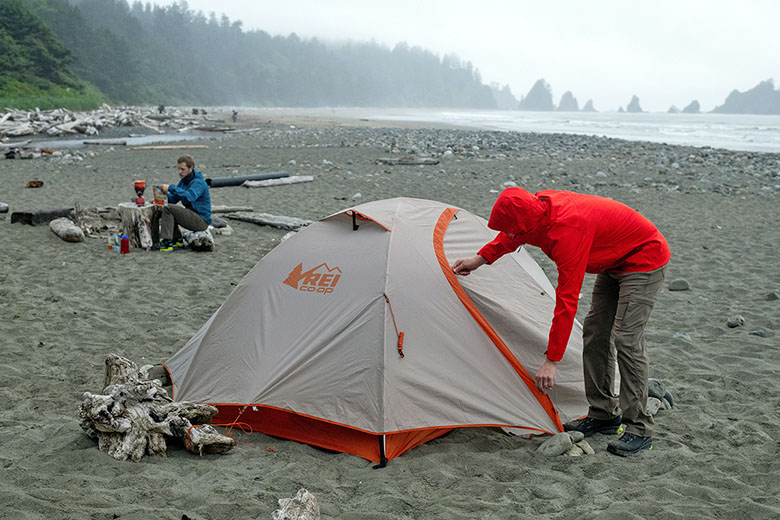
Source: switchbacktravel.com
What makes the best tent for camping on a budget
A great budget tent protects you from rain and wind and does not fight you at setup. Look for these core features.
- Weatherproof build A full-coverage rainfly, taped seams, and a bathtub floor keep you dry.
- Strong poles, aluminum poles beat fiberglass for strength and lifespan. Fiberglass can splinter and crack.
- Floor and fabric: A 66D to 75D floor with a thick coating works well. Denier (D) is fabric thickness.
- Real space, usable floor space, and peak height matter. Check vestibules for gear.
- Ventilation: Large mesh panels and roof vents cut condensation.
- Easy pitch, two or three cross poles with color coding speeds setup.
- Packed size and weight, Car campers can go heavier. Hikers need light and small.
- Warranty and parts. Brands that sell spare poles and stakes save you later.
- Honest capacity Most “4-person” tents fit two adults and gear with comfort.
Use these checks as your filter for the best tent for camping on a budget. A simple dome with a full fly is hard to beat for value and storm safety.

Types of budget tents and who they suit
Different shapes work for different trips. Here is a quick map.
- Dome tents are the best all-around. Stable in wind. Good headroom. Fast setup.
- Cabin tents Tall and roomy for families. Best for car camping. Not ideal in strong winds.
- Tunnel tents, long shape. Great space-to-weight. Needs good staking.
- Pop-up tents, Fast pitch. Best for dry, calm weekends. Weak in high wind and heavy rain.
- Backpacking tents Lighter smaller. Less space. Great for hikers who count ounces.
If you want the best tent for camping on a budget, pick a dome or simple tunnel with a full fly. Skip giant cabins in windy areas unless you camp in calm sites.

Best value picks I trust under real conditions
I have used or tested each style below over the years of trips. Prices and stock change by season and store, so confirm before you buy.
- Coleman Sundome 4 Cheap, cheerful, and roomy. Good for fair weather and light rain. Fiberglass poles and partial fly, so not for storms. Works for backyard, festivals, and dry weekends.
- REI Co-op Trail Hut 2 or 4 Solid build, full fly, and strong aluminum poles. Good in rain and wind. Heavier than pricey backpacking tents, but a top value when on sale.
- Kelty Late Start 2 or 4 Fast setup with color-coded poles. Full fly. Reliable parts and support. A strong value for car camping and entry backpacking.
- Alps Mountaineering Lynx 2: sturdy and simple. Full fly, good vents, and lots of mesh. Great deal for two people on a budget who still want real weather safety.
- Naturehike Cloud-Up 2 Light, small pack size, and full fly. Best for solo or two light hikers who want a low price per mile. Watch floor thickness; use a footprint.
- Quechua 2 Seconds Fresh & Black Blazing fast pitch. Cool and dark inside. Best for short trips and mild weather. Stay well and avoid severe storms.
If you need storm safety first, the REI Trail Hut or Alps Lynx is often the best tent for camping on a budget. If you want max space per dollar for casual trips, the Coleman Sundome may be the best tent for camping on a budget for you.

A 60-second checklist to choose right
Use this quick flow when you shop.
- Trip type: Car camping or hiking?
- Weather plan: Expect wind or heavy rain?
- People and pets count sleepers and gear.
- Shape pick Dome for balance. Cabin for space. Tunnel for low weight.
- Fly coverage: Full fly for rain. Partial fly only for dry sites.
- Poles are aluminum for strength. Fiberglass only if price rules.
- Floor and seams 66D+ floor, taped seams, bathtub cut, and at least 1500 mm coating.
- Doors and vents. Two doors are worth it. Roof vents cut drips.
- Pitch test: Can you set it up fast in low light? Practice once at home.
- Warranty Check spare parts and returns.
Follow this, and you will land on the best tent for camping on a budget that fits your real needs.
Quick questions inside the checklist
Is a “4-person” tent big enough for four adults?
Not in most cases. For comfort, count two adults and gear in a “4-person” model.
Are aluminum poles worth the extra cost?
Yes for wind, cold, and long life. They flex without snapping and handle rough use better.
Do I need a Footprint?
Use one with thin floors or rocky sites. It adds life and helps guard against leaks.

Where to save and where to spend
You can trim costs in smart places and still get strong performance.
- Save on Extras: Skip fancy gear lofts and lantern hooks. You can add cheap ones.
- Save on Brand Hype: Choose house brands and proven budget lines with parts support.
- Spend on Poles. Go with aluminum if you camp in the wind or cold.
- Spend on Fly and Floor. A full-coverage fly and a thick floor prevent the worst failures.
- Spend on Stakes and Guidelines Upgrade flimsy stakes and add reflective lines.
This mix gives you the best tent for camping on a budget without fear when the sky turns dark.

Set up, care, and lifespan tips for budget tents
Small steps add years to a tent.
- Practice pitch at home. You will spot missing parts and learn the flow.
- Use all guylines. They boost wind strength and reduce pole stress.
- Add a footprint or tarp. Cut it slightly smaller than the floor to avoid pooling.
- Dry after trips. Hang it open until fully dry. Store loose in a cool, dry place.
- Re-seal seams and refresh DWR. Do this each season or when leaks show.
- Clean gently. Use a soft sponge and mild soap. Avoid harsh scrubs.
Doing these, and even a cheap tent can last many seasons. This is how the best tent for camping on a budget keeps acting like a premium pick.
Field notes from a stormy weekend
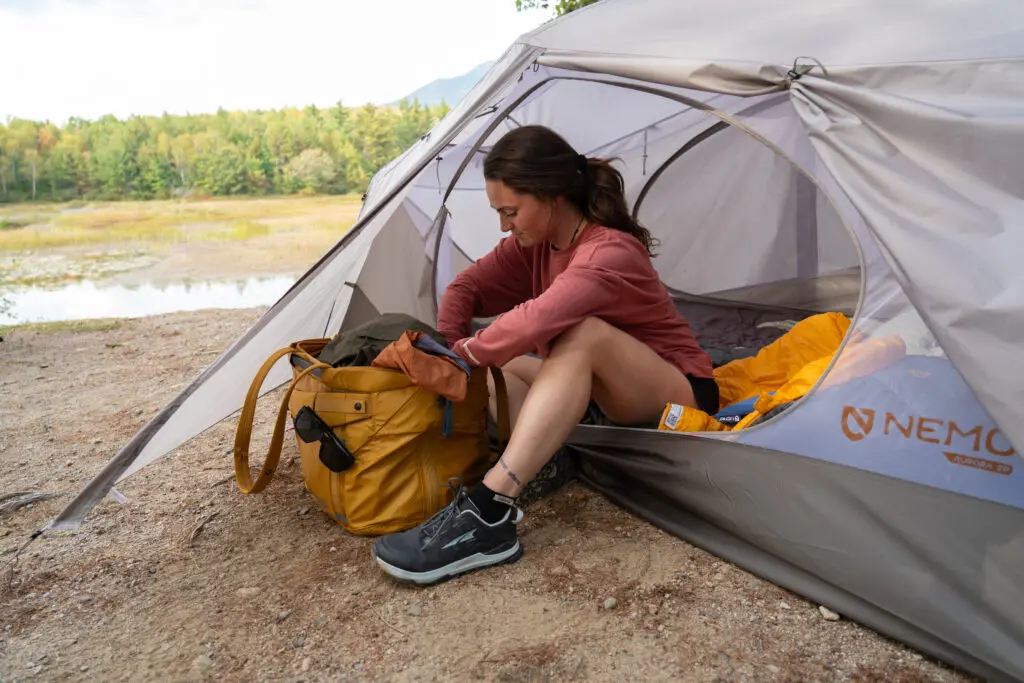
On a wet spring trip, I set up two budget domes side by side. One had aluminum poles and a full fly. The other had fiberglass poles and a short fly. Night rain came with gusts.
The aluminum pole tent stayed tight and dry. No drips. The fiberglass tent bowed in gusts. Water pushed under the partial fly and pooled at the door. Both had seam tape, but fly coverage and poles told the real story.
Since then, I tell new campers to pick a full fly with strong poles. It is the safest path to the best tent for camping on a budget that will not fail when it matters.

Common mistakes to avoid
Skip these traps when you buy.
- Trusting “sleeps 4” for four adults. Size up if you want comfort and room for gear.
- Ignoring the fly, a partial fly often means wet walls in real rain.
- Skipping guylines. They matter more than you think in the wind.
- Chasing only the lowest price. A broken pole costs trips and money.
- Forgetting to test pitch, a five-minute test beats a midnight struggle.
Avoid these, and you will be happier on your first night out.
Smarter ways to save money
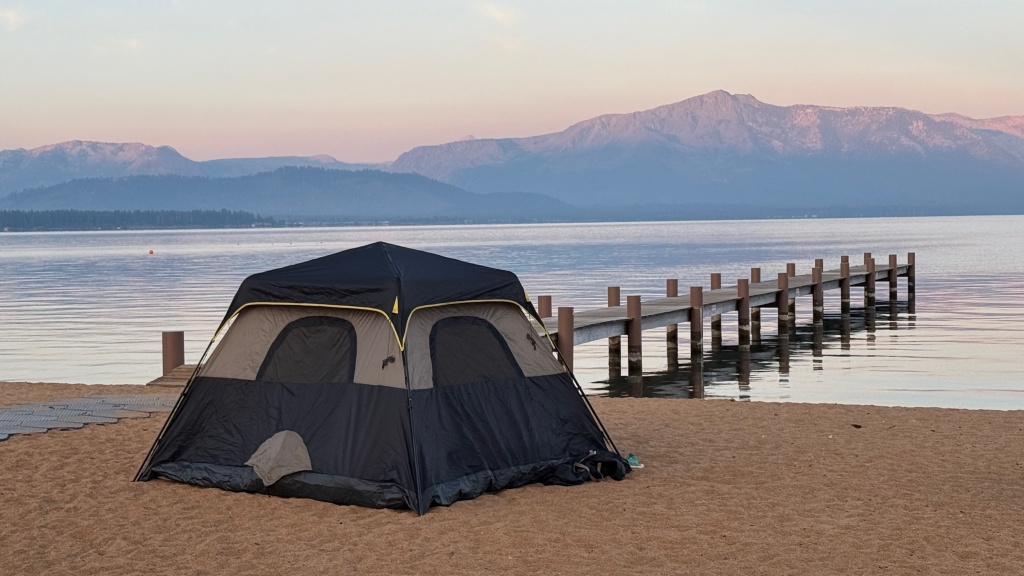
You can get more tent for less if you time it right.
- Buy off-season. Shop late fall or early spring for deals.
- Check used gear stores. Inspect floors, seams, zippers, and poles. Ask to pitch it.
- Rent before you buy. Try a style for a weekend. Then buy with confidence.
- Split costs with friends. Share a larger tent and divide the weight and price.
- Watch bundles. Some shops include a footprint or stakes at a discount.
These moves can land you the best tent for camping on a budget without risk.
Frequently Asked Questions: What Is The Best Tent For Camping On A Budget?
What size tent should I get for a family of four?
Choose a 6-person model for comfort. You will have room for bags, a dog, and easy movement.
What hydrostatic head rating is enough for rain?
A 1500 to 3000 mm rating on the fly and floor is fine for most 3-season trips. Look for taped seams and a bathtub floor to back it up.
Is a Pop-Up Tent good for budget camping?
It is fine for dry, calm weekends. For wind or long rain, pick a dome with a full fly.
How long should a budget tent last?
With care, three to five seasons is common. Dry it well, use a footprint, and store it loose.
What is the best tent for camping on a budget if I also hike?
Pick a light 2-person dome with aluminum poles and a full fly. Aim for a small pack size and two doors for ease.
Conclusion
You do not need a premium price to stay dry and sleep well. Focus on a full-coverage fly, strong poles, a solid floor, and fast setup. A simple dome, picked with care, is often the best tent for camping on a budget for most trips.
Use the checklist, compare two or three models, and pitch them once at home. Then book that weekend, watch the forecast, and go make memories.
If this guide helped, share it with a friend, subscribe for more field-tested tips, or leave a question, and I will help you choose.


2 Comments