

How To Stop Condensation In Your Tent?
End soggy nights with proven tips to cut moisture fast. Learn How To Stop Condensation In Your Tent and camp warm, dry, and comfortable. Open vents, pitch the fly tight, manage moisture, and dry gear often. Condensation in a tent is normal, but it does not have to soak your sleep.
I have spent hundreds of nights guiding and testing gear in rain, frost, and desert dew. This guide shows you How To Stop Condensation In Your Tent with clear steps, honest tips, and real fixes that work on any trip.

Source: roofbunk.com
What Causes Tent Condensation
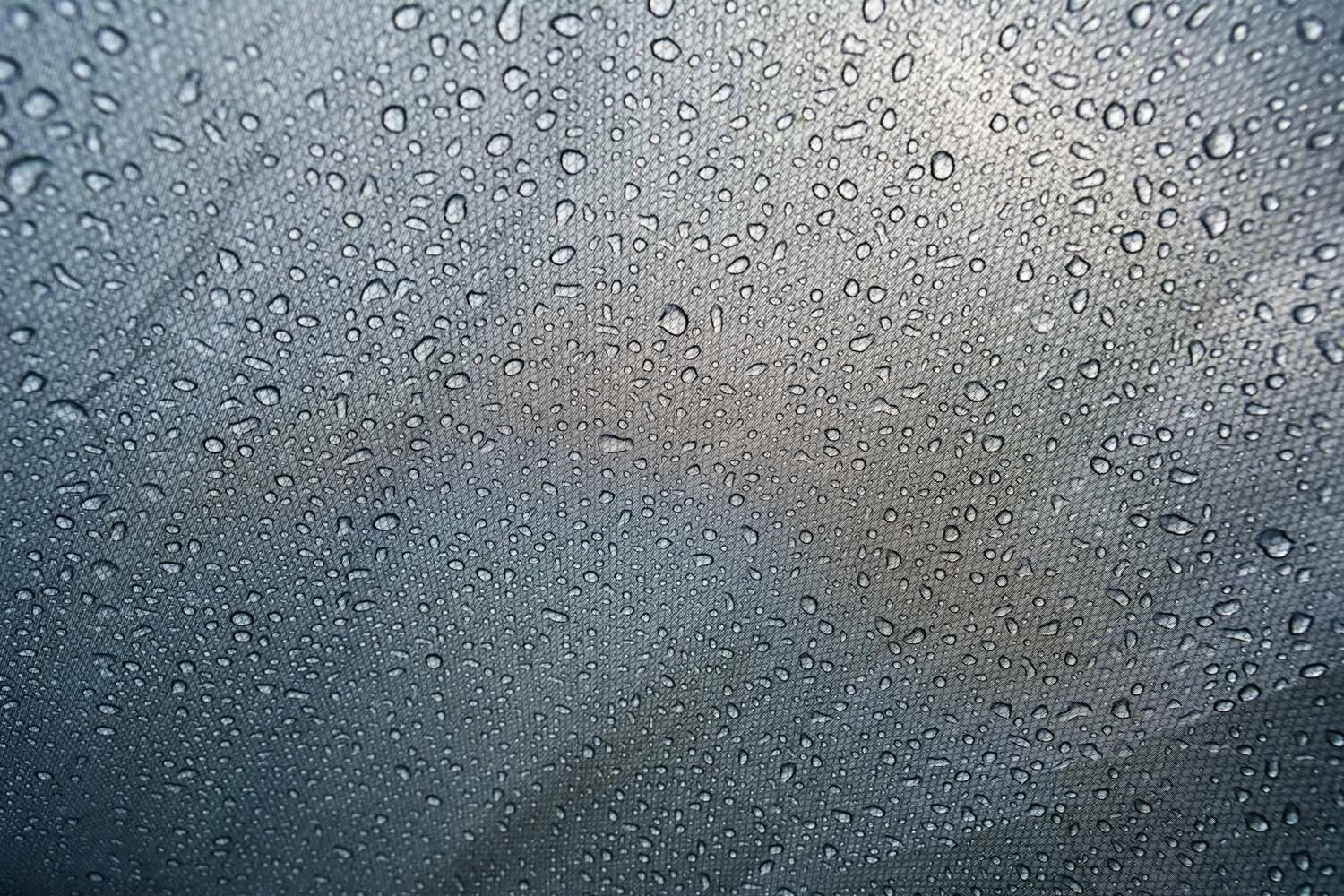
Condensation happens when warm, moist air inside your tent hits a cooler surface and turns into water. Your breath, damp clothes, and wet dogs all add moisture. On clear, cold nights, the fly cools fast. When the inner air reaches the dew point, drops form and then drip.
Double-wall tents slow this by using a mesh inner and a rainfly. The gap lets air move and carry moisture out. Single-wall shelters need smarter venting because the inside and outside are the same wall. Understanding this simple science is the base for How To Stop Condensation In Your Tent? in real life.

Source: roofbunk.com
How To Stop Condensation In Your Tent? A Step-by-Step Game Plan
Below is a clear plan for How To Stop Condensation In Your Tent. Use it every night you camp.
- Choose your site
- Pick a spot with light wind. Avoid low spots, creeks, and lush grass.
- Stay off bare, wet ground. Use a footprint that fits, not larger.
- Pitch it right
- Face a vent or door into the breeze for crossflow.
- Guy out the fly so it is tight and off the inner wall.
- Leave a small gap at the fly’s base for air intake.
- Vent early, vent always
- Open roof vents, high hoods, and mesh panels.
- Crack both doors two fingers if safe from rain.
- Build a chimney effect: low intake, high exhaust.
- Manage moisture
- Cook outside the tent. Never boil inside the inner.
- Stash wet gear under the fly vestibule, not inside.
- Use a small camp towel to wipe walls before bed and at dawn.
- Sleep strategy
- Do not breathe into your quilt or bag. It traps vapor.
- Wear a dry base layer to cut sweat.
- Keep a vent open even in cold. Heat loss is small. Comfort gain is big.
- Morning routine
- Shake the fly. Wipe the inner. Air things in the sun.
- Pack the fly in a separate sack so it does not wet your bag.
Source: intothebackcountryguides.com
Smart Site Selection and Setup
Where you pitch may be the biggest factor in How To Stop Condensation In Your Tent. Cold, damp air drains downhill at night. Low basins and creek beds trap fog. A small rise gets more breeze and stays drier.
Set the narrow end into the wind. Lift the fly with guy lines to keep fabric off the inner. Keep the footprint inside the tent floor. If it sticks out, rain pools and wicks under you. A few minutes of care here saves hours of drip later.

Source: seatosummit.com
Ventilation That Actually Works
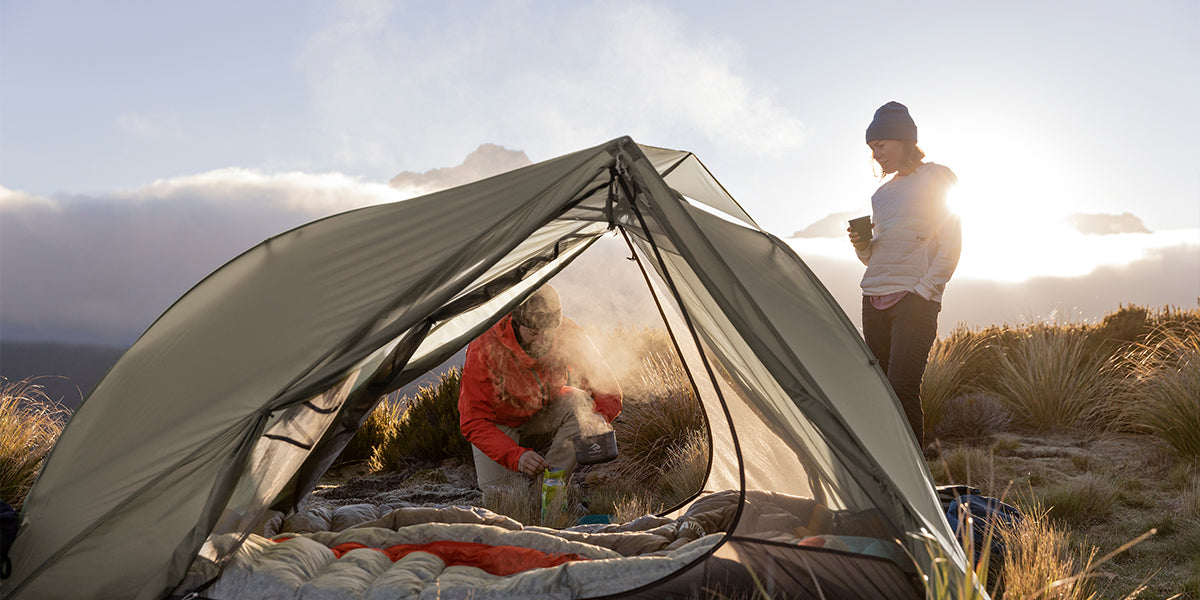
Good airflow is not a guess. Create a path out for wet air. Open a low intake point and a high exit. That gap moves air like a chimney. Use both doors a little, or use roof vents. Mesh helps, but wind and vent placement matter more.
If it rains, use beaks and hoods. Crack vents a bit so air still moves. Guy out the side panels to add space for air to slip through. This is the heart of How To Stop Condensation In Your Tent? in storms.

Source: hykeandbyke.com
Control the Moisture You Create
One person can add up to a liter of water by breathing overnight. Add two wet jackets and a dog, and you have a cloud in a bag. Keep wet stuff in the vestibule. Shake it first to shed water.
Do not cook inside the inner tent. Steam is pure moisture. If you need to use a stove, do it in a well-vented vestibule and watch safety. Wipe walls with a small microfiber towel at night and in the morning. Pack a spare dry towel in very humid zones to keep pace.

Source: youtube.com
Gear Choices That Reduce Drips
If you camp in damp places, a double-wall tent helps a lot. The mesh inner stays drier even when the fly is wet. Choose a fly with top vents and stiffeners so they stay open in rain. A light inner liner in some tents catches drops and drains them away.
Down bags feel clammy when damp. Treated down and synthetics handle moisture better. Use a breathable bivy only when needed; many block airflow and add condensation. A quality groundsheet that is the right size keeps soil moisture from pumping up at night.

Source: roofbunk.com
Night Routine and Morning Dry-Out
A simple routine is how you nail How To Stop Condensation In Your Tent? day after day. Before sleep, crack vents, wipe the walls, and hang damp socks in the vestibule. Keep water bottles closed tight. Store a towel within reach.
At first light, open the tent wide. Shake the fly and hang it on a bush or trekking pole. Sun and wind will do the rest. If you must hike early, pack the wet fly in an outer pocket and dry it at lunch.
Source: seatosummit.com
Weather-Specific Tips
Cold and clear nights
- Expect more condensation. Vent more, not less.
- Use all high vents. Keep a low gap open.
Rainy nights
- Pitch with good runoff. Avoid depressions.
- Vent under the beaks. Guy out for space and airflow.
Humid coast or fog
- Extra towels help. Dry at every break.
- Pick breezy headlands over forest hollows.
Snow camping
- Build a low wall to block gusts but leave a vent path.
- Brush frost off the fly before it melts and drips.
Desert cool-downs
- Ground radiates heat fast. Use a small footprint gap.
- A light breeze is gold. Face into it.
These tweaks keep you on top of How To Stop Condensation In Your Tent? in any climate.

Source: momgoescamping.com
Common Myths and Mistakes
Close all vents to stay warm
- This backfires. You trap wet air and feel colder when it condenses.
A bigger fly always helps
- Not if it seals to the ground and blocks intake. You need space and vents.
Condensation means a leak
- Test with a dry day hose check. Most “leaks” are inside moisture.
Breathing into your bag keeps it dry
- It loads your insulation with water. Use a buff over your mouth if you must.
Cooking inside dries the tent
- Stoves add water and risk. Use a vestibule with care and lots of airflow.
Learning these saves time while you work on How To Stop Condensation In Your Tent?.
Safety, Comfort, and Health Notes
Never run fuel heaters or cook inside a closed tent. Carbon monoxide is deadly and has no smell. Keep vents open whenever any stove is near. Damp gear can grow mold. Dry it between trips and store it in a cool, airy space.
Watch for frost-nip on cold trips. Wet air plus wind chills fast. Good venting and a dry base layer keep you warmer than sealing the tent shut. These safe habits go hand in hand with How To Stop Condensation In Your Tent?.
Quick Checklist: How To Stop Condensation In Your Tent?
Use this fast list each night.
- Pick a breezy, higher spot. Avoid valleys and wet ground.
- Pitch the fly tight. Leave a small gap at the base.
- Open low and high vents for a chimney effect.
- Keep wet gear in the vestibule. Do not cook inside.
- Wipe walls at night and at dawn.
- Separate wet fly from dry gear when packing.
Frequently Asked Questions of How To Stop Condensation In Your Tent?
Why does my tent get wet inside even when it does not rain?
Warm, moist air inside meets a cool tent wall and turns to water. Your breath and damp items are the main sources.
Will opening vents make me colder?
Not much. Dry air feels warmer than damp air, and a small crack in vents cuts drips without big heat loss.
Are single-wall tents bad in humid weather?
They need more venting and care but can work. Use peak vents, crack doors, and manage wet gear outside.
How can I stop my sleeping bag from getting damp?
Do not breathe into it and vent above your head. Use a liner and air the bag at first light.
Is a footprint necessary to reduce condensation?
Yes, if sized right. It blocks ground moisture from pumping up but should not stick out past the floor.
Can silica gel or desiccant help in a tent?
A small pouch can help a bit in calm air. But airflow and venting work better.
Conclusion
Tent condensation is normal physics, not a failure. With the right site, a tight pitch, steady venting, and smart habits, you will sleep dry and warm. Start tonight: open a high vent, stash wet gear outside the inner, and wipe the walls.
Now that you know How To Stop Condensation In Your Tent, turn these steps into a quick camp ritual. Share your own tricks, ask a question, or subscribe for more field-tested camping guides.





3 Comments