
How To Tent Camp In Snow In Winter? | Pro Tips For 2026
Learn How To Tent Camp In Snow In Winter with gear checklists, setup tactics, and safety tips to stay warm and dry. Click for expert advice you can trust. Pack winter-rated gear, choose safe snow, anchor tents well, and manage heat and moisture. If you want to learn How To Tent Camp In Snow In Winter, you are in the right place.
I have logged many frozen nights from the Rockies to the Adirondacks, and I know what works when thermometers drop. This guide breaks down every step of How To Tent Camp In Snow In Winter? with clear advice, tested tips, and smart safety checks you can trust. Read on to master the skills that turn cold nights into calm, cozy ones.
Understand the basics of winter snow camping
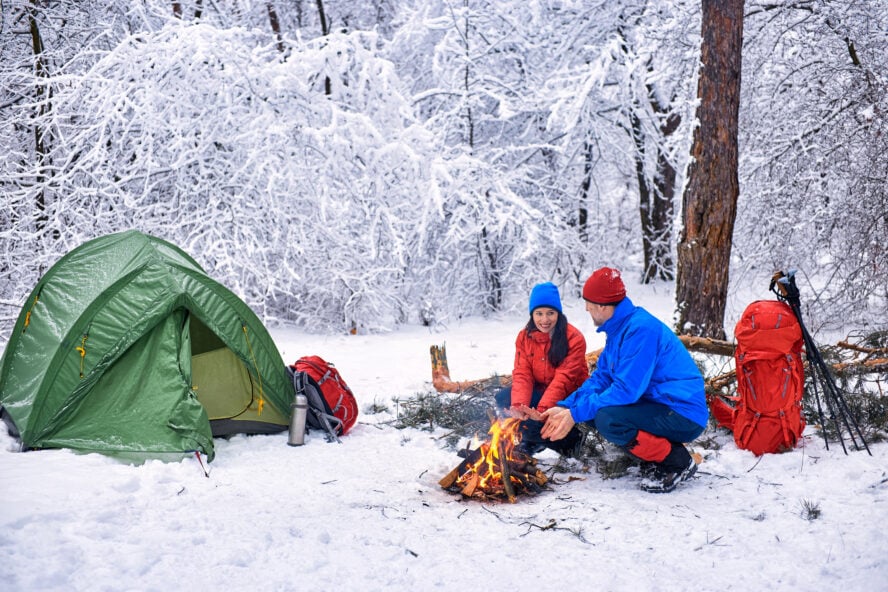
Snow camping is about building comfort on a cold, shifting surface. Snow is both a cushion and a hazard. It can insulate heat but also hide weak layers, tree wells, and avalanche paths. Wind, moisture, and long nights raise the stakes.
Know your goal. Are you near the car, on a groomed trail, or in backcountry hills? Each choice changes gear and risk. Plan for short days, deep cold, and delayed help.
If you ask how to tent camp in snow in winter, start with a simple rule: control heat and water. Stay dry, block wind, trap warmth, and keep vents open to handle moisture. That is the core of How To Tent Camp In Snow In Winter.
Essential winter gear checklist
You do not need the most expensive kit. You do need the right system. Here is a proven list.
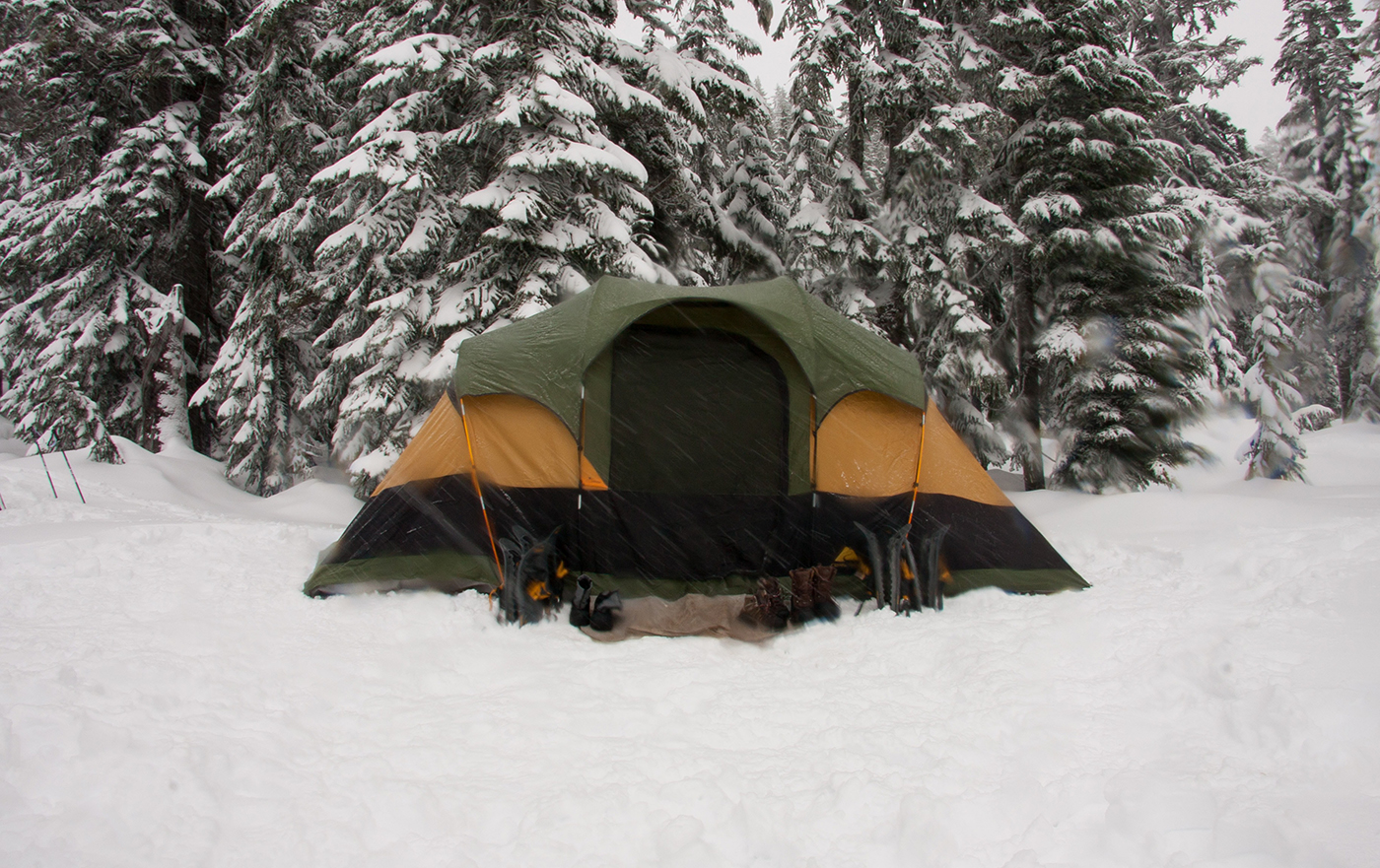
- Four-season tent or a robust single-wall mountaineering tent with strong poles and many guy points
- Snow stakes, deadman anchors, or extra cord to bury sticks or bags in snow
- Shovel for platform building, wind walls, and emergencies
- Snow saw for cutting blocks and shaping walls
- Sleep system that stacks R-value: closed-cell foam pad plus insulated air pad, total R 6 to 7 or higher for very cold nights
- Sleeping bag rated to at least 0°F, colder if you sleep cold; add a liner to boost warmth
- Stove that works in the cold: white gas liquid-fuel or a remote-canister stove with inverted canister
- Plenty of fuel for melting snow; expect 2 to 4 ounces of white gas per person per day, more if melting all water
- Wide-mouth bottles with insulated covers; carry one for hot water at night
- Layered clothing: wicking base, warm midlayers, windproof and waterproof shells
- Puffy jacket and pants for camp; booties are a huge comfort upgrade
- Two to three glove systems and spare socks; vapor barrier liners if needed
- Gaiters, microspikes or crampons if terrain is icy; snowshoes or skis for travel
- Headlamp with lithium batteries; spares kept warm in a pocket
- Navigation tools: map, compass, GPS; know how to use them
- Repair kit: duct tape, cord, pole splint, tent zipper lube, stove spares
- First aid kit; blister care; chemical warmers
- Avalanche gear in avalanche terrain: transceiver, shovel, probe, training
If you are learning how to tent camp in snow in winter, gear choices matter more than brand names. Fit, layering, and redundancy beat flashy marketing.
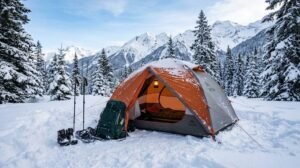
Choosing and preparing a campsite on snow
Pick a safe place first, then make it comfy.
- Avoid avalanche terrain and runouts. Do not camp below cornices, steep slopes, or loaded gullies.
- Look up. Stay clear of dead branches and heavy snow bombs.
- Avoid cold sinks like valley bottoms where cold air pools.
- Seek a wind break. Trees or small knolls help. Do not hide in terrain traps.
Build your platform. Stamp the area with boots or skis. Make it larger than the tent. Let it set for 20 to 30 minutes so the snow sinters. Cut high spots and fill low spots with a shovel. Create shallow trenches at doors for easier entry.
Use snow walls wisely. A low wall on the windward side helps. Keep vents clear. Never trap exhaust or block airflow.
When planning how to tent camp in snow in winter, campsite choice is half your warmth and most of your safety.
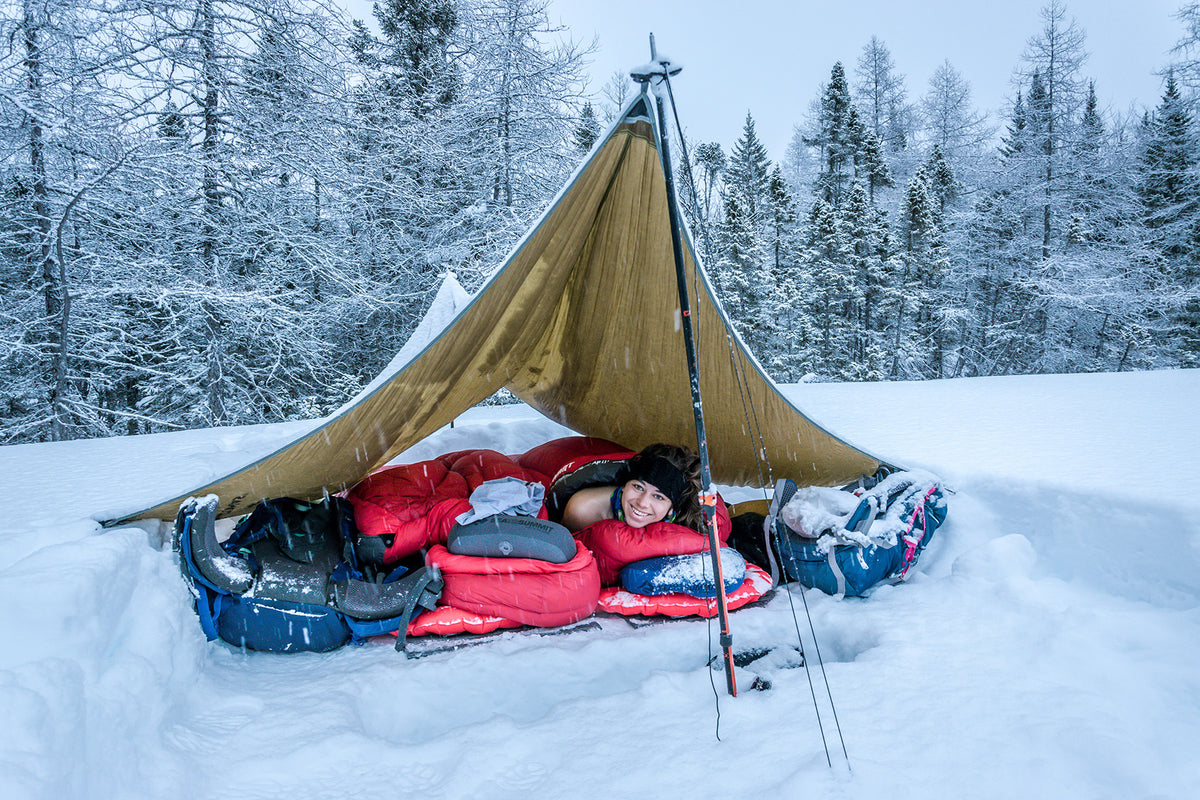
How to pitch your tent on snow step by step
Follow this flow. It works in powder and crust.
- Orient the narrow end of the tent into the wind. Keep the door leeward.
- Build and level a platform. Let it set a bit before final pitch.
- Place the tent and stake the corners with snow stakes or deadman anchors. Bury anchors 12 to 18 inches deep, pack snow, and let it set.
- Tension guylines. Use all guy points if windy.
- Add a low wind wall if needed. Keep it away from vents.
- Dig a small cold-air sump in the vestibule. It makes entry easier and reduces spindrift.
- Vent the tent. Crack high and low vents to cut condensation.
- Store shovel and probe where you can reach them fast.
A key part of How To Tent Camp In Snow In Winter? is strong anchors. Regular stakes fail. Deadmen do not when set right.

Sleep system: stay warm and dry
Warm sleep is a system. It is not only the bag.
- Pads stack heat. Aim for R 6 to 7. Closed-cell foam under an insulated air pad works well.
- Keep your bag dry. Use a breathable bivy or a lightweight overbag if frost is heavy.
- Sleep in dry base layers and a hat. Add puffy layers if needed.
- Manage moisture. Do not breathe into the bag. Use a vapor barrier liner in deep cold if you know how.
- Pre-warm the bag with a hot water bottle. Check for leaks first.
- Keep a pee bottle. It keeps you from holding it and getting cold.
Understanding how to tent camp in snow in winter means learning moisture math. If you sweat, you chill later. If you seal vents, you frost out the bag. Balance is the win.

Food, water, and fuel management
Snow is your water source. It takes time and fuel.
- Melt clean snow. Start with a little water in the pot to prevent scorching.
- Use a windscreen and stable platform for the stove.
- Keep water bottles upside down in the snow or in your sleeping bag. Ice forms at the top first.
- Eat early and often. Aim for hearty fats and carbs. Your furnace needs fuel.
- Never cook in a sealed tent. Carbon monoxide is deadly. Use a well-vented vestibule with caution.
If you wonder how to tent camp in snow in winter, plan for extra fuel. Melting snow eats time and gas. Build this into your schedule.
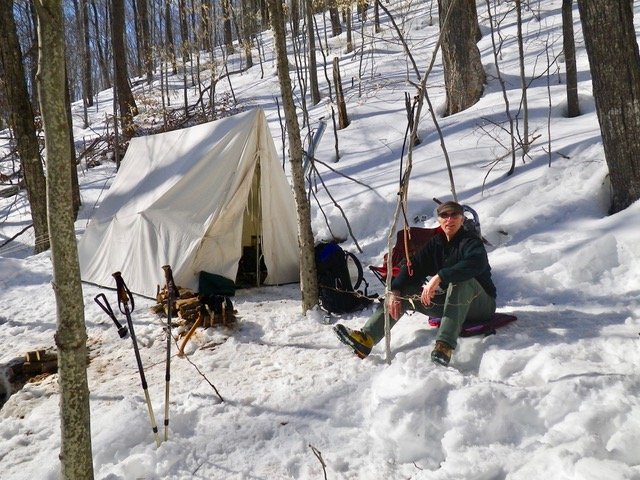
Clothing strategy and moisture control
Stay dry to stay warm.
- Use classic layers. Wicking base, fleecy or puffy mid, wind and water shell.
- Vent during movement. Unzip early. Avoid sweat.
- Swap to dry socks and gloves in camp. Keep spares in a dry bag.
- Protect extremities. Neck gaiter, warm hat, mittens over liners.
- Manage boots. Loosen laces in camp. Use vapor barrier socks if needed.
Dialing in layers is central to how to tent camp in snow in winter. If you control sweat, you control comfort.

Safety, navigation, and risk management
Cold magnifies small mistakes. Plan like it matters, because it does.
- Check weather and avalanche forecasts. Adjust plans to margin, not to hope.
- Set turn-around times. Short days end fast.
- Share your plan and exit time with a contact.
- Know frostbite and hypothermia signs. Numbness, clumsiness, and slurred speech need action now.
- Carry two lights and warm batteries. Keep electronics close to your body.
- Use terrain rules. Avoid loaded slopes, convex rolls, and terrain traps.
The core of How To Tent Camp In Snow In Winter? is risk control. Skill plus margin beats ego every time.
Real-world tips and mistakes I learned the hard way
On my first high-wind camp, I skipped extra guylines. At 2 a.m., gusts flattened a wall and filled the vestibule with spindrift. Since then, I guy out every point before bed. Sleep is better when your shelter is silent.
I also learned to stamp platforms and let them set. A rush job sags at midnight. Take the extra 20 minutes.
Finally, I once blocked vents to feel warmer. I woke to frost rain. Now I crack a high vent and a door zip. No more indoor snow. Little habits are everything in how to tent camp in snow in winter.
A simple overnight plan for beginners
Use this as a template for your first trip.
- One week before: Check weather and avalanche reports. Plan an easy route with bailout options. Share your plan.
- Day of, morning: Pack, test stove, pre-rig guylines, fill a small bottle with starter water.
- Afternoon: Hike in, choose a wind-sheltered site out of avalanche terrain, build platform, pitch with deadmen.
- Evening: Melt snow, eat a hot, salty meal, fill a hot water bottle. Prep layers for sleep. Vent tent.
- Night: Keep essentials in the bag or close: headlamp, water, puffy, pee bottle, mittens.
- Morning: Warm hands, hot drink, break camp, fill in snow kitchen and latrine, smooth the site.
This plan shows how to tent camp in snow in winter without chaos. Keep it simple. Stick to the process.
Frequently Asked Questions of How To Tent Camp In Snow In Winter?
Can I use a three-season tent in winter snow?
You can in calm, mild conditions near the car, but it is risky. A four-season tent handles wind, snow load, and guying much better.
What R-value sleeping pad do I need on snow?
Aim for R 6 to 7 or higher. Stack a closed-cell foam pad under an insulated air pad to reach that number.
How do I anchor a tent in powder?
Use deadman anchors. Bury stakes, sticks, or filled bags 12 to 18 inches deep, pack snow, and let it set.
Is it safe to cook inside a tent?
Never in a sealed tent. Use a well-vented vestibule only with great care to avoid carbon monoxide.
How do I keep water from freezing?
Store bottles upside down, insulate them, and keep one in your sleeping bag. Warm them with hot water at night.
What temperature should my sleeping bag be rated for?
At least 0°F for most lower-elevation trips. Go colder if you sleep cold or expect arctic air.
Conclusion
Winter nights can be quiet, bright, and deeply rewarding when you prepare well. You now know how to tent camp in snow in winter with a clear plan for gear, shelter, heat, water, and safety. Focus on site choice, strong anchors, smart layers, and steady vents to keep frost at bay.
Pick a simple route, practice these steps, and build confidence one calm night at a time. Ready for your first cold camp? Put this checklist to work, share your results, and subscribe for more field-tested guides.