
Should I Cover My Camper In The Winter? | Top Expert Tips
Should I Cover My Camper In The Winter? Learn the pros, cons, best cover types, and storage tips to prevent moisture, UV, and snow damage before you park. Yes—use a breathable, well-fitted cover to protect against winter damage. If you have asked, Should I Cover My Camper In The Winter?, you are in the right place.
I have winterized and stored rigs in heavy snow, prairie wind, and damp coastal air. This guide explains what works, what does not, and how to avoid costly mistakes. You will get clear steps, pro tips, and evidence-based advice to help you make the best call for your camper.
Why Covering Your Camper In Winter Matters
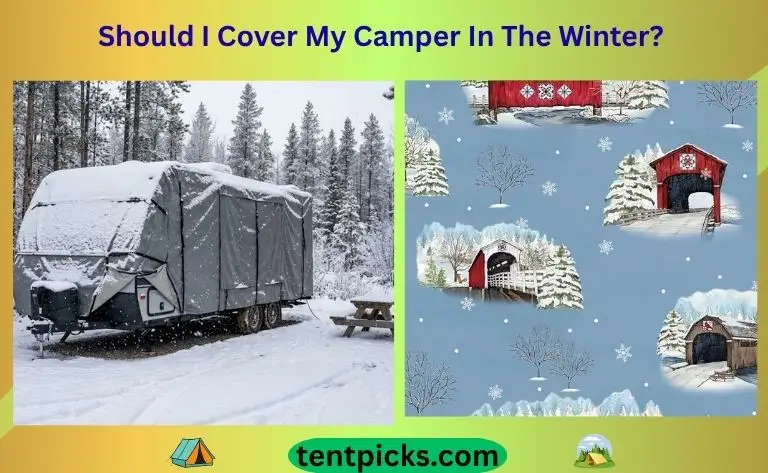
Winter is hard on RVs. Snow, ice, wind, and UV all take a toll. A good cover acts like a roof, a sunshade, and a dust shield in one.
Moisture is the main threat. When temperatures swing, warm air inside meets cold surfaces. That can cause condensation and mold. A breathable cover lets moisture escape while it blocks rain and snow. Many readers ask, Should I Cover My Camper In The Winter?, because they see cracked caulking and chalky gelcoat each spring. A cover slows that wear.
Wind-driven grit can scuff the roof membrane and sidewalls. UV degrades rubber and plastics all winter long, even on cold days. If you wonder, ” Should I cover my caravan in winter?, think about your roof, seals, decals, and tires. A quality cover can add years to their life.

Pros and Cons of Covering a Camper in Winter
Covering has clear upsides, but it is not risk-free. Here is a balanced view.
Benefits:
- Shields the roof, decals, and seals from UV and snow. This slows fading and cracking.
- Reduces water intrusion that leads to rot, delamination, and mold.
- Keeps dust, bird droppings, and tree sap off the finish.
- Cuts spring cleanup time and helps tires resist dry rot.
Drawbacks:
- Cheap tarps can trap moisture and cause abrasion.
- Poor fit can flap in wind and scuff edges.
- Covers add one more step to storage and checks.
For many owners asking, Should I Cover My Camper In The Winter?, the benefits win if you choose the right cover and install it well.
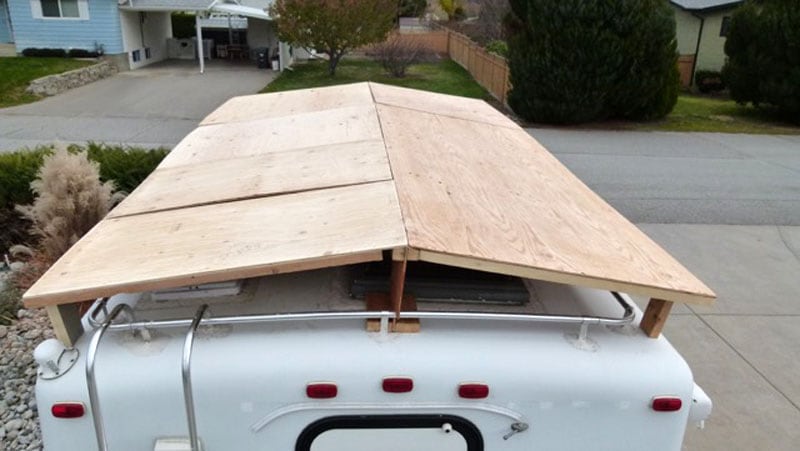
Types of Camper Covers and What to Look For
Not all covers are the same. Pick one that fits your rig and climate.
Best options:
- Breathable multi-layer fabric. Allows vapor to escape while blocking rain and snow.
- UV-resistant outer layer. Slows fading and chalking.
- Soft inner lining. Protects the finish from rub marks.
- Reinforced corners and padded straps. Lowers abrasion at gutters and edges.
- Vents and zip panels. Improve airflow and make door access easy.
- Custom-fit or model-specific cut. Reduces flapping and wear.
Use caution with:
- Blue poly tarps. They trap moisture and flap. They can scuff the gelcoat or EPDM/TPO roof.
- Full shrink-wrap. Great for boats, but risky for RVs if vents are not added. Trapped moisture can cause mold. Removal cost adds up.
If your main question is, Should I Cover My Camper In The Winter?, the answer is yes—if the cover is breathable, well-fitted, and designed for RVs.

When You Should Not Cover Your Camper
There are cases where a cover is not needed or can cause issues.
- You store indoors in a dry, clean building. A cover adds little value here.
- You have a rigid RV carport with good airflow. A cover is optional.
- You only have a cheap, non-breathable tarp. Do not use it. It can trap water and cause damage.
- You face extreme wind with no shelter. A loose cover can flap and scuff. If you must cover, use a tight fit, more tie-down points, and padded edges.
Many still ask, Should I Cover My Camper In The Winter?, when they have a roof over the RV. In that case, focus on sealing, tire covers, and ventilation first.

How to Cover Your Camper the Right Way
A good cover is only half of it. The prep and install matter most.
Before you cover:
- Wash and dry the roof and sidewalls. Clean gutters, awnings, and slide toppers.
- Inspect and re-seal joints where needed. Fix cracks and loose trim.
- Remove or pad sharp edges. Use foam pipe wrap or pool noodles on gutters and ladder tips.
- Open roof vents with vent covers or set the cover vents. Add desiccant tubs inside.
- Inflate tires to spec. Chock wheels. If safe, use tire covers.
Installation tips:
- Use two people and calm weather. Start at the roof, then roll the cover down the sides.
- Center the cover and snug the straps evenly. Do not over-tighten.
- Keep fabric off the ground to avoid wicking water.
- Check after the first wind event. Re-tighten straps as needed.
- After storms, sweep off heavy snow to prevent load stress.
Should I Cover My Camper In The Winter? Yes—if you do these steps. They reduce moisture, abrasion, and wind damage.

Winter Storage Alternatives to a Full Cover
If a full cover does not fit your needs, try these options.
- Indoor storage. Best protection, highest cost.
- RV carport or metal canopy. Blocks snow and sun while allowing airflow.
- Partial protection. Use tire covers, vent covers, and a roof-only tarp with an air gap if designed for that use.
- Protective wax or ceramic coating. Helps paint and gelcoat shed grime and UV.
- Regular checks. Visit monthly to air out, charge batteries, and inspect seals.
Owners still ask themselves, Should I Cover My Camper In The Winter?, when they have a carport. Often the answer shifts to maintenance plus partial covers for tires and vents.
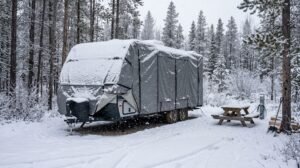
Cost-Benefit: Is Covering Worth It?
Covers range from about $150 to $600 for most travel trailers and fifth wheels. Premium, custom-fit options can be more. A roof re-seal can run several hundred dollars. Water damage or delamination repairs can cost thousands.
Insurance may not cover long-term wear or slow leaks. A proper cover and good prep lower that risk. If you are on the fence about Should I Cover My Camper In The Winter?, compare the price of a quality cover to even one leak repair. The math is clear for most owners.
Real-World Tips and Mistakes I Learned The Hard Way
In my first snowy season, I used a big-box tarp. It rubbed the ladder and left dull spots on the gelcoat. I also found mildew inside because the tarp trapped moisture.
What worked later:
- A breathable, RV-rated cover with vents and a soft lining.
- Foam padding on all sharp edges.
- Monthly checks after wind or heavy snow.
- Desiccant tubs inside and roof vents cracked with vent covers.
Since I changed, spring cleanup is fast. No musty smell, no chalky streaks. If you keep asking, Should I Cover My Camper In The Winter?, learn from my early mistake and choose airflow over plastic.
Frequently Asked Questions about Should I Cover My Camper In The Winter?
Will a cover cause moisture or mold?
A non-breathable tarp can trap moisture and cause mold. A breathable RV cover with vents lets vapor escape and keeps rain and snow out.
Can I use a regular tarp instead of an RV cover?
You can, but it is risky. Tarps flap, abrade, and trap moisture. A proper RV cover is designed to avoid those issues.
How tight should the cover be?
It should be snug but not stretched. Even tension on straps reduces flapping and abrasion without stressing seams.
Do I need to remove the cover after every snowfall?
No, but you should brush off heavy snow loads. This reduces stress on the roof, awnings, and the cover itself.
Is covering still needed under a carport?
Often it is optional under a good carport. Many owners still add tire covers and keep vents open for airflow.
What about solar panels and antennas?
Lower or remove what you can and pad the rest. Make sure the cover clears sharp edges and the panel frames.
How often should I check the covered camper?
Check after the first week, after big wind or snow, and at least monthly. Look for loose straps, pooled water, or rubbing points.
Conclusion
A camper cover is not a cure-all, but it is a strong first line of defense. With the right breathable cover, smart prep, and simple checks, you protect your roof, seals, finish, and tires through harsh winter months. You also save time and money when spring returns.
If you have wondered, Should I Cover My Camper In The Winter?, you now have a clear, proven path. Pick a quality cover, install it right, and set a quick check routine. Ready to go deeper?
Subscribe for more RV care guides, share your setup in the comments, and keep your rig road-ready year after year.