
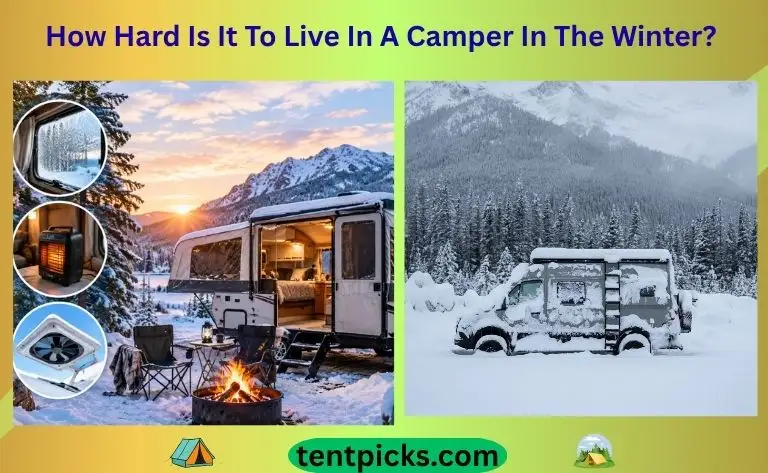
How Hard Is It To Live In A Camper In The Winter?
Wondering How Hard Is It To Live In A Camper In The Winter? Get pro tips on heat, insulation, costs, and safety so you can stay warm, legal, and stress-free. It is challenging but very doable with the right prep and gear. Winter RV life is a test of planning, patience, and grit. I have lived in a camper through subzero snaps and slushy thaws.
In this guide, I will show you how hard it is to live in a camper in the winter, what it really takes to stay warm, protect your rig, and stay sane. You will get practical steps, real mistakes to avoid, and clear advice you can use today.
.jpg)
Source: yamavans.com
What Actually Makes Winter Camper Living Hard
How Hard Is It To Live In A Camper In The Winter? The short answer is that cold adds stress to every system. Heat, water, power, and even your mindset work harder in winter.
Key pain points include:
- Cold soaks into thin walls and floors. Heat loss is fast.
- Water and waste lines can freeze. Thawing them can cost time and money.
- Batteries drain faster in the cold. Solar makes less power in short days.
- Condensation builds fast. Wet air can lead to mold and rust.
- Snow, ice, and wind limit travel and access to supplies.
- Safety risks rise from heaters, fuel use, and icy steps.
Expect a steeper routine, more checks, and backup plans for the big three: heat, water, and power.
Heat: Safe, Steady, and Redundant
How Hard Is It To Live In A Camper In The Winter? It gets much easier when heat is safe and steady. Most RV furnaces run on propane and 12V power for the blower. They move a lot of warm air and are built for the job.
Proven heat options:
- RV propane furnace. Strong output, often 20,000 to 35,000 BTU. It heats fast but uses propane and battery power.
- Electric space heater. Great on shore power. Pick a model with a tip switch and thermostat.
- Diesel heater. Sips fuel and works well in deep cold. Needs safe exhaust routing.
- Heat pump. Works in mild cold. Low-temp units can help down to near freezing.
Boost retention with insulation:
- Skirt the rig. Use vinyl skirting or rigid foam around the base. This blocks wind and traps ground heat.
- Seal drafts. Foam tape, caulk, and gaskets around windows, doors, and vents help a lot.
- Insulate windows. Use Reflectix, thermal curtains, or poly film kits.
- Add rugs and foam pads on floors. Warm feet, less heat loss.
Run heat safely:
- Use a CO detector and propane detector. Test them often.
- Keep a small window cracked when you run heaters to avoid stale air.
- Carry two heat sources. If one fails, you stay warm.
Personal note: On a windy night at 5°F, my furnace held 67°F inside with skirting and one small electric heater. Without skirting, I lost 6–8°F inside under the same load.

Source: youtube.com
Water, Plumbing, and Septic in Freezing Temps
How Hard Is It To Live In A Camper In The Winter? Water systems make it hard because ice can crack fittings and lines.
Keep water flowing:
- Use a heated hose on shore water. If not, fill the onboard tank and disconnect the hose.
- Wrap exposed pipes with heat tape and foam. Do not overlap heat tape.
- Add tank heaters for fresh, gray, and black tanks if you have them.
Protect drains and tanks:
- Keep the black and gray valves closed. Only open to dump. This avoids a frozen “poopsicle.”
- Pour a cup of RV antifreeze into each P-trap and a bit into the tanks.
- Use enzyme treatments that still work in cold.
Backup plans:
- Carry water jugs inside. Warm them near the heat.
- Consider a composting toilet if you often boondock in deep cold.
- Bring a kettle to thaw frozen caps and fittings.
My early mistake: I left the sewer hose connected overnight at 12°F. It froze solid and cracked. Now I cap the outlet and only hook up to dump.

Source: delmarvarvcenter.com
Power Strategy: Shore Power, Batteries, Solar, and Generators
How Hard Is It To Live In A Camper In The Winter? It hinges on power planning. Heat and fans need energy. Lights and pumps add to the load.
Core tips:
- Shore power is king. A 30A or 50A hookup can run a heater, chargers, and the furnace.
- Batteries lose capacity in the cold. Lithium needs a warm battery or a BMS with low-temp charge protection.
- Solar makes less in winter. Days are short, the sun is low, and panels get snow. Tilt panels and keep them clear.
- A generator is a solid backup. Store fuel well and run it outside with clear exhaust.
Build a simple energy budget:
- Furnace blower can use 7–10 amps DC when running.
- An electric heater at 1,500W draws about 12.5A at 120V.
- A dehumidifier can draw 200–500W.
- Plan for phone, laptop, and lights too.
I log usage on a cold week. This shows me if I need to cut back or run a charge cycle in the morning.

Source: youtube.com
Moisture, Condensation, and Air Quality
How Hard Is It To Live In A Camper In The Winter? Often, the hardest part is moisture. Warm air hits cold walls and “rains” inside. That wet air chills you and feeds mold.
Reduce moisture fast:
- Vent while cooking and showering. Run the fan and crack a window.
- Use a small dehumidifier. Aim for 35–45% indoor humidity.
- Wipe windows and frames each morning. It takes two minutes and prevents rot.
- Store wet gear in a bin or by a vent.
Surface tips:
- Add a thermal break on metal frames with foam tape.
- Lift cushions an inch off exterior walls. Airflow matters.
On a ski week at 10°F, I saw ice on the window tracks at dawn. A 30-minute dehumidifier run and a wipe-down fixed it.

Source: insideevs.com
Safety, Codes, and Practical Risk Management
How Hard Is It To Live In A Camper In The Winter? It gets risky if safety tools are weak.
Non-negotiables:
- Smoke, CO, and propane detectors. Test monthly and replace batteries.
- Fire extinguishers. Keep one by the bed and one by the door.
- Adequate ventilation. Never block vents to “hold heat.” Heaters need air.
Outside checks:
- Clear the roof and awnings of snow. Weight adds up fast.
- Treat steps for ice. Use sand or traction tape.
- Check tire pressure in cold snaps. Low PSI harms tires.
Know rules:
- Some parks limit skirting. Many require safe exhaust for heaters.
- Insurance may have winter rules. Read the policy and ask.

Source: thevansmith.com
Costs and Budgeting for Winter RV Life
How Hard Is It To Live In A Camper In The Winter? Costs make it hard if you do not plan.
Expect these ranges:
- Propane. In steady cold, many small rigs use 1–2 gallons a day. Larger rigs use more.
- Electricity. Some parks include power. Others meter it. Ask before you book.
- Gear. Skirting, heated hoses, tank heaters, and a dehumidifier add up.
- Maintenance. Furnace service, sealant, and weatherstripping are routine.
Budget tips:
- Track fuel and power for one week. Use that to forecast the season.
- Insulation costs pay back in propane saved.
- Choose parks with wind breaks or trees. You will use less heat.

Source: noovolife.com
A Real Day in Deep Cold and Lessons Learned
How Hard Is It To Live In A Camper In The Winter? On a -10°F night, this was my routine. I staged two heaters, checked propane, set a backup generator, and cracked a window by the stove.
Daily flow:
- Morning. Run the dehumidifier. Wipe windows. Check batteries. Refill water jugs.
- Midday. Clear snow off the roof and solar. Inspect the skirt and seals.
- Night. Top off propane if needed. Keep a headlamp and gloves by the door.
Lessons:
- Redundancy beats perfection. Two smaller heaters are safer than one huge one.
- Warm floors change morale. Rugs and foam help a lot.
- Tiny leaks matter. A draft can drop room temp by several degrees.

Source: youtube.com
Setup Checklist for Winter Success
How Hard Is It To Live In A Camper In The Winter? With this checklist, it feels far less hard.
Before the freeze:
- Inspect seals, roof, windows, and doors.
- Install skirting and block wind paths.
- Wrap or heat-trace vulnerable water lines.
- Add tank heaters or plan to keep valves closed.
- Service the furnace and test detectors.
- Stock propane, fuel, and water.
On site:
- Park with the nose into the wind if possible.
- Tilt solar toward the winter sun.
- Place rugs and draft stoppers inside.
- Stage a dehumidifier and hygrometer.
- Keep a heat backup and a charged power bank.
Is It Worth It? Matching Lifestyle to Conditions
How Hard Is It To Live In A Camper In The Winter? The answer depends on your goals, climate, and gear. If you love quiet mornings, snow views, and simple living, it can be very rewarding. If you hate routine checks and cold chores, it may not fit.
Consider:
- Location. A temperate area makes learning easy. Arctic air makes it tough.
- Work needs. If you work online, plan for strong power and heat.
- Budget. Insulation and backup systems pay for themselves with comfort and safety.
I suggest a two-week trial in mild cold. Build skills, then take on deeper winter.
Frequently Asked Questions: How Hard Is It To Live In A Camper In The Winter?
Can you live in a camper below freezing without skirting?
Yes, but it is much harder and more costly. Skirting cuts wind and saves large amounts of heat and propane.
How much propane will I use in winter?
Use varies by rig size and weather. A small camper may burn 1–2 gallons a day in steady cold, while larger rigs use more.
Do I need a heated water hose?
If you stay hooked to city water below freezing, yes. If not, fill the tank and disconnect the hose to avoid freeze-ups.
Will solar power cover winter needs?
It helps but is limited by short days and low sun angles. Plan on shore power or a generator as your main source.
Is condensation a real problem?
Yes. Breathing, cooking, and showering add moisture. Venting and a small dehumidifier keep humidity in a safe range.
Conclusion
Winter camper life is work, but it is not out of reach. With smart heat, protected plumbing, a real power plan, and daily moisture control, you can stay warm, safe, and comfortable. The routine becomes second nature, and the reward is quiet, bright winter days in places most people skip.
Start with one section from this guide today. Skirt the rig, seal a draft, or map your power budget. Then build your setup step by step. If this helped, subscribe for more seasonal RV tips, ask a question in the comments, or share your own winter camping wins.