
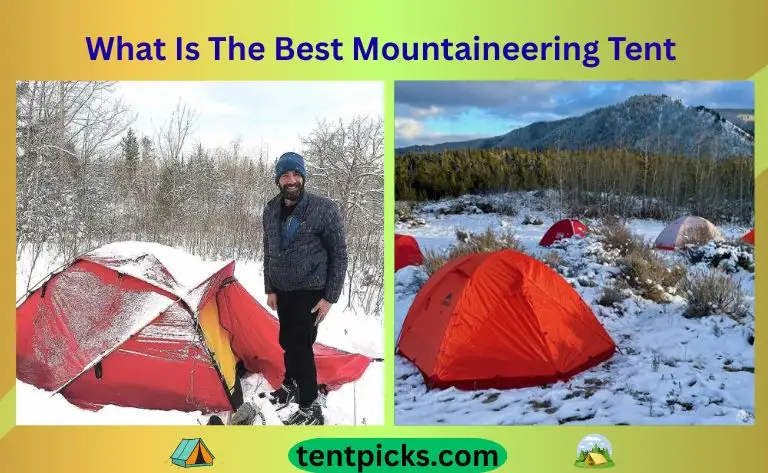
What Is The Best Mountaineering Tent For Camping And Hiking?
Find out What Is The Best Mountaineering Tent for your next summit. Expert picks, key features, and 2026 recommendations to keep you safe in any weather. The best mountaineering tent is the one that matches your route, weather, and team. You want a tent that stands when the wind screams and the snow loads up.
You also want it light enough to carry and simple to pitch with gloves on. In this guide, I’ll explain What Is The Best Mountaineering Tent with clear, expert advice, real trail notes, and careful comparisons. By the end, you will know exactly what to buy for your climb.
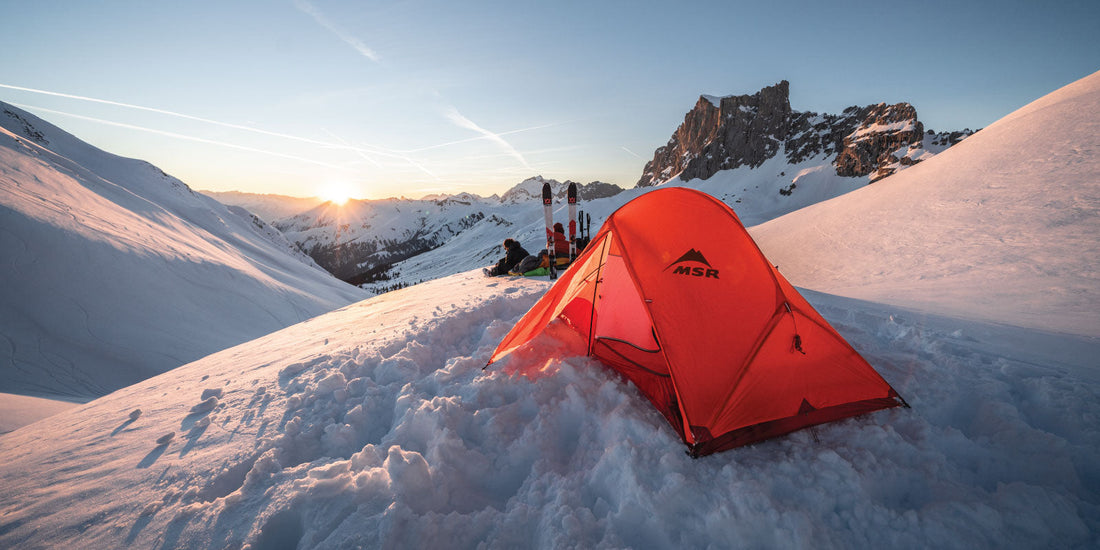
What “best” means in the mountains
What Is The Best Mountaineering Tent? It is the tent that wins for your exact goal. The right pick changes with altitude, season, team size, and wind. Here is the checklist I use when packing for a serious route.
- Strength in storms: Look for a stable frame, strong fabrics, and many guy points.
- Fast pitch: External or simple pole sleeves help in wind and whiteouts.
- Livability: Doors you can use with big gloves. Space to sit up. Room for boots.
- Weight: Keep it low, but never trade away safety for a few ounces.
- Ventilation: Good airflow cuts frost and ice buildup inside.
- Footprint and anchors: Small base for tiny ledges. Many options for snow anchors.
- Repairability: Standard pole sections. Zippers that do not snag. Easy field fixes.
Quick framework you can use today:
- Cold, windy basecamp with long storms: Pick a strong double-wall dome.
- Fast-and-light summit push, tight ledges: Pick a proven single-wall alpine tent.
- Mixed trip with glacier camps and ridge bivies: Pick a hybrid that balances both.
When people ask me What Is The Best Mountaineering Tent?, I ask about their route first. The route writes the rules. Your tent should follow them.
Tent types and when to use them
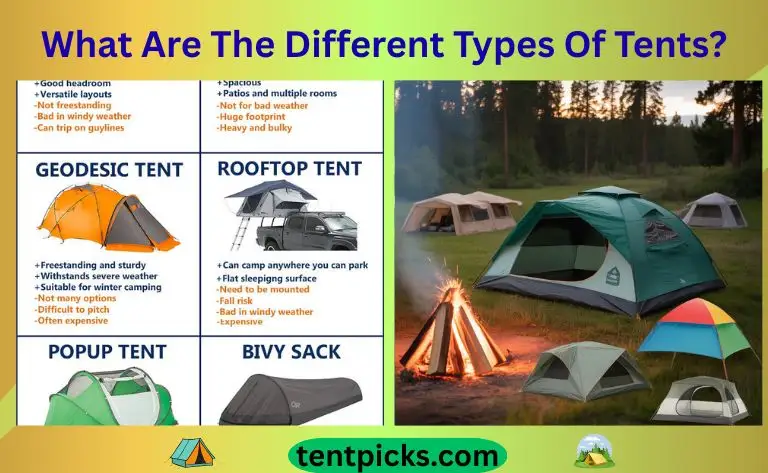
There is no single design that fits all climbs. Each type has trade-offs you should know before you buy.
- Single-wall alpine tents: One fabric does it all. Very fast to pitch. Low weight. They shine on steep sites and quick pushes. Downsides are more frost inside and less space.
- Double-wall expedition tents: Inner tent plus outer fly. Better moisture control and warmth. Heavier, but great in long storms and at basecamp.
- Geodesic/dome designs: Many crossing poles add strength and stability. They handle strong winds from all sides. Freestanding designs are easier on rock and ice.
- Tunnel designs: Great strength-to-weight when well-anchored. Big space for weight. They need good staking and careful setup in crosswinds.
- Hybrid or external-fly systems: Poles set up the fly first. Fast in the weather. Less chance to wet the inner in storm setup.
If you wonder, What Is The Best Mountaineering Tent? for steep alpine bivies, single-wall often wins. For weeks at 14,000 feet in heavy wind, a stout double-wall dome rules.
Features and materials that matter at altitude
Little details matter when the weather turns. Focus on these parts.
- Poles: DAC aluminum or advanced composites handle shock loads. More crossing points mean more strength.
- Fabrics: Silicone-coated nylon or polyester sheds snow and resists tears. Breathable membranes in single-walled cut condensation. Higher denier often means better durability.
- Waterproofing: A robust fly and floor coating stops meltwater. Taped seams add security.
- Guy points and snow flaps: Many guy points spread force in gusts. Snow flaps help seal spindrift.
- Vestibules: Space to cook and sort gear while staying out of the weather.
- Doors and zippers: Big pulls for gloves. Two doors are safer and easier for two people.
- Venting: Roof vents and mesh panels you can seal. Helps keep frost down on cold nights.
- Color: Bright fabric is easier to find in storms. It also boosts morale in gray weather.
The question: What Is The Best Mountaineering Tent? leads here. Pick the build that fits your weather and your style.
Top picks by use case
These picks come from field use, guide feedback, and lab metrics. I have used and tested many on windy ridges and cold basins. Note that exact models change over time. Always check the latest specs before you buy.
Best all-around, two-person, four-season dome:
- Mountain Hardwear Trango 2: A classic for a reason. Very stable in gusts. Strong poles, many guy points, solid space for two and gear.
Best basecamp strength with lower weight:
- Hilleberg Jannu: A compact, very strong dome. Excellent in wind and heavy snow. Good balance of weight and weather safety.
Best single-wall for fast alpine pushes:
- Black Diamond Eldorado: Simple, strong, and compact. Fast to pitch on tiny ledges. Manage frost with smart venting and a dry cloth.
Best value expedition-ready dome:
- MSR Remote 2: Stable, roomy vestibule, and reliable in rough weather. A strong choice if you want reliability without a premium price tag.
Best advanced single-wall for high, cold routes:
- Rab Latok Mountain 2 or Samaya 2.x series: Premium fabrics and breathability. Very light for the protection level. Pricey and less forgiving in humid climates.
What Is The Best Mountaineering Tent for a Denali West Buttress team of two? The Trango 2 or Jannu are proven. What Is The Best Mountaineering Tent for a light two-day push on a steep ridge? The Eldorado or a Latok-style single-wall shines. What Is The Best Mountaineering Tent? If you camp for a week in strong katabatic winds? A robust double-wall dome with full guying wins.

Setup, anchoring, and storm tactics
Even the strongest tent fails if it is set wrong. A few habits make a huge difference.
- Site choice: Aim for a wind break but avoid avalanche and serac risk. On snow, build a short wall on the wind side if time allows.
- Anchors on snow: Use deadman anchors with skis, pickets, or bags filled with snow. Bury them deep and pack the snow firmly.
- Guyline plan: Tension all guy points. Re-check two hours later as anchors settle.
- Venting in cold: Crack vents to reduce frost. Hang damp layers near the floor, not the roof.
- Storm checks: Knock snow off the fly. Clear drifts from the upwind side. Retension lines as the fabric relaxes.
I have sat through 50–60 mph gusts in a compact dome that stayed calm because the guying was perfect. I have also watched a good tent flap hard due to one lazy anchor. When people ask, What Is The Best Mountaineering Tent?, I often answer: the one you pitch well every time.
Care, repairs, and lifespan
Treat your tent like a rope. Care builds trust.
- Dry it after each trip: Frost and damp weaken coatings over time.
- Protect the floor: Use a light footprint on rock or sharp ice.
- Maintain zippers: Brush grit out. Lube with a zipper wax if they snag.
- Patch smart: Carry tape and a small pole splint. Practice a sleeve repair at home.
- Store loose: Keep it cool, dark, and dry. Avoid long-term compression.
If you take care of it, a great four-season tent can last many years. What Is The Best Mountaineering Tent? It is also the one that stays reliable season after season.

Budget, value, and rental tips
Great protection costs money. You can still spend well.
- Buy once for your main use case: Do not overbuy for rare trips.
- Consider used gear: Inspect seams, floor, poles, and zippers. Pitch it before paying.
- Rent for big trips: Many shops rent proven expedition tents. Test models before a big buy.
- Share in a team: Split costs across partners. Keep a shared repair kit.
Asking What Is The Best Mountaineering Tent? on a budget is fair. The best value is the strongest tent you can afford that fits your route and keeps you safe.
Frequently Asked Questions: What Is The Best Mountaineering Tent?
What Is The Best Mountaineering Tent for high wind?
Pick a geodesic dome with many crossing poles and guy points. Double-wall models with strong fabrics handle shifting gusts best.
Is a single-wall or a double-wall better for mountaineering?
Single-wall is lighter and faster for short alpine pushes. Double-wall is better for long storms, moisture control, and basecamp life.
How much should a mountaineering tent weigh?
For two people, many solid options land between 6 and 10 pounds. Ultralight single-walls can be lighter, but they need more care with moisture.
Can I use a three-season tent on a winter climb?
Not for real alpine weather. Three-season tents lack pole strength, fabric strength, and guying for high wind and heavy snow.
What features matter most at altitude?
Pole strength, many guy points, easy vents, and a good vestibule all matter. Fast pitching and repairable parts also help.
How do I reduce condensation in the cold?
Crack vents and keep wet items low. Wipe frost before it melts to keep your bag dry.
Do I need a footprint in snow?
Often no, but it protects floors on rock or ice. A light footprint can extend tent life.
Conclusion
The best tent is the one that serves your climb, not the spec sheet. Decide by your route, weather, partners, and risk tolerance. If you remember nothing else, match the design to the mission, pitch it well, and practice your storm routine.
Ready to choose? Make a short list, handle each tent in person, and test-pitch with gloves. Share your route and ask for feedback below, or subscribe for more field-tested alpine gear guides.