
Is It Healthy To Sleep In A Tent? | Benefits, Risks And Tips
Is It Healthy To Sleep In A Tent? Get science-backed pros, cons, and safety tips for restful outdoor sleep, from airflow to allergens and noise. Yes. Sleeping in a tent can be healthy when you manage comfort, climate, and safety.
If you have ever asked, Is It Healthy To Sleep In A Tent?, you are not alone. I have guided trips, tested gear, and tracked sleep in the wild for years. In this guide, I will explain how to sleep in a tent in a safe and healthy way, backed by research and real field lessons. You will learn the benefits, the limits, and the setup tricks that make tent sleep restorative and low-risk.
What does “healthy” mean when you sleep in a tent
Healthy tent sleep is more than eight hours in a bag. It means safe air, good temperature, low noise, and a body-friendly bed. It also means clean gear, bug control, and a calm mind.
Key markers of healthy sleep in a tent include:
- Enough sleep time and deep sleep stages
- Stable, cool temperature with dry bedding
- Ventilated air with low smoke and low carbon risk
- A pad and pillow that support your spine
- A site that is safe from animals, weather, and crime
When people ask, Is it healthy to sleep in a tent?, they often worry about air, cold, and bugs. With sound setup and habits, you can sleep in a tent and wake up clear and strong.
Health benefits of sleeping in a tent
Sleeping in a tent can help your body and mind. These gains come from light, air, and a simple routine.
- Natural light resets your clock. Morning sun raises alertness and helps melatonin rise at night. One weekend outside can shift your circadian rhythm toward earlier, deeper sleep.
- Cooler nights support deep sleep. Sleep labs show most people sleep best at 60–67°F. A tent often tracks that range at dawn.
- Less screen time, more calm. Camping cuts blue light and doom scrolling. That lowers arousal and helps you fall asleep faster.
- Fresh air and green views reduce stress. Studies link nature time with lower cortisol and better mood.
- Gentle activity helps sleep drive. Hiking or paddling by day builds healthy fatigue.
Is it healthy to sleep in a tent if you live in a city? Yes, if you pick clean-air nights and a quiet site. Many people find they sleep in a tent better than at home once they learn a few basics.

Potential risks and how to reduce them
You can sleep in a tent with low risk if you plan. Watch for the issues below and use the fix that follows each point.
- Cold stress. Use a pad with a proper R-value, a dry bag, and layers. Eat a warm meal and wear dry socks.
- Heat stress. Vent the fly, use shade, and sleep on a breathable pad. Rehydrate and cool your core before bed.
- Smoke and poor air. Check air quality. Avoid wildfire smoke and dusty camps. Use a clean-air shelter if needed.
- Carbon monoxide. Never cook or heat inside the tent. Keep fuel and flames outside and downwind.
- Bugs and ticks. Use a tent with no-see-um mesh. Treat gear with permethrin and use repellent on skin.
- Allergens. Pollen peaks at dawn. Close mesh during high counts and rinse face before bed.
- Noise and safety. Use earplugs and pick sites away from roads, generators, and bars. Secure food and follow local wildlife rules.
- Back or neck pain. Choose a pad that matches your sleep style. Side sleepers need more cushion.
If you sleep in a tent in new terrain, run a quick risk scan: weather, air, water, and wildlife. A three-minute check can save a long night.
Who should be careful about sleeping in a tent?
Most people can sleep in a tent with a few tweaks. Some groups need extra care.
- People with asthma or severe allergies. Pack meds, check pollen and smoke, and use a clean liner.
- People with sleep apnea. Bring a battery for your device or pick a site with power. Use a high-R pad to keep your airway stable.
- Pregnant campers. Choose mild weather and a flat site near a restroom. Use a thick pad and extra pillows for side sleep.
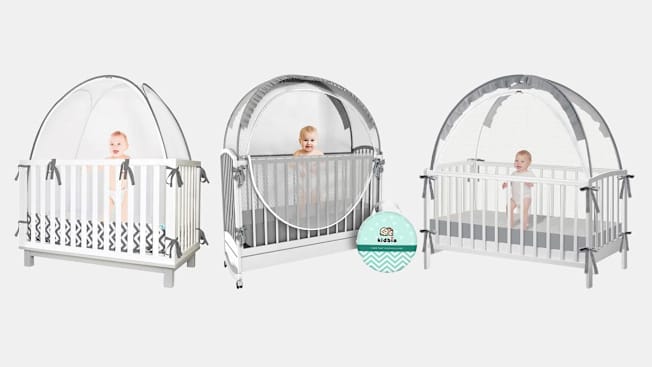
- Infants and toddlers. Keep them warm and dry. Never use loose bedding. Use safe sleep rules.
- Older adults or those with chronic pain. A higher, thicker pad helps. Plan for easy bathroom trips at night.
Ask your clinician if you have a heart or lung issue. Share your plan and the altitude. Then you can sleep in a tent with a clear approach.

How to set up your tent for better sleep
The right setup decides if you sleep well in a tent. Small steps make a big change.
Site and shelter
- Pick a level, high ground to avoid water.
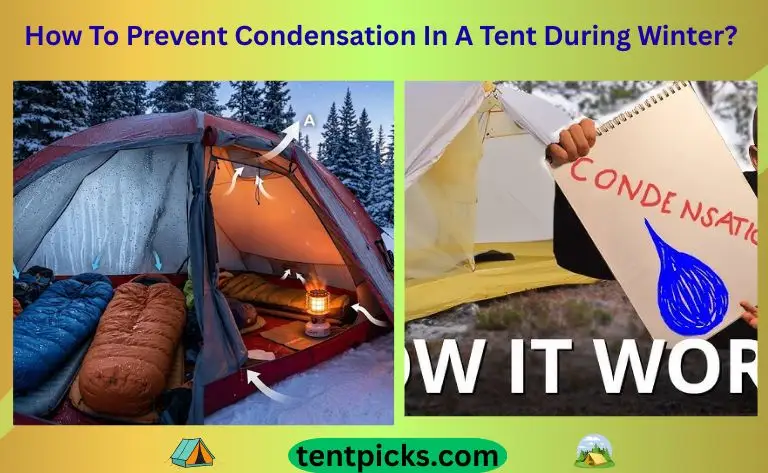
- Face the door away from the wind. Vent the fly to cut condensation.
- Keep the tent dark for morning sleep. Use a darker fly or an eye mask.
Sleep system
- Choose a sleeping pad with the right R-value for the season.
- Match pad firmness to your sleep style. Side sleepers need thicker pads.
- Pick a bag comfort-rated below the night’s low. Wear dry base layers.
- Use a small pillow to keep your neck in line.
Health and hygiene
- Keep food and odors out of the tent. Brush teeth away from camp.
- Change out of damp clothes. Dry gear in shade, not inside the tent.
- Use earplugs and a soft eye mask for noise and light.
- Set a screen curfew an hour before bed.
Routine
- Wind down with a short walk, light stretch, and warm drink.
- If cold, use a warm water bottle near your core. Do not use open flames.
- If hot, dip a bandana in cool water and place it on your neck before bed.
With these steps, most people can sleep in a tent like they do at home, or better.
Seasonal and climate considerations
Season and climate shape how you sleep in a tent. Adjust gear and habits to match.
- Insulate the ground first. Most heat loss goes into the Earth.
- Eat more calories. Your body needs fuel to stay warm.
- Vent some. A bit of airflow prevents wet gear from your breath.
Hot weather
- Make shade. Pitch at dawn or dusk and use natural cover.
- Create airflow. Open cross vents and lift the fly edges if safe.
- Cool your body. Hydrate, rinse face and feet, and use light layers.
Wet or humid weather
- Use a footprint and keep the fly taut.
- Do not touch the inner wall, which can wick water.
- Dry gear at first sunbreak.
High altitude
- Expect lighter sleep the first night.
- Avoid alcohol. Drink more water and slow your pace.
If you often sleep in a tent, keep a weather log for your region. Trends help you pack the right kit.
What science says about tent sleeping
Evidence supports several gains when you sleep in a tent with care.
- Light exposure outside can shift your internal clock within a few days. Many people fall asleep earlier and wake up more easily.
- Cooler nights improve deep sleep and help you wake refreshed.
- Time in nature reduces stress markers tied to poor sleep, like high cortisol and rumination.
- Noise and poor air degrade sleep quality. Avoid generators, traffic, wildfire smoke, and dusty camps.
So, is it healthy to sleep in a tent every weekend? For many adults, yes, if you pick clean air, manage temperature, and use a safe setup.
Real-world tips and mistakes I’ve seen in the field
Over the years of guiding, I have seen the same wins and fails.
What works
- A thick, warm pad fixes more sleep issues than a pricier bag.
- A short wind-down walk calms the mind better than phone time.
- Morning light and coffee outside set a steady rhythm.
Common mistakes
- Pitching in a low spot that floods at 3 a.m.
- Cooking in the vestibule and waking with a headache from fumes.
- Using too many layers in the bag and sweating, then chilling.
My best advice: run a 60-second check before you sleep in a tent. Touch the floor for cold spots, clear sharp rocks, crack the vent, and place water and a light within reach. Those tiny steps save your night.

Frequently Asked Questions about Is It Healthy To Sleep In A Tent?
Is it healthy to sleep in a tent long-term?
Short stints are fine for most people. For long-term stays, rotate sites, manage air quality, and use a supportive sleep pad to protect joints.
Can sleeping in a tent help fix my sleep schedule?
Yes. Morning light outside can shift your clock earlier in a few days. Keep screens low at night to help the effect.
Is it safe to sleep in a tent during wildfire season?
Only if the air quality is good. Check local reports and avoid smoky valleys or downwind sites.
How cold is too cold to sleep in a tent?
It depends on gear and skill. If your bag and pad are not rated for the cold, move to shelter or add insulation.
Can I sleep in a tent with sleep apnea?
Yes, with planning. Bring a battery for your device, choose mild temperatures, and use a supportive pillow to keep your airway open.
Do I need a special sleeping pad to sleep in a tent?
You need enough insulation and comfort. Match R-value to season and thickness to your sleep style.
Will bugs and ticks make sleeping in a tent unhealthy?
Not if you use mesh, repellents, and proper site choice. Treat gear and do a tick check after hikes.
Conclusion
Sleeping in a tent can be a healthy, refreshing way to rest. You gain a natural sleep rhythm, cooler nights, and a calmer mind when you plan for air, temperature, and a supportive sleep system. The key is simple: control what you can, and let nature do the rest.
Try a one-night test close to home. Dial in your pad, venting, and routine. Then plan a weekend and see how you feel.
If this guide helped, subscribe for more field-tested sleep tips or share your own tent sleep wins in the comments.