
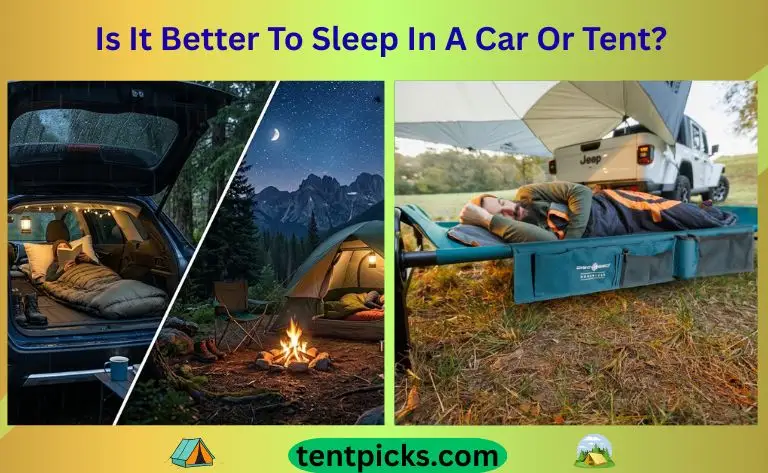
Is It Better To Sleep In A Car Or Tent? | 2026 Camping Guide
Unsure where to crash? Is It Better To Sleep In A Car Or Tent? Compare safety, comfort, warmth, and legal tips to choose smarter on your next road trip. It depends on weather, safety, and comfort—cars win in cold; tents excel otherwise. I’ve guided road trips and backcountry camps for years, and this question never gets old: Is It Better To Sleep In A Car Or Tent?
The truth is, both can be great when used in the right place and season. In this guide, I unpack the trade-offs with clear tips, real examples, and safety notes. You’ll walk away knowing exactly when a car beats a tent, when a tent beats a car, and how to sleep well in either one.
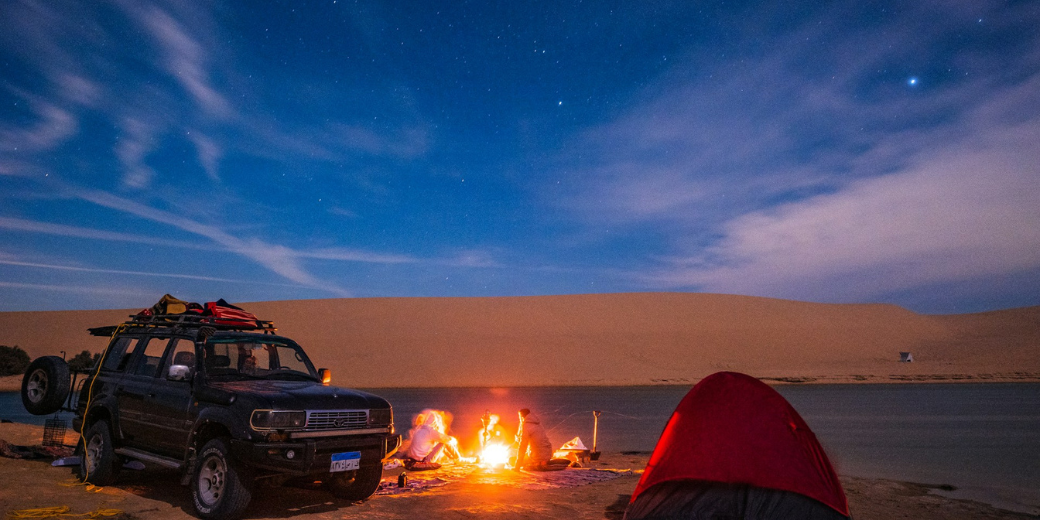
Source: fanttik.com
How to Decide at a Glance
Start with your plan, the rules, and the weather. Then weigh comfort and safety. This quick lens saves time and stress on the road.
Use this fast checklist:
- Forecast and temps. If it is near freezing or windy, a car often wins.
- Rules and parking. If overnight parking is banned, book a site and use a tent.
- Bugs and wildlife. Heavy bugs or bear country often favors a hard shell (car) or a true bear-safe camp routine.
- Comfort and space. If you need to stretch out, a roomy tent may beat a cramped back seat.
- Privacy and stealth. For a quick, low-key stop, car camping can be easier.
If you still wonder, Is It Better To Sleep In A Car Or Tent?, think about your worst-case night. Pick the option that stays safe and dry in that case.

Source: youtube.com
Safety and Legal Factors
Safety comes first, always. Cars protect you from wind, some wildlife, and people. Tents protect you from carbon monoxide risk and let you sleep at legal campsites. Both have limits.
Key safety notes:
- Carbon monoxide. Never idle the engine to heat or cool the car. Crack windows for air. CDC guidance flags CO as deadly and hard to spot.
- Parking laws. Many cities ban sleeping in cars. Check local rules and the site’s terms. The National Park Service also sets park-by-park rules.
- Wildlife. A car adds a hard barrier. In bear country, store all food in approved lockers or the trunk. Never bring food into your tent.
- Fire and storms. Avoid trees in storms. In tents, pick high, flat ground away from washes. In cars, avoid flood zones and soft sand.
- Crash risk. Park well off traffic, nose out for a clean exit, and use hazard triangles if needed.
If your top question is Is It Better To Sleep In A Car Or Tent?, safety may tip the scales toward a car in cities and storms, and toward a tent when CO risk or parking bans apply.
Comfort, Sleep Quality, and Health
Sleep quality is the real test. The American Academy of Sleep Medicine notes that steady temperatures, darkness, and quiet help you sleep. Your setup should aim for that.
Comfort factors:
- Flat surface. A level pad in a tent often beats a lumpy car bench. A custom car platform can flip the script.
- Condensation. Cars fog up fast. Crack two windows a touch or use bug screens. Tents breathe better when vented.
- Noise and light. Cars block noise and light more. Use a sleep mask and earplugs in a tent.
- Body support. A good sleeping pad (high R-value in cold) and a real pillow help more than almost anything else.
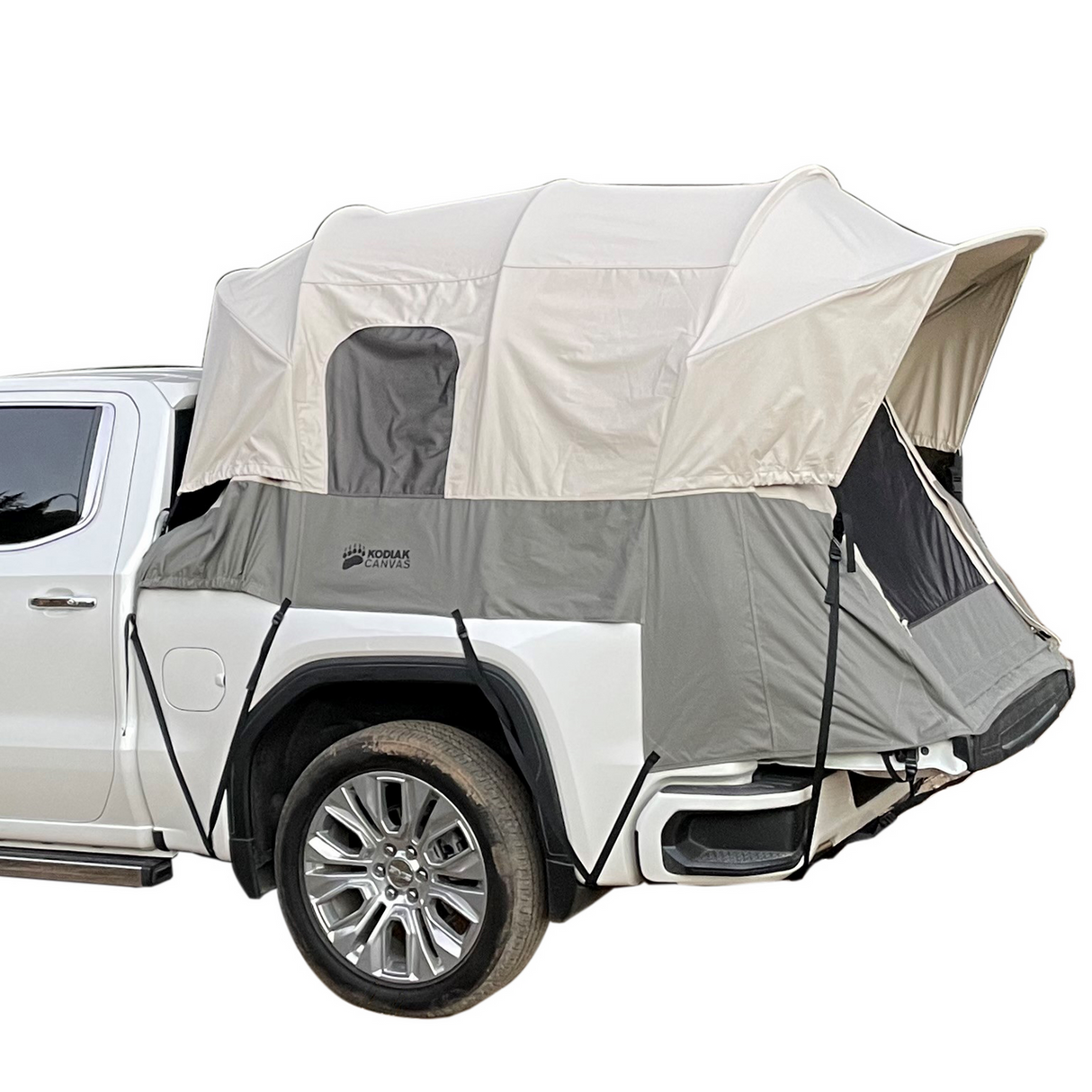
When you ask, Is It Better To Sleep In A Car Or Tent?, think about your spine and airflow. A flat, well-padded tent pad can beat a short car bed by a mile.
Source: kodiakcanvas.com
Weather and Season Tips
Cold favors cars. Heat favors tents with shade and airflow. Wind and sand also matter.
Cold nights:
- Cars hold heat better early on. Bring a rated sleeping bag anyway.
- Do not run the engine. Use extra blankets and a beanie.
- Vent two windows a little to reduce ice on the inside.
Hot nights:
- Tents breathe. Set up in shade and use a mesh inner.
- Cars trap heat. Use reflective shades and cross-breeze screens if you must car camp.
Wind and rain:
- A car laughs at the wind. A tent needs a low profile, solid stakes, and guy lines.
- In rain, a large fly and a good groundsheet keep a tent dry.
Wondering, Is It Better To Sleep In A Car Or Tent? In near-freezing wind, a car wins. In humid heat, a well-vented tent wins.

Source: amazon.com
Privacy, Security, and Storage
Privacy can shape your choice. So can how you store your gear.
What helps most:
- Cars. Lock doors. Hide gear under the bed platform or in bins. Use window covers.
- Tents. Use a darker fly for privacy. Keep valuables locked in the car.
- Mixed plan. Sleep in the tent. Store scent and valuables in the car. It keeps camp clean and safe.
If privacy rules your trip and you need stealth, you may say yes to the question, Is It Better To Sleep In A Car Or Tent?, at least for quick city stops.

Source: discobed.com
Cost, Setup Time, and Convenience
Both can be simple and cheap. Both can also be gear-heavy and costly. Plan to match your budget and time.
What to consider:
- Setup time. Car sleep is fast. Park, window covers, bed, done. Tents take a few more minutes.
- Fees. Many cities frown on sleeping in cars. A cheap campsite can be worth the quiet and bathroom access.
- Fuel. Do not idle for heat or AC. It wastes fuel and adds risk.
- Repairs. A tent pole is cheap. A dead car battery is not.
Is It Better To Sleep In A Car Or Tent? If time is short and rules allow it, the car is fast. For comfort at a fair campsite, the tent is a joy.

Source: amazon.com
Environmental Impact
Less harm is better. Follow Leave No Trace, no matter your shelter.
Practical steps:
- Car. Do not idle. Park on durable surfaces. Pack out trash and gray water.
- Tent. Use a durable site. Avoid fragile plants and cryptobiotic soil. Keep soap and food scents away from water.
- Noise and light. Keep it low. Your neighbors and wildlife will thank you.
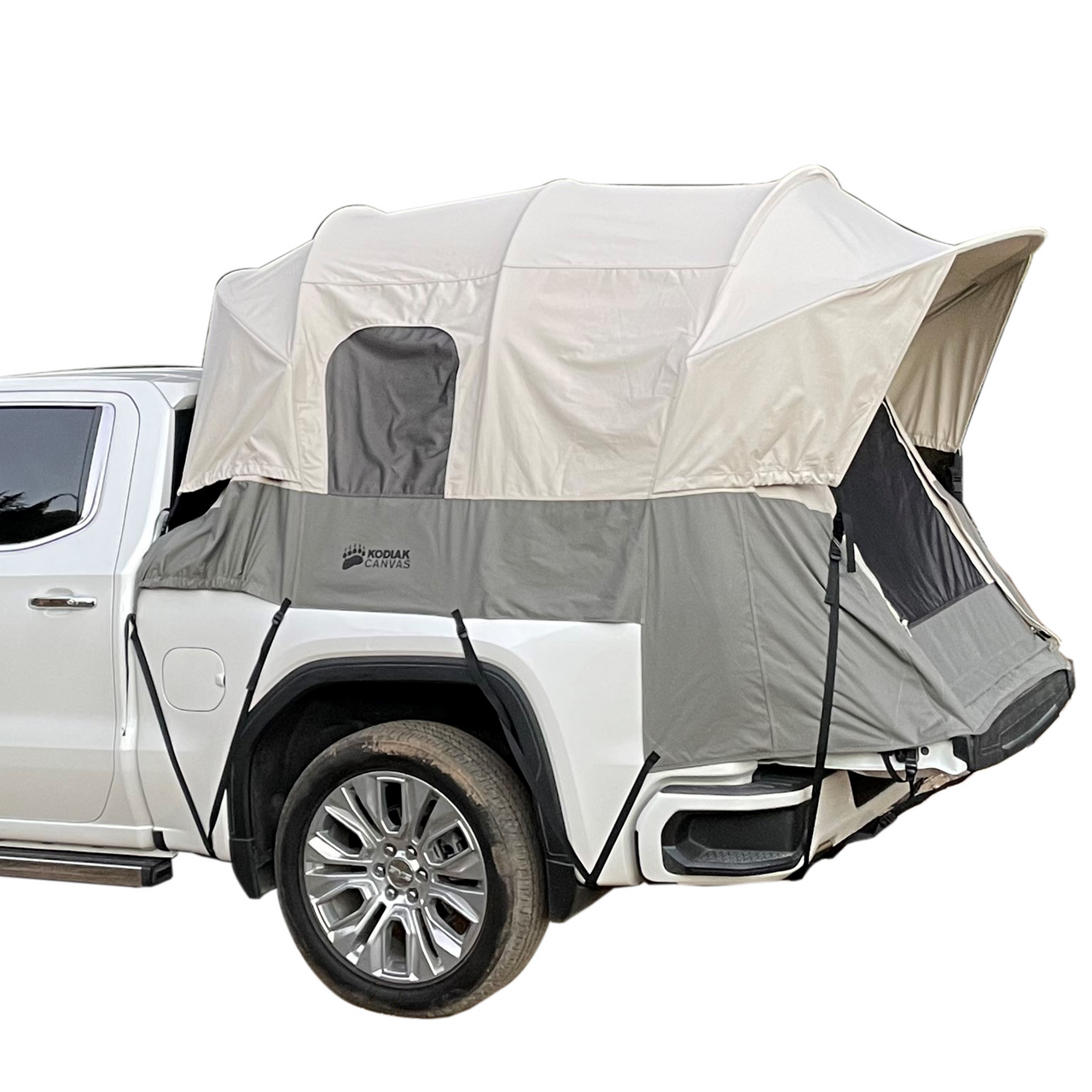
If you ask, Is It Better To Sleep In A Car Or Tent?, the greener option is the one that fits the rules, avoids idling, and protects the site you use.
Source: kodiakcanvas.com
Real-World Scenarios and Picks
Here is how I decide in common trips, based on years of guiding and my own mistakes.
- Trailhead at dawn in the mountains
- Pick: Car. It is warm, fast, and safe in the lot.
- Tip: Pre-make a flat platform and keep the pack ready.
- Summer family campground
- Pick: Tent. More space, better breeze, and kid-friendly.
- Tip: Use a big fly and a foam pad for quiet nights.
- Urban overnight while road-tripping
- Pick: Car. Low profile and secure. Check local laws first.
- Tip: Use legal lots and arrive late; leave early.
- Desert heatwave
- Pick: Tent in shade or a simple bivy under a tarp.
- Tip: Airflow beats a hot car box. Hydrate well.
- Winter shoulder season
- Pick: Car unless you have a true winter tent and pad.
- Tip: Vent a little and avoid breathing into your bag.
Asked straight, Is It Better To Sleep In A Car Or Tent?, the answer changes with place, rules, and season. Choose the one that stays safe in the worst hour of the night.
Pro Tips for Better Sleep Anywhere
These small steps make big gains, no matter your setup.
Car sleep tips:
- Build a flat platform. Measure before you cut.
- Use blackout window covers. Reflective shades help with heat.
- Crack two windows on opposite sides. Add bug screens.
Tent sleep tips:
- Stake and guy every point in wind and rain.
- Use a pad with the right R-value. Add a liner for shoulder seasons.
- Vent the fly. Cross-breeze lowers condensation.
Universal tips:
- Eat a warm, simple meal. Avoid heavy booze before bed.
- Keep water, a light, and warm layers within reach.
- Test your setup at home first.
If you still wonder, Is It Better To Sleep In A Car Or Tent?, try one night each in safe conditions. Your body will tell you fast.
Frequently Asked Questions: Is It Better To Sleep In A Car Or Tent?
Is it safe to sleep in a car with the windows closed?
It is not ideal. A small crack in two windows helps airflow and reduces condensation. Never idle the engine while sleeping.
What sleeping pad R-value do I need for a tent in cold weather?
Aim for R 4 or higher near freezing. Stack a foam pad under an air pad for better warmth and puncture safety.
How do I deal with condensation in a car or tent?
Vent both setups. Crack the windows in the car and open the low and high vents on the tent. Wipe down damp spots in the morning.
Can I legally sleep in my car anywhere?
No. Many cities restrict it, and some lots forbid it. Check local rules, park signs, and land manager guidelines before you sleep.
Is It Better To Sleep In A Car Or Tent for safety?
In cities and storms, a car can be safer. In parks with clear camping rules and no car sleeping allowed, a tent is the safer legal choice.
Which is more comfortable for side sleepers?
A tent with a thick, flat pad is often best. In a car, build a flat platform and use a real pillow for support.
How do I stay warm without running the car?
Use a rated sleeping bag, a warm hat, and a high R-value pad. Add a blanket on top to cut drafts.
Conclusion
So, Is It Better To Sleep In A Car Or Tent? It depends on the season, the laws, and how flat and warm you can make your bed. Cars shine in cold, wind, and stealth stops. Tents win in heat, space, and campground comfort. Safety and sleep quality should lead your choice.
Pick your shelter for the worst hour of the night, not the best. Set it up right, test it once, and you will sleep well on the road. Want clearer outdoor tips?
Subscribe, share your setup wins and fails in the comments, and tell me what you want tested next.