

How To Prevent Condensation In A Tent During Winter?
Stop waking to wet walls. How to Prevent Condensation In A Tent During Winter with smart venting, site choice, vapor barriers, and liners. Get easy wins. Vent your tent, limit moisture, choose pitch wisely, and wipe condensation early. Winter camping rewards patience and skill.
In this guide, I show you how to prevent condensation in a tent during winter with proven methods from field use and gear testing. You will learn the science, the setup, the habits, and the gear that keep your shelter dry, warm, and safe. If you want a clear, trusted answer to how to prevent condensation in a tent during winter, you are in the right place.

Source: youtube.com
Understanding Winter Tent Condensation
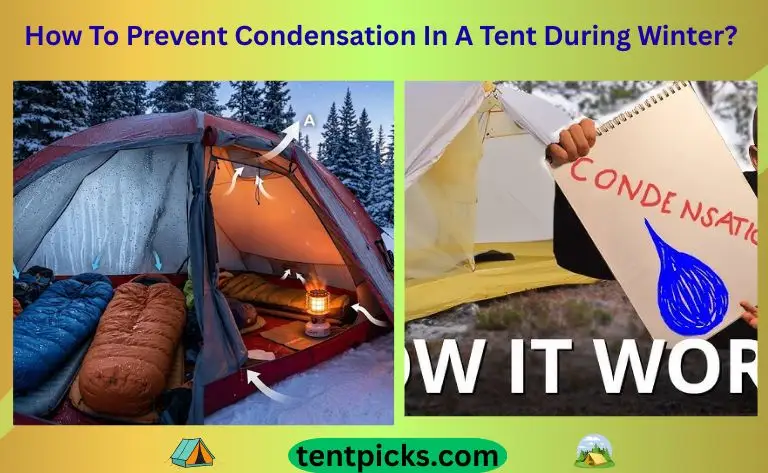
Condensation is water vapor that turns into liquid when warm, moist air meets a cold surface. In winter, your tent wall is often the coldest thing around. Your breath, wet clothes, snowmelt, and cooking add moisture. When the inner air cools to the dew point, water collects or freezes as frost.
Double-wall tents help because the fly takes the frost and the inner tent stays drier. But even good tents get wet if you do not manage moisture and airflow.
Knowing how to prevent condensation in a tent during winter starts with this simple idea: reduce indoor humidity and move air out before it hits a cold wall. I have seen this again and again on windy ridges and quiet forest sites. Small tweaks matter.
Source: pfbereg.com
Site Selection and Pitch Strategy
Your pitch is your first defense. A bad site can turn any premium tent into a wet cave.
- Avoid low spots where cold air pools. Valleys and depressions trap moist air.
- Look for light wind. A gentle breeze helps vent the tent without chilling you.
- Do not camp right by water. Lakes, streams, and wet meadows add humidity.
- Use natural wind blocks. Trees or boulders break gusts but still allow airflow.
- Tension the fly tight. A tight fly sheds frost and keeps fabric off the inner tent.
- Keep a small gap at the fly skirt. A slight ground clearance boosts airflow.
When I coach new winter campers, I tell them this: how to prevent condensation in a tent during winter starts before you unroll the tent. Read the terrain, feel the wind, then pitch with purpose.

Source: hot-tent.com
Ventilation That Actually Works In Cold
You need airflow, even when it is freezing. The goal is steady, gentle exchange. Swap moist air for drier air, without turning your tent into a wind tunnel.
- Crack high vents and a low zip. Warm air rises; give it a top exit and a bottom intake.
- Create crossflow. Open two small vents on opposite sides for smooth air movement.
- Keep a mesh panel open. One small mesh window can make a big difference.
- Manage the vestibule. Do not seal it tight; leave a finger-width gap if weather allows.
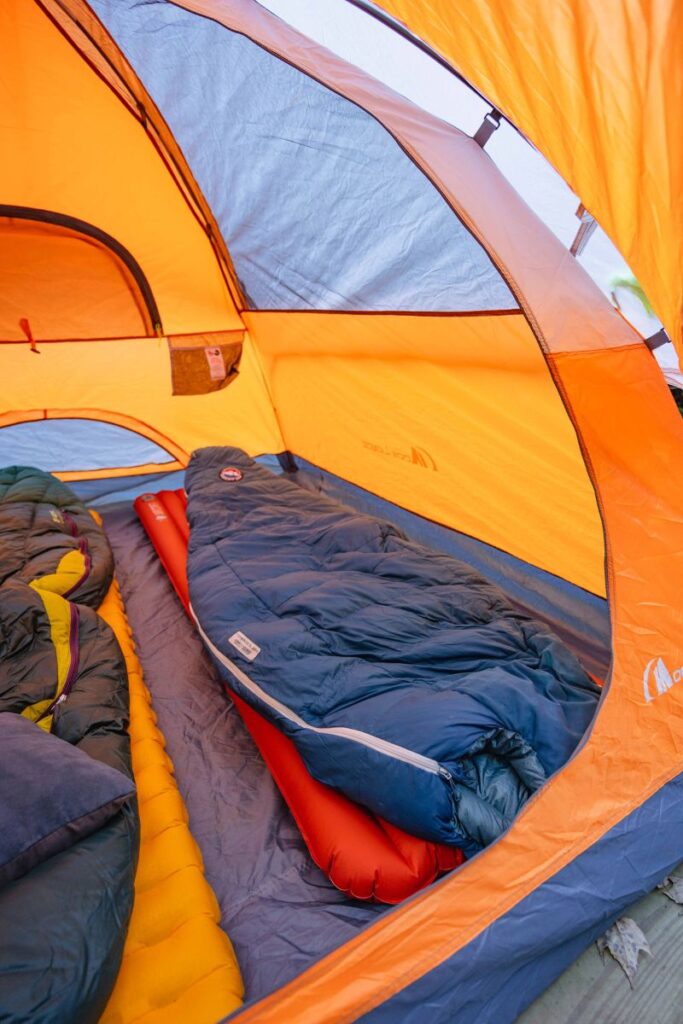
- Avoid touching fabric. Keep sleeping bag and puffy from pressing the wall, which wicks moisture.
A trick I use on calm nights: I place a glove in the door zipper to hold a tiny gap. It looks odd, but it keeps a whisper of airflow and cuts frost. If you ask how to prevent condensation in a tent during winter without freezing, this is the move: small vents, placed smart.

Source: appalachianoutfitters.com
Gear Choices That Reduce Moisture
Good gear does not stop physics, but it gives you margin.
- Choose a double-wall tent. The fly takes most frost; the inner stays drier and warmer.
- Pick a breathable inner. Solid fabric breathes less than mesh, but both can work with vents open.
- Use a groundsheet that is not too big. Excess footprint sticking out catches rain or melt and pools water under you.
- Consider a bivy or liner for your bag. It contains moisture and keeps frost off the insulation.
- Use a vapor barrier liner in deep cold. It keeps sweat from loading your down, though it feels clammy for some.
- Pack a small pack towel. Wipe frost early before it melts and soaks your gear.
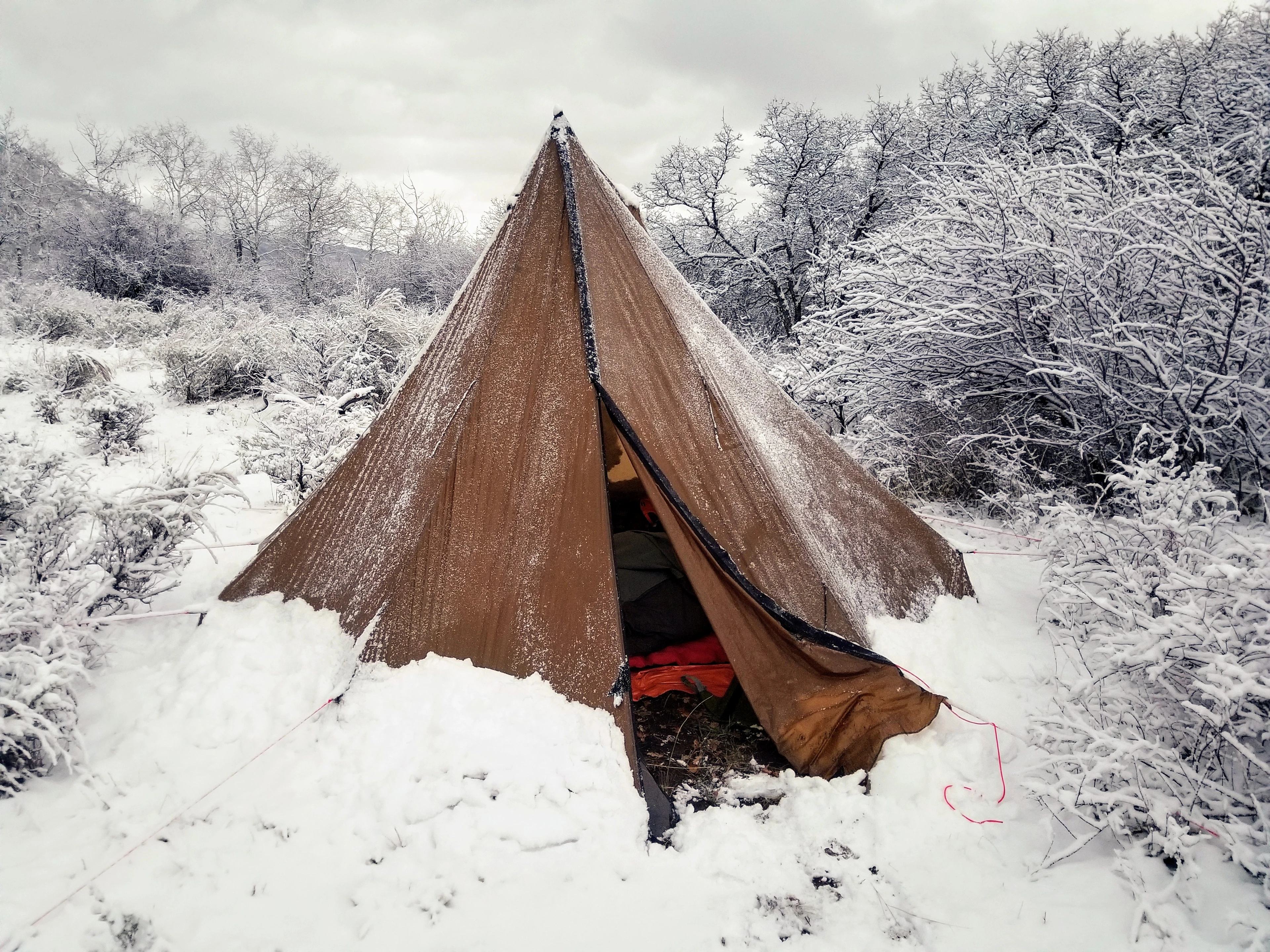
My rule after many sub-zero trips: if you want to master how to prevent condensation in a tent during winter, match your tent design to the forecast. Single-wall shelters save weight but demand perfect venting. Double-wall tents forgive more mistakes.
Source: madelyneonthemove.com
Moisture Management Habits
Your habits decide how wet your tent gets. Simple choices add up to dry nights.
- Manage breathing. Do not bury your face in your bag. Use a fleece neck gaiter to warm and guide breath away.
- Bag wet items. Seal damp socks, gloves, and filters in a dry bag, not hung in the inner tent.
- Shake off snow outside. Brush off before you enter so it does not melt inside.
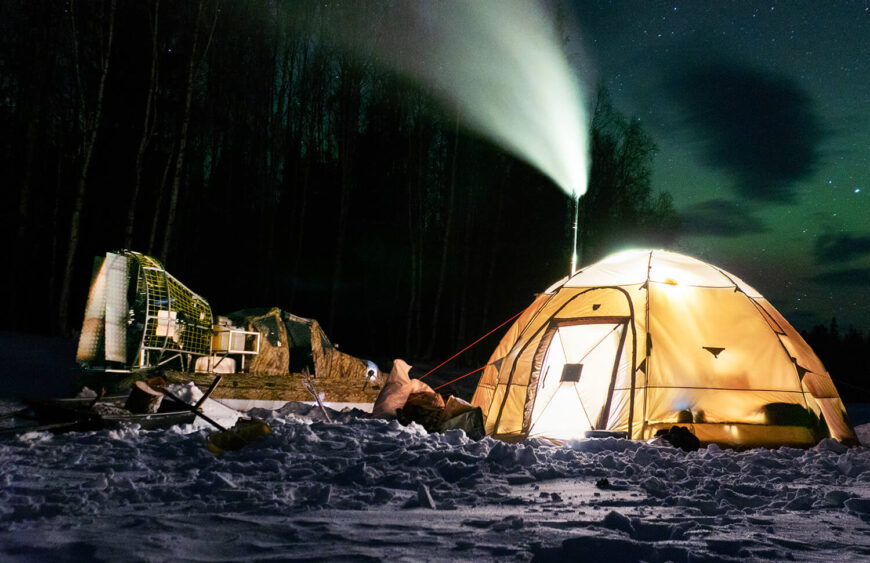
- Limit water vapor. Do not boil inside. If you must, do it in a wide-open vestibule with full venting.
- Dry with body heat. Keep damp liners close to your mid-layer while moving, not in the tent at rest.
- Wipe often. I do a quick wall wipe after dinner and at first light to stop drip points.
If you are still asking how to prevent condensation in a tent during winter, start with this daily rhythm: keep wet out, vent all night, wipe at set times.
Source: seekoutside.com
Heat and Cooking: Safe Methods That Do Not Spike Humidity
Open flames inside a tent are dangerous. They also dump water into the air. Burning fuel makes heat and water. That is the last thing you want.
- Cook outside or in a fully vented vestibule. Keep the flame away from fabric and never leave it unattended.
- Skip candle lanterns for drying. They add humidity and fire risk with little payoff.
- Use a hot water bottle. Fill a hard bottle with hot water, seal tight, and place it in your bag. You gain warmth without adding vapor.
- Warm your core before bed. Do a few light squats or pushups. Warm air holds more moisture, so follow this with open vents.
Safe heat habits matter as much as gear. The smartest way to prevent condensation in a tent during winter is to make heat without steam.
Source: roofnest.com
Step-by-Step Night Setup Checklist
Follow this short plan each time. It keeps you honest when you are cold and tired.
- Pick a site with a light cross-breeze and no low spot.
- Pitch the fly tight with a small ground gap.
- Open a high vent and crack a low zip for crossflow.
- Stow wet gear in sealed bags. Brush off snow before entry.
- Lay out a small towel for quick wipes.
- Boil and eat outside or in a wide-open vestibule.
- Place a hot water bottle in your bag. Keep face outside the bag.
- Do a quick wipe at lights out and at dawn.
Practice this checklist on a backyard test night. You will feel the payoff fast. This is my go-to routine for how to prevent condensation in a tent during winter, from local hills to long snow trips.
Troubleshooting: If Frost Still Forms
Even good setups can frost when temps swing, or wind dies. Here is what to do.
- Mid-night fix. Crack vents a touch more. Pull the bag off any walls. Wipe the worst spots.
- Morning routine. Shake the fly outside. Brush the inner tent. Pack a dry sleep kit bag for the next night.
- Dry with sun and wind. If the day is clear, pitch the fly at lunch and air it for ten minutes.
- Reassess site and habits. Are you near water? Are vents blocked by gear? Did you cook inside?
Keep notes in your phone. Track what worked and what did not. Over a few trips, you will master how to prevent condensation in a tent during winter in your exact climate and shelter.
Frequently Asked Questions of How To Prevent Condensation In A Tent During Winter?
Does a double-wall tent stop condensation completely?
No. It manages where moisture lands. The fly takes frost while the inner stays drier. You still need vents and good habits.
Can I close all vents when it is below zero?
No. You need some airflow in all temps. Close less-used vents, but keep a small high and low opening.
Is it safe to cook inside the tent to add heat?
Do not cook inside the inner tent. Use a fully vented vestibule and watch for carbon monoxide and fire risk.
Will a small heater solve condensation?
Most heaters add moisture or risk. Better to vent, manage wet gear, and use a hot water bottle for safe warmth.
How much water do people breathe out at night?
A person can exhale up to a liter overnight. That is why airflow and wipes matter so much.
What is the fastest way to dry a frosty fly in the morning?
Shake off frost, then hang the fly in moving air or sun for 10 minutes. Pack it on the outside of your pack if still damp.
Does snow camping make condensation worse?
It can. Snow adds humidity and cold surfaces. Good venting and a tight fly gap help a lot.
Conclusion
Keeping your shelter dry in the cold is a skill you can learn and repeat. Choose the right site, vent with intent, control moisture at the source, and wipe early and often. Match your gear to the forecast, and follow the simple checklist each night. That is how to prevent condensation in a tent during winter, trip after trip.
Put these tips to work on your next cold-weather camp. Test them in your yard, then on the trail. Want more winter camping guides and gear checklists? Subscribe, share your questions in the comments, and tell me what works for you.






2 Comments