

How To Live In A Pop Up Camper In The Winter?
How To Live In A Pop Up Camper In The Winter? Stay warm with insulation hacks, safe heating options, and budget tips for cozy, low-stress cold-weather camping. Insulate well, manage heat and moisture, and plan power and water wisely. If you want to know how to live in a pop-up camper in the winter, you are in the right place.
I have done it through storms and deep freezes. This guide gives you clear steps, tested tips, and smart gear picks. You will learn how to live in a pop-up camper in the winter with comfort and safety.
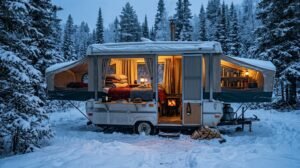
What Winter Does To A Pop-Up Camper
Canvas and vinyl lose heat fast. Floors leak cold air. Metal frames bridge heat outside. Moist air turns to frost on cold walls.
Plan for heat, airflow, and water control. That is how to live in a pop up camper in the winter with fewer surprises. A small fix in fall saves a big mess in January.

Source: youtube.com
Pre-Season Prep And Essential Gear
Check the shell before the first freeze. Small gaps grow in cold. Fix them early.
Use this core checklist:
- Seal roof seams, windows, and corners with RV-grade sealant. Check zippers and snaps.
- Add thermal liners for bunk ends. Use Reflectix or insulated curtains on soft walls.
- Skirt the camper with foam board or vinyl to block wind under the floor.
- Carry a safe heater, a CO detector, and a fire extinguisher.
- Bring a dehumidifier or desiccant. Keep towels for daily wipe-downs.
- Pack winter bedding, a heated mattress pad, and zero-degree sleeping bags.
- Use a heated hose or jugs for water. Keep a tote for gray water.
- Store spare fuses, a GFCI tester, and an extension cord rated for cold.
- Track weather with alerts. Keep chains, a shovel, traction mats, and an ice scraper.
Use this list as your base plan for how to live in a pop up camper in the winter. It sets you up before the first cold snap.

Source: reddit.com
Insulation And Draft Control
Start at the big leaks. Then polish the small ones. Insulation is a system, not a single product.
Do this first:
- Line bunk ends. Use thermal liners inside. Add Reflectix inserts. Seal edges with Velcro.
- Cover windows at night. Remove covers by day to let sun in.
- Add a thick rug or foam tiles on the floor. Seal floor seams with tape.
- Install a wind skirt. Foam board with tape works. Commercial skirts save time.
- Treat the door and soft-wall seams. Use weatherstripping where fabric meets frame.
- Add a small fan to move warm air into bunk ends.
These steps make a huge difference in how to live in a pop up camper in the winter. Warm air stays inside. Cold drafts stay outside.

Source: youtube.com
Safe Heat: Propane, Electric, And Diesel
Pick heat you can trust. Plan your fuel and clear the air.
Core options:
- Vented propane furnace. Safe and strong. Needs 12V power for the fan.
- Catalytic propane heater. Silent and efficient. Crack a vent and add a CO alarm.
- Electric space heater. Clean heat on shore power. A 1500W unit gives about 5,120 BTU.
- Oil-filled radiator. Slow but even heat. Safer near fabric.
- Vented diesel or gas heater. Sips fuel. Needs installation and 12V.
Fuel math is key in how to live in a pop up camper in the winter. One 20 lb propane tank holds about 430,000 BTU. A 9,000 BTU heater on high can drain it in about two days. Always:
- Use a CO detector and test it often.
- Keep one roof vent open a crack.
- Maintain clear space around heaters.
- Set a tip-over shutoff on portable units.

Source: reddit.com
Moisture, Ventilation, And Condensation Control
Warm air holds water. Cold canvas forces it out. That is why you get damp beds.
Do the simple things daily:
- Vent when cooking or boiling water. Use lids. Avoid long steams.
- Run a small fan low and slow. Move air into cold corners.
- Wipe windows and soft walls each morning.
- Use a dehumidifier if you have shore power. Use desiccant if you do not.
- Add a vapor barrier under mattresses. Use a slatted mat to lift them.
These habits define how to live in a pop up camper in the winter without soggy gear. Dry air feels warmer. Dry walls last longer.

Source: noblecountyagsociety.com
Power Strategy For Cold Nights
Cold kills battery output. Solar drops in short days. Plan for the gap.
Power tips:
- Keep batteries warm. Use an insulated box or a heat pad.
- Lithium works great with a warm box. Lead-acid handles cold but loses capacity.
- Budget loads. A 1500W heater needs shore power or a large generator.
- Solar gives less in winter. Tilt panels to the low sun.
- Use a small generator as a backup. Follow quiet hours and airflow rules.
- Watch voltage. Low voltage can trip your furnace fan and leave you cold.
A smart power plan is central to how to live in a pop up camper in the winter with steady heat.
Source: theadventureportal.com
Water, Plumbing, And Bathroom In Freezing Weather
Frozen pipes ruin trips. Keep it simple and safe.
Pick one of three setups:
- Dry camping. Fully winterize. Use jugs for fresh water. Use a tote for gray water.
- Partial system. Heated hose to city water with a pressure regulator. Insulate lines. Add heat tape where safe.
- Full system. Insulate the tank and lines. Add 12V heat pads. Keep the belly warm with skirting.
For toilets:
- Cassette or portable toilet works well in cold. Use winter-safe treatments.
- A composting toilet avoids freeze risk. Needs airflow for the fan.
- Black tanks can freeze. If you use them, add heat pads and dump when warm.
This mix is the backbone of how to live in a pop up camper in the winter without floods or ice.

Source: reddit.com
Sleep And Daily Routine Comfort
Sleep is your heat budget reset. Make it count.
Use layers:
- Mattress topper, heated pad, flannel sheets, and a down or synthetic quilt.
- Wear a light base layer and warm socks to bed.
- Use a hot water bottle at your feet.
Daily habits help:
- Keep a boot tray and a drying line by the door.
- Cook simple, low-moisture meals on very cold nights.
- Do a five-minute wipe and sweep each morning.
These small moves decide how to live in a pop up camper in the winter with calm, cozy nights.

Source: reddit.com
Campsite Choice, Weather, And Risk Management
Pick your fight with the weather. Terrain is free insulation.
Smart choices:
- Park with the nose to wind. Use trees or berms as windbreaks.
- Seek morning sun. Shade keeps frost longer.
- Check forecasts and wind chills. Know your bail-out temp.
- Keep an exit plan and a backup site.
- Store a go-bag in the tow vehicle.
Good site picks are a quiet win in how to live in a pop up camper in the winter with less fuel and stress.
Budget And Realistic Limits
Cold costs money and time. Set limits that fit your gear.
Expect costs:
- Propane use rises in long cold snaps.
- Electric heat saves propane on shore power fees.
- Insulation upgrades pay back fast in fuel saved.
Know the line. Fabric walls can only do so much. Below 0°F, comfort falls fast. In wind, it drops faster. A clear limit is part of how to live in a pop up camper in the winter without burnout.
Field Notes And Lessons Learned
I learned the hard way on a -10°F night in Wyoming. I sealed every vent. The heater ran hot. My CO alarm chirped. I cracked the vent and slept fine. Airflow matters.
More lessons:
- I once skipped skirting in a breeze. My floor felt like ice. Skirting fixed it in an hour.
- A vinyl window cracked at dawn. Warm it first before you fold.
- I now carry two heaters. One fails, the other saves the night.
- I log fuel use. The log calls out drafts and bad habits.
These notes show how to live in a pop up camper in the winter with fewer risks and better sleep.
Frequently Asked Questions: How To Live In A Pop Up Camper In The Winter?
Is it safe to run a propane heater overnight?
Yes, with care. Use a CO detector, crack a vent, and keep clear space. Vented heaters are safest for long runs.
How much propane will I use per week?
It depends on size, insulation, and temps. A small camper in the 20s can burn 10–20 lb a week with mixed heat.
Can I keep pipes from freezing in a pop-up?
Yes, but it takes work. Insulate lines, add heat pads, and use a heated hose, or go with jugs and a dry system.
What temperature is too cold for a pop-up camper?
Many pop-ups struggle below 10–20°F, especially in wind. Fabric walls and floor loss set the limit.
Will solar panels work in winter?
They do, but output drops a lot. Tilt panels to the sun and expect less power on short, cloudy days.
How do I stop condensation on the canvas?
Vent a little, run a fan, and wipe each morning. Use a dehumidifier on shore power and add a vapor barrier under beds.
Conclusion
Winter in a pop-up is possible, and it can be great. Insulate, heat safely, vent enough, and keep water simple. Track fuel, watch the sky, and set your limits.
Start with one section today. Skirt the rig. Add a CO detector. Make a fuel plan. Then test for one cold weekend before a long stay. Want more tips like this?
Subscribe for updates or share your own winter wins in the comments.