


What Is The Best Tent For Winter Camping? | Top Picks 2026
What Is The Best Tent For Winter Camping? See expert picks, insulation tips, and budgets to stay warm, safe, and dry in snow. Upgrade your shelter now. The best winter tent is a true four-season, double-wall, geodesic shelter. You want a tent that stands in high wind, sheds heavy snow, and stays dry. I have led winter trips for years and tested gear in whiteouts and subzero nights.
In this guide, I answer What Is The Best Tent For Winter Camping? with clear picks, simple tests, and field tips you can trust. Read on to choose a tent that keeps you safe when the weather turns fast.

Source: alpkit.com
What Makes a Tent “Best” for Winter Camping
When people ask What Is The Best Tent For Winter Camping?, I look at load and wind first. Your tent must hold snow and resist gusts. A geodesic dome with many crossing poles does that best.
Choose a double-wall for storm camping. The inner holds heat and cuts frost. The outer fly blocks wind and snow. Good vents fight moisture and keep air fresh.
Key benchmarks I use in the field:
- Pole strength matters. Thick aluminum poles, about 9 to 11 mm, bend less.
- Fabric counts. A tough fly with 30–40D nylon and silicone works well.
- Water resistance helps. Aim for a 3000 mm fly and 5000 mm floor rating.
- Lots of guys add safety. More lines spread the force of the wind.
- Big vestibules help with snow gear. You want a dry place to cook and store.
If weight is key, a single-wall tent saves pounds. But it needs great vents and care with moisture. For base camp, a double-wall or hot tent feels safer and calmer.
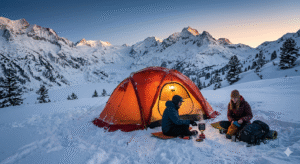
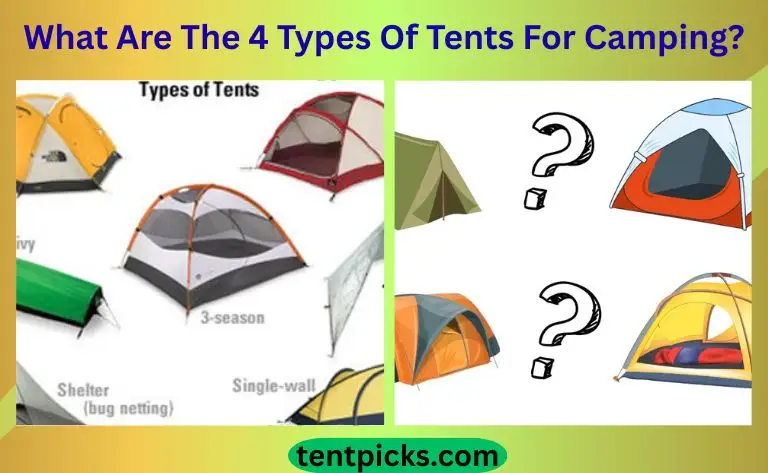
Types of Winter Tents Explained
There is no single answer to What Is The Best Tent For Winter Camping?. The right type depends on your route and style.
Mountaineering double-wall domes
- Best for high wind and heavy snow.
- Warmer and less frost inside.
- Heavier and slower to pitch.
Single-wall alpine tents
- Light and fast for steep climbs.
- Quick to pitch in bad weather.
- More prone to condensation. Needs smart vent use.
- Great space-to-weight ratio.
- Strong if pitched end-to-wind.
- Needs good anchors and wind alignment.
Pyramid and tipi shelters
- Huge space and simple setup.
- Good for deep snow with a central pole.
- Needs skill with snow walls and inner nests.
Hot tents with a stove jack
- Cozy heat for group base camps.
- Dry gear fast and lift morale.
- Heavier and needs stove safety skills.

Source: thewiseadventurer.com
Key Features to Compare
To decide What Is The Best Tent For Winter Camping for winter camping, compare features side by side.
Structure and poles
- Geodesic frames spread stress and shed snow.
- More pole hubs and crossings add strength.
Fabric and coatings
- Silicone-coated nylon resists tears in cold.
- Snow skirts help seal drafts and spindrift.
Doors and vestibules
- Two doors ease exits in storms.
- Large vestibules protect cooking and storage.
Ventilation and condensation control
- Roof and low vents create a flow path.
- Mesh on inner doors helps fine-tune airflow.
Anchors and guylines
- Include many guy points and long cords.
- Bring snow stakes and cord for deadman anchors.
Weight and packability
- Solo alpine trips favor lighter single-walls.
- Sled or base camp trips can carry heavier domes.
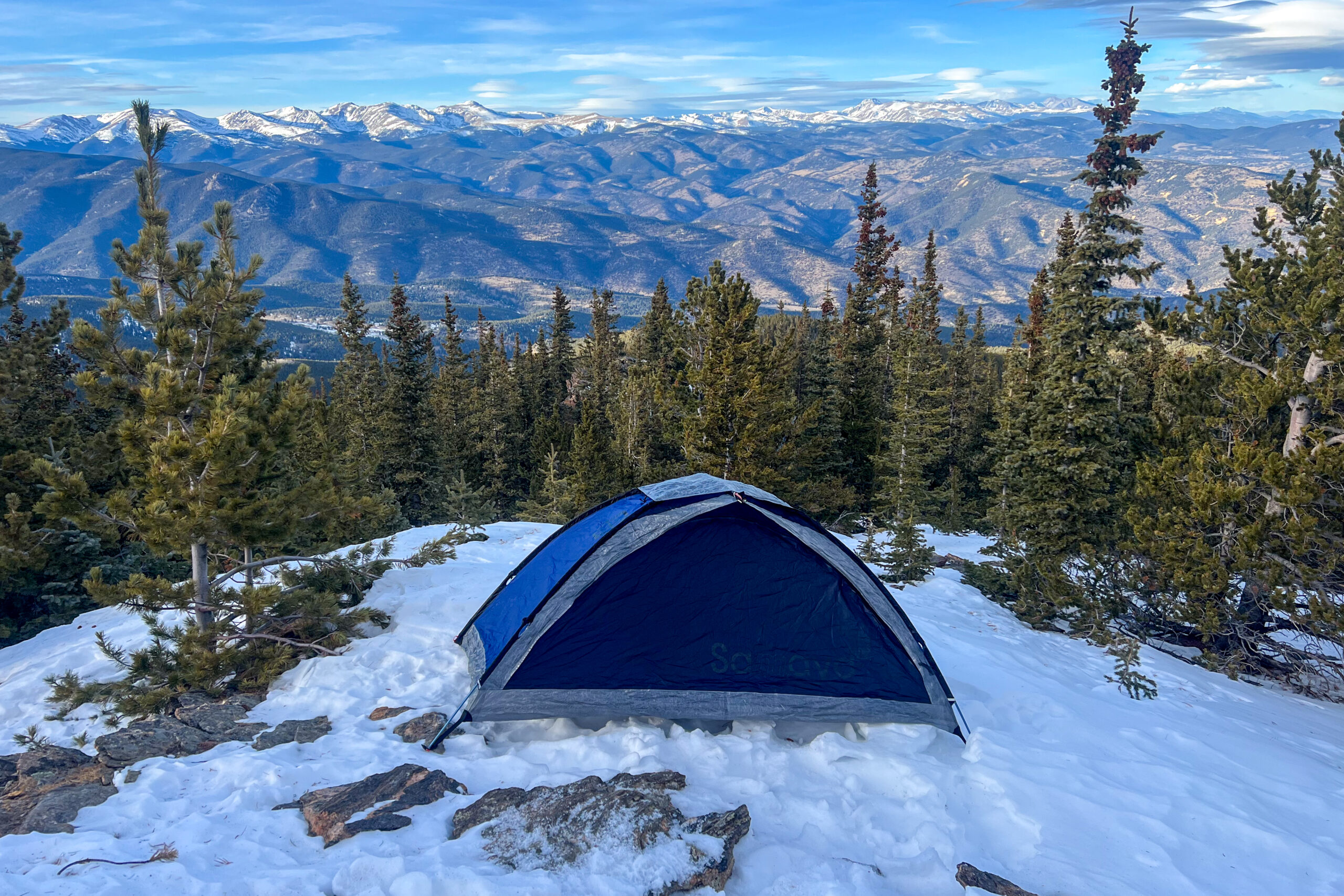
Source: cleverhiker.com
Real-World Picks and When to Choose Each
What Is The Best Tent For Winter Camping? depends on your trip plan. Here is how I match tents to common use cases.
High alpine, above treeline
– Strong double-wall geodesic dome.
- Many pole crossings, big vestibule for gear.
- This is my go-to when a blizzard is likely.
Fast and light push
- Single-wall alpine tent with top and side vents.
- Small footprint to fit tight rock ledges.
- I open vents even in the snow to cut frost.
Group base camp with sleds
- Large double-wall or hot tent with stove jack.
- Room to stand, cook, and dry layers.
- Plan clear rules for stove use and venting.
Deep forest snow camping
- Pyramid or tipi with snow walls.
- Add an inner nest for splash and warmth.
- Great blend of speed and protection.
Mixed routes, woodline to ridge
- Tunnel tent for space and good wind handling.
- Pitch end-on to the wind and set many guylines.
- Quick to set and roomy in bad weather.
Field note from a storm night: I once sealed every vent to block spindrift. The tent warmed fast, then rained frost on us by dawn. Since then, I have always kept a trickle of airflow. Dry air feels colder at first, but keeps bags and clothes drier.

Source: sportt-tt.com
Sizing, Setup, and Site Selection
What Is The Best Tent For Winter Camping? This also means the best size and site. Space saves stress on long nights.
Right size
- Go one person up from your group size.
- Extra space stores boots, shells, and wet bags.
Smart setup
- Stomp a platform and let it sinter for 30 minutes.
- Use deadman anchors with sacks or sticks.
- Build a short wind wall, but keep it vented.
Safe site
- Avoid avalanche paths and tree fall zones.
- Face the door away from the wind.
- Dig a cold well in the vestibule to trap cold air.
Practice at home with gloves on. Time your pitch. Pack poles and parts in order. Small habits make cold setups calm and fast.
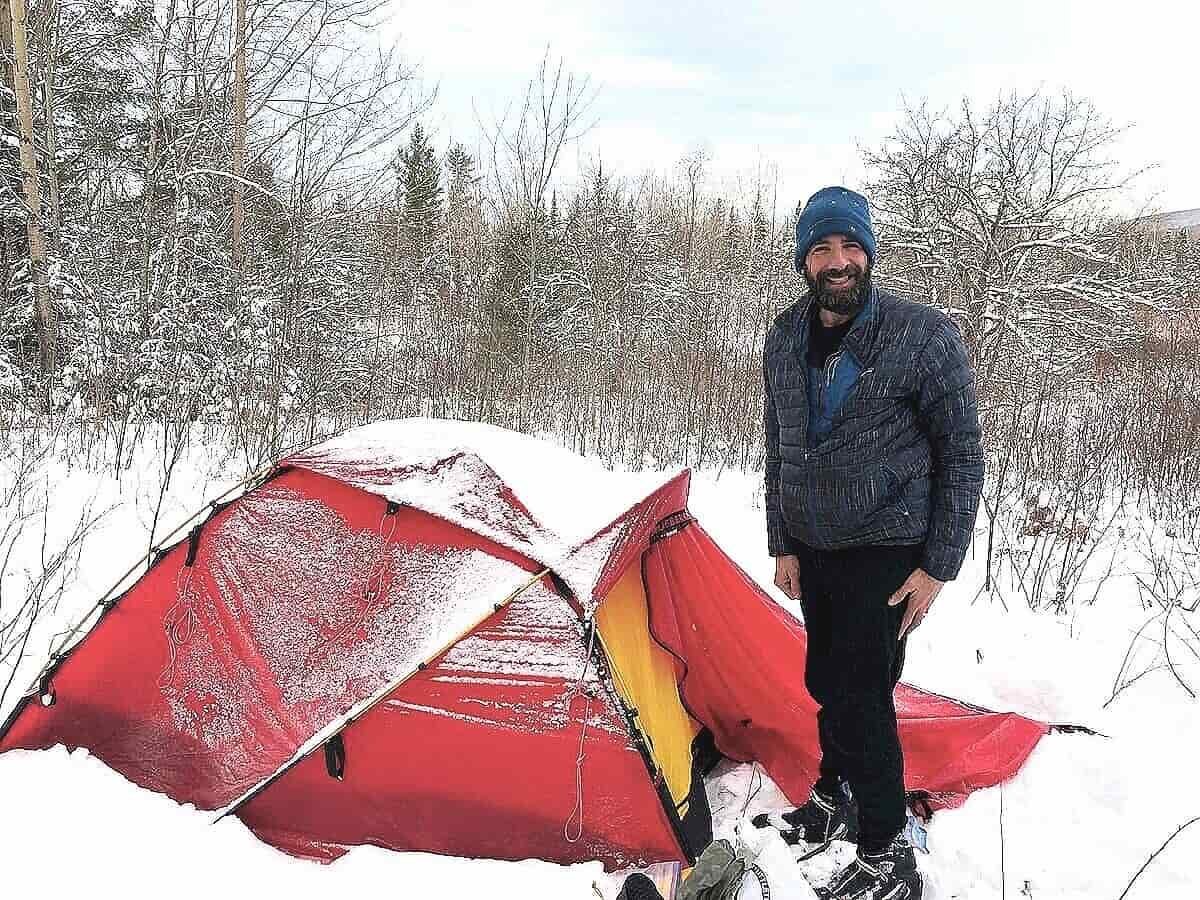
Source: treelinereview.com
Safety, Ventilation, and Condensation Control
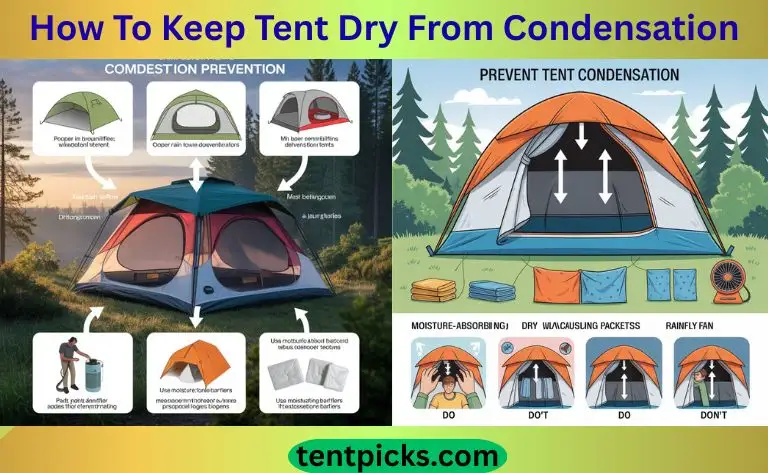
Ask again, What Is The Best Tent For Winter Camping? It is the one that stays dry inside. Condensation is the top complaint I hear.
Simple rules
- Vent high and low to move wet air out.
- Cook in the vestibule with doors cracked wide.
- Never run fuel stoves inside a sealed tent.
Moisture hacks I use
- Keep a small towel for frost wipe-downs.
- Sleep with vent zips slightly open on both ends.
- Store damp items in a dedicated dry bag.
Carbon monoxide is silent. Use safe stoves and fresh air. A candle can add a touch of warmth, but it still needs venting.

Source: battlbox.com
Budget, Value, and Longevity
What Is The Best Tent For Winter Camping? It should fit your budget and last for years.
Buy smart
- Spend on poles and fabric first. Structure saves lives.
- A solid used tent can be a great value.
- Rent for your first trip to test features.
Think lifespan
- Seam seal and refresh DWR each season.
- Replace worn guylines and zipper pulls.
- Good care doubles the usable years of a tent.
If funds are tight, pick a strong pyramid with a solid inner. Add good anchors and guylines. Skill can close much of the gap to high-end domes.
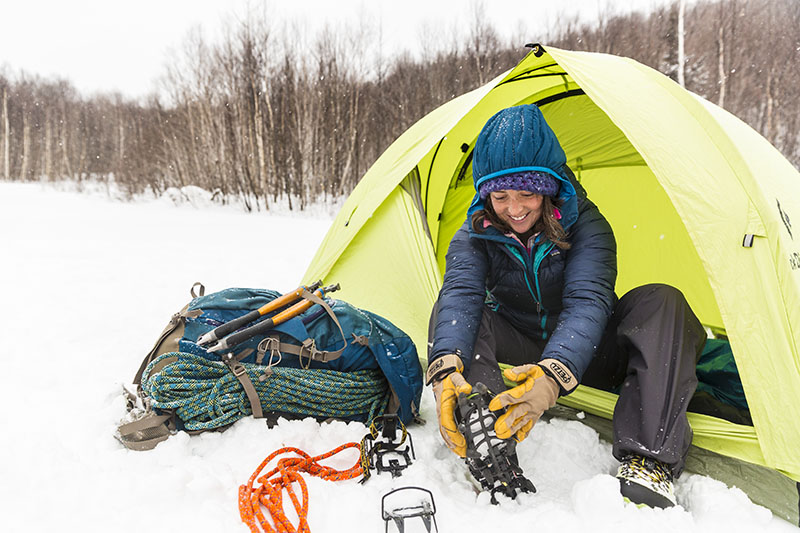
Source: outdoors.org
Maintenance and Field Repairs
What Is The Best Tent For Winter Camping? This also means the one you can fix fast in the field.
Field repair kit
- Pole splint and tape.
- Tenacious tape and seam sealer.
- Spare guyline, cord locks, and a few snow stakes.
- A small multitool and a needle with heavy thread.
Care steps after trips
- Dry the tent fully before storage.
- Store loose in a cool, dark place.
- Clean zippers and lube sliders.
- Check all guy points for wear or tears.
I once cracked a pole in a cold snap. A simple splint and tight tape kept the frame strong all week. Small tools mean big peace of mind.

Source: youtube.com
Frequently Asked Questions: What Is The Best Tent For Winter Camping?
What Is The Best Tent For Winter Camping?
A double-wall, four-season geodesic dome is the best choice for storms. It handles wind, sheds snow, and manages moisture better than most styles.
How many vents should a winter tent have?
At least two, placed high and low, create a good airflow path. More vents give you better control in mixed weather.
Do I need snow stakes for winter camping?
Yes, standard stakes pull out of loose snow. Use snow stakes or bury deadman anchors with sacks or sticks.
Is a single-wall tent warm enough?
Yes, if you manage moisture and wind well. Pair it with a warm sleep system and keep vents open a crack.
Are hot tents safe in winter?
They are safe with good venting and clear stove rules. Keep a fireproof mat, check the pipe, and never sleep with the stove running.
What floor rating should I look for?
Aim for a floor with at least 5000 mm of hydrostatic head. Use a groundsheet and high R-value pads for extra protection.
How big should my winter tent be?
Go one size larger than your group. Extra space keeps wet gear out of your sleeping area.
Conclusion
The best winter tent matches your route, weather, and style. For storms and high winds, choose a double-wall geodesic dome. For fast climbs, use a vented single-wall. For base camps, consider a hot tent or roomy pyramid. Practice your setup, vent for dry air, and carry a small repair kit.
Take the next step now. List your needs, set a budget, and pick the tent style that fits your plan. If this helped, share it with a friend or leave a question for deeper advice.

One Comment