

What Are The Best Geodesic Tents? | Top Picks And Guide 2026
Looking for What Are The Best Geodesic Tents? See 2026 top picks, pros and cons, and buying tips to choose a stormproof dome for harsh weather trips. The best geodesic tents blend storm strength, fast setup, and year-round comfort. If you want hard facts and field-tested picks, you are in the right place.
Here, I explain what makes geodesic tents special, how to choose one, and which models I trust. I also share simple tips that save time and keep you safe. If you wonder what the best geodesic tents are, you will get clear answers backed by real use and careful research.
Source: alibaba.com
What is a geodesic tent?
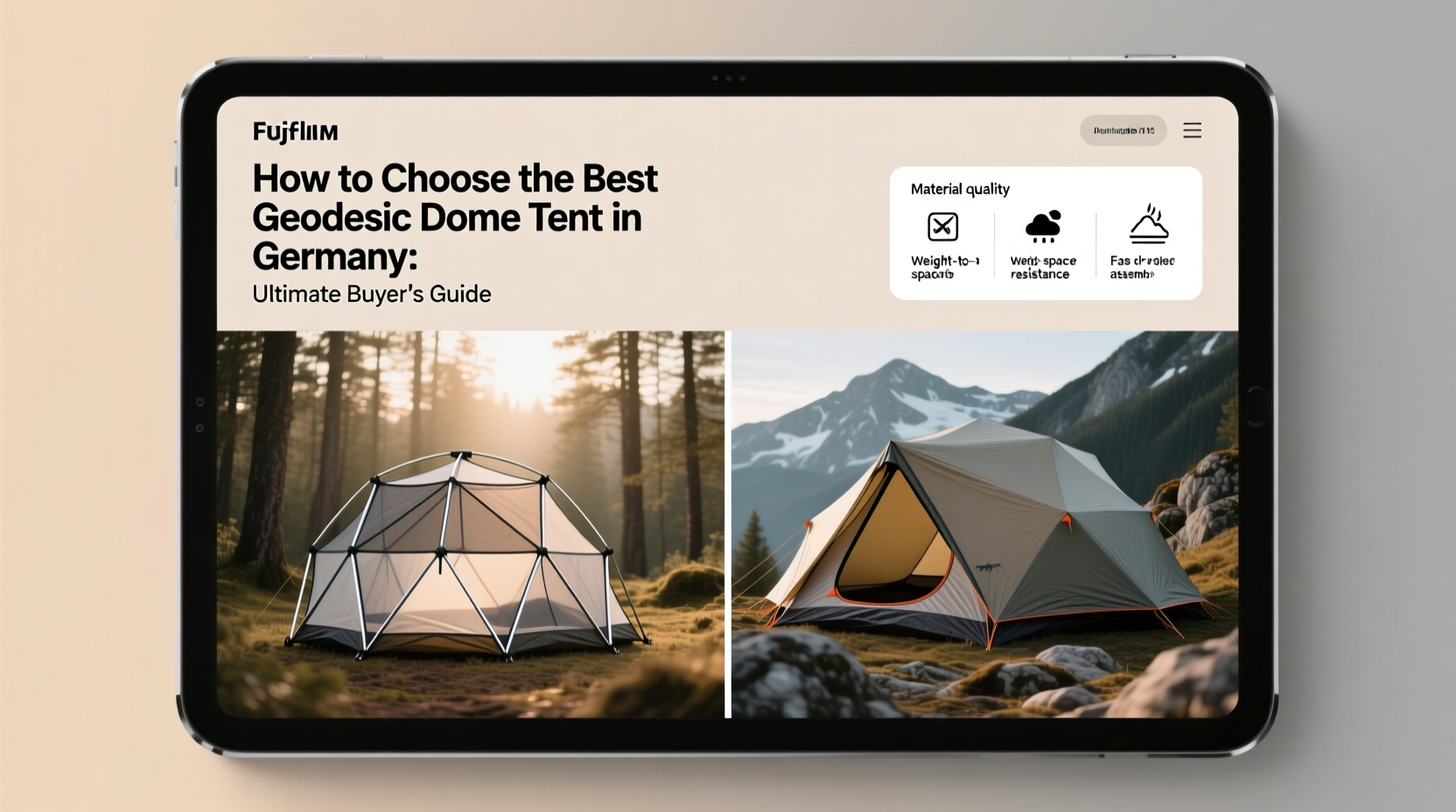
A geodesic tent uses many intersecting poles to form a strong dome. This web spreads wind and snow loads across the frame. The dome shape also sheds gusts from any angle.
Most geodesic tents are freestanding. That means they hold shape without stakes. This helps on rock, snow, and frozen ground. Many are 4-season tents built for winter and high wind.
You will also see semi-geodesic tents. These have fewer poles, but still cross many times. They are lighter and pack smaller. They can be enough for most winter trips below the high alpine.
Geodesic tents cost more than simple domes. They use high-grade poles and fabrics. The payoff is strength, safety, and a steady home in storms.
Source: pacificdomes.com
How to choose the best geodesic tents?
Picking the best geodesic tents starts with clear needs. Think about your trips, your partners, and your weather. The right choice balances safety, weight, and comfort.
What Are The Best Geodesic Tents?
Capacity and interior space
Choose true capacity. A 2-person geodesic tent is tight with winter gear. For long basecamps, size up one person. Watch peak height and wall angle. Steep walls boost usable room.
Season rating and fabric
Look for a 4-season or expedition label. Inner tents should be solid fabric for warmth. Flys should be strong, with high denier and tear strength. Floor fabric must be tough and have a high hydrostatic head.
Poles and geometry
More pole crossings mean more strength. DAC or Easton aluminum poles are a safe bet. External pole sleeves pitch faster in storms. Color-coded clips cut errors in low light.
Weight and packability
Weight climbs fast with strength. Know your carry style. For foot travel, aim for 6 to 8 pounds for two people. For Basecamp, weight can go higher without pain.
Set up and livability
Fast pitch matters in cold and wind. Linked inner and fly save time. Two doors and two vestibules make life easy. Big vents reduce frost and drip.
Source: tinyhouseplans.com
The best geodesic tents: top picks and who they suit
Below are the best geodesic tents I would buy today. I group them by the job they do best. All models are proven by many users in harsh weather. Specs may change, so check the latest details before you buy.
Best all-around expedition, 2-person
- Mountain Hardwear Trango 2. About 9.5 to 10 pounds. Floor near 40 square feet. Peak near 38 inches. Stable in high wind and heavy snow. Two doors and big vestibules. A classic that lasts many seasons.
Best basecamp, 3-person
- The North Face VE 25. About 11 to 12 pounds. Floor near 49 square feet. Tall and roomy. Warm inner and strong pole set. Great for long stays on ice or snow.
Best freestanding 4-season for backpacking
- Hilleberg Allak 2. About 6 to 6.5 pounds. True freestanding with two doors. Strong Kerlon fly and linked pitch. A fine pick for winter trips below treeline and light alpine.
Best for alpine pushes, 2-person
- Hilleberg Jannu. About 7 to 7.5 pounds. Semi-geodesic but very strong. Small footprint for tight ledges. Great balance of weight and safety.
Best value winter backcountry, 2-person
- MSR Remote 2. About 7 to 7.5 pounds. Good snow-load strength. Big vestibules and smart venting. A fair price for real 4-season use.
Best external-pole geodesic, fast pitch
- NEMO Chogori 2. About 7.5 to 8 pounds. Poles run outside the fly. Inner clips fasten in bad weather. Stable and simple once learned.
Best ultralight high-altitude shelter
- Samaya 2.0. About 3.5 to 4 pounds. Single-wall alpine tent. Small but strong for summit pushes. Demands careful vent use to manage moisture.
Best inflatable geodesic for car camping
- Heimplanet The Cave. About 10 to 11 pounds. Air beams form a geodesic frame. Super fast pitch with a pump. Fun, stable, and eye-catching.
Best heavy-duty group dome
- The North Face Geodome 4. Very large and heavy. Great for film crews and basecamps. Amazing wind stability for the size. Not for backpacking.
Best storm fortress, 2–3 person classic
- Marmot Thor 2P or 3P. About 10 to 12 pounds. Many pole crossings and stout fabrics. Cozy in long storms. Good price for the strength.
Notes from use
- Black Diamond Eldorado is a strong alpine tent. It is single-walled and very light for its class. It is not a true geodesic, but still a fine tool for fast ascents.
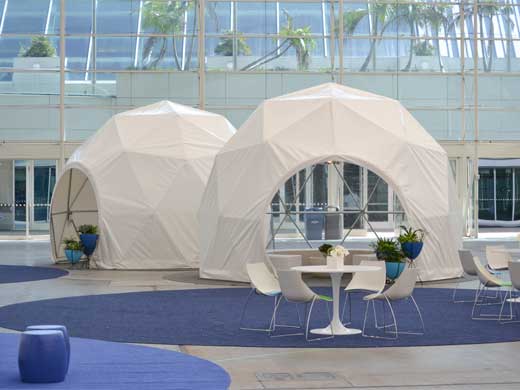
Source: pacificdomes.com
Field notes and lessons learned
I have spent many winter nights in geodesic tents. The first storm that sold me was a three-day blow on a ridge. Our Trango 2 shook but held shape. We slept, cooked, and planned in calm.
Small tips help a lot. Practice the pitch at home with gloves on. Pre-set guyline knots and cut clear ice patches for anchors. Use deadman anchors in deep snow for a real hold.
Moisture is the real beast. Crack vents a little, even in a whiteout. Wipe walls with a pack towel each night and morning. Cook in the vestibule with care and clear airflow.
Bring pole repair sleeves. I once saved a night with one and a tape. Check every seam and zipper before each trip. Replace tired guylines and cord locks early.

Source: crossoverlodge.com
Who should pick geodesic tents vs other tent types
Pick geodesic tents if you camp in strong winds, heavy snow, or cold weather. They are the safe call for winter, alpine, and Basecamp. They also shine when the ground is hard or rocky.
Try tunnel tents if you want lower weight for long hauls. Tunnels can be very strong when pitched to the wind. They need solid staking to show that strength.
Simple domes are good for fair weather and summer trips. They are cheaper and faster to set up. They bend more in the wind and hold less snow.
If you do a mix of trips, own two shelters. Use a light three-season dome for fair months. Bring a geodesic tent for storms and cold.

Source: greenwashingindex.com
Set up, care, and safety checklist
Use this quick list to get the most from geodesic tents.
Pitch
- Choose a spot with wind cover if you can.
- Stomp a flat pad in snow and let it set.
- Build the frame on the leeward side of the fly if possible.
- Stake the main points before raising the body in strong wind.
- Guy outs all points before the storm starts.
Anchors
- Use deadman anchors in soft snow or sand.
- Back up key guidelines with extra anchors.
Moisture control
- Crack vents and doors to reduce frost.
- Keep wet gear in the vestibule.
- Use a footprint to reduce ground chill and damp.
Care
- Dry the tent after each trip.
- Store loose in a cool, dark place.
- Check poles, guylines, and seams each season.
Safety
- Cook with clear airflow and a stable stove base.
- Keep open flames away from fabric.
- Bring a pole sleeve, tape, and spare cord.

Source: thetimes.com
Frequently Asked Questions: What Are The Best Geodesic Tents?
What makes geodesic tents better in the wind?
The intersecting poles create many load paths. This spreads gust force and keeps the shape stable.
Are geodesic tents always heavy?
Not always. Many geodesic tents are heavy, but some modern models cut weight with smart fabrics and fewer poles.
Can I use geodesic tents in summer?
Yes. They work year-round. In heat, open vents, pitch in shade, and manage airflow to stay cool.
Are semi-geodesic tents good enough for winter?
For most lower alpine trips, yes. They save weight and still handle strong wind with full guylines.
Do I need two doors on a winter tent?
Two doors help a lot. They add exit options in drifted snow and improve airflow to cut frost.
How many pole crossings are ideal?
More crossings add strength but also weight. For 2-person use, four to six crossings give a strong balance.
Are inflatable geodesic tents durable?
Modern air beams are tough and repairable. They handle wind well but add bulk and need a pump.
Conclusion
The best geodesic tents earn trust when the weather turns. They offer strong frames, fast setup, and safer nights in wind and snow. Match the model to your trips, load, and crew. Choose proven poles, solid fabrics, and a layout you can live in.
Pick one from the list, practice the pitch, and set your anchors well. Your reward is quiet sleep while the storm spends itself outside. Ready to go deeper? Compare two models, note your must-haves, and share your shortlist in the comments.
2 Comments