

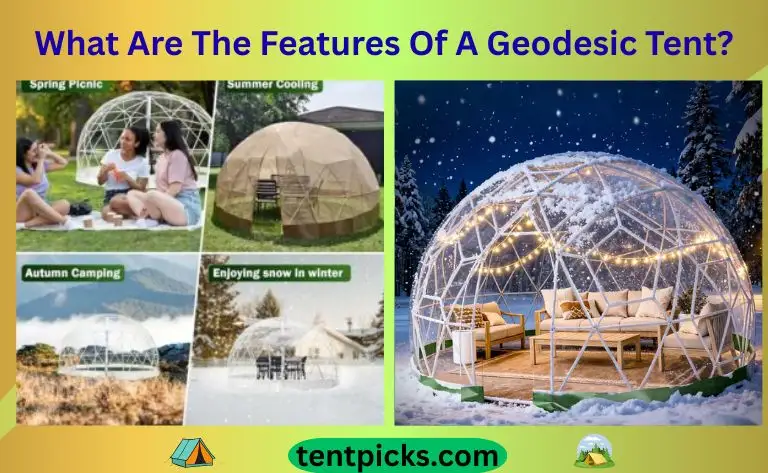
What Are The Features Of A Geodesic Tent? | 2026 Best Guide
Clear answer to What Are The Features Of A Geodesic Tent? Explore dome strength, pole geometry, wind stability, and when this design is best for you. A geodesic tent uses intersecting poles to create a strong, wind-stable shelter. If you camp in harsh wind, deep snow, or high alpine zones, you have seen why a geodesic tent matters.
In this guide, I break down what makes a geodesic tent special, how the design works, and when to choose it over other tents. I have pitched these shelters on ridgelines and frozen lakes. Here is how they hold up, and what to look for before you buy.

Source: dreamstime.com
What is a geodesic tent?
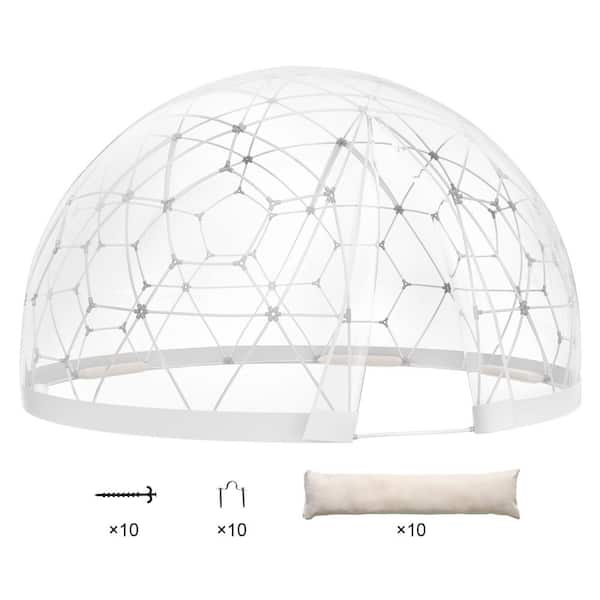
A geodesic tent is a dome-style shelter that uses many intersecting poles to form triangles. Those triangles spread stress across the frame. The result is a rigid shape that stands up to strong wind and heavy snow.
The concept traces back to R. Buckminster Fuller’s geodesic domes. Brands later scaled the idea into portable shelters for expeditions. Compared with a simple dome tent, a geodesic tent has more pole crossings and more even load paths. It is usually freestanding and stable without stakes in calm conditions.
You will also see semi-geodesic tents. These use fewer poles and crossings. They cut weight, but they are less stable than a full geodesic tent.

Source: glampingdomestore.com
Key features of a geodesic tent
- Multiple intersecting poles that create many triangles and spread force.
- High wind resistance due to rigid geometry and several pole hubs.
- Even load distribution that resists snow sag and fabric stress.
- Freestanding pitch that holds shape before staking.
- Numerous guy-out points anchor the tent in storms.
- Steep, rounded walls that shed wind and snow.
- Sturdy materials, such as aluminum poles and tear-resistant fly fabrics.
- Vestibules or gear garages for packs, boots, and cooking in poor weather.
These traits define the core performance of a geodesic tent. They explain why expedition teams trust it on icefields and high passes.

Source: dreamstime.com
Structural design and geometry
The power of a geodesic tent comes from triangulation. Triangles are stiff. When wind hits one panel, the load splits across many pole sections. Each pole crossing acts like a node that shares the force.
You may see terms like 2V, 3V, and 4V. These mark the “frequency,” or how many times the dome is split into smaller triangles. A higher frequency adds more crossings. That boosts strength but adds weight and cost.
Modern geodesic tents use premium poles. 7001-T6 aluminum is common. High-end models use butted or pre-bent DAC poles with linked hubs. Some elite shelters add carbon or composite segments to save weight. In testing and field use, these frames hold shape in gusts that flatten basic domes.

Source: glampingdomestore.com
Materials and weatherproofing
A geodesic tent is only as strong as its shell. Look for a fly made from nylon or polyester with a durable coating.
- Nylon offers high strength for its weight. It can sag when wet, so coatings matter.
- Polyester resists UV better and sags less. It can be a touch heavier for the same strength.
Coating types:
- Silicone-coated nylon or poly resists tear and sheds water well.
- Polyurethane coatings allow taped seams and are common on floors and budget flies.
Key specs to check:
- Fly hydrostatic head around 1200 to 3000 mm for rain and wind-driven spray.
- Floor hydrostatic head from 3000 to 10,000 mm for wet ground and snow melt.
- Fully taped seams or factory-sealed stitches.
- Large, shielded vents high on the dome to vent moist air.
- Robust zippers and storm flaps to block spindrift.
In storm labs and real expeditions, higher fabric ratings and good seam work make a clear difference. I have seen budget coatings wet out fast in sleet. A premium fly kept the inner dry when gusts sprayed all night.

Source: amazon.com
Ventilation, condensation, and interior comfort
Storm tents trap warm, moist air. A smart geodesic tent fights this with good vent paths.
- High vents under small hoods let humid air escape, even in rain.
- Mesh inner doors and low vents help draw cooler air in.
- Dual vestibules allow crossflow and dry entry.
- Light-colored inner tents feel brighter in long storms.
My tip: crack the top vents before sleep, even in the cold. On a winter trip, I once closed everything tight to “stay warm.” I woke to ice on the inner. A small vent gap would have saved my bag from damp frost.

Source: glampingdomestore.com
Setup, portability, and use cases
A geodesic tent looks complex, but many are simple to pitch. Color-coded poles and clips help. Some brands use hub systems that lock angles for you. Clip systems are fast and vent well. Sleeves can be stronger and quieter in the wind.
Packed size and weight vary a lot. A light two-person geodesic tent can be 6 to 8 pounds. A big basecamp model can be 12 to 20 pounds or more. Think about your route and team size.
What Are The Features Of A Geodesic Tent?
Best use cases:
- Alpine climbs and glacier camps.
- Winter backcountry and snow camping.
- Windy coasts and exposed ridges.
- Long basecamps for research or film crews.
You can use a geodesic tent in summer too. It is stable and roomy. But if you carry it far, make sure the weight makes sense.

Source: dreamstime.com
Benefits and limitations
Benefits:
- Excellent wind and snow performance.
- Freestanding stability and easy site choice.
- Safer space in long storms.
- Strong poles and robust fabrics last longer.
Limitations:
- More weight than simple domes or trekking-pole tents.
- Higher cost due to materials and complex frames.
- More parts to manage, like extra poles and guylines.
- Warm in hot, still weather if vents are small.
A geodesic tent shines when the weather is the main risk. It is not the lightest pick for mild trails.

Source: glampingdomestore.com
Buying guide and fit for purpose
Match the geodesic tent to your trips.
- Capacity and shape: Check real floor area and wall slope. Steep walls add usable space.
- Season rating: True four-season tents handle snow and high wind. Some “3–4 season” hybrids are lighter, but weaker.
- Wind and snow features: Extra pole crossings, many guylines, snow skirts, and crossed vestibule doors help.
- Materials: Look for strong poles, robust fabrics, and quality zippers.
- Setup: Hubs, clips, and color codes save time in bad weather.
- Weight and pack size: Plan for how far and how high you will carry it.
- Budget: Expect to pay more for expedition builds. Value models exist, but check the details.
If you mostly camp below treeline in fair weather, a standard dome may be enough. If storms and exposure are likely, a geodesic tent earns its place.
Source: homedepot.com
Care, maintenance, and lifespan
A geodesic tent can last many seasons with basic care.
- Dry it fully after each trip to avoid mildew.
- Brush off snow and ice before packing to protect coatings.
- Store it loose in a cool, dark place to reduce UV and hydrolysis damage.
- Rinse zippers and use a light lubricant to keep them smooth.
- Check the pole shock cord and replace it when it loses stretch.
- Carry a patch kit for fly tears and a splint for poles.
Well-made geodesic tents often outlast lighter models. Good care keeps the frame and fabrics strong for storm duty.
Field notes and mistakes to avoid
I once rode out a ridge storm with gusts near 60 mph. The geodesic tent flexed and held, while a nearby simple dome bent and creaked. The extra pole crossings made all the difference. The vestibules stayed usable for cooking under a careful door crack.
Common mistakes:
- Weak guyline angles. Aim for wide, even pulls from multiple points.
- Slack fabric. Tighten the fly so it sheds wind and noise.
- Closed vents in cold. Vent a little to cut condensation and keep the gear dry.
- Poor site choice. Even a geodesic tent likes a small wind break and a flat platform.
These small steps keep a geodesic tent safer and more comfortable when it counts.
Quick answers: PAA-style
Is a geodesic tent worth it for weekend trips?
If you camp in forests and fair weather, not always. If wind or snow is common, a geodesic tent adds real safety and comfort.
How many poles does a geodesic tent have?
Most have four to seven main poles with several crossings. Big basecamp models can use more to support extra space.
Can I use a geodesic tent in summer?
Yes. It is stable and roomy. Open vents and doors for airflow, and use light-colored fabrics to reduce heat.
Frequently Asked Questions: What Are The Features Of A Geodesic Tent?
What makes a geodesic tent different from a dome tent?
A geodesic tent has more pole intersections that form many triangles. This spreads force and creates a stronger, more storm-ready frame.
How does a geodesic tent handle high wind?
Its rounded shape and intersecting poles share wind loads across the frame. Wind tunnel testing and field use show it resists deformation better than simple domes.
Are geodesic tents heavier than other tents?
Often, yes, due to more poles and stronger fabrics. Some modern designs use advanced poles and fabrics to cut weight without losing much strength.
What materials should I look for in a geodesic tent?
Seek 7001-T6 aluminum or DAC poles, a silicone-coated fly, and a robust floor with high hydrostatic head. Quality zippers and taped seams are also key.
Do geodesic tents need many guylines?
Yes. Multiple guy points help lock the dome against gusts and spindrift. Good anchors and wide guy angles boost stability.
Can one person set up a geodesic tent?
With practice, yes. Hubs, color-coded poles, and clip systems help a solo camper pitch fast in poor light or wind.
Are geodesic tents good for snow camping?
They are ideal. The rigid frame and steep panels resist snow load and shed spindrift, keeping the inner dry and stable.
Conclusion
A geodesic tent stands out for strength, stability, and all-weather safety. Intersecting poles, smart materials, and many guy points turn a compact shelter into a storm-ready base. It may weigh more than a basic dome, but it pays you back when the wind rises and snow stacks.
If your trips face exposure, choose a geodesic tent that fits your routes, team size, and season. Check the frame, fabrics, and vents. Practice the pitch. Then go where the forecast would stop most campers. Ready to go deeper? Explore more gear guides, subscribe for field-tested tips, or leave a comment with your questions.

One Comment