
How To Insulate A Tent For Winter Camping? | Pro Guide 2026
Stay warm and safe with step-by-step hacks on how to insulate a tent for winter camping. Gear picks, DIY liners, and vapor barriers to beat the cold. Insulate a tent by layering ground, blocking wind, ventilating, and using dry heat. Winter camping can be warm, safe, and even cozy if you plan well.
In this expert guide on How to Insulate A Tent for Winter Camping, I break down the physics, the proven gear, and the exact steps I use in deep cold. Expect clear methods, real examples, and smart choices that work for both car campers and backcountry travelers.
What Insulation Means In A Tent And Why It Matters
You cannot seal a tent like a house. A tent must breathe. Heat loss happens through conduction to the ground, convection from wind, radiation to the sky, and evaporation from your breath and sweat. Good insulation slows these, while airflow manages moisture.
In practical terms, most warmth comes from ground insulation and wind control. The rest is about smart layers, dry gear, and a safe heat source. If you want a complete plan for How To Insulate A Tent For Winter Camping?, master these basics first.
Key concepts to know:
- R-value measures resistance to heat flow. Higher is warmer.
- Condensation forms when warm, moist air hits a cold surface. Control it with steady venting.
- Reflective barriers help with radiant heat but do little without an air gap.
- Wet gear kills warmth. Keep everything dry and vented.

Source: youtube.com
Gear Checklist For Tent Insulation
You do not need a hot tent to stay warm, but gear matters. I sort items into must-haves and nice-to-haves.
Essentials:
- Closed-cell foam pad with high R-value. Aim for R 3–4 minimum.
- Insulated inflatable pad. Stack with foam for R 5–7 in subzero temps.
- Extra ground layer. Foam tiles, a wool blanket, or a tent carpet.
- Footprint or tarp under the tent. Keep it fully under the floor.
- Guy lines and strong stakes. Snow stakes or deadman anchors in deep snow.
- Vented double-wall tent. Inner tent plus rainfly helps manage frost.
- Sleeping bag rated for the real low. Add a liner or quilt if needed.
- Dry base layers, down booties, and a warm hat.
- Headlamp, repair tape, and a microfiber towel for frost wipe-down.
Helpful add-ons:
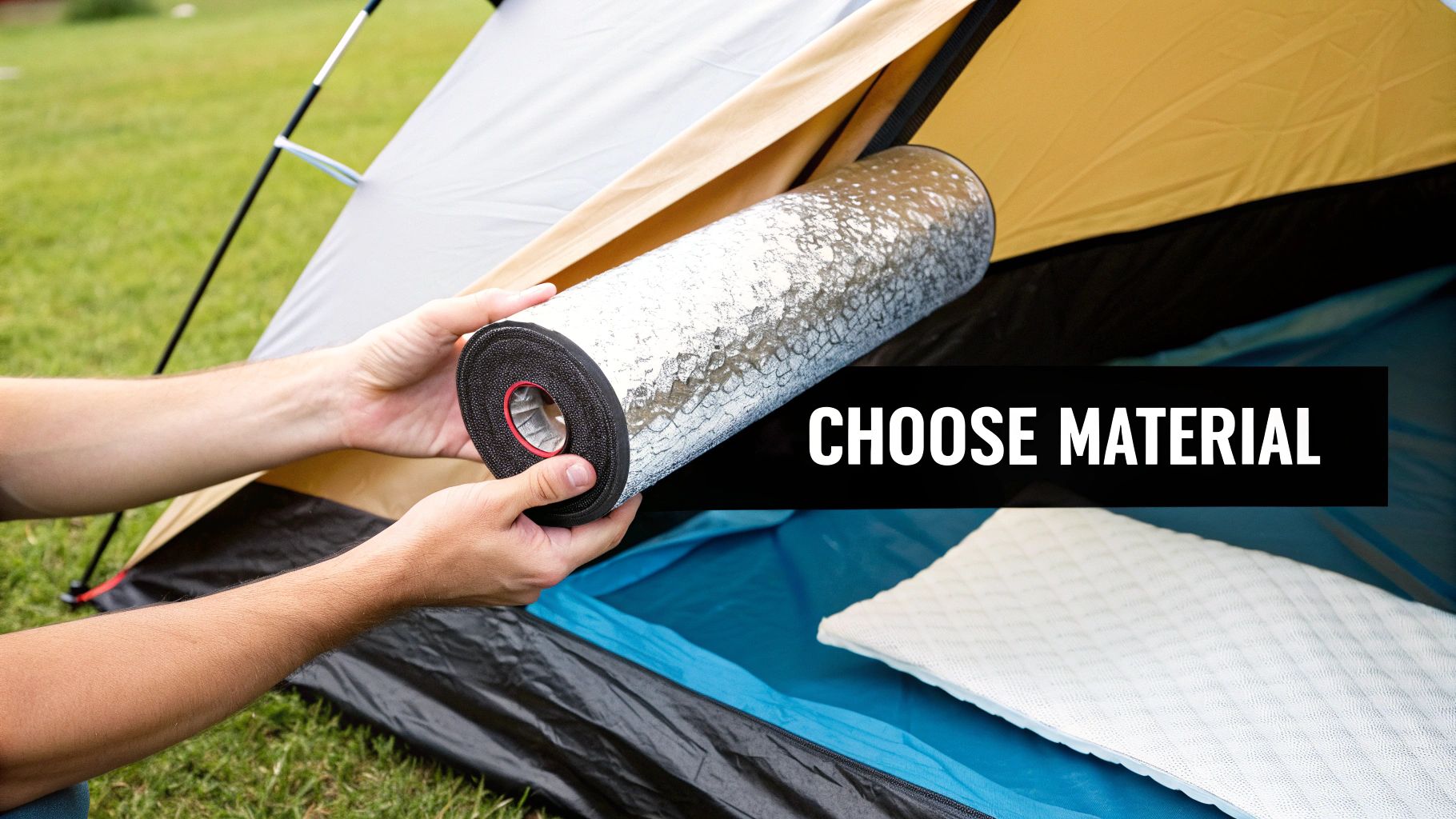
- Reflective emergency blanket as a ground vapor barrier, not wall wrap.
- Fleece or wool throw to hang on cold panels inside, but keep vents open.
- Heat source. Wood stove for hot tents, or catalytic heater for car camping with strict safety rules.
- Nalgene bottle for hot water. Use a bottle sock or spare wool sock.
- Chemical hand warmers for toes and gloves.
- CO detector and a small fire extinguisher when using any flame.
I test new winter systems on short trips first. Dial in the setup before a long cold outing. This is key for anyone learning How To Insulate A Tent For Winter Camping?.
Source: trekology.com
Site Selection And Wind Management
Wind steals heat fast. A smart campsite can lift comfort by several degrees.
Tips that work:
- Tuck the tent behind a natural windbreak. Use trees, snowdrifts, or terrain features.
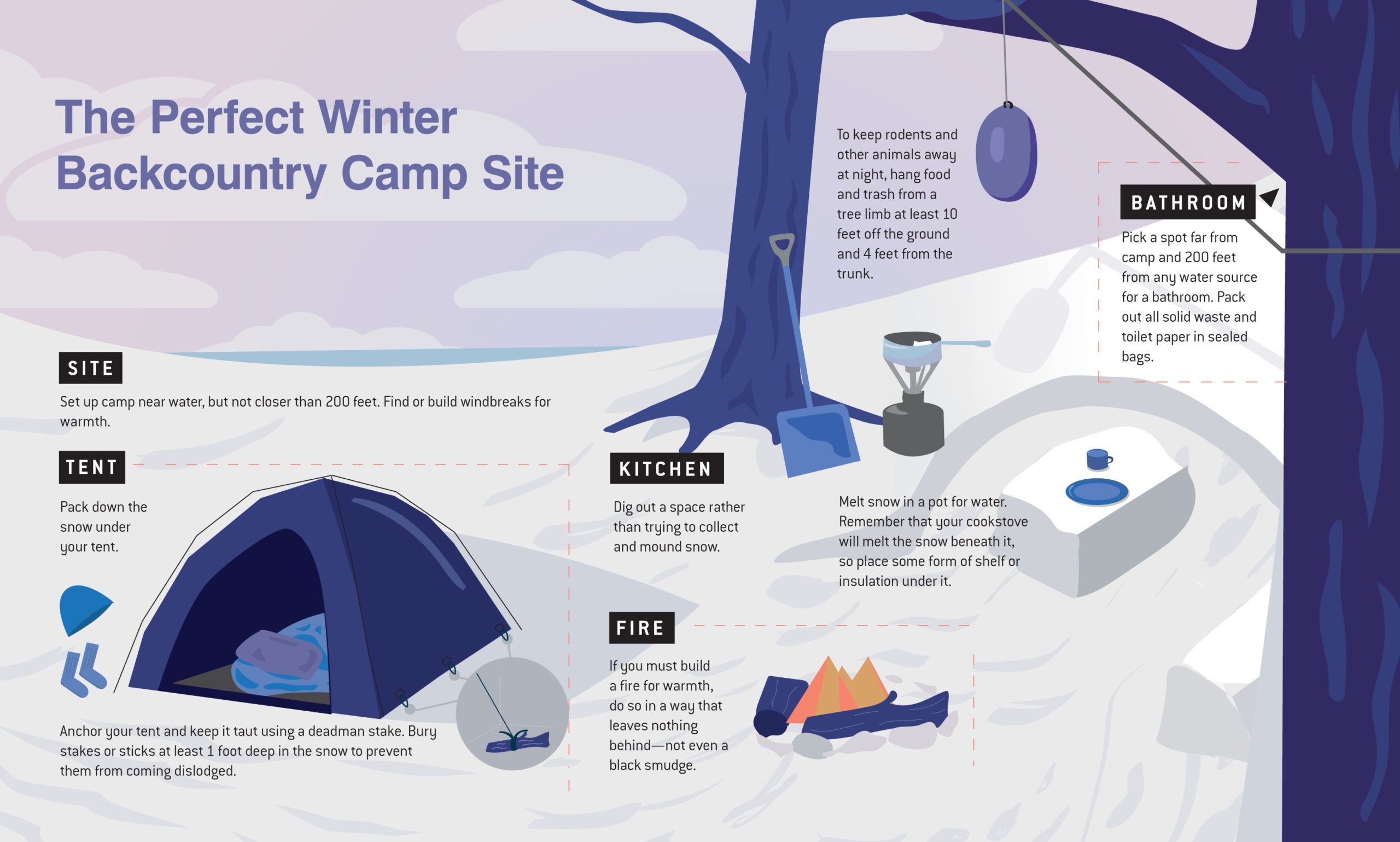
- Build a snow wall around the tent. Knee-high is enough to cut gusts.
- Pitch on packed snow or flat ground. Avoid low spots where cold air pools.
- Face a low door or the narrow side into the wind. Keep higher vents downwind.
- Anchor with snow stakes, skis, poles, or buried branches.
On a blustery lake trip, I set a snow wall two feet high and saw frost drop by morning. That simple barrier matters when learning How To Insulate A Tent For Winter Camping?.

Source: youtube.com
Ground Insulation: Building A Warm Floor
The ground is the biggest heat sink. Solve this first.
Do this step-by-step:
- Lay a footprint or tarp fully under the tent. Trim or fold so it does not stick out.
- Add a vapor barrier on the floor inside if needed. A reflective blanket works well here.
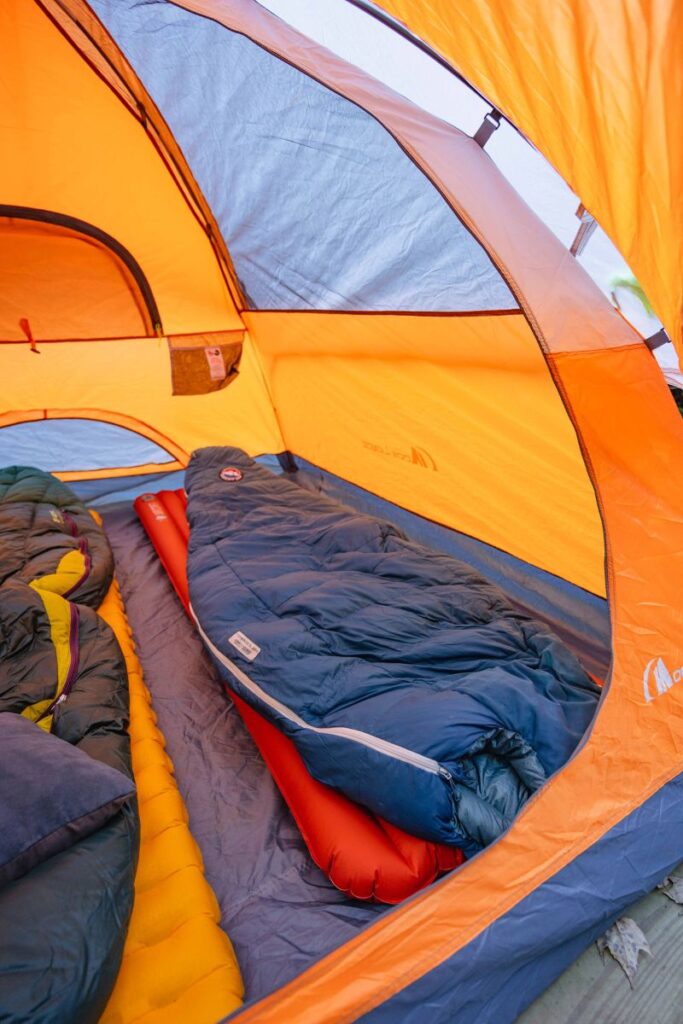
- Stack pads. Use a closed-cell foam pad on top or bottom, then an insulated inflatable. Aim for total R 5–7 in deep winter.
- Use foam tiles, a tent carpet, or a wool blanket under pads for extra comfort at basecamp.
- If camping on snow, pack a firm platform. Let it set before pitching the tent to prevent sagging.
- In forest zones, a thin layer of dry boughs under the footprint adds a big boost. Follow Leave No Trace rules.
Practical note: Reflective layers need an air gap to reflect well. Under a firm pad, they act more as vapor barriers than radiant shields. Still helpful for dryness and drafts.
Source: parroquiadesanalbertomagno.com
Tent Body Insulation And Windproofing
We do not “stuff” a tent with thick insulation. We tune layers and tension.
Key moves:
- Pitch the fly tight. Remove flapping fabric that pumps heat out.
- Use all guy points in wind. Add extra lines if trees allow.
- Seal the base with snow flaps if your fly has them. Pile snow lightly.
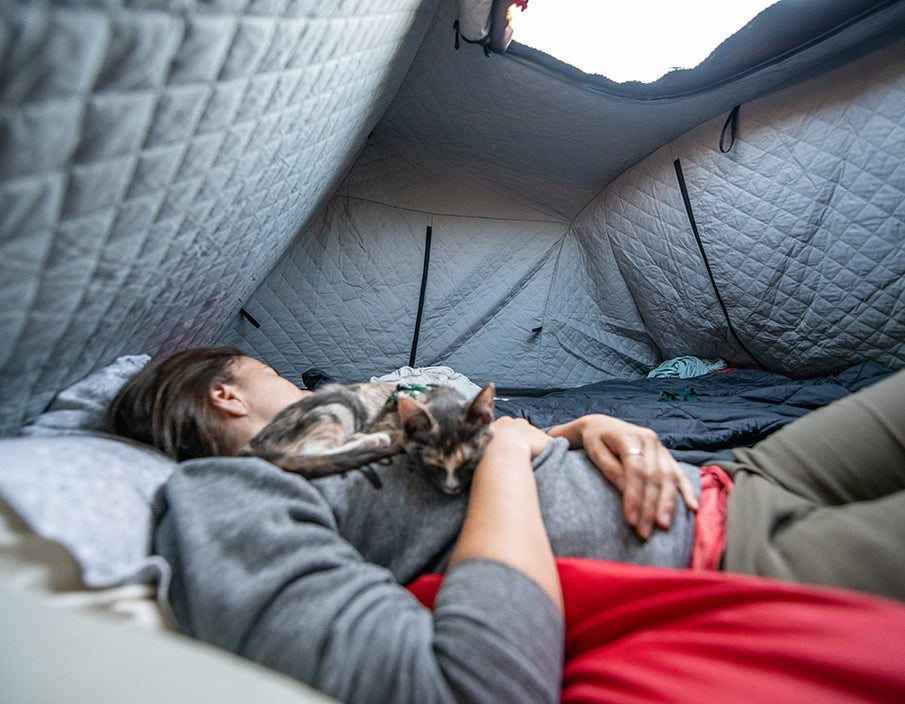
- Add a breathable inner liner or mesh loft to reduce radiant loss and catch drips.
- Hang a fleece throw over cold panels. Keep vents open at the top.
- Never tape seams shut to block vents. You will trap moisture and wake up soaked.
I tried lining a whole wall with a space blanket once. The frost was awful by dawn. Partial, breathable layers beat shiny wraps when aiming for How To Insulate A Tent For Winter Camping.

Source: thewiseadventurer.com
Ventilation And Condensation Control
Warmth with no venting leads to rain inside. Balance is the art.
Best practices:
- Always crack high vents. Warm, wet air rises.
- Use cross-venting. One vent low, one vent high works well.
- Cook outside or in a vestibule with full venting. Flames add moisture.
- Sleep in dry base layers. Avoid sweating inside your bag.
- Wipe frost in the morning with a small towel.
- Store damp boots and wet clothes in a separate bag or the vestibule.
A good rule: Vent more than you think. Your layers keep you warm. Airflow keeps you dry. That is the heart of How To Insulate A Tent For Winter Camping?
Source: outdoors.org
Safe Heat Sources And Moisture Management
Heat helps, but safety comes first. Not all heat is equal.
Options and cautions:
- Wood stove in a hot tent. This is the best dry heat. Use a proper stove jack, spark arrestor, and clearances. Never leave it unattended.
- Catalytic or propane heater for car camping. Only with extra venting, a CO detector, and line-of-sight monitoring. Shut it off before sleep.
- Electric blanket or pad at powered sites. Run on low and keep cords safe from moisture.
- Hot water bottle in your bag. Fill with near-boiling water, lid tight, in a sock.
- Chemical warmers. Use for hands and toes, not as the main heat source.
Combustion adds water vapor, and propane makes a lot. Dry heat, good venting, and high R-value floors remain the backbone of How To Insulate A Tent For Winter Camping.
Source: madelyneonthemove.com
Night System: Layering For Sleep
A warm sleep system makes or breaks the trip.
Simple, proven stack:
- Sleeping bag rated to the night low, or colder. Add a liner for 5–10°F extra.
- Quilt over bag in deep cold. Keep loft loose and dry.
- Wear dry base layers, warm socks, and a hat. Avoid too many layers that crush bag loft.
- Consider a vapor barrier liner only in extreme cold. It keeps bag insulation dry but feels clammy for some.
- Keep a hot water bottle at your core. Move it to your feet later.
On a -5°F ridge camp, I ran a high R floor, a cold-rated bag, and a quilt. I slept well with no heater. That is how I practice How To Insulate A Tent For Winter Camping on real trips.
Step-by-Step Setup Checklist: How To Insulate A Tent For Winter Camping
Follow this order, and you will feel the difference.
- Pack and stomp a flat snow pad. Let it set.
- Place the footprint with no edges showing.
- Pitch the tent tight. Stake and guy every key point.
- Build a small snow wall upwind.
- Lay an inside vapor barrier if needed.
- Stack pads to reach your target R-value.
- Add a carpet, foam tiles, or blanket at basecamp.
- Set vents. One low, one high.
- Manage gear. Wet items in vestibule, not near your bag.
- Prep your sleep system. Bag loft fluffed, liner in place.
- Ready your heat plan. Stove or heater set up with safety steps, or hot water bottle.
- Do a final check. No sharp items under pads, vents open, cords safe.
Repeat this on each trip. Muscle memory is part of mastering How To Insulate A Tent For Winter Camping?.
Common Mistakes To Avoid
Avoid these, and you avoid a cold, wet night.
- Blocking all vents. This traps moisture and chills you.
- Relying only on a space blanket. It is not real insulation.
- Skipping the foam pad. Inflatable alone often feels cold on snow.
- Cooking inside a closed tent. This is risky and very wet.
- Letting damp clothes into the bag. They rob heat all night.
- Sleeping with a heater on. Use heat to warm the space, then turn it off.
Each of these mistakes can undo all your work on How To Insulate A Tent For Winter Camping?
Budget Vs Premium Solutions And Weight Considerations
You can get warm on any budget. Choose based on trip type.
Budget-friendly picks:
- Closed-cell foam pad plus a used insulated inflatable.
- Reflective blanket as a floor vapor barrier.
- Fleece throws, wool blanket, and DIY foam tiles.
- Hand warmers and a hot water bottle.
Premium upgrades:
- Purpose-built winter pads with high R-values.
- Inner tent liners and snow skirts.
- Hot tent and lightweight titanium stove.
- Down quilt overlay and down booties.
Weight tips:
- Backcountry trips favor high R pads and smart venting over heavy extras.
- Car camping allows rugs, carpets, and a larger heater with strict safety steps.
Match your kit to the plan. That is real-world: How To Insulate A Tent For Winter Camping?
Maintenance, Drying, And Packing For The Ride Home
Care keeps your gear warm longer.
- Shake frost off before packing. Use a towel on wet panels.
- Air the tent at lunch if sunny. A 10-minute dry can save your night.
- At home, fully dry the tent, pads, and bag. Store loose and clean.
- Refresh DWR on the fly if water no longer beads.
- Inspect lines, seals, and zippers. Fix small issues before the next trip.
This routine protects your investment and supports every plan for How To Insulate A Tent For Winter Camping.
Frequently Asked Questions about How To Insulate A Tent For Winter Camping?
What R-value do I need for sleeping on snow?
Aim for a combined R-value of 5–7 on snow or ice. Stack a closed-cell foam pad with an insulated inflatable to reach that number.
Should I use a reflective blanket on the tent walls?
Use it on the floor as a vapor barrier, not on walls. Wall wraps trap moisture and increase frost unless you maintain strong venting.
Is a propane heater safe inside a tent?
Use only with active ventilation, a CO detector, and close monitoring. Turn it off before you sleep, and never run it in a sealed space.
How To Insulate A Tent For Winter Camping? Without a hot tent?
Focus on ground insulation, blocking wind, and steady venting. Add a quilt over your bag and use a hot water bottle for extra warmth.
Can I insulate with snow around the tent?
Yes, a knee-high snow wall reduces wind and convection. Pack snow tight so it does not collapse in gusts.
Do I need a double-wall tent for winter?
It helps a lot with condensation control. A double-wall with good vents is more forgiving than a single-wall in humid cold.
How To Insulate A Tent For Winter Camping in wet, coastal cold?
Prioritize venting and drying time over raw heat. Keep a high R floor, manage moisture, and avoid wet cotton layers.
Will overdressing make me colder at night?
Yes, if layers crush your bag’s loft or make you sweat. Wear light, dry layers and let the bag’s insulation do the work.
How to Insulate A Tent for Winter Camping on a Tight Budget?
Use a foam pad plus a used insulated pad, a floor vapor barrier, and fleece throws. Add a hot water bottle and keep vents open to stay dry.
Can I cook inside the tent to warm it up?
Cook outside or in a well-vented vestibule only. Cooking adds moisture and raises fire and CO risks.
Conclusion
Warm winter nights come from simple steps done well. Build a high R floor, block wind, vent with purpose, and use safe, dry heat. Keep gear dry, stack your sleep system smart, and practice the setup close to home first.
Take this plan on your next cold trip and test it. Refine your list, share what works, and enjoy real comfort in deep winter. If you found this guide useful, subscribe for more field-tested tips or leave a comment with your best cold-weather hack.