

What Are Different Names For Tents? | 2026 Tent Names Guide
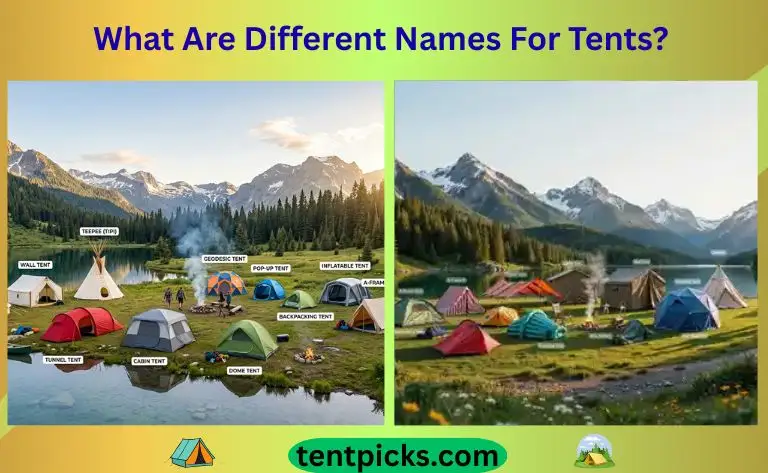
From bivy to bell, answers to What Are Different Names For Tents? Clear definitions and use cases to pick the perfect shelter for your next trip. Common tent names include dome, tunnel, geodesic, ridge, bell, tipi, yurt, and bivy. Outdoor folks use many names for shelters, and it can get confusing fast.
In this guide, I answer What Different Names For Tents? with clear, field-tested insight. I have camped in storms, deserts, and snowy passes. You will learn the names, what they mean, and when to use each one—so you can choose the right tent with confidence.
Understanding the question: What Are Different Names For Tents?
When people ask, What Are Different Names For Tents?, they often mean three things. They want names by shape, by use, and by culture. This guide explains all three so you can shop or plan a trip with ease.
I will use plain words. I will add real examples from trips where these tents made a difference. When you finish, you will be able to answer a friend who asks, What Are Different Names For Tents?, without guesswork. You will also see how brands use names to hint at design and weather use. If you have ever typed What Are Different Names For Tents? into a search bar, this is your one-stop answer.
Names by shape and frame
Most tent names come from the frame shape. Shape affects strength, space, and wind flow.
- Dome tent. Two or more poles cross at the top. Fast pitch. Stable in wind. Great all-rounder.
- Geodesic tent. Many poles cross to form triangles. Very strong in storms. Used for winter and high mountains.
- Semi-geodesic tent. Fewer poles than full geo. Lighter but still strong.
- Tunnel tent. Parallel hoop poles form a tunnel. Great space-to-weight. Needs good staking and wind alignment.
- Ridge or A-frame tent. Classic line with a peak. Simple and light. Needs good guy lines.
- Cabin tent. Near-vertical walls. Big space and headroom. Best for car camping and calm weather.
- Pyramid or tipi-style tent. One center pole and sloped walls. Sheds snow and wind well. Can be floorless.
- Bell tent. A type of canvas pyramid with a high door and guyed hems. Roomy and great for glamping.
- Hoop tent. One or two hoops. Common for bikepacking and ultralight trips.
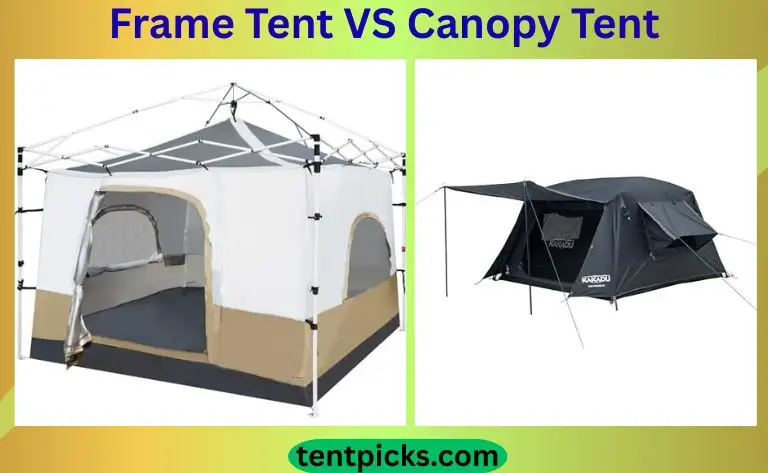
- Pop-up or instant tent. Spring frame or pre-attached poles. Very fast setup. Bulkier to pack.
Field note: On a coastal trip with gusts over 40 mph, my small geodesic dome held when a cabin tent nearby bowed and tore. Shape choice matters. If a friend asks, What Are Different Names For Tents?, I start with these shapes because it sets the base for all the other terms.
Source: 413tentrentals.com
Names by purpose and use case
You will hear names tied to how and where the tent is used. This is key when you search What Different Names For Tents? on store pages.
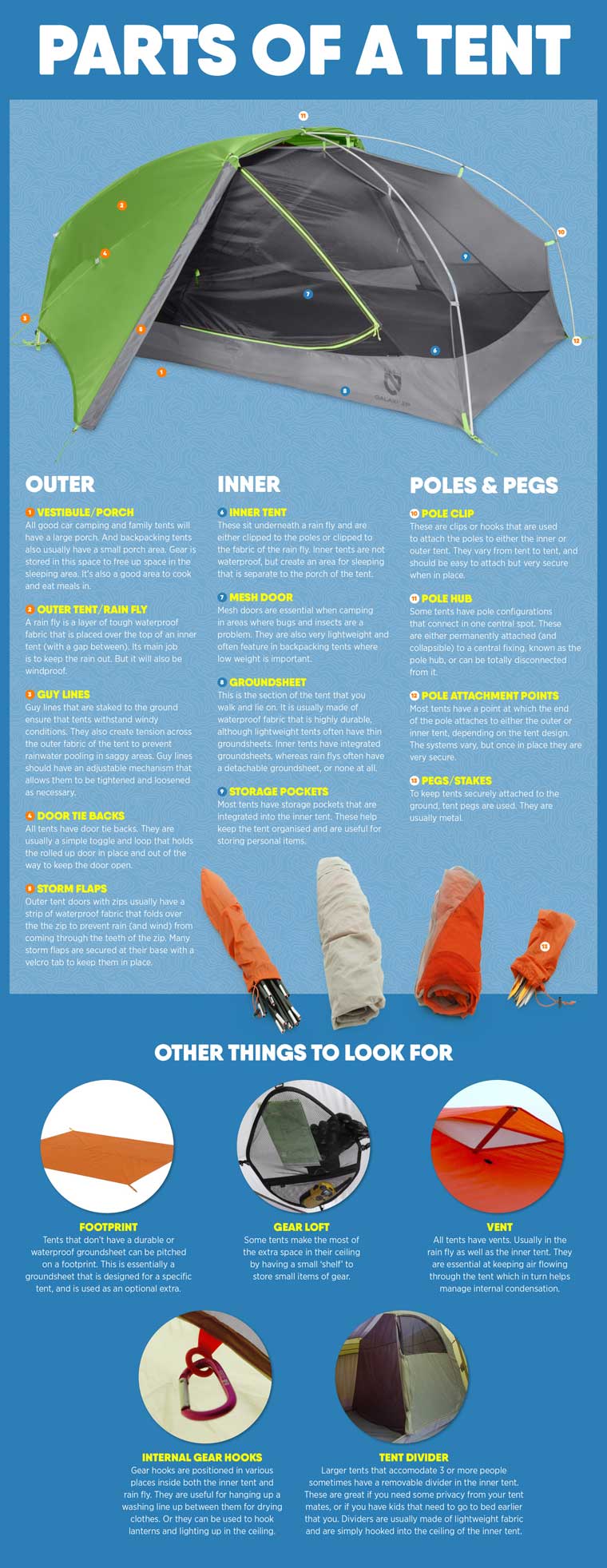
- Backpacking tent. Light and compact. Fits one to three people. Focus on weight and pack size.
- Ultralight shelter. Uses trekking poles or a single pole. Minimalist. Often, the single-wall and floor are optional.
- Bivy or bivy sack. Tiny one-person shelter. Very light. Great for fast pushes or low-profile camps.
- Mountaineering tent. Built for snow and high winds. Strong poles, low profile, and small footprint.
- Four-season tent. Handles winter loads. Heavier fabric and more poles. Better vent control.
- Basecamp or expedition tent. Large, strong, and safe in bad weather. Used for long stays in one spot.
- Family tent. Big floor area and tall walls. Comfort first. Often, a cabin or tunnel style.
- Car-camping tent. Easy to pitch. Not meant for long carry. Extra features and big vestibules.
- Festival tent. Budget-friendly. Fast pitch. Fine for fair weather.
- Glamping tent. Style and comfort. Often canvas bell or safari style with stoves and beds.
- Rooftop tent. Mounts to a vehicle rack. Folds open. Great for overlanding.
I once took a “backpacking” tent that was really a fair-weather dome on a shoulder-season hike. It leaked in steady wind and rain. Lesson: read the purpose name and the specs. If you ever wonder, What Are Different Names For Tents? with use in mind, these labels guide you to the right tool.
Source: coolofthewild.com
Cultural and historical tent names
Many tent names come from tradition. When someone asks, What Are Different Names For Tents? in a cultural sense, these classics often come up.
- Yurt or ger. Circular, framed with wood lattice and felt or canvas. Very stable and warm. Semi-permanent.
- Tipi or tepee. Conical with poles crossing at the top. Portable and wind-ready. Lifts smoke well.
- Lavvu. Saami cone-shaped tent. Similar to a tipi but with different pole use. Floorless options common.
- Chum. Nenets conical shelter from the Arctic. Built for cold and wind.
- Bedouin tent or bait al-sha’ar. Woven goat hair. Long, low, and cool in desert climates.
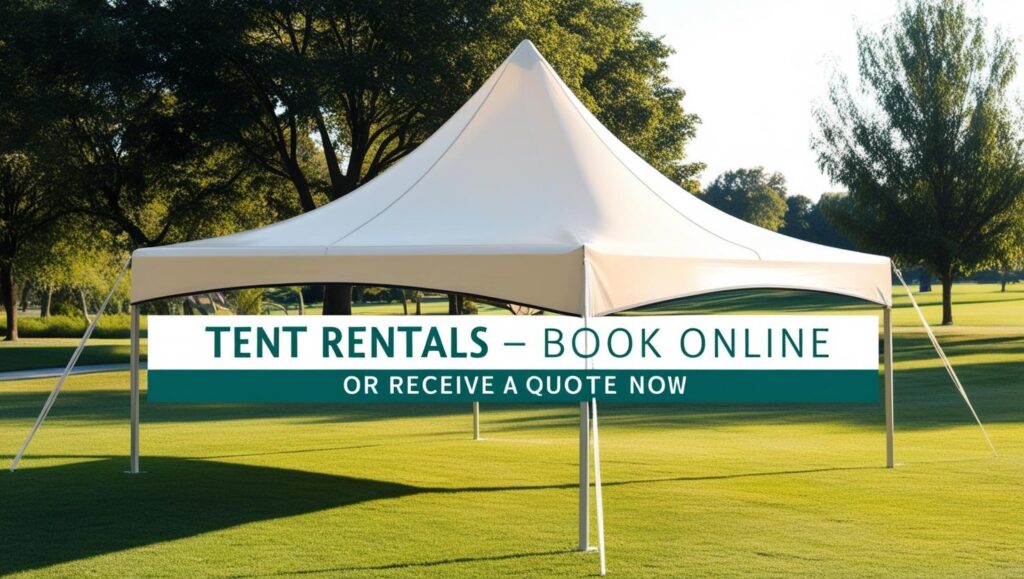
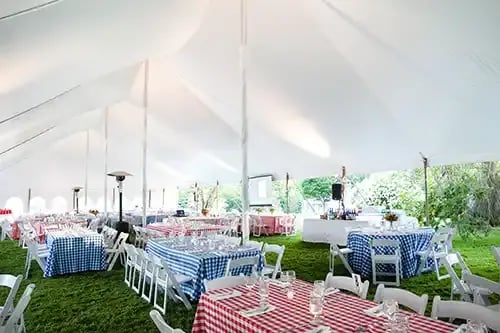
- Marquee. Large event tent, often with poles and guy lines. Used for fairs and weddings.
- Sibley tent. A 19th-century bell-style tent design. The ancestor of many modern bell tents.
- Safari tent. A framed canvas tent with tall walls and porches. Used in warm climates for comfort.
Note: Some structures, like wigwams, are not true tents since they use bark or rigid panels. When you search What Are Different Names For Tents?, watch for this mix of portable fabric shelters and fixed dwellings.
Source: herculite.com
Military and emergency shelter names
Operational settings use very specific labels. If you dig into What Are Different Names For Tents? in defense or aid work, you will see these terms.
- GP Small/Medium/Large (General Purpose). Classic field tents for troops and gear.
- Command Post or CP tent. Used for planning and radios. Often modular.
- TEMPER tent. Modular military shelter with strong frames and fabric panels.
- DRASH. Deployable rapid assembly shelters. Quick setup for medical or comms.
- Arctic 10-man tent. Insulated, vented tent for cold zones. Can use a stove.
- Mountain tent models (historic). Compact designs for alpine teams.
- Field hospital or medical unit tent. High headroom and modular bays. Bright interiors for care.
- Rapid-deploy relief tent. Used by emergency teams after disasters. Fast to erect and scalable.
In cold training, I spent nights in an Arctic 10-man with a small stove. It was heavy to move, but warm and safe when temps dropped fast. That experience taught me that names in this space signal more than style—they tell you about mission and climate.

Source: etsy.com
Common slang and synonyms you will hear
Real-world talk adds many nicknames. People who ask, What Are Different Names For Tents?, often hear these terms at campsites or in forums.
- Pup tent. A small two-person tent, once made from two shelter halves. A budget icon.
- Basha. British military term for a tarp shelter. Light and fast.
- Fly or rainfly. The outer waterproof layer. Some say “throw up the fly” to mean a quick rain cover.
- Tarp tent. A shaped tarp that forms a tent-like shelter. Often ultralight.
- Swag. Australian bedroll with a built-in hoop and mattress. Tough and simple.
- Screenhouse or bug tent. Mesh shelter for shade and insects. Not for storms.
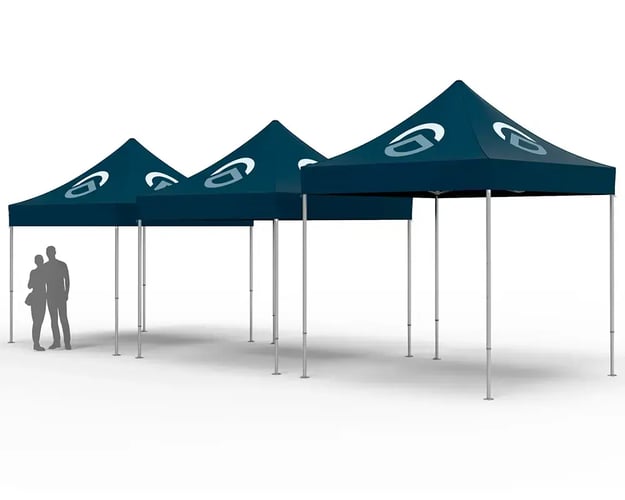
- Canopy or gazebo. Open-sided roof for shade or rain. Great for picnics and tailgates.
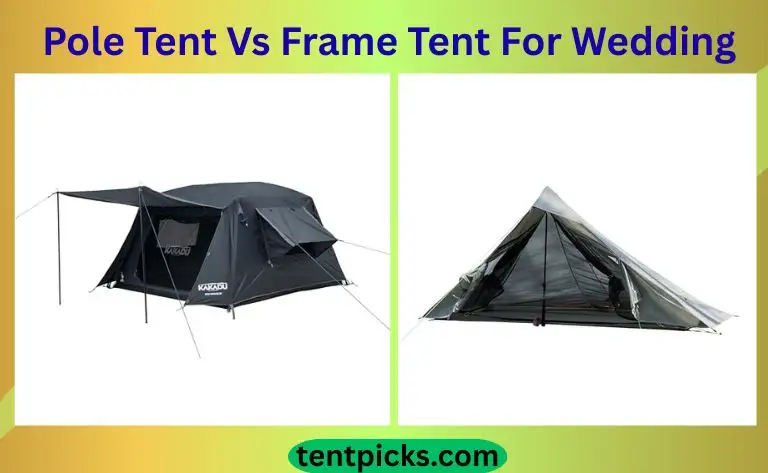
- Event, pole, or frame tent. Big rental tents. Used for parties and fairs.
- Instant tent. Pre-attached poles that snap open. Fast pitch for casual trips.
Brands mix these words a lot. Keep a small list on your phone the next time you compare models. And if your partner asks, What Are Different Names For Tents? while packing, you can point to this cheat sheet.
Source: tentcraft.com
How to decode a product name when shopping
Product names often blend shape, size, and season. Knowing this helps you answer What Are Different Names For Tents? while picking a model that fits you.
- Look for the shape. Words like dome, tunnel, ridge, and cabin hint at wind and space.
- Check the season tag. Three seasons are from spring to fall. Four-season adds snow strength.
- Note capacity and area. A “2-person” tent may be tight. Check floor area, vestibules, and peak height.
- Read pole and fabric details. Aluminum poles and siliconized fabrics last longer. Instant frames pack bigger.
- Scan the weight. Trail weight matters for hiking. Packed size matters for bikes and small cars.
- Verify vents and doors. Cross-venting helps in humid zones. Two doors reduce midnight crawl-overs.
Mistakes to avoid:
- Confusing “water-resistant” with “waterproof.” Look for clear hydrostatic head ratings.
- Ignoring wind ratings or guy points in open country.
- Buying for price alone when you face shoulder-season weather.
On a rainy Appalachian loop, my “light dome” pooled water due to a short flight. Since then, I check flight coverage first. That quick check is worth pounds of comfort when the sky opens.

Quick reference list of tent names and uses
Use this list as a fast lookup when someone asks, What Are Different Names For Tents?, at the gear shop or trailhead.
- Dome: Fast pitch, balanced strength.
- Geodesic: Maximum storm strength.
- Semi-geodesic: Strong yet lighter.
- Tunnel: Big space for weight.
- Ridge/A-frame: Simple, guy-line skill needed.
- Cabin: Tall, roomy, fair weather.
- Pyramid/Tipi-style: Wind and snow shed.
- Bell: Canvas comfort and space.
- Hoop: Minimal poles, compact.
- Pop-up/Instant: Speed over pack size.
- Backpacking: Light, small groups.
- Ultralight: Minimal shelter, trekking poles.
- Bivy: Micro shelter for one.
- Mountaineering: Four-season storms.
- Four-season: Winter-ready design.
- Basecamp/Expedition: Long, harsh stays.
- Family: Comfort, multiple rooms.
- Car-camping: Easy setup, heavy ok.
- Festival: Budget and quick.
- Glamping/Safari: Style and comfort.
- Rooftop: Vehicle-mounted sleeping.
- Yurt/Ger: Round, semi-permanent.
- Tipi/Tepee: Cone, portable, vented.
- Lavvu/Chum: Arctic cone shelters.
- Bedouin tent: Desert, woven fabric.
- Marquee/Event: Large gatherings.
- Sibley: Historic bell design.
- Pup tent: Simple two-person.
- Basha: Tarp shelter.
- Tarp tent: Shaped tarp shelter.
- Swag: Aussie bedroll tent.
- Screenhouse/Bug tent: Shade and bug block.
- Canopy/Gazebo: Open-sided cover.
Keep this close, and you can answer What Are Different Names For Tents? on the spot, with real clarity.
Frequently Asked Questions: What Are Different Names For Tents?
Are tipi, tepee, and teepee the same thing?
Yes. There are different spellings for the same conical tent design. Tipi is often the preferred spelling.
Is a yurt a tent or a house?
A yurt is a tent-like dwelling with a wood frame and fabric cover. It is often used as a semi-permanent home or camp.
What is the difference between a dome tent and a tunnel tent?
A dome uses crossing poles for balanced strength and easy pitching. A tunnel uses parallel hoops for great space-to-weight but needs careful staking.
Are pop-up tents good for wind and rain?
They pitch fast but are not the best in high wind or heavy rain. Choose a dome or geodesic for bad weather.
What Are Different Names For Tents that work in winter?
Look for four-season, mountaineering, geodesic, or pyramid-style tents. These handle snow load and strong gusts better.
Is a bivy sack considered a tent?
It is a shelter, not a full tent, but people group it with tents. It trades comfort for speed and low weight.
What are the different names? For Tents? For car camping with a family?
Cabin, family tunnel, or large dome tents are popular. They offer headroom, easy setup, and added features.
What Are Different Names For Tents? that are good for ultralight hiking?
Ultralight tarp tents, single-pole pyramids, and bivy sacks shine here. They save weight but need skill to pitch well.
Are marquee, event, and party tents the same?
They are related to large shelters for gatherings. Design varies between pole and frame styles, but the goal is the same.
What are the different names for tents? Should I know for desert trips?
Bedouin-style tents inspire shade-first designs, but for modern trips, choose a tunnel or dome with strong vents. A tarp shade with a mesh inner also works.
Conclusion
You now have a clear map of tent names by shape, use, and culture. From dome and tunnel to yurt and lavvu, each name points to how the shelter behaves in wind, rain, snow, and daily life. The next time you hear, What Are Different Names For Tents?, you can match the term to the trip and make a smart choice.
Pick a shortlist that fits your weather and style, then compare fly coverage, pole strength, and floor area. Ready to go deeper? Explore our other shelter guides, subscribe for field-tested tips, or leave a comment with your favorite tent and why it works for you.



One Comment