

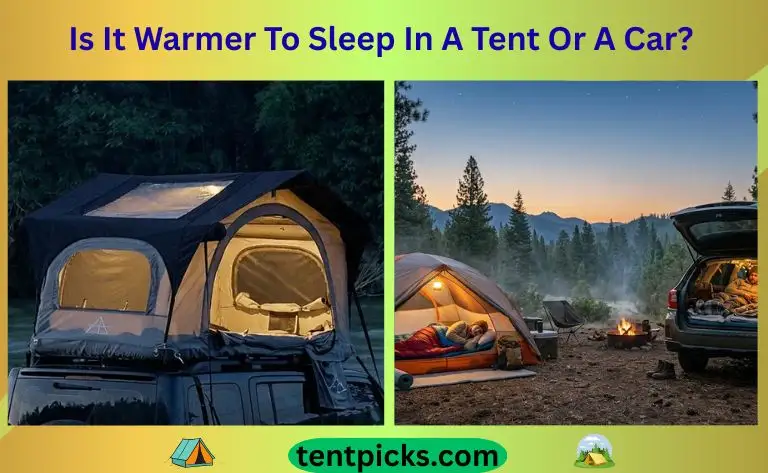
Is It Warmer To Sleep In A Tent Or A Car? Best Tips
Is It Warmer To Sleep In A Tent Or A Car? Get tips, bust heat-loss myths, and choose the right gear to sleep safer, drier, and warmer on your next trip. A well-insulated tent is usually warmer than a car without active heating. Still, the right choice depends on air, wind, and gear. I’ve guided winter trips and slept in both many times.
In this guide, I explain how heat works in small spaces and what changes occur in real weather. If you have asked, Is It Warmer To Sleep In A Tent Or A Car?, this deep dive gives you clear, tested answers and simple steps you can trust.
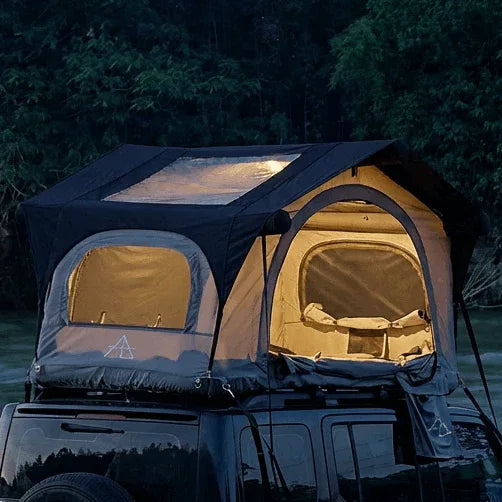
Source: trendtents.com
How Warmth Works: Heat, Air, and Surfaces
Your body is the heater. Warmth depends on how well your shelter cuts heat loss. You lose heat in four ways: convection from moving air, conduction to cold surfaces, radiation to the sky, and evaporation from sweat and breath.
A tent blocks wind very well. It traps a small layer of air. This cuts convection. The ground can still steal heat, so a good sleeping pad is key.
A car is a rigid shell with big glass areas. It stops the wind almost completely. But glass and metal dump heat fast. Seats, roof, and windows feel cold. If you do not run the heater, the inside air matches the outside in a few hours. Moist air then fogs the glass.
So, is it warmer to sleep in a tent or a car? On calm, cold nights without active heat, a tent with the right pad and bag is often warmer and drier than a car. In strong wind or rain, a car blocks the weather better, yet it may still feel clammy and cold unless you add insulation.
Sleeping In A Tent: Warmth Factors, Pros, And Limits
A tent is a wind shield first. It slows the air around you. This small air gap helps hold your body heat. Double-wall tents add a fly that cuts drafts and keeps moisture off you.
What helps a tent feel warmer:
- A high R-value sleeping pad. Aim for R 4 or higher near freezing, R 6+ in deep cold.
- A bag rated for the low of the night, not the daytime high.
- A small tent volume. Less space means less air to warm.
- A full-coverage rainfly to stop drafts and radiant heat loss to the sky.
Upsides:
- Better moisture control with vents open. Less condensation on you.
- Easier to fine-tune warmth with pad, liner, and clothing.
- Safer air flow. No engine risk.
Limits:
- Ground can be a big heat sink without a solid pad.
- In heavy wind, a cheap tent can flap and leak heat.
- Setup takes time and needs a decent pitch site.
Is it warmer to sleep in a tent or a car when the ground is frozen? With a high R pad and a tight pitch, the tent often wins by a clear margin.

Source: appalachianoutfitters.com
Sleeping In A Car: Warmth Factors, Pros, And Limits
A car kills wind and rain. That is a big comfort boost. But the shell has lots of glass. Heat drains out fast by radiation and conduction. If you do not run the engine, the cabin soon hits outside temps.
What helps a car feel warmer:
- Window insulation. Cut reflective foam or use insulated shades.
- A thick mattress to stop heat loss to the seat or trunk floor.
- A quilt and bag combo to add loft around your shoulders and hips.
- A cracked window for airflow to cut condensation.
Upsides:
- Zero wind chill. Noise and rain stay outside.
- Fast setup. Park, fold seats, and sleep.
- Good in storms or when the ground is soaked.
Limits:
- Metal and glass feel cold. They suck heat fast.
- Condensation builds fast with poor airflow.
- Never run the engine or a fuel heater while you sleep. Carbon monoxide is deadly.
So, is it warmer to sleep in a tent or a car on a wet, windy ridgeline? The car may feel kinder at first, yet without insulation, it still cools fast and gets damp.

Source: com.au
Head-To-Head: Different Weather, Different Winner
Mild nights, light wind
- A tent with a decent pad is snug and dry.
- The car is fine if you insulate the windows. Otherwise, it can feel clammy.
Cold and calm
- Tent usually wins when you pair a warm bag and a high R pad.
- Car equals tent only if you insulate the glass and add a thick mattress.
Cold and windy
- Car blocks wind best. You need window insulation to avoid cold radiating in.
- A tent can work if it is stable and pitched low, but drafts are hard to stop.
Wet and near freezing
- The car keeps the rain off gear. Condensation still needs airflow control.
- The tent does well if you manage the vents and keep the fly tight.
Deep winter, subfreezing
- Is it warmer to sleep in a tent or a car here? With no active heat, a winter-rated tent system often beats a bare car.
- A car can be closed if you fully insulate the windows and floor, but most people do not.
Does a car stay warmer overnight than a tent?
No. Without heat, a car cools to outside temps in a few hours. A tent with the right pad and bag can feel warmer because it traps air and reduces drafts.
Is moisture worse in a car or a tent?
Usually a car. You exhale moist air. In a sealed car, it condenses on the glass. A tent’s fabric and vents purge moisture faster if you crack them open.
Is it warmer to sleep in a tent or a car in the snow?
A tent on a high R pad is often warmer. Snow under the car and cold glass sap heat unless you add strong insulation inside the car.
Is it warmer to sleep in a tent or a car when the wind gusts all night? The car may be less drafty, but only a well-insulated setup will keep you warm till dawn.

Source: youtube.com
Safety, Ventilation, And Condensation
Never run the engine in a closed space while sleeping. Carbon monoxide can kill fast and without warning. Do not rely on “cracking the window” to make it safe.
Fresh air matters in both shelters. You breathe out carbon dioxide and water. One person can add hundreds of milliliters of water overnight. That water becomes damp gear if it has no exit.
Smart habits:
- Crack vents on the leeward side. Aim for small but steady airflow.
- Keep wet clothes in a dry bag, not in your sleep zone.
- In a car, use insulated window covers that still allow a small vent gap.
So, is it warmer to sleep in a tent or a car if you seal it tight? Sealing either makes it damp, and damp makes you feel cold. Controlled airflow wins.

Source: lunolife.com
Gear And Setup Tips To Stay Warmer In Both
Warmth comes from a system. Nail these parts, and you will sleep well in either setup.
Essentials for both:
- The sleep pad R-value was low. R 4+ near freezing, R 6–7 in real cold.
- A sleeping bag or quilt rated 10–15°F below the forecast low for a safety buffer.
- A vapor barrier liner or dry base layer to keep bag insulation dry.
- A warm hat, neck gaiter, and dry socks. You lose heat fast from your head and feet.
- A breathable shelter with controlled venting.
Extra for tents:
- Use a groundsheet to block soil moisture.
- Pitch low and tight. Face the door away from the wind.
- Add an inner liner if your tent supports one.
Extra for cars:
- Insulate windows with reflective foam or quilted panels.
- Put a closed-cell pad under your mattress.
- Sleep heads toward the cabin, feet to the trunk, for better airflow and space.
Is it warmer to sleep in a tent or a car if you upgrade only one item? Boost your pad first. Ground or seat conduction is the biggest hidden heat leak. Then tune the bag and window covers.

Source: columbia.com
Real-World Lessons From The Field
On a clear 25°F night in Utah, my partner and I tested both setups. Same bag and clothes. In the tent, with an R 5.7 pad, we woke dry and warm. The car without window covers felt cold by 3 a.m., and the glass dripped with condensation.
On a windy coast camp, gusts hit 35 mph. The tent shook and was noisy. We moved to the car, used insulated shades, cracked two windows, and added a foam pad. That night felt steady and calm. Warmth was fine because we blocked glass losses.
What did I learn?
- Is it warmer to sleep in a tent or a car? It depends, but gear fit is king.
- The right pad does more than an extra sweater.
- Light venting beats sealing up tight every time.
- Insulated window covers transform a car from a cold box to a cozy nook.

Source: youtube.com
Cost, Convenience, And Environmental Notes
A backpacking tent and high R pad can cost more up front. But they work in many places and walk-in sites. A car is convenient and fast, yet some parks restrict sleeping in vehicles.
Think of impact. Follow Leave No Trace. Park in legal areas. Use a pee bottle or proper restrooms. Pack out trash. Whether you choose a tent or a car, respect the site and local rules.
Is it warmer to sleep in a tent or a car when you need a fast exit at dawn? The car wins on speed. The tent wins on camp feel and moisture control.

Source: lunolife.com
Frequently Asked Questions: Is It Warmer To Sleep In A Tent Or A Car?
Is It Warmer To Sleep In A Tent Or A Car in calm, cold weather?
A tent is usually warmer if you use a high R-value pad and a proper bag. The small air space and reduced drafts help your body heat stay near you.
Is It Warmer To Sleep In A Tent Or A Car when it is windy?
A car blocks wind better, but you need window insulation. Without it, cold glass pulls heat from you fast.
Is It Warmer To Sleep In A Tent Or A Car on wet ground?
A car keeps you off the wet ground, but moisture builds inside. A tent with a good footprint and venting can stay warmer and drier.
Is It Warmer To Sleep In A Tent Or A Car if I run the car heater?
Never sleep with the engine on due to carbon monoxide risk. Use passive insulation and safe heat sources only.
Is It Warmer To Sleep In A Tent Or A Car with two people?
Two people add more body heat. A small tent shares heat well. In a car, insulate the windows and add a bigger quilt to trap that shared warmth.
Is It Warmer To Sleep In A Tent Or A Car if I only upgrade one item?
Upgrade your sleeping pad first. Cutting heat loss to the ground or seat makes the biggest difference, whether in a tent or a car.
Conclusion
So, is it warmer to sleep in a tent or a car? With no active heat, a well-set tent with a high R pad often feels warmer and drier than a bare car. In strong winds or storms, a car can be more comfortable if you insulate the glass, add a thick pad, and vent well.
Pick the shelter that fits the weather, your gear, and your skills. Dial your system, test it close to home, and tune one piece at a time. Want more field-tested tips like this?
Subscribe, ask a question in the comments, or share your own cold-night story.

2 Comments