

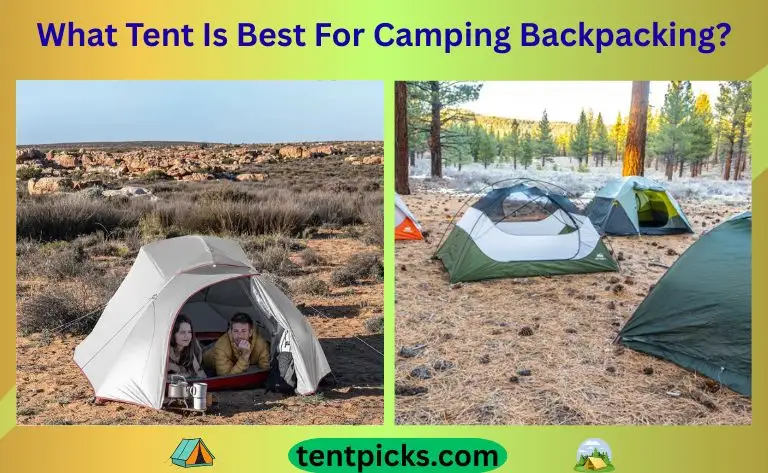
What Tent Is Best For Camping Backpacking? | Expert Tips
Find the right shelter fast. What Tent Is Best For Camping Backpacking? See our expert picks by weight, season rating, and budget to pack light and sleep dry. The best tent for backpacking balances low weight, solid weatherproofing, and livability.
Choosing one tent is not simple. Terrain, weather, and your style all matter. I have tested shelters from desert slots to windy ridgelines. This guide breaks down What Tent Is Best For Camping Backpacking? so you can pick with confidence and avoid costly mistakes.

How to choose a backpacking tent: the core criteria
Backpackers juggle five things: weight, weather, space, durability, and price. You need enough room to sleep and store gear. You also want a tent that can handle wind and rain and still pack small.
Ask yourself how and where you camp. If you wonder What Tent Is Best For Camping Backpacking, start with your typical forecast and mileage. The right pick should match your priorities, not someone else’s pace.

Tent types and when to use each
Different designs fit different trips. Here is a clear view.
- Freestanding double-wall: Easy pitch, stable, great in mixed weather. Good for most people.
- Semi-freestanding: Saves weight. Needs stakes at corners for full shape.
- Trekking-pole shelters: Very light. Use your poles as structure. Great for long miles if you can pitch well.
- Single-wall: Lighter and packs small. It can collect more condensation in humid air.
- Tarp and bivy: Ultralight and fast. Best for skilled users and fair weather.
If you ask What Tent Is Best For Camping Backpacking?, think about your setup skills and campsites. Forest duff and sand need good stakes and guylines. Slabs favor freestanding frames.
Season ratings demystified
Season ratings guide weather use. They are simple.
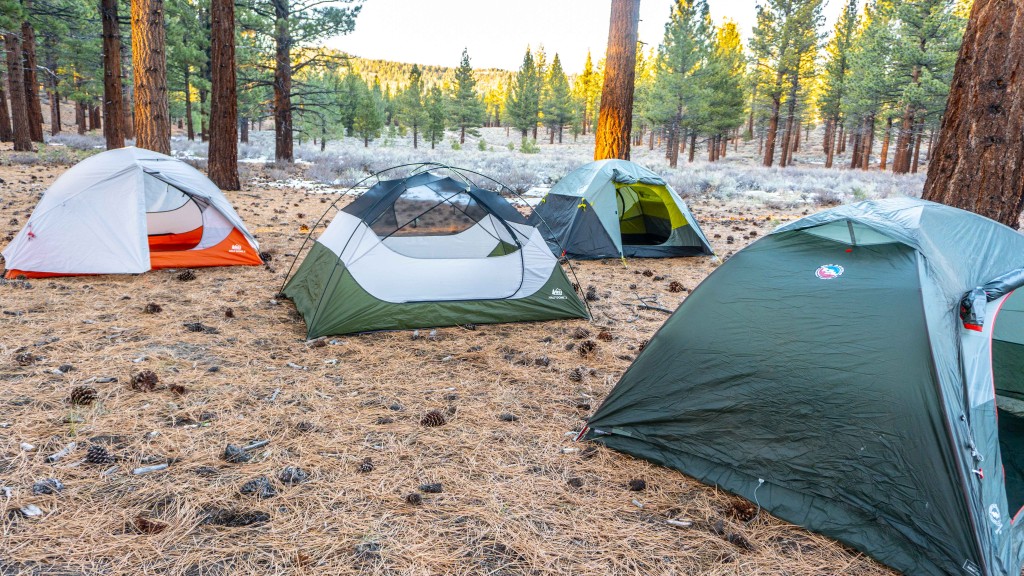
- 3-season: Spring to fall. Handles rain, light wind, and mild shoulder season snow.
- 3–4-season (extended): Extra poles and fabric. Better in the wind and early snow.
- 4-season: Winter duty. Strong poles and fewer mesh. Warm but heavier.
What Tent Is Best For Camping Backpacking? Depends on your cold tolerance and trip dates. Most hikers are happy with a 3-season model and smart camp choices.
Capacity, interior space, and livability
Tent labels can mislead. A two-person often fits two pads with little gear space. Look at numbers and shapes.
- Floor area: Aim for 27–32 sq ft for two people. Solo tents run 18–22 sq ft.
- Peak height: 38–44 inches feels roomy for sitting and changing.
- Walls and shape: Steeper walls feel bigger. Hubbed poles boost headroom.
- Doors and vestibules: Two doors stop the midnight crawl. Vestibules store wet packs and boots.
When you ask What Tent Is Best For Camping Backpacking?, match the space to your body size and trip length. I go one size up on long trips for sanity and comfort.
Materials, poles, and build quality
Fabric and poles set the strength, weight, and cost. Small details matter in storms.
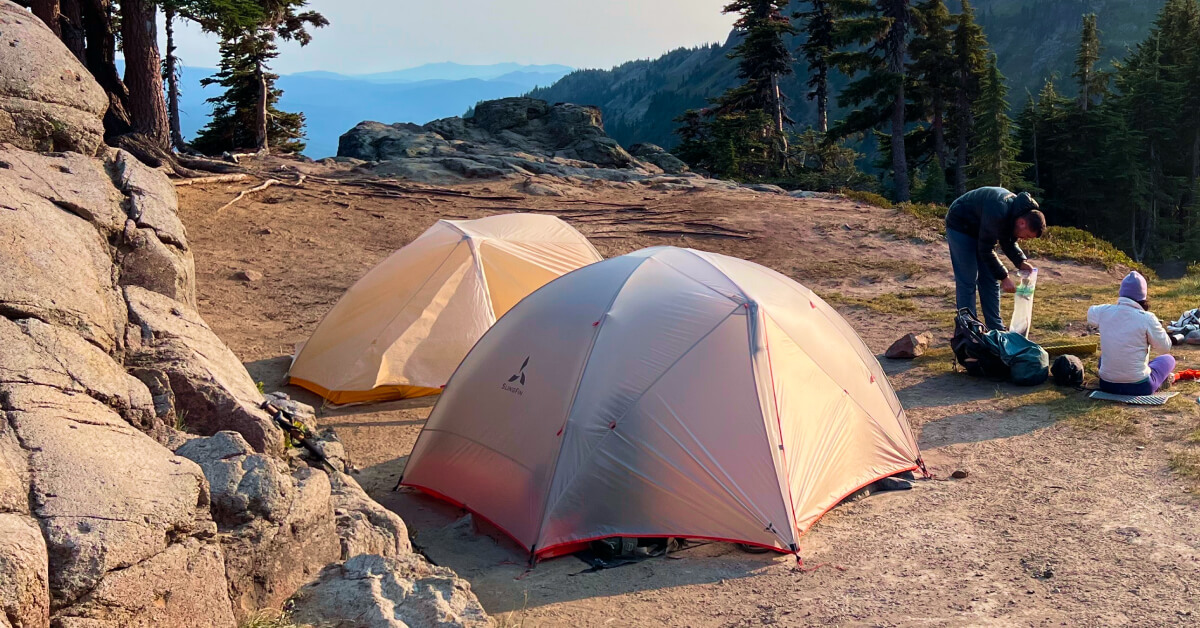
- Fabrics: Nylon is strong for its weight but can sag when wet. Polyester sags less and handles UV better. Dyneema Composite Fabric (DCF) is ultralight and does not absorb water.
- Coatings: Silnylon and silpoly use silicone or PU. Check hydrostatic head ratings around 1200–3000 mm for floors and flies.
- Poles: DAC and Easton poles are common. More segments and hubbed designs add strength.
- Hardware: Guy-out points, bar tacks, and seam work show build quality.
Data from lab tests show DCF has near-zero water gain in rain. That helps in long storms. If you ask What Tent Is Best For Camping Backpacking?, pick materials that match your abuse level and sun exposure.
:max_bytes(150000):strip_icc()/tal-tents-test-nemo-dagger-osmo-lightweight-backpacking-taylor-fox-02-2-4b4f1170c9964c87a15b7f3c7cec9120.jpeg)
Weight: ultralight versus durable
Weight cuts raise cost and can reduce long-term wear. Balance is key.
- Sub-2 lb solo tents: Great for thru-hikes. Handle carefully. Use the best.
- 2–3 lb solo or 3–4 lb two-person: Sweet spot for most hikers.
- 4+ lb two-person: Roomy and tough. Better for rough terrain or windy zones.
What Tent Is Best For Camping Backpacking? The one you are happy to carry and happy to sleep in. I aim for about 2.5–3 lb for two people on mixed trips.

Ventilation and condensation management
Condensation is normal. Warm breath hits cool fabric. You wake to mist if the airflow is poor.
- Double-wall tents cut drip risk by keeping the mesh inner off the fly.
- Peak vents, high-low airflow, and two doors help cross-breeze.
- Pitch with the wind at a vestibule. Leave zippers cracked if safe.
If you often ask What Tent Is Best For Camping Backpacking?, look at vent design photos and user shots in the rain. Good vents are worth a few extra ounces.
Set up, footprints, and site selection
Fast, clean setup saves energy and keeps gear dry.
- Color-coded clips speed the pitch. Practice at home in the dark.
- Stake the windward corners first. Use all guy points in bad weather.
- Footprints: Use on rough ground. Skip when you need to save weight.
- Site: Choose higher ground, slight breeze, and natural wind breaks.
What Tent Is Best For Camping Backpacking? The one you can pitch well at dusk on uneven ground. Skill beats specs on a stormy night.
Real-world picks by scenario
I have tried many shelters over miles of trails. These patterns repeat.
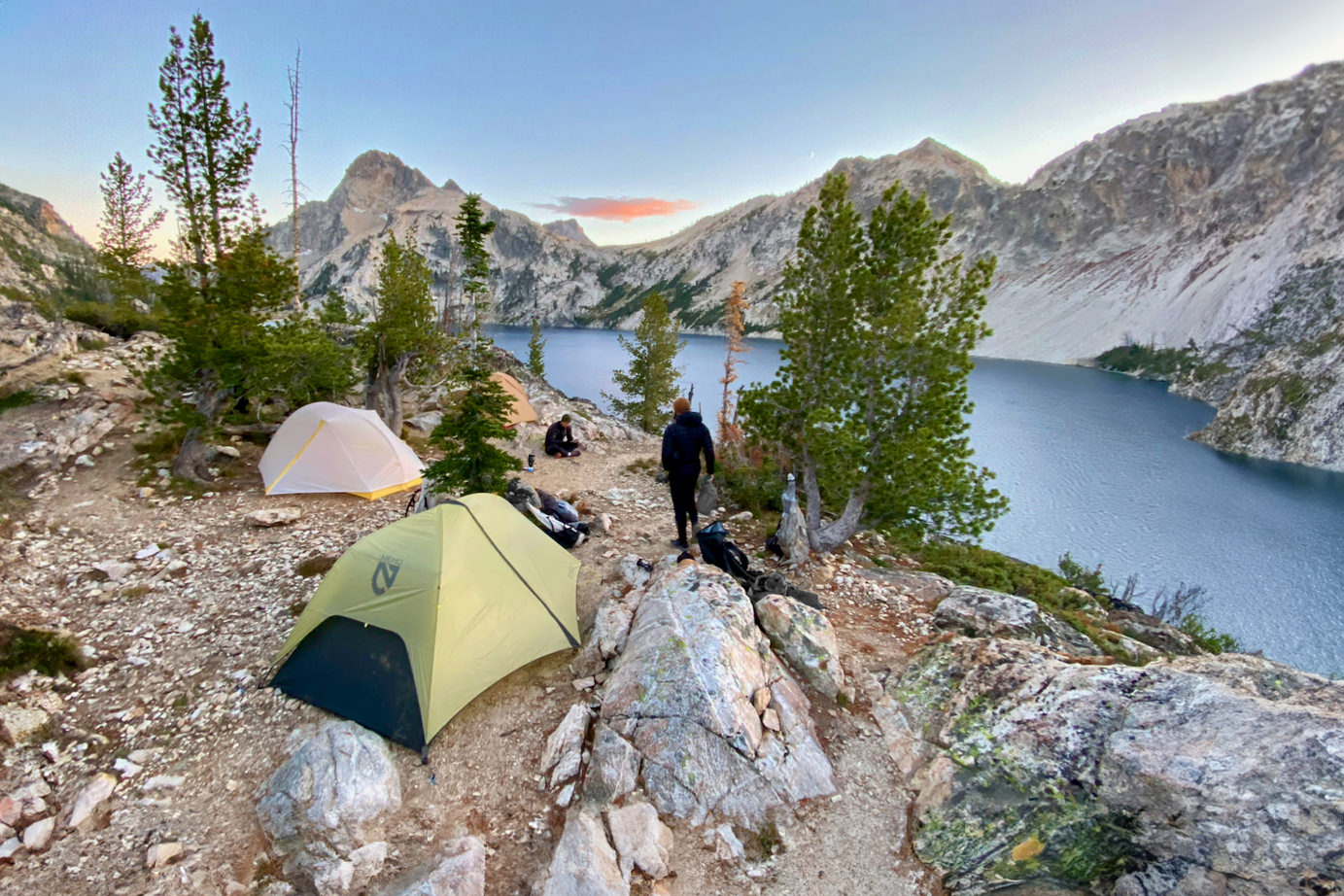
- All-around 3-season two-person: Big Agnes Copper Spur HV UL2, MSR Hubba Hubba, NEMO Dagger OSMO. Easy to pitch, roomy, and storm-ready.
- Ultralight mile-eaters: Zpacks Duplex/Triplex, Durston X-Mid 1/2. Great weight-to-space if you use trekking poles.
- Budget-friendly starters: REI Trailmade 2, REI Half Dome SL 2. Heavier but tough and fair-priced.
- Wind and shoulder season: Hilleberg Nallo 2, Kuiu Mountain Star. Strong poles and low profiles.
- Solo balance: Tarptent Stratospire 1, Sierra Designs High Route. Good space and smart design.
If you ask What Tent Is Best For Camping Backpacking?, think of your trail, pack weight, and pitch skill. Then match a tent that fits your habits and your weather band.
Budget and value
Price does not equal joy. Spend where it helps you most.
- Under $200: Heavier but fine for short trips and fair weather.
- $200–$400: Best value tier. Solid space and features at a good weight.
- $400–$800: Premium fabrics, lighter poles, and better build.
What Tent Is Best For Camping Backpacking? The tent that meets your needs without draining your trip fund. Save some budget for a warm bag and a good pad.
Care, maintenance, and longevity
A few habits double-tent life.
- Dry before storage. Moisture breeds mold and breaks coatings.
- Store loose, not compressed. Heat and pressure crush coatings.
- Reseal seams and refresh DWR when water no longer beads.
- Replace the shock cord if it loses its snap.
What Tent Is Best For Camping Backpacking? The one you maintain. A well-kept mid-tier tent can outlast a neglected premium one.
Packing and field tips
Small tweaks improve sleep and speed.
- Pack the fly on top if rain threatens. You can pitch fast and keep the inner dry.
- Use a small towel to swipe condensation before packing.
- Add glow cord pulls and reflective guy lines. Night exits get safer.
- Bring two extra stakes and a short repair sleeve.
What Tent Is Best For Camping Backpacking? The tent supports a calm routine and quick camp moves. Little systems beat big gear lists.
Frequently Asked Questions: What Tent Is Best For Camping Backpacking?
How much should a backpacking tent weigh?
Aim for 2–3 pounds for solo and 3–4 pounds for two people. Go lighter if you hike big miles and can handle delicate gear.
Are trekking-pole tents good for beginners?
They can be great if you practice. Learn a stable pitch and carry sturdy stakes for soft ground.
Do I need a Footprint?
Use one on rough or rocky sites to protect the floor. Skip it when the weight is tight or the camps are soft and clean.
What denier fabric is best for floors?
Floor fabrics around 20–40D with solid coatings balance weight and toughness. Higher denier adds durability but also adds ounces.
Can a 3-season tent handle snow?
Light snow, yes, with good guying and site choice. For heavy snow or strong wind, use an extended or 4-season tent.
Conclusion
The best backpacking tent fits your weather, miles, and habits. Match weight to your body and route, and pick solid materials and vents you trust. Practice your pitch, and you will sleep well despite wind and rain.
Now act. Define your trips, set a budget, and list your must-haves. Then choose with intent and get outside. If this helped, share it, ask a question, or subscribe for more field-tested guides.
One Comment