

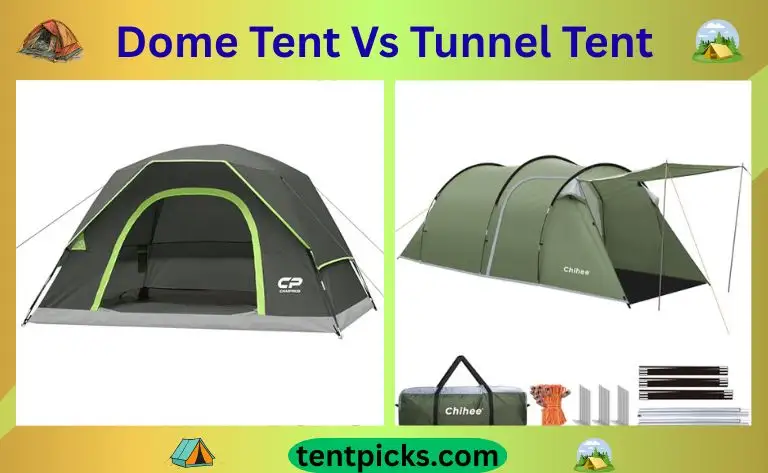
Dome Tent Vs Tunnel Tent | Best Choice For Campers 2026
Dome Tent Vs Tunnel Tent comparison guide for campers in 2026, explore stability, space, wind resistance, weight, and setup ease to choose the best tent for backpacking, family camping, and all-weather adventures. Both work well: domes pitch fast and resist wind; tunnels maximize space.
You want a tent that fits your trip, not the other way around. Dome Tent Vs Tunnel Tent is one of those choices that looks simple until you’re packing for real weather. I’ve camped in both, from breezy beach nights to stubborn mountain gusts. Each shone in different ways. Below, I’ll share what stood out in hands-on use so you can pick with confidence.
Is a Dome Tent Good?
Yes—for most weekend trips and mixed weather, a dome tent is a great pick. It is simple, sturdy, and forgiving. Freestanding poles make setup fast and stress-free, even when the ground is rocky. If you’re new to camping or you want a reliable shelter for car camping, the dome style hits the sweet spot.
On a rainy spring campout, I pitched my dome in minutes while friends wrestled with guy-lines. Later that night, gusts rolled through. The low, cross-poled shape stayed planted. Another time, I slid the dome across a sandy site to find a flatter spot—no stakes pulled, no drama. That ease keeps me coming back.
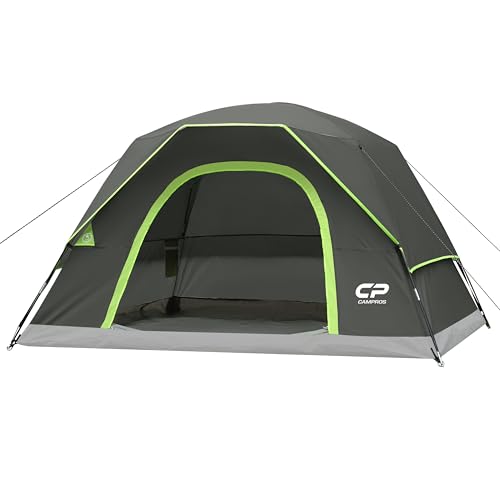
What Makes It Stand Out / Key Features
- Freestanding design for fast, flexible pitching
- A crossed pole structure that handles wind from many angles
- Compact footprint that fits small sites and platforms
- Simple rainfly coverage with a bathtub floor for weather protection
- Mesh panels for airflow and stargazing on clear nights
What I Like
- Setup is quick, even solo, and easy to move before staking
- Stable in variable winds without perfect guying
- Light enough for short hikes; perfect for car camping
- Good all-rounder for shoulder-season trips
- Packs neatly; fewer poles and parts to manage
What Could Be Better
- Less usable headroom than a tunnel of the same size
- Smaller vestibules; gear storage can feel tight
- The interior can feel cozy for taller campers
My Recommendation
If you want a fast, reliable shelter for weekend trips or mixed weather, choose the dome. It’s widely available and usually the best value.
| Best For | Why |
|---|---|
| Beginners and casual campers | Easy, forgiving setup and stable shape |
| Windy, changeable conditions | Handles gusts from many directions |
| Small campsites | Compact footprint fits tight spaces |
Is Tunnel Tent Good?
It depends—if space, comfort, and long stays matter, a tunnel tent is excellent. You get generous headroom, big vestibules, and a livable feel that families and gear-heavy campers love. You will, however, need good staking and alignment to wind.
On a multi-day beach trip, our tunnel tent became the group hangout. The porch swallowed coolers and chairs, and we cooked under cover during a drizzle. On a windy ridgeline, though, I had to pitch it nose-to-wind and stake every guy-line to lock it down. When set right, it is a roomy palace.

What Makes It Stand Out / Key Features
- Elongated tunnel frame for generous headroom and floor space
- Large vestibule/porch for gear, cooking, or pets
- Great ventilation paths from end to end
- Multiple doors for easy in-and-out
- Excellent livability for families or long trips
What I Like
- Roomy interior feels like a tiny cabin
- The big porch keeps wet gear and mud outside
- Great airflow reduces condensation on mild nights
- Ideal for basecamps and festival stays
- Easy to keep organized with zones for sleep and gear
What Could Be Better
- Needs solid staking and guying; not truly freestanding
- More sensitive to wind direction; best when pitched nose-to-wind
- Bigger packed size compared to most domes
My Recommendation
If comfort, storage, and longer stays are your priorities, the tunnel tent is your best bet.
| Best For | Why |
|---|---|
| Families and groups | Spacious interior and big vestibules |
| Basecamps and festivals | Great livability for multi-day use |
| Wet or muddy trips | Porch stores gear out of the sleeping area |
Dome Tent Vs Tunnel Tent: Side-by-Side Test
I ran both shelters on windy weekends and calm family trips. This Dome Tent Vs Tunnel Tent breakdown shows how each performs where it counts, so you can choose fast and camp happily.
Pitching & Setup: Which Is Faster?
Both pitch well, but they need different steps.
| Aspect | Dome Tent | Tunnel Tent |
|---|---|---|
| Freestanding | Yes | No |
| Typical Setup Time | 6–10 minutes solo | 10–15 minutes with staking |
| Site Flexibility | High (move before staking) | Medium (needs solid anchors) |
| Learning Curve | Very easy | Moderate |
Ratings: Dome Tent – 9/10 | Tunnel Tent – 7.5/10
Edge: Dome Tent, because it is freestanding and faster to pitch on any ground.
Space & Comfort: Who Feels Bigger?
Livability matters when you’re stuck inside.
| Aspect | Dome Tent | Tunnel Tent |
|---|---|---|
| Headroom | Moderate peak, sloping sides | High, more uniform |
| Floor Space Feel | Efficient but cozy | Roomy and open |
| Vestibule Size | Small–medium | Large porch options |
| Family Friendly | Good for short trips | Great for long stays |
Ratings: Dome Tent – 7.5/10 | Tunnel Tent – 9/10
Edge: Tunnel Tent, thanks to bigger vestibules and even headroom.
Wind Performance: Who Stays Put?
Wind exposes design strengths and flaws.
| Aspect | Dome Tent | Tunnel Tent |
|---|---|---|
| Wind From Any Direction | Stable due to curved, crossed poles | Needs correct alignment |
| Guy-Line Dependence | Lower | Higher |
| Gust Handling | Very good | Good when pitched nose-to-wind |
| Forgiveness on Poor Sites | High | Medium |
Ratings: Dome Tent – 9/10 | Tunnel Tent – 8/10
Edge: Dome Tent, for all-around wind stability without perfect setup.
Rain & Condensation: Who Keeps You Drier?
Waterproofing is a system: fly, vents, and space.
| Aspect | Dome Tent | Tunnel Tent |
|---|---|---|
| Rainfly Coverage | Full coverage on many models | Full coverage with an extended porch |
| Ventilation | Good with mesh and vents | Excellent end-to-end flow |
| Condensation Control | Good | Very good due to airflow |
| Wet Gear Management | Limited vestibule space | Large porch keeps wet gear out |
Ratings: Dome Tent – 8/10 | Tunnel Tent – 9/10
Edge: Tunnel Tent, for airflow and gear management in wet weather.
Weight, Pack Size & Portability: Who Carries Better?
Your back and trunk will notice the difference.
| Aspect | Dome Tent | Tunnel Tent |
|---|---|---|
| Packed Size | Smaller | Larger |
| Weight (Similar Capacity) | Lighter on average | Heavier on average |
| Best Use | Car camping and short hikes | Car camping and basecamps |
| Transport Ease | Very easy | Moderate |
Ratings: Dome Tent – 8.5/10 | Tunnel Tent – 7.5/10
Edge: Dome Tent, for smaller packed size and simpler carry.
Ease of Use & Flexibility: Who Adapts Better?
Trips change. Your shelter should keep up.
| Aspect | Dome Tent | Tunnel Tent |
|---|---|---|
| Moving Before Staking | Easy | Hard |
| Pitching on Platforms/Rock | Works with rocks/weights | Challenging without anchors |
| Orientation Sensitivity | Low | High in the wind |
| Beginner Friendly | Very | Some learning needed |
Ratings: Dome Tent – 9/10 | Tunnel Tent – 7.5/10
Edge: Dome Tent, because it is more forgiving on tricky sites.
Value for Money: Who Delivers More?
Think beyond price—consider what you gain.
| Aspect | Dome Tent | Tunnel Tent |
|---|---|---|
| Price for Entry Models | Lower | Moderate |
| Livability per Dollar | Good | Excellent for families |
| All-Round Use | Excellent | Great for specific needs |
| Upgrade Potential | Easy to accessorize | Porch add-ons vary by model |
Ratings: Dome Tent – 8.5/10 | Tunnel Tent – 8/10
Edge: Tie—domes win on price and ease; tunnels win on comfort per dollar.
Final Verdict: Which Should You Buy?
Choose the dome tent if you want a simple setup, solid wind handling, and a smaller packed size. It shines for quick trips, mixed weather, and campsites with limited space. In the Dome Tent Vs Tunnel Tent debate, the dome is the safest all-rounder.
Choose the tunnel tent if you value space, porch storage, and long-stay comfort. It wins for families and basecamps. For Dome Tent Vs Tunnel Tent, go tunnel when livability matters most, and you can stake it well.
FAQs Of Dome Tent Vs Tunnel Tent
What is the main difference in structure?
A dome tent is freestanding with crossed poles. A tunnel tent uses parallel arches and needs staking. In Dome Tent Vs Tunnel Tent tests, this affects setup and wind.
Which is better in the wind?
For general wind from any direction, domes do better. In Dome Tent Vs Tunnel Tent trials, tunnels also perform well when pitched nose-to-wind and fully guyed.
Which offers more space for families?
Tunnel tents. In the Dome Tent Vs Tunnel Tent choice, tunnels give bigger porches and more even headroom.
Which is easier for beginners?
Dome tents. They pitch fast, move before staking, and suit many sites. That’s why Dome Tent Vs Tunnel Tent often ends with “get a dome” for first timers.
What should I pick for rainy camps?
Both work if pitched right. Dome Tent Vs Tunnel Tent in rain comes down to storage: tunnels keep wet gear in the porch; domes rely on smaller vestibules.




One Comment