


How To Wash A Tent In The Washing Machine? Best Safe Guide
Wash a tent in the washing machine safely and effectively with our step-by-step guide. Learn how to protect your tent’s fabric, waterproof coating, and zippers during cleaning.
Discover the best washing tips, gentle detergents, and drying methods to keep your camping gear fresh and long-lasting. Perfect for beginners who want an easy and safe way to clean their tents at home.
If you’ve ever stared at a mud-caked tent and wondered if the washing machine could save you a weekend of scrubbing, you’re not alone. I’ve maintained dozens of tents for group trips, rentals, and family camping, and I understand the risks and the right way to do it.
Here’s the clear truth: while many manufacturers advise against machine washing, there are safe, specific cases where you can machine-wash a tent and not ruin it.
This guide explains exactly when it’s okay, how to do it step by step, and how to protect waterproofing so your tent lasts. Let’s dive into how to wash a tent in the washing machine the right way.
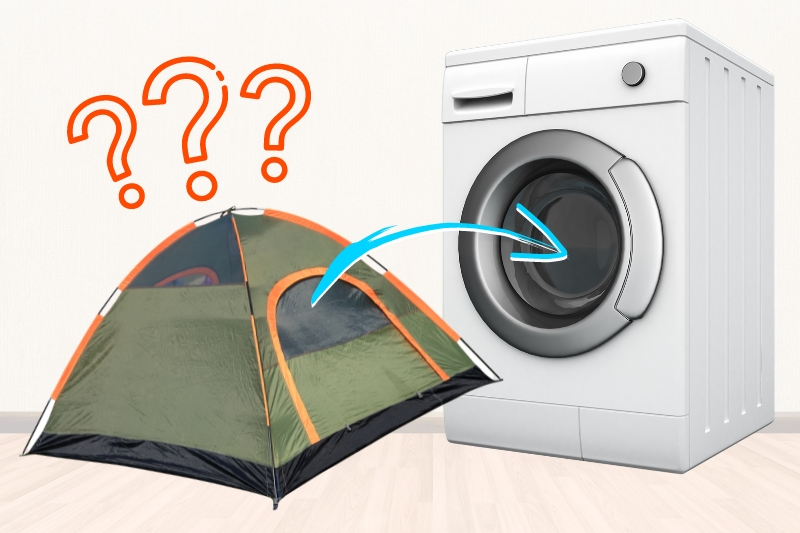
Is It Ever Safe To Machine-Wash A Tent?
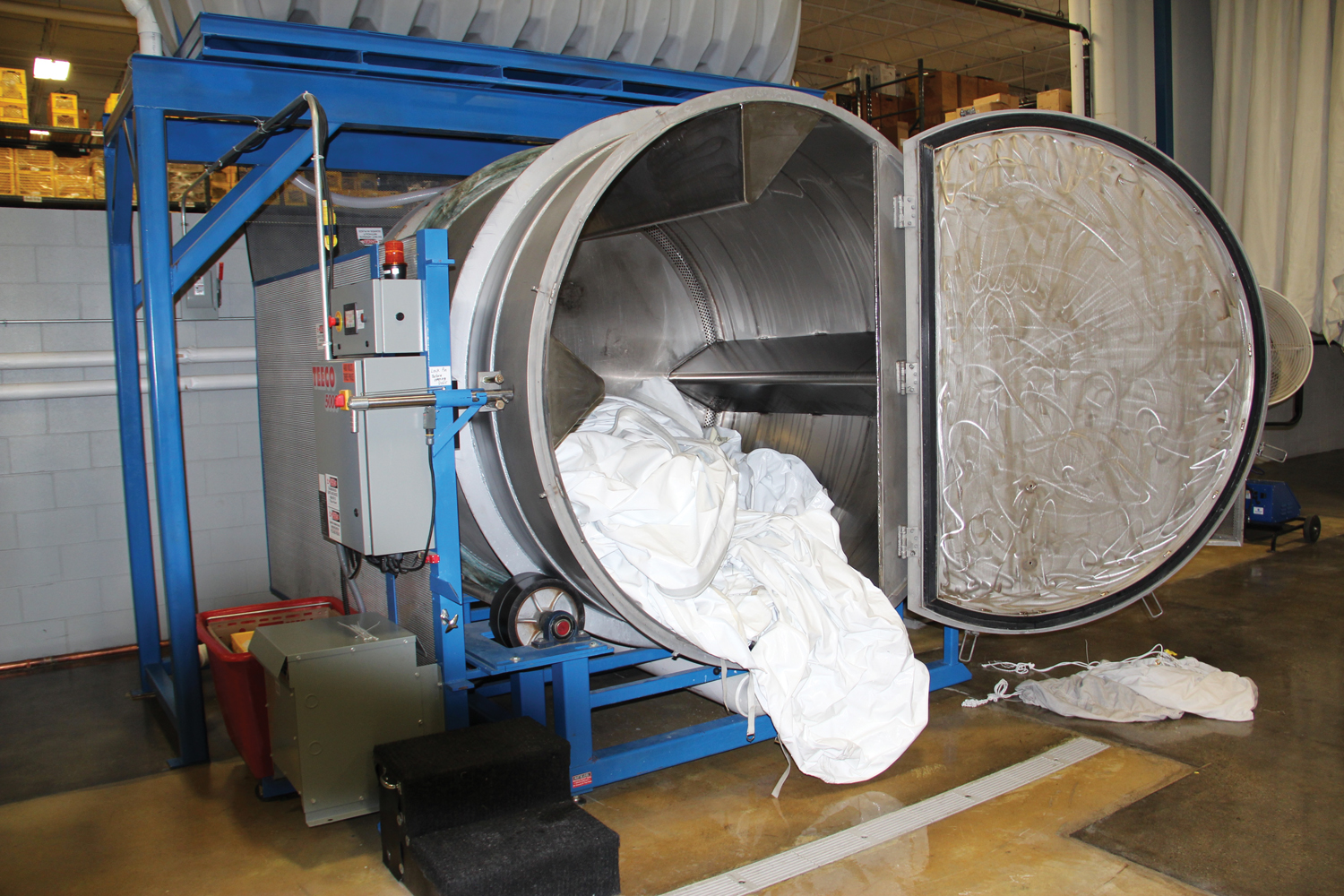
Machine washing a tent is not the default method. Agitators, heat, and harsh detergents can damage coatings and seams. That said, it can work when you follow strict rules.
Use a washing machine only when:
- The tent is polyester or nylon with polyurethane or silicone coatings, not canvas or cotton. Canvas can shrink and rot with mishandling.
- The washer is a large-capacity front-loader without a central agitator. Agitators can tear fabric and stress seams.
- The tent is a basic car-camping model without delicate mesh panels or ultralight fabrics. Ultralight gear needs hand washing.
- The tent is only lightly to moderately dirty. Heavy mud, sap, or grit is better handled by a bathtub soak and hand wash.
Times to avoid machine washing:
- If the tent has flaking, sticky, or peeling coatings. This needs re-coating, not agitation.
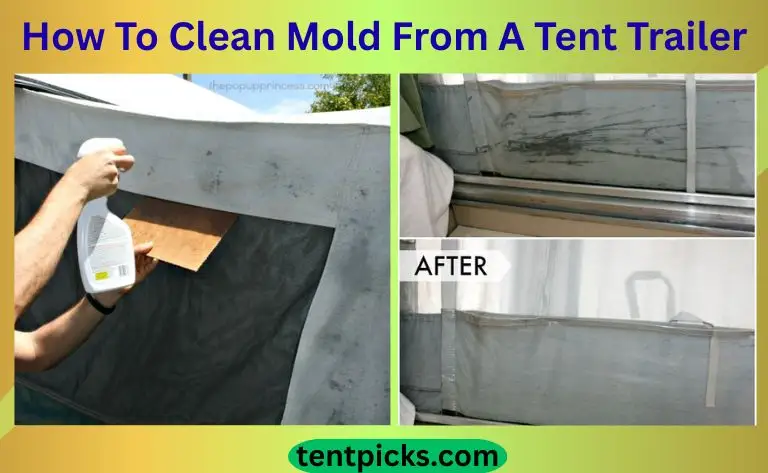
- If there’s mold or heavy mildew. Address this with targeted cleaning first.
- If the care label explicitly says do not machine wash. Respect the label to keep warranties intact.
From experience, the biggest success factor is the washer: a gentle, modern front-loader on cold with minimal spin. When I’ve followed this setup, I’ve had clean tents with intact waterproofing. When I’ve seen damage, it usually came from hot water, agitators, or harsh soaps.
What You Need Before You Start
Gather these supplies for a safe, low-stress wash:
- A large-capacity front-loading washer. No agitator.
- Mild, non-detergent cleaner made for outdoor gear or a gentle, unscented liquid soap. Avoid enzymes and brighteners.
- A mesh laundry bag or duvet cover to contain guylines and zippers.
- A soft brush or sponge for spot cleaning.
- Microfiber cloths for wiping and rinsing.
- Cold water access and room to air-dry.
- Waterproofing spray for tents and seam sealer for touch-ups.
Pro tip: Test a small hidden area with your cleaner first. If color bleeds or coating feels tacky after rinsing, switch to hand washing.
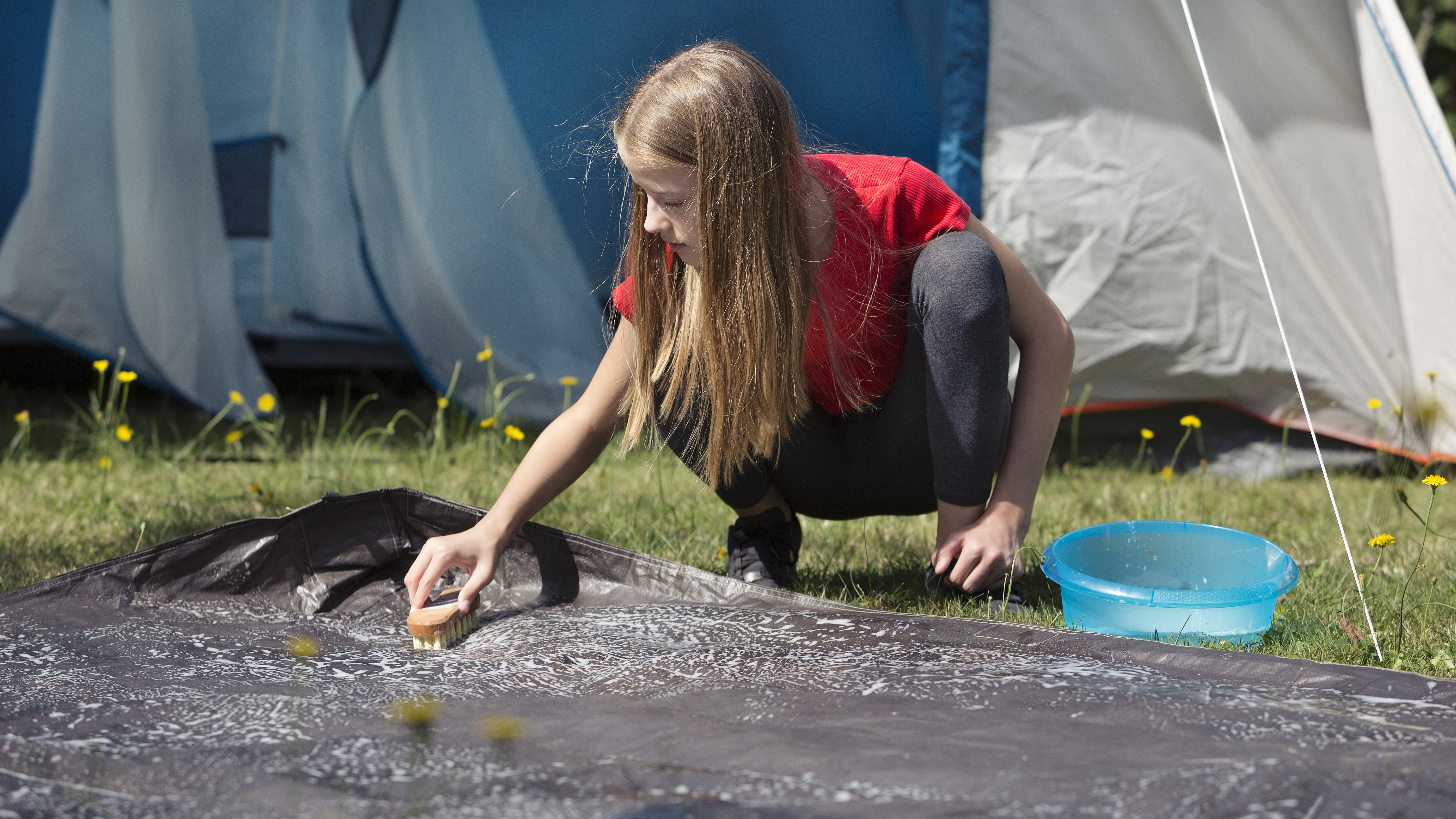
Step-By-Step: How To Wash A Tent In The Washing Machine
Follow this process to lower the risk and get a clean, fresh tent.
- Prep the tent
- Shake out dirt, leaves, and sand outside. Dirt in the machine acts like sandpaper.
- Unzip all doors and windows to reduce stress on zippers and mesh.
- Remove the rainfly, poles, and stakes. Poles and stakes never go in the washer.
- Detangle guylines. Tie them together loosely or tuck them into the mesh bag.
- Spot-clean first
- Use cold water and a soft brush on mud, bird droppings, or sap.
- Dab, don’t scrub hard. Aggressive scrubbing can scuff coatings.
- Load the machine
- Place the tent body and rainfly in a mesh laundry bag or duvet cover. This prevents snagging.
- Balance the load with a couple of clean towels to reduce strain on seams.
- Choose the right settings
- Cycle: Delicate or hand-wash.
- Water: Cold only.
- Spin: Low or off if your machine allows it.
- Detergent: Use a small amount of non-detergent gear wash or a few drops of mild soap. Never use bleach, fabric softener, or strong detergents.
- Run a short cycle
- Keep it short and gentle. Extended cycles increase wear on coatings and seams.
- Rinse well
- Run one extra rinse if any suds remain. Residue can attract dirt and reduce water repellency.
- Inspect immediately
- Check seams, zippers, and coatings while wet. If anything seems off, stop and move to gentle hand care.
Friendly reminder based on hard lessons: if the washer defaults to warm or normal spin, reset it. I’ve seen warm water and high spin flatten mesh and crease coatings.
Drying And Reproofing
Never use a dryer. Heat can destroy polyurethane coatings and shrink parts.
Air-dry like this:
- Hang the tent and fly indoors or in full shade with good airflow. Direct sun can degrade coatings.
- Use a fan to speed drying, especially around seams and corners.
- Make sure everything is 100% dry, including guyline attachment points and zipper garages. Any damp spots can trigger mildew.
Restore water repellency:
- Once dry, apply a tent-specific DWR spray to the rainfly’s exterior. Light, even coats work best.
- If you notice seam leaks or flaking, apply a compatible seam sealer. Match the sealer to the coating type.
Quick test: Spray a bit of water on the fly. If it beads and rolls off, your DWR is good. If it wets out, reapply and let it cure fully before packing.

Mistakes To Avoid
These common errors cause most tent damage in washers:
- Using a top-loader with an agitator. This can tear mesh and stress seam tape.
- Hot water, long cycles, or heavy spin. These weaken coatings.
- Strong detergents, bleach, or fabric softeners. They strip waterproofing and can make fabric brittle.
- Skipping the pre-clean. Grit inside the drum scours coatings.
- Machine drying. Heat is the fastest route to delamination.
I once tested two similar polyester flies: the one washed on warm with normal spin lost beading after one trip; the cold, gentle-cycle fly kept beading all season.
Troubleshooting And Odor Removal
If problems show up after washing, try these fixes:
- Musty smell: Soak the tent in a tub with cold water and a small amount of gear wash, then rinse well and sun for 20 minutes only. Follow with full shade drying.
- Sticky or peeling interior: This is coating breakdown, not dirt. Clean gently, let dry, then apply a re-coating product designed for polyurethane if compatible. Sometimes replacement is the honest answer.
- Persistent sap or pitch: Dab with mineral spirits on a cloth only on the sticky spot, then rinse with mild soap and cold water. Test first. Avoid soaking the whole panel.
- Cloudy windows: Use water and a soft cloth only. Solvents can haze clear panels.
- Zipper grit: Brush gently with a dry toothbrush, then add a tiny bit of zipper lubricant.
If the tent wets out in light rain after cleaning, apply DWR to the outer fly and seam sealer where needed. Let cure fully.
Storage And Long-Term Care
How you store your tent matters more than how you wash it.
- Dry 100% before packing. Even a damp corner can grow mildew.
- Store loosely in a breathable cotton bag or pillowcase, not compressed in a tight stuff sack.
- Keep in a cool, dry closet. Avoid attics, garages, or car trunks where heat accelerates coating decay.
- Air the tent for 15 minutes after every trip, even if it looks clean.
- Hand wash between machine washes. Reserve machine washing for occasional deep cleans only.
This routine has doubled the life of my group-use tents. Light, regular care beats one aggressive clean every time.
Frequently Asked Questions Of How To Wash A Tent In The Washing Machine
Can I Put Any Tent In The Washing Machine?
No. Avoid machine washing canvas, ultralight, or tents with fragile mesh and aging coatings. Use a front-loader and only wash sturdy polyester or nylon tents on a delicate, cold cycle.
What Detergent Is Safe For Tents?
Use a non-detergent gear wash or very mild, unscented soap. Avoid bleach, fabric softener, and enzyme detergents. Harsh cleaners strip waterproof coatings.
Should I Wash The Rainfly Separately?
You can wash the fly with the tent body in a mesh bag, but if it is very dirty, wash it separately to reduce abrasion and improve rinsing.
How Do I Dry A Tent After Machine Washing?
Air-dry in shade with good airflow. Never use a dryer. Ensure all parts are completely dry before storage to prevent mildew.
Will Machine Washing Ruin Waterproofing?
If you use cold water, a gentle cycle, and mild soap, you can preserve most waterproofing. Reapply DWR to the rainfly after washing for best performance.
How Often Should I Machine-Wash A Tent?
Rarely. Spot clean after trips and hand wash as needed. Reserve machine washing for occasional deep cleans when the tent is moderately dirty and meets the safety criteria.
Conclusion
You can wash a tent in the washing machine safely if you use the right washer, the right settings, and the right cleaner. Keep it cold, gentle, short, and always air-dry, then restore the water repellency.
Treat machine washing as an occasional deep clean, and use careful storage to keep your tent trail-ready for years.
Try this method on a sturdy polyester tent for your next clean-up, and share your results or questions in the comments. Want more gear-care tips? Subscribe for future guides and field-tested advice.





One Comment