

Which Type Of Tent Can Withstand Strong Winds?
Which Type Of Tent Can Withstand Strong Winds? Discover the best wind-resistant tents designed for extreme weather conditions. Learn about durable tent materials, strong pole structures, aerodynamic designs, and setup tips to keep your shelter stable in high winds.
Perfect guide for campers seeking reliable tents for stormy and windy environments. Geodesic 4-season dome tents with many poles withstand strong winds best.
If you camp on exposed ridges, beaches, or open desert, you need gear you can trust. I’ve pitched shelters in gusts that shook the ground. In this guide, I break down Which Type Of Tent Can Withstand Strong Winds? with clear tips, real tests, and lessons learned.
You will see how tent shapes, poles, fabrics, and setup all decide if your shelter stands or fails. Stick with me. Your next camp in a gale will feel a lot calmer.
What Makes a Tent Wind-Resistant?
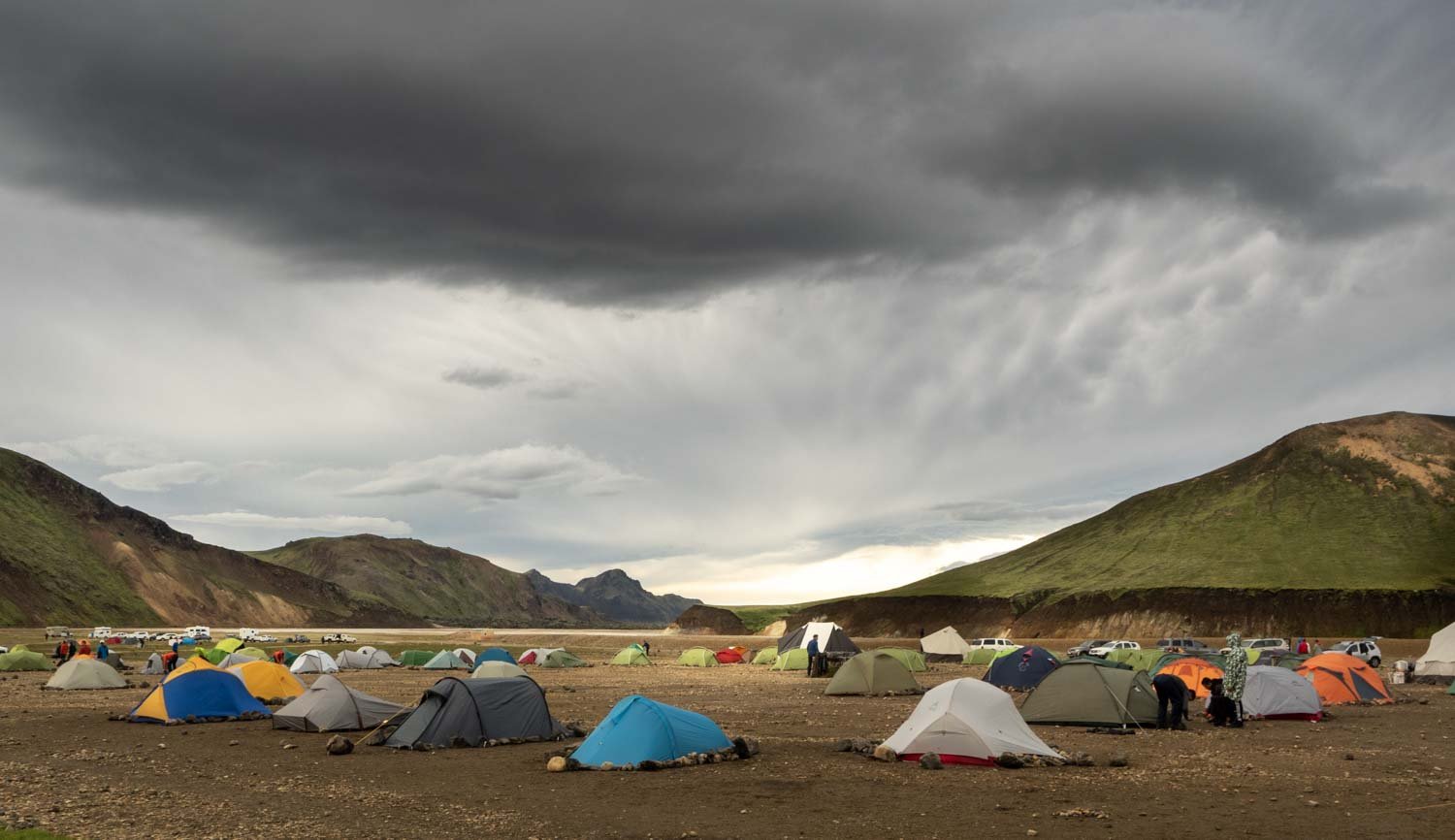
Wind wants to grab surface area and push. The goal is to give the wind less to grip and spread force over a strong frame. Low height, smooth curves, and full fly coverage help a lot. Extra guy points and solid anchors matter even more.
I often hear people ask, Which Type Of Tent Can Withstand Strong Winds? The answer starts with shape and structure. A stable frame with many pole crossings resists flex. Good fabric and smart guylines keep it locked to the ground.
The Best Tent Types for Strong Winds
There are three proven shapes that shine in storms. Each has pros and cons. Your choice depends on terrain, weight needs, and weather.
Geodesic and semi-geodesic dome tents
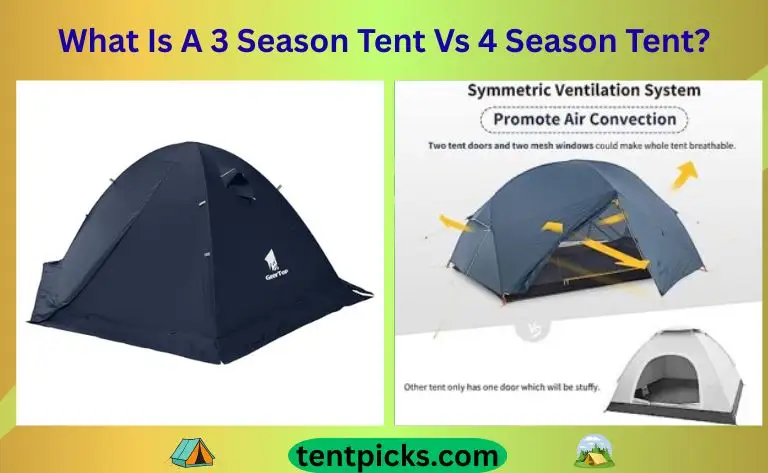
These use multiple crossing poles to make a strong shell. The round shape sheds gusts from any angle. If you ask Which Type Of Tent Can Withstand Strong Winds? a geodesic 4-season dome is the most common answer.
Look for at least three to five pole intersections. Pole sleeves add strength over clips. This is the go-to for alpine and winter trips.
Low-profile tunnel tents
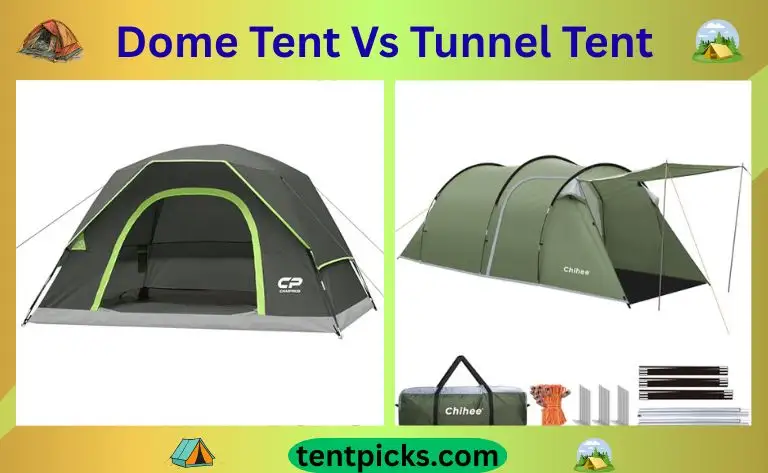
Tunnel tents use two to three hoops and many guylines. They face wind nose-first and flex without failing. Which Type Of Tent Can Withstand Strong Winds? When weight is key and you can aim the tent into the wind, a tunnel works great.
They pitch fast and offer great space-to-weight. But they need solid anchors and correct orientation.
Pyramid and mid shelters
A single center pole and tight lines make a strong wedge. The sloped sides shed wind well if you pitch low. Which Type Of Tent Can Withstand Strong Winds? In snow or sand, a well-anchored pyramid can surprise you.
They need skillful staking and a tight pitch. Add a full inner for bugs and splash control.

Key Features That Help a Tent Beat High Winds
Which Type Of Tent Can Withstand Strong Winds? The right features make the difference between a steady night and a torn fly.
- Pole strength and count. Look for high-grade aluminum or composite poles with many crossings. More intersections mean more strength.
- Pole architecture. Sleeves spread the load better than clips. Mixed sleeve and clip designs can balance strength and speed.
- Full-coverage fly. A fly that reaches near the ground blocks gusts and rain. Catenary cuts help tension.
- Dense, tough fabric. Higher denier and strong ripstop resist tears. Silicone-coated fabrics hold shape in gusts.
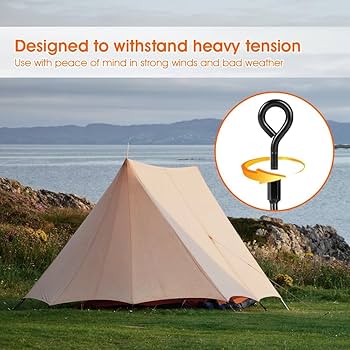
- Many guy-out points. Use all of them. Pre-attached guylines with line-locs save time.
- Big, strong stakes. Bring Y or V stakes for firm dirt. Carry sand or snow anchors for loose ground.
- Low, compact shape. A small profile catches less wind. Vestibules should be trim and well-guyed.
- Quality stitching and reinforcements. Stress points need bar-tacks and patches. Seams should be neat and tight.
How to Pitch for Wind: A Simple 7-Step Plan
Which Type Of Tent Can Withstand Strong Winds? Even the best tent fails with poor set-up. Use this fast plan when a front rolls in.
- Pick the right spot. Avoid ridges and saddles if you can. Use natural windbreaks like boulders or bushes without dead branches above.
- Aim the tent. Point the narrow or strongest end into the wind. For tunnels, face the door leeward if possible.
- Stake the corners first. Keep the tent low and square. Recheck tension as you go.
- Add guidelines early. Use all guy points. Keep lines at 45 degrees and symmetrical.
- Build better anchors. In sand or snow, bury deadman anchors. Use bags, stakes, or sticks.
- Lower the profile. Drop trekking poles and lower mids. Tighten the fly evenly.
- Manage doors and vents. Open leeward only. Short, smooth moves keep gusts from grabbing the fabric.
Pro tip from the field: Double up on windward guylines. Redundancy buys you sleep.
Field Notes: What I Learned in Real Storms
Which Type Of Tent Can Withstand Strong Winds? I learned the hard way on a high pass in spring. My dome held, but the weak stakes pulled out at 2 a.m. I fixed it with buried anchors and a calm head.
A few simple habits help a lot. Pack extra guylines and a pole repair sleeve. Check knots before dark. Vent just enough to cut condensation, since wet fabric sags and flaps.

How Brands Test and What Ratings Really Mean
There is no universal, public wind speed rating for tents. ISO 5912 covers tent safety and structure, but not a clear MPH score. Many makers use private wind-tunnel tests or field trials in storms.
Which Type Of Tent Can Withstand Strong Winds? Look for brands that share test methods and show pole layouts. Independent tests often push good 4-season domes past 50 mph, sometimes more, before damage. Results vary by pitch, soil, and gust pattern, so treat any number as a guide, not a promise.
Tip: Learn the Beaufort scale. If a forecast says near gale, plan for strong anchors and a lower pitch.

Which Tent Should You Buy? Use-Case Guide
Which Type Of Tent Can Withstand Strong Winds? Match the shelter to your trip. Choose function first, then weight, then cost.
- High alpine and winter. Geodesic 4-season dome. Many poles, full fly, snow-ready anchors.
- Coastal and shoulder seasons. Low tunnel tent. Aim into the wind and use all guylines.
- Desert and sand. Pyramid or tunnel with deadman anchors. Bring long sand stakes.
- Family car camping in windy areas. Low-profile dome with strong poles and many guy points. Pack extra stakes.
- Ultralight backpacking with storm risk. Pyramid with an inner, or semi-geodesic dome. Upgrade guylines and stakes.
Always ask yourself, Which Type Of Tent Can Withstand Strong Winds? Then check the pole map, fabric strength, and guy options before you buy.
Smart Upgrades and Care for Windy Trips
Which Type Of Tent Can Withstand Strong Winds? The one you maintain and upgrade before the trip, not during the storm.
- Swap guylines. Use a low-stretch cord like Dyneema with bright reflectors.
- Carry better stakes. Mix Y, V, and long stakes for different soils.
- Add guyline shock absorbers. Small elastic segments reduce shock loads.
- Use repair tape and a pole sleeve. Fix small rips and bent segments fast.
- Rinse zippers and check seams. Grit and weak stitching fail under load.
Pack a small wind kit: spare lines, stakes, tape, sleeve, and gloves. It weighs little and saves tents.
Frequently Asked Questions of Which Type Of Tent Can Withstand Strong Winds?
How much wind can a good 4-season tent handle?
Many hold steady in 40–60 mph gusts when well-pitched. Results depend on soil, anchors, and wind angle.
Are aluminum poles better than carbon for wind?
High-grade aluminum bends before it snaps, which is safer in gusts. Some modern composites also do well, but test data varies.
Does a footprint help in the wind?
Yes, it protects the floor and reduces abrasion that can lead to tears. Make sure it does not stick out and catch water.
Is a lower tent always better in the wind?
Lower helps, but structure matters more. A well-braced dome can beat a short but weak tent.
Should I use all the guidelines?
Yes, use every guy’s point in the wind. It spreads the load and keeps the fly from flogging.
Can ventilation reduce wind damage?
A bit. Dry fabric holds tension better than wet, sagging fabric. Vent leeward to control moisture.
Do I need special knots for guylines?
Use simple, secure knots like the trucker’s hitch or taut-line hitch. Line-locs also work and adjust fast.
Conclusion
Strong wind calls for the right shape, a stiff frame, tough fabric, and a smart pitch. Geodesic domes rule for all-angle gusts. Tunnels shine when aimed well. Pyramids work with tight lines and solid anchors. With a few upgrades and a steady setup plan, your shelter can ride out most storms.
Take the next step. Pick a tent that fits your trips, upgrade the lines and stakes, and practice that wind pitch at home. Ready to go deeper?
Subscribe for more field-tested gear tips, or leave a comment with your windy-camp story.

One Comment