
Which Camping Tent Is The Best For Beginners? Best Tips
If you are asking Which Camping Tent Is The Best For Beginners?, you are in the right place. I test tents in wind, rain, and real campgrounds. I also guide new campers on their first trips. This clear, simple guide will help you buy with confidence and enjoy your first night outside. A freestanding, 3-season dome tent with simple pole clips suits most beginners.

How To Decide: Simple Criteria For Your First Tent
When people ask Which Camping Tent Is The Best For Beginners?, I start with four basics. Keep it simple. Your first tent should not fight you at the campsite.
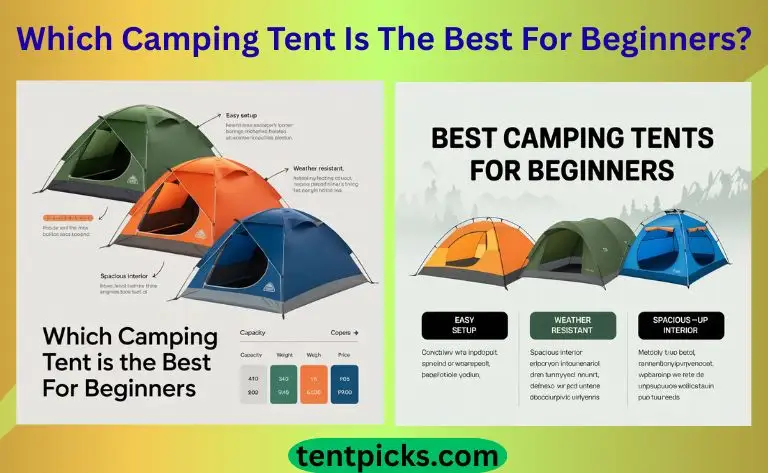
- Ease of setup: Choose a freestanding tent with color-coded poles and clips. It should pitch in under 10 minutes.
- Weather protection: Pick a full-coverage rainfly and a bathtub floor. Look for aluminum poles if you can.
- Space and weight: For car camping, get a tent one size up. For hiking, keep it under 5 pounds per person.
- Price: Aim for good value, not the cheapest. Plan to spend enough to stay dry.
This approach answers Which Camping Tent Is The Best For Beginners? without stress or gear overload. It keeps you dry, calm, and happy on night one.

Tent Types That Fit First-Time Campers
You may wonder Which Camping Tent Is The Best For Beginners, among the many shapes. The right type depends on how you camp.
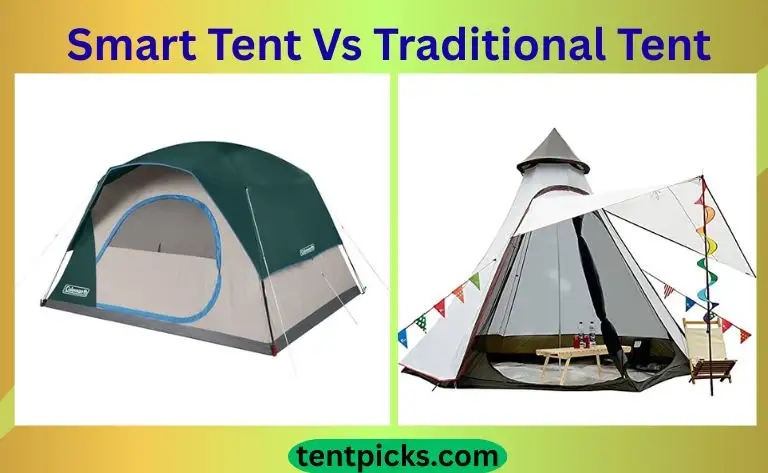
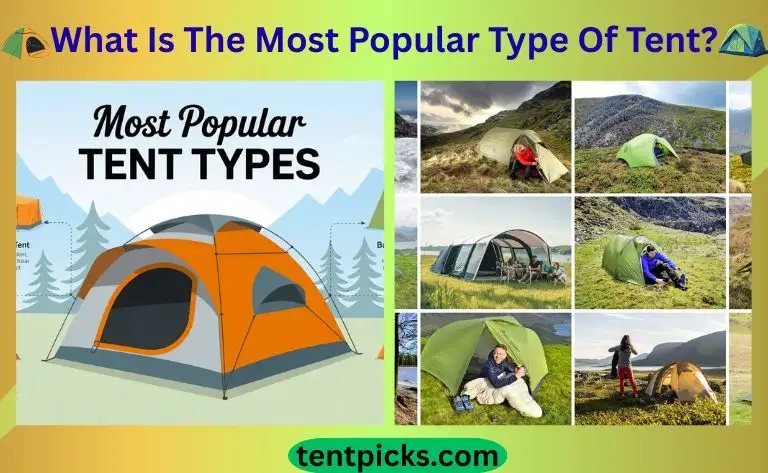
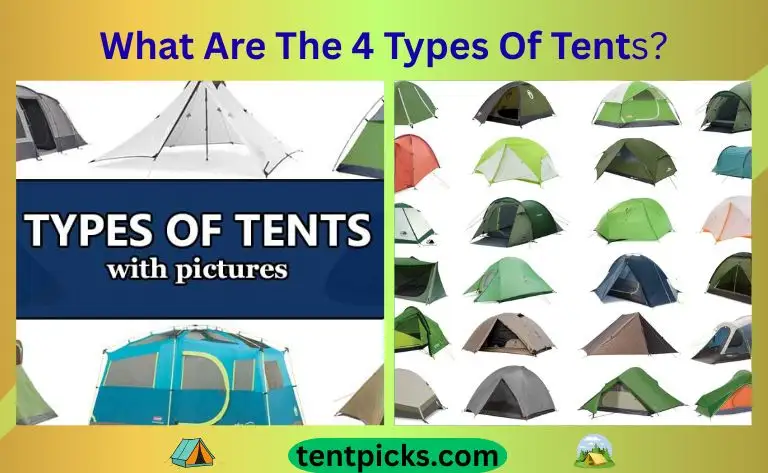
- Dome tents are the best all-around for new campers. Stable in wind, easy to set up, and pack small.
- Cabin tents are Great for car camping and families. Tall walls and big doors. Less stable in strong winds.
- Instant or pop-up tents: Fast and simple. Good for fair weather or quick trips. Not ideal in heavy wind or rain.
- Backpacking tents are Lighter and smaller. Good for hikers. Space is tighter, and setup can be more exact.
I suggest a dome for your first tent. It balances ease, price, and weather protection.

Size, Seasons, and Materials That Matter
As you judge Which Camping Tent Is The Best For Beginners, focus on fit and function. Size, season rating, and fabric decide your comfort.
- Capacity and space: A 2-person tent fits two sleeping pads tightly. For comfort, size up by one. Plan about 20–25 square feet per person for car camping.
- Season rating: Choose a 3-season tent for spring through fall. Avoid 4-season tents at first. They are heavy and run warm.
- Fabrics: Polyester fly and floor resist UV and sag less when wet. Nylon is light but can stretch damp.
- Pole material: Aluminum poles are stronger and last longer than fiberglass.
- Weather numbers: A rainfly with 1500–3000 mm waterhead is a safe target. Floors at 3000 mm or higher are better in wet sites.
- Ventilation: Look for big mesh panels and fly vents to cut condensation.
- Coverage: A full-coverage rainfly and two vestibules help in storms and for gear storage.
These choices make Which Camping Tent Is The Best For Beginners? a simpler call. Pick comfort and balance over extremes.

Must-Have Features For Beginners
There are features that turn a good tent into an easy tent. These help answer Which Camping Tent Is The Best For Beginners? for most trips.
- Freestanding design. You can move it before staking. Great for rocky ground.
- Color-coded poles and clips. Faster setup with fewer errors.
- Full-coverage rainfly. Better storm protection than a partial fly.
- The bathtub floor keeps water from seeping in at the edges.
- Two doors and vestibules, Less climbing over your partner, and more gear space.
- Interior pockets and a gear loft help you stay organized.
- Reflective guy lines and stakes are Easier to see at night.
- A footprint or groundsheet adds floor life and keeps dirt off.
If a tent has most of these, you will likely enjoy it on trip one.
Best Beginner Tents: Field-Tested Picks By Use Case
Shoppers ask me Which Camping Tent Is The Best For Beginners? and want names. Here are picks I trust by need and budget. I have used many of these in rain, wind, and dust.
- Best overall for most beginners: REI Co-op Trail Hut 2 or 4. Freestanding, two doors, full fly, and fair weight. Great support and parts if you need them.
- Best budget under $100 Coleman Sundome 4. Simple, roomy, and fine for fair weather. Add extra stakes and seam sealer for wet trips.
- Easiest setup Quechua 2 Seconds Fresh & Black. Pops up fast. Great for short car trips. Stake well in the wind and dry it at home.
- Best for light hiking: MSR Elixir 2. Durable, easy to pitch, two doors, and dependable in the rain. Heavier than ultralight, but very beginner-friendly.
- Best family starter Core 6-Person Instant Cabin. Tall, wide door, and fast to set. Use all guy lines in the wind.
- Best for bad weather: Marmot Limestone 4P. Strong poles, full fly, and good vents. Heavier, but worth it for storms.
Each pick supports the core idea behind Which Camping Tent Is The Best For Beginners?: fast setup, real rain protection, and solid value. Try to match your tent to your most common trip and weather.

Step-By-Step: Practice Your First Pitch At Home
Do this once at home, and your first camp night will be smooth. This plan is how I coach new campers who ask Which Camping Tent Is The Best For Beginners?.
- Clear a 10-by-10-foot space. Sweep sharp sticks and stones.
- Lay the footprint, then the tent body. Point out the doors where you want to exit.
- Insert the poles and clip the body. Raise the frame before staking.
- Stake corners at 45 degrees. Pull snug, not tight.
- Attach the rainfly. Align doors and vestibules with tent doors.
- Add guy lines. Angle them wide and stake firm.
- Crawl in and check fit. Practice once more. Time yourself.
Take photos of each step on your phone. It helps if you set up in the dark later.
Common Mistakes And How To Avoid Them
Small mistakes lead to wet gear and bad sleep. Avoid these, and you will feel like a pro.
- Choosing sites in low spots, Rain collects there. Pick high, flat ground.
- Skipping the footprint, you risk floor wear and leaks.
- Loose guy lines flapping fly means noise and rain creep.
- Stowing tents wet. Mold can grow fast. Dry fully at home.
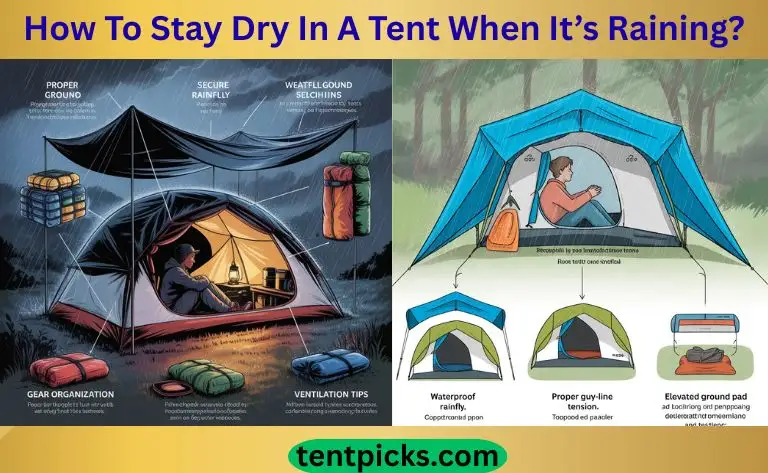
- Not checking the forecast. A cheap tarp over the tent helps in long rain.
These tips make Which Camping Tent Is The Best For Beginners? a safer bet. Good habits beat fancy gear on many trips.
Care, Storage, and Simple Repairs
A little care can double the life of your tent. It also protects seams and zippers.
- Dry before storage. Hang indoors until fully dry. Store loose in a cool, dry spot.
- Clean gently. Use cold water and a soft sponge. Avoid harsh soaps.
- Reseal seam. Use a seam sealer when you see peeling tape.
- Lube zippers. A dry lube keeps sliders smooth and prevents jams.
- Patch small holes. Use repair tape inside and out. Press hard and let it cure.
- Replace stakes. Bent stakes fail in the wind. Carry two spares.
Caring well means you will not ask Which Camping Tent Is The Best For Beginners? again for years. Your first tent can last a long time.

Frequently Asked Questions Of Which Camping Tent Is The Best For Beginners?
Is a 3-season tent enough for new campers?
Yes. A 3-season tent works for spring, summer, and fall. It balances airflow, rain safety, and weight.
What size tent should a beginner buy?
Size up by one person for comfort if you car camp. A 2-person tent fits two pads tightly, but a 3-person tent feels roomy.
Are instant tents good for beginners?
Yes, for fair weather car camping. Stake and guy them well, and avoid strong wind or heavy storms.
How much should I spend on my first tent?
Expect to spend enough to stay dry and safe. Most beginners find good value between $120 and $300.
Which Camping Tent Is The Best For Beginners, for bad weather?
Pick a freestanding, dome-style tent with a full-coverage fly and aluminum poles. Look for solid reviews on wind and rain.
Is a footprint necessary for beginners?
It helps protect the floor and keeps grit away. It can also improve water resistance on wet ground.
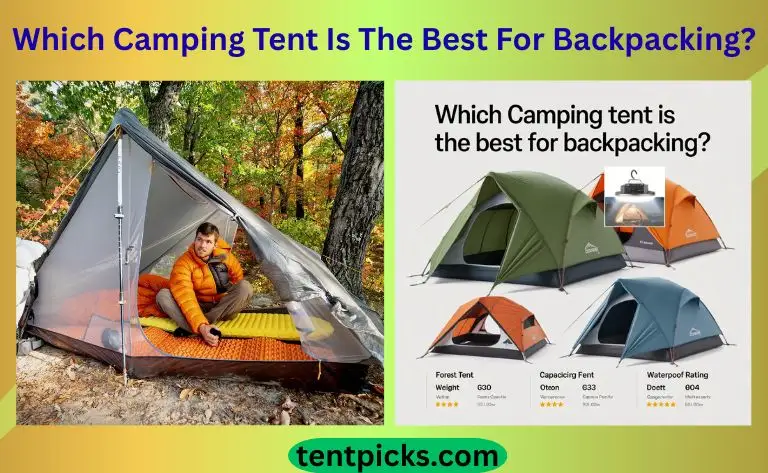
Which Camping Tent Is The Best For Beginners, for backpacking?
Choose a 3-season, two-door tent under 5 pounds for two people. Easy setup and strong poles matter more than ultralight weight.
Conclusion
Your best first tent is simple, sturdy, and quick to pitch. A freestanding, 3-season dome with a full fly, two doors, and clear color cues checks the boxes. When you ask Which Camping Tent Is The Best For Beginners?, think about your trips, your weather, and your setup time.
Start with a practice pitch at home, pick a dry camp spot, and use all your guy lines. You will sleep better, even in the rain. Ready to choose? Compare two models from this guide side by side, set a budget, and make the call today.
If you found this helpful, subscribe for more field-tested camping tips and beginner gear guides.