


What Is The Life Expectancy Of An Inflatable Tent?
Wondering What Is The Life Expectancy Of An Inflatable Tent? Get typical lifespan, factors that affect it, and easy care tips to keep your shelter going. With care, expect 5–10 years or 100–300 nights of use. If you want the full story on the life expectancy of an inflatable tent, you’re in the right place. I’ve tested air tents in rain, wind, cold snaps, and scorchers.
This guide breaks down how long they last, what kills them, and what you can do to add years. By the end, you’ll know how to judge the life expectancy of an inflatable tent for your needs—and how to stretch it.
What “life expectancy” really means for an inflatable tent
The life expectancy of an inflatable tent can mean two things. It can mean total calendar years. It can also mean total nights used. Both matter. A tent that sits in a garage for five years ages less than a tent used for a full summer season.
Air tents differ from pole tents. The frame is made from TPU or PVC bladders inside fabric sleeves. The fabric, coating, and UV resistance still set the pace. The air system adds one more part to maintain. When we talk about the life expectancy of an inflatable tent, we need to weigh all of that.
The best way to think of it is a budget. Every day in strong sun, high wind, or grit “spends” from that budget. Good care “adds to it. So, the life expectancy of an inflatable tent is a mix of materials, use, weather, and storage.

Source: hot-tent.com
What affects the life expectancy of an inflatable tent
Many factors control how long your tent lasts. Small choices add up fast.
- Fabric and coating. Heavier denier fabrics and strong coatings last longer. Thin fabric and weak coatings age fast.
- UV exposure. The sun is the main killer. UV breaks fibers and coatings over time.
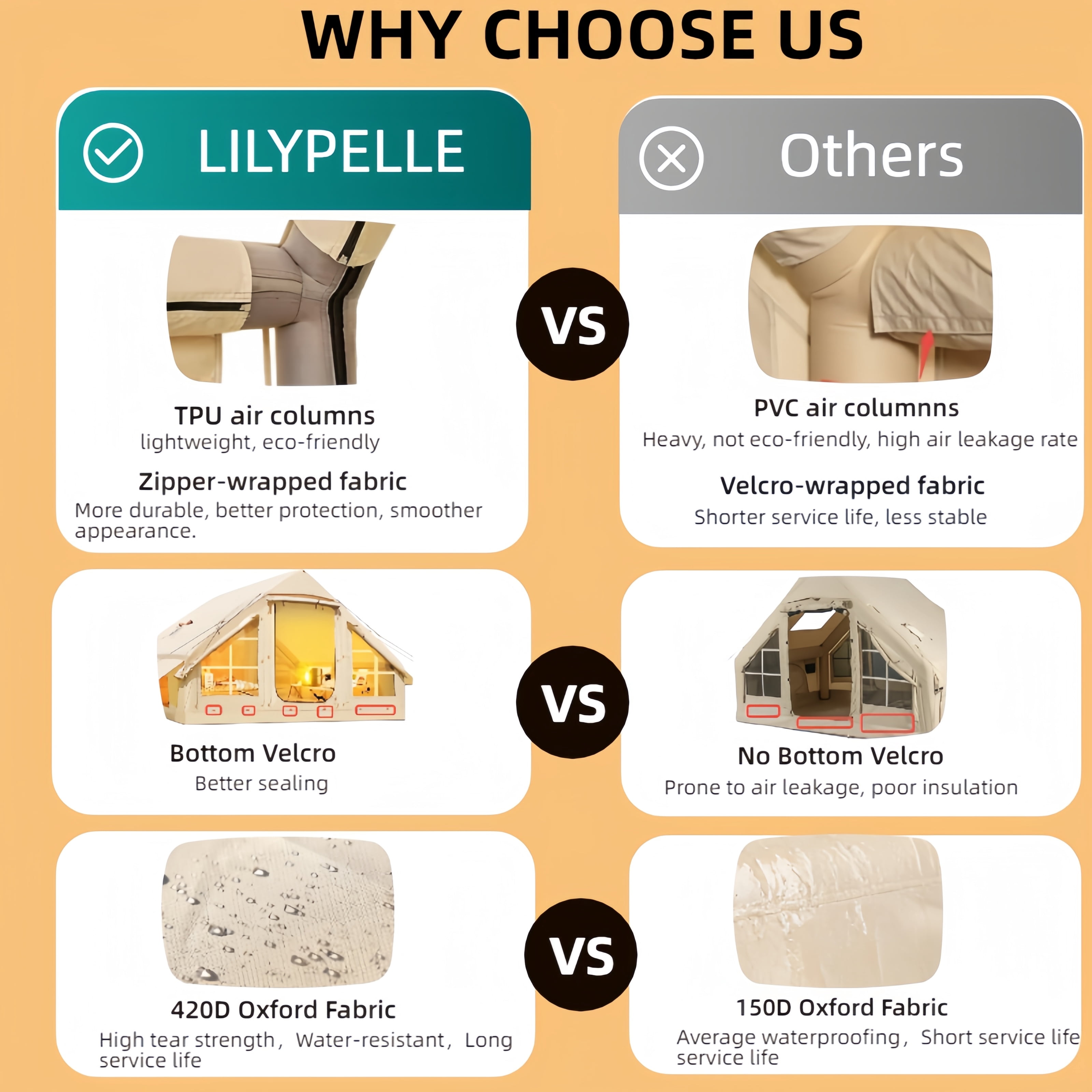
- Air beam material. TPU is flexible and resists cold cracks. PVC can be tougher but heavier. Quality varies a lot.
- Seam design. Taped or welded seams outlast poorly sealed ones.
- Hydrostatic head rating. Higher HH often means thicker coatings, which can last longer if cared for.
- Pitching surface. Sharp stones, shells, or thorns can puncture floors and beams.
- Pressure and heat. Over-inflation in the heat stresses seams and valves.
- Moisture and dirt. Packing damp causes mildew and PU hydrolysis. Grit wears zippers and fabric.
- Storage. Cool, dry, and loose storage adds years. Hot attics and damp sheds take years away.
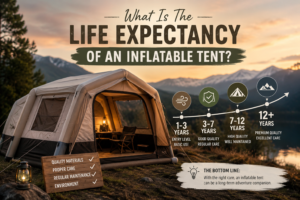
- Usage pattern. A tent used 10 nights a year may last 8–10 years. A tent used 100 nights a year will not.
All these inputs shape the life expectancy of an inflatable tent. With smart choices, you can add seasons without spending more.

Source: coody.us
Materials and build quality: the biggest driver
Fabric sets the ceiling on durability. Here is what to look for and why it matters.
- Fabric type. Polyester is common and stable when wet. Nylon can be lighter but needs good UV protection. Polycotton breathes well and handles heat, but it is heavier and needs care when drying.
- Denier and weave. 70D fabrics save weight. 150D or higher boosts tear strength and lifespan.
- Coating. PU coatings are common and allow taped seams. Silicone on nylon boosts strength and sheds water well. Some tents use both in layers.
- Hydrostatic head. Look for 3000–6000 mm on flysheets for family use. Groundsheet ratings can be higher.
- UV inhibitors. UV-treated fabrics hold up longer under the sun.
- Air beams. TPU bladders with a protective sleeve are a good sign. Check that valves are serviceable and parts are available.
- Seams. Wide seam allowances and neat stitching matter. Fewer needle holes mean fewer weak points.
In my field use, a 150D polyester fly with a 5000 mm HH, TPU beams, and taped seams has outlasted lighter builds by years. One of my car-camping air tents is in season six with only one small patch. Build quality raised the life expectancy of an inflatable tent without any special tricks from me.

Source: hot-tent.com
Usage patterns and environment
How you use the tent sets its timeline. Here are common patterns and what to expect.
- Occasional weekends, mild weather. 10–20 nights per year. Expect 6–10 years with care.
- Family holidays, mixed weather. 20–40 nights per year. Expect 4–8 years.
- Frequent trips or long road tours. 40–80 nights per year. Expect 3–6 years.
- Seasonal pitch, high UV, or wind. 80–150 nights per year. Expect 1–3 years.
- Rental or event use. Heavy turnover and stress. Expect 1–2 years before major work.
These figures assume basic care and a mid-tier build. Better care and stronger fabric can lift the life expectancy of an inflatable tent. Harsh sun, sand, or storms can cut it in half.
Source: ubuy.tg
Care, maintenance, and storage to extend lifespan
You can add years with simple habits. Here is a system that works.
After each trip
- Shake out grit. Wipe mud with a damp cloth.
- Dry fully. Air out the fly, inner, and groundsheet.
- Check beams. Look for slow leaks, creases, or scuffs.
Seasonally
- Wash gently with a tent-safe cleaner. Avoid harsh soaps.
- Reproof the fly if the water stops beading.
- Lube zippers with a silicone-safe product.
- Inspect guy points, seam tape, and valve o-rings.
Yearly
- Pressure test beams at the recommended PSI. Do not exceed it in heat.
- Replace tired guylines and pegs. Upgrade to storm pegs if you camp in the wind.
- Patch floor scuffs with a proper kit.
Storage
- Store cool and dry. Avoid hot attics and damp sheds.
- Keep it loose. Do not crush it for months.
- Vent the bag now and then in long storage.
Learn from my mistake. Years ago, I packed an air tent damp after a storm. By spring, the PU floor smelled like old socks. The coating had started to hydrolyze. I saved it with a thorough clean and a patch, but that choice cost me years. Good drying alone can double the life expectancy of an inflatable tent.

Source: hot-tent.com
Weather, UV, and pressure: technical notes
Sun burns fabric the way salt eats metal. UV damage is slow at first, then fast. Industry tests show some basic polyesters can lose a big slice of tensile strength after a few hundred hours of hard UV. UV-protected fabric slows this, but the sun still wins over time. Shade, canopies, and rest days help.
Heat plays with beam pressure. Air expands as it warms. A beam set at dawn can be over-pressured at noon. Follow the brand PSI guide. Many air tents sit in the 5–9 PSI range. Use a pump with a gauge. In big heat, consider a small pressure relief valve if the system supports it.
Cold nights drop pressure. You may need a top-up at dusk. Wind and rain stress seams and guys. Add extra guylines and pegs in storms. Clear the snow fast. A smart weather plan adds a lot to the life expectancy of an inflatable tent.

Source: amazon.com
Repairability and warranties
Repairs are normal with air tents. Small holes in beams patch well with the right kit. Valve o-rings can be swapped. Sleeves can be restitched. Floors can take glued patches if cleaned well first.
Know the weak points. Old PU coatings can peel due to hydrolysis. That is hard to reverse. Seek pro help if large panels delaminate. Keep proof of purchase. Many brands back frames and fabrics for 2–3 years. Access to spare beams, valves, and inners can add seasons at low cost.
I once replaced a tired beam bladder and kept a favorite family tent alive for three more summers. That one fix lifted the life expectancy of an inflatable tent far beyond what I had first expected.

Source: hot-tent.com
Real-world life expectancy of an inflatable tent: examples and benchmarks
Let’s turn the data into clear ranges.
- Budget air tent, light weekend use. 3–6 years or 40–120 nights.
- Mid-range air tent, family holidays. 5–8 years or 100–250 nights.
- Premium air tent with UV treatment. 6–10 years or 150–300 nights.
- Seasonal pitch or tropical sun. 1–3 years unless shaded and rotated.
- Rental or festival abuse. 1–2 years before heavy repairs.
These are normal, not promises. Care, climate, and build change the outcome. Still, they are a fair guide to the life expectancy of an inflatable tent in the wild.
Source: army.mil
Buyer’s checklist to maximize the life expectancy of an inflatable tent
Look for the right specs and service options before you buy.
- Fabric. 150D or higher fly, high-denier floor, UV treatment stated.
- Coating and seams. 3000–6000 mm HH, taped or welded seams, neat stitching.
- Air system. TPU beams, serviceable valves, and spare bladders are available.
- Structure. Strong guy points, storm straps, full set of reflective guylines.
- Pump. Gauge included, relief valve if supported, clear PSI guidance.
- Design. Large eaves or porch to shade doors and windows. Good ventilation to cut condensation.
- Support. Parts catalog, clear warranty terms, repair guides, or partner shops.
- Extras. A footprint groundsheet and a roof tarp or shade sail can add years.
Ask the seller direct questions. What is the recommended PSI in heat and cold? Which solvent or adhesive should be used on patches? How to store for winter. Clear answers here often predict the real-life expectancy of an inflatable tent once you take it home.
Frequently Asked Questions: What Is The Life Expectancy Of An Inflatable Tent?
Are inflatable tents as durable as pole tents?
They can be, if built with strong fabric and TPU beams. In wind, a good air frame flexes and rebounds rather than snaps.
How many years do air beams themselves last?
Well-made TPU beams can last many seasons. Most failures come from abrasion, over-inflation, or valve wear, not age alone.
Can I leave an inflatable tent up all summer?
You can, but expect faster UV wear. Use shade, rotate panels, and check pressure daily to slow damage.
Does heat or cold change how long it lasts?
Heat adds pressure and speeds coating breakdown. Cold lowers pressure and can stiffen plastics, so check valves and top up.
How do I store it to make it last longer?
Dry it fully, clean gently, and store it cool and loose. Avoid hot attics, damp basements, and tight compression over months.
How often should I reproof the fly?
When water stops beading, usually every 1–2 seasons for regular use. Clean first, then apply a tent-safe DWR product.
Are repairs on air beams safe and long-lasting?
Yes, if you clean, roughen, and bond patches as directed. Many beam patches outlast the surrounding fabric.
Conclusion
The simple truth is this. With sound materials, smart use, and steady care, most campers can enjoy 5–10 years or 100–300 nights from an air tent. Sun, storage, and pressure management decide the rest. Treat your shelter like outdoor gear, not a toy, and you raise the life expectancy of an inflatable tent in a big way.
Take action on your next trip. Pack a footprint, watch PSI in heat, and dry the tent the day you get home. Want more field tips and gear-tested advice? Subscribe for updates or drop your questions in the comments.






One Comment