
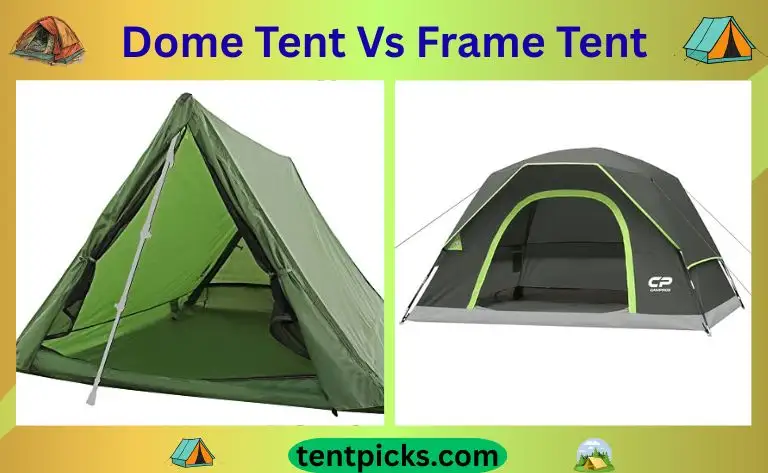
Dome Tent Vs Frame Tent | Which Is Best For 2026 Camping?
Dome Tent Vs Frame Tent comparison for 2026 camping; explore key differences in stability, setup time, durability, weather resistance, space, and price to choose the best camping tent for your adventures, family trips, or solo outdoor travel. Dome tents pitch fast and light; frame tents excel in space and stability.
A sudden storm on the ridge taught me a simple truth: the tent you choose shapes your whole trip. In the Dome Tent Vs Frame Tent debate, both shine in different ways. Dome tents feel quick and nimble. Frame tents feel solid and roomy. I’ve tested both on weekend hikes and week-long basecamps. Here’s what actually matters, so you can pick the right shelter for your next adventure.
Is a Dome Tent Good?
Yes—especially if you value fast setup, low weight, and all-around utility. A dome tent is great for solo hikers, couples, and small families who want a quick shelter with good wind shedding. It’s my go-to for mixed weather and quick overnights because it pitches almost anywhere and packs down small.
One rainy Friday, I pulled into a trailhead at dusk. The dome tent was up in minutes, rainfly on, and gear tucked under the vestibule. Another trip brought gusty winds on an exposed bluff. The dome tent flexed but held, and the low profile kept me sleeping soundly. If you want simple, reliable, and light, a dome tent is hard to beat.
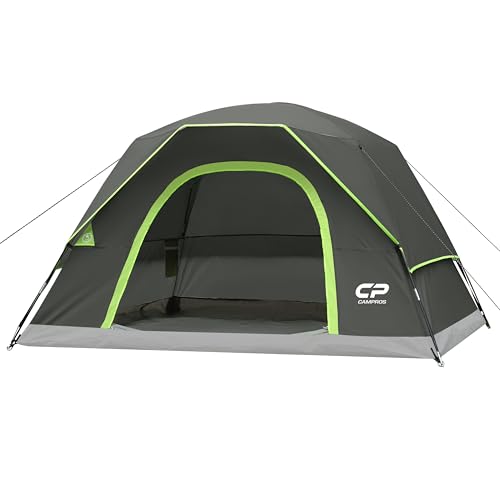
What Makes It Stand Out / Key Features
- Freestanding design with shock-corded poles for quick, simple pitching
- Low, aerodynamic profile that sheds wind well from multiple angles
- Rainfly coverage with sealed seams for solid rain protection
- Mesh panels for airflow and reduced condensation
- Compact pack size and lighter trail weight for backpacking
What I Like
- Fast setup when the weather turns, or daylight fades
- Stable in shifting winds thanks to the curved pole geometry
- Easy to move as one unit before staking—handy on rocky ground
- Good balance of space, weight, and comfort for most trips
- Ventilation options that keep air moving without losing warmth
- Simple to teach a new camper in minutes
What Could Be Better
- Less vertical wall space, so headroom can feel tight
- Vestibule storage is modest on some models
- Can flex under heavy snow compared to stiffer frames
My Recommendation
If you want one tent to do almost everything well, choose a dome tent. It’s the best all-rounder for speed, wind, and weight.
| Best For | Why |
|---|---|
| Backpacking and fast overnights | Light, compact, and pitches in minutes |
| Mixed weather and windy ridges | Curved structure sheds wind from many angles |
| Beginner-friendly camping | Freestanding and intuitive setup |
Is a Frame Tent Good?
It depends—frame tents are fantastic when you want straight walls, big usable space, and a taut, strong pitch. They work best for basecamps, car camping, or ultralight A-frame setups using trekking poles. If you prize stand-up room or a long, sturdy ridge line, a frame tent pays off.
On a two-night basecamp by the lake, my frame tent felt like a tiny cabin. The near-vertical walls made cots and gear easy to manage. Another time, I used an ultralight A-frame with trekking poles on a long trail day. It pitched tight, shrugged off night winds, and kept weight down. When space and structure matter more than speed, a frame tent shines.

What Makes It Stand Out / Key Features
- Rigid ridge or trekking-pole-supported frame for a taut pitch
- Straighter walls for more usable interior space
- Excellent ventilation potential with end vents and high peaks
- Modular pitching with adjustable guy lines for fine-tuning
- Works well as a roomy basecamp or ultralight A-frame shelter
What I Like
- Great headroom and rectangular floor plan
- Very stable when guyed out correctly
- Easy to organize gear along the sides
- Can use trekking poles to save weight
- Scales from ultralight to large family or event shelters
What Could Be Better
- Setup can take longer and needs careful guiding
- Heavier if using full metal frames for big models
- Requires more space for stakes and guy lines
My Recommendation
Pick a frame tent if you want max space, a cabin-like feel, or a tight A-frame with trekking poles.
| Best For | Why |
|---|---|
| Basecamp and car camping | Straight walls and roomy layout |
| Windy sites with room to guy out | Strong ridge line and taut fabric |
| Ultralight hikers with trekking poles | Save weight by using poles you already carry |
Dome Tent Vs Frame Tent: Side-by-Side Test
I pitched both tents across varied trips—fast trail overnights, windy lake shores, and relaxed basecamps. Here’s how Dome Tent Vs Frame Tent compares where it counts.
Set up Speed & Simplicity: Which Is Faster?
Speed matters when rain clouds gather. Here is the setup story.
| Aspect | Dome Tent | Frame Tent |
|---|---|---|
| Average pitch time | 5–10 minutes | 8–15 minutes |
| Freestanding | Yes, easy to move before staking | Usually no; needs careful guiding |
| Learning curve | Very low | Moderate |
| Small rocky sites | Works well | Can be tricky |
Rating: Dome Tent – 9/10 | Frame Tent – 7.5/10
> “Dome Tent wins for sheer speed and set-anywhere simplicity.”
Interior Space & Headroom: Who Feels Bigger?
Usable space changes comfort on long stays.
| Aspect | Dome Tent | Frame Tent |
|---|---|---|
| Wall angle | Curved, less vertical room | Straighter; more standing room (larger models) |
| Floor plan | Rounded corners | Rectangular and efficient |
| Gear organization | OK, smaller shelves | Excellent, spacious sides |
| Long stays | Comfortable but compact | Feels like a small room |
Rating: Dome Tent – 7.5/10 | Frame Tent – 9/10
> “Frame Tent offers more usable space and headroom, especially for basecamp life.”
Weather Resistance & Stability: Who Holds Strong?
Wind and rain test every seam and pole.
| Aspect | Dome Tent | Frame Tent |
|---|---|---|
| Wind handling | Excellent in shifting winds | Excellent when guyed tight to the wind |
| Rain protection | Great with a full rainfly | Great with taut ridgeline |
| Snow load | Can sag under heavy snow | Better ridge support (varies) |
| High gusts | Flexes but stable | Very stable if staked and guyed well |
Rating: Dome Tent – 8.5/10 | Frame Tent – 8.5/10
> “Tie goes to your site: dome excels in variable wind; frame excels when guyed perfectly.”
Weight & Packability: Who Carries Lighter?
Your back cares about grams.
| Aspect | Dome Tent | Frame Tent |
|---|---|---|
| Backpacking weight | Light and compact | Ultralight A-frames can be lighter |
| Pole system | Dedicated poles | Can use trekking poles |
| Packed size | Small bundle | Very small if using trekking poles |
| Car camping models | Moderate | Heavier if using full metal frames |
Rating: Dome Tent – 8.5/10 | Frame Tent – 9/10 (for trekking-pole A-frames)
> “Frame Tent edges it for ultralight A-frames, while dome stays consistently light and simple.”
Versatility & Footprint: Which Fits More Sites?
Not every campsite is a perfect rectangle.
| Aspect | Dome Tent | Frame Tent |
|---|---|---|
| Small/rocky sites | Excellent; freestanding | Needs room for stakes/guys |
| Moving before staking | Easy | Harder |
| Terrain flexibility | High | Moderate |
| Tight camps | Works well | Can be challenging |
Rating: Dome Tent – 9/10 | Frame Tent – 7.5/10
> “Dome Tent wins for tricky sites and fast relocations.”
Durability & Maintenance: What Lasts Longer?
Longevity comes from materials and care.
| Aspect | Dome Tent | Frame Tent |
|---|---|---|
| Pole stress | Evenly distributed | High tension at ridge/guy points |
| Wear points | Corners, zippers | Guy points, ridge seam |
| Repairs | Straightforward | Easy for fabrics; frames vary |
| Long-term care | Standard seam care | Keep the ridge line taut and checked |
Rating: Dome Tent – 8/10 | Frame Tent – 8/10
> “Both last well with care; frame tents need more attention at the ridge and guy points.”
Value for Money: Who Delivers More?
Budget meets performance in different ways.
| Aspect | Dome Tent | Frame Tent |
|---|---|---|
| Entry-level cost | Very affordable options | Wide range; simple A-frames are a great value |
| All-round performance | Excellent per dollar | Great when space is the priority |
| Upgrade path | Easy to find better poles/fly | Scale up to roomy basecamp models |
| Accessory needs | Minimal | Extra stakes/guys may be needed |
Rating: Dome Tent – 9/10 | Frame Tent – 8.5/10
> “For most campers, the Dome Tent gives the best balance of cost, speed, and performance.”
Final Verdict: Which Should You Buy?
Choose a dome tent if you want fast setup, low weight, and a reliable all-rounder. It fits small sites, laughs at shifting winds, and keeps packing simple. For many trips, the Dome Tent Vs Frame Tent tilts to the dome.
Choose a frame tent if you want extra space, straighter walls, and a taut ridge for wind. It feels like a tiny cabin at Basecamp or a featherweight shelter when using trekking poles.
FAQs Of Dome Tent Vs Frame Tent
What is the main difference between a Dome Tent Vs Frame Tent?
A dome tent is freestanding and fast to pitch. A frame tent uses a ridge or trekking poles for straighter walls and more space.
Which is better for wind: Dome Tent Vs Frame Tent?
Both can be excellent. Dome tents shed variable wind well. Frame tents are rock solid when guyed out perfectly to the wind.
For backpacking, should I pick a Dome Tent Vs Frame Tent?
Pick a dome for simplicity and quick setup. Choose an ultralight A-frame if you carry trekking poles and want the lightest pack.
Which works better on tight campsites in Dome Tent Vs Frame Tent?
Dome tents. They are freestanding, easy to move, and need fewer guy lines.
For long stays, who wins in Dome Tent Vs Frame Tent?
Frame tents. The straight walls and rectangular floor feel roomier and more livable for multi-day basecamps.