A high-quality canvas bell tent is one of the best all-around choices for glamping because it offers generous space, good airflow, a cozy interior, and a classic outdoor look. However, a safari tent may be better for long stays, while a cabin tent can suit families who need more room.
From the wooded campgrounds of the Pacific Northwest to the open landscapes of Montana and the mountain views of Colorado, glamping has become an appealing way to enjoy the outdoors without giving up basic comforts. Many Americans want a camping shelter that feels more like a small outdoorroom than a basic place to sleep. The right tent can make that possible.
However, the best glamping tent depends on how and where you plan to use it. A couple planning weekend trips may prefer a canvas bell tent, while a family may need a larger cabin design.
Someone building a glamping site for guests may get more value from a safari tent with a strong frame and a raised floor. This guide explains the main types, important features, size choices, weather limits, and care needs so you can make a sound choice.
What Is The Best Glamping Tent?
What Is The Best Glamping Tent
Source: outdoordoer.com
What Is the Best Glamping Tent Overall?
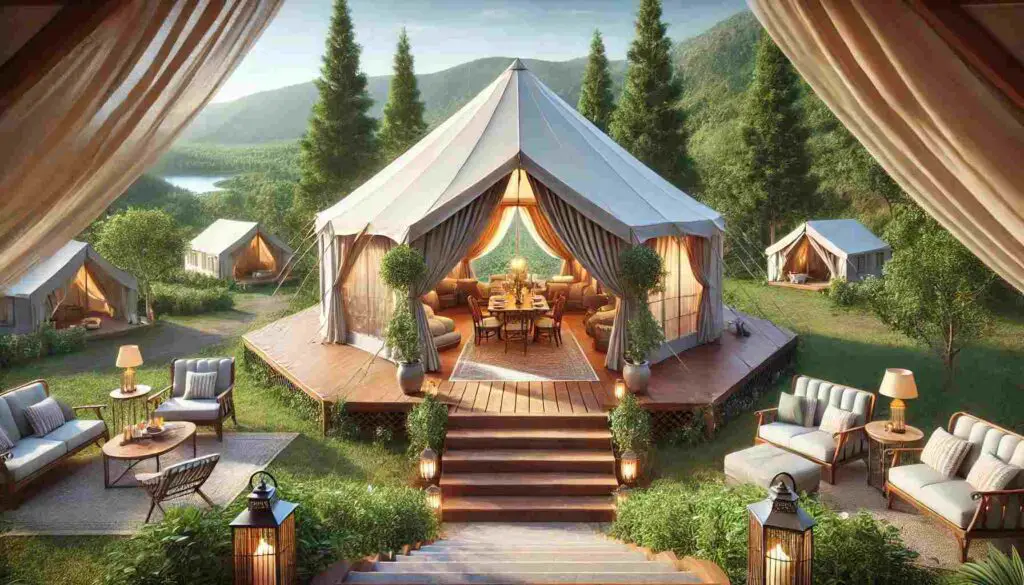
A well-made canvas bell tentis the best overall starting point for most personal glamping setups. Its round shape gives the interior an open feel, while its tall center allows people to move around more easily than they can in many standard camping tents. The design also works well with beds, rugs, chairs, and small storage units.
Canvas is a useful material for glamping because it is generally more breathable than many coated synthetic fabrics. This can help manage moisture inside the shelter. Quality canvas can also be repaired and treated again when needed, making it suitable for people who plan to use their tent for many seasons.
Still, a bell tent is not the right answer for every buyer. It may take up a large area, require more care than a lightweight nylon tent, and need several stakes and guy lines. For a fixed glamping site, a framed safari tent or cabin-style shelter may offer a better layout.
What Is The Best Glamping Tent?
What Is The Best Glamping Tent
Source: rainbowcamp.com.my
Best overall choice
Canvas bell tent for a balance of comfort, space, appearance, and practical use.
Best for extended stays
Safari tent with a strong frame, suitable flooring, and enough room for furniture.
Best for families
Large cabin tent with separate sleeping areas and useful storage space.
Best for flexible travel
A large synthetic camping tent that is easier to transport and dry than many heavy canvas shelters.
Why Canvas Bell Tents Stand Out
A bell tent has a round floor plan and a sloping roof held up by a center pole. Most models use canvas or a canvas blend. This shape gives the tent a warm, open feel and leaves room for a proper bed and basic furniture.
Many models include windows, mesh panels, a groundsheet, and a front door. Some have a stove jack, which is a designed opening for a compatible tent stove. A stove jack alone does not make a tent safe for heating. The tent fabric, stove, chimney, clearances, and installation must all be approved for that use.
Open interior
The tall center and round floor plan make it easier to arrange furniture.
Breathable fabric
Cotton canvas can help moisture move through the fabric, although ventilation is still essential.
Long-term value
Good canvas can be cleaned, repaired, and re-treated when its water resistance begins to decline.
Which Types of Glamping Tents Are Worth Considering?
Glamping tents come in several shapes and materials. Each design offers a different balance of comfort, setup time, weather performance, and cost. The best choice depends on whether you need a portable shelter, a private retreat, or a tent that will stay in one place for much of the year.
Before buying, compare the floor plan, frame, fabric, and intended use. A tent that looks large in a product photo may offer less usable space once you add a bed, chairs, and luggage. The following designs cover the main options worth considering.
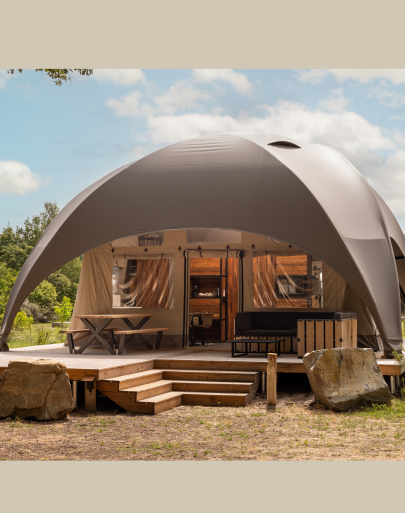
A curved shelter that can provide good stability when properly designed and secured. Large dome models may work for leisure stays or group use.
Synthetic glamping tent
A shelter made from polyester or nylon fabrics. It may be lighter, easier to transport, and simpler to dry than a heavy canvas model.
What Is The Best Glamping Tent?
Canvas Bell Tents
Bell tents are known for their simple structure and comfortable interior. Their central pole supports the roof, while guy lines help hold the fabric in place. They can be suitable for private land, backyard stays, and established campgrounds that allow this type of shelter.
The main drawback is the center pole, which limits some furniture layouts. Canvas models can also be heavy when packed. They need enough space for the tent, stakes, and guy lines, so measure the full setup area before buying.
Good for
Couples, weekend glamping, small families, and private outdoor retreats.
Main trade-off
Comfort and style come with extra weight and regular fabric care.
What Is The Best Glamping Tent?
Safari Tents
Safari tents are designed to feel more like small outdoor rooms. Many use a strong frame, wide canvas walls, and a large floor plan. Some commercial models include separate sleeping spaces, bathroom areas, and covered outdoor sections.
This design can work well for a glamping business or a private property with enough space. However, it often costs more and may need professional installation. Buyers should also check whether the frame and fabric are designed for the local wind, rain, and snow conditions.
Good for
Longer stays, family retreats, and commercial accommodation.
Main trade-off
Higher purchase and installation costs, plus more site preparation.
Cabin and Wall Tents
Cabin and wall tents have upright sides that create more usable floor space near the edges. This makes it easier to place beds, shelves, and chairs along the walls. Some models also offer separate rooms or dividers.
Their tall, flat wall sections can catch strong wind. A large cabin tent should not be treated as storm-proof simply because it has a heavy frame. Check its tested limits and follow the maker’s setup instructions.
Good for
Families, groups, and people who want a practical indoor layout.
Main trade-off
Large wall panels may need careful anchoring and a sheltered site.
What Features Should the Best Glamping Tent Have?
The best glamping tent should protect you from expected weather while giving you enough room to relax. A beautiful shape is not enough. Fabric quality, waterproofing, ventilation, frame strength, and ground protection have a direct effect on comfort and long-term use.
Check the full product specifications before you buy. Two tents that look almost the same may use very different fabrics, poles, groundsheets, and fittings. These details can affect how well each model handles regular use.
What Is The Best Glamping Tent
Source: taketravelinfo.com
Quality fabric
Look for clear information about fabric type, weight, coating, water resistance, and care needs.
Reliable frame
Check pole material, joints, support points, and the maker’s wind guidance.
Good ventilation
Look for mesh windows, roof vents, and openings that allow air to move through the tent.
Strong ground protection
A durable groundsheet helps protect the floor from damp soil, sharp objects, and general wear.
Useful access
Wide doors, secure zippers, and well-placed windows make daily use easier.
What Is The Best Glamping Tent?
Fabric and Waterproofing
Canvas, polyester, and nylon are common tent materials. Cotton canvas is valued for its breathability and traditional feel. Polyester and nylon can be lighter and easier to pack, although their performance depends on the fabric, coating, seams, and design.
Do not judge waterproofing by a single number without checking how it was measured. Hydrostatic head ratings describe resistance to water pressure under a test. They do not guarantee that a tent will remain dry in every storm. Seam design, fabric condition, setup, and wind-driven rain also matter.
Some new cotton canvas tents need a process called seasoning or weathering. This involves setting up the tent and wetting it as directed by the manufacturer. The fibers can expand and help close small gaps around the weave and seams. Follow the exact care instructions for your model.
Canvas
A good option for a roomy shelter that will be used often and cared for properly.
Polyester
A useful option for buyers who want a lighter tent with simple care needs.
Nylon
Often used in portable shelters where low packed weight matters.
Ventilation and Condensation Control
Ventilation is one of the most useful features in a glamping tent. People release moisture while breathing and sleeping. Wet clothes, damp ground, and humid weather add more moisture to the air. When warm, moist air meets a cold surface, water droplets can form inside the shelter.
A tent with mesh windows and roof vents can help move damp air outside. Open vents on opposite sides when conditions allow. Keep wet gear in a covered outdoor area instead of bringing it into the sleeping space. No tent design can remove all condensation in every weather condition.
What Is The Best Glamping Tent?
Mesh panels
Allow air to move while helping keep insects out.
Roof vents
Help warm, moist air escape from the upper part of the tent.
Cross ventilation
Opening vents on different sides can improve airflow through the shelter.
Floor, Doors, and Windows
A strong floor helps protect bedding and furniture from ground moisture. Some bell tents have a removable or zipped-in groundsheet, while larger safari tents may use a raised platform. Check the floor material, seam construction, and repair options before choosing.
Doors should be wide enough for easy entry, even when a bed or chair is near the opening. Windows should offer both privacy and airflow. A covered entry or awning can also provide a useful place to remove wet shoes before going inside.
Choose a durable floor that suits the surface and expected use.
Windows
Look for mesh and privacy covers that can be opened or closed as needed.
Entry area
A covered porch or vestibule can keep muddy gear away from sleeping space.
How to Choose the Right Glamping Tent Size?
Choose a glamping tent based on the space you need for sleeping, furniture, storage, and movement. The number printed on a tent’s capacity label often refers to people sleeping close together. It does not mean everyone will have room for a bed, luggage, and chairs.
For a comfortable setup, count the people who will use the tent and list the furniture you plan to bring. Measure the bed or mattress before ordering. Then compare those measurements with the tent’s floor area and usable wall space.
A tent that is too small can feel crowded after the first night. A tent that is much too large can cost more, take longer to pitch, and require more ground space. The goal is to find a layout that supports the way you plan to use it.
What Is The Best Glamping Tent
Source: crossoverlodge.com
Two people
A medium bell tent can offer room for a double bed, bags, and a few small items. Check the actual floor plan.
Three to four people
A larger bell or cabin tent may be more useful when you need separate beds and shared living space.
Five or more people
Consider a large cabin or safari tent with enough floor area for separate sleeping spaces.
Commercial use
Plan for guest movement, luggage, furniture, cleaning access, and local occupancy rules.
What Is The Best Glamping Tent?
Plan the Interior Before Buying
Draw a simple floor plan on paper. Add the bed, chairs, table, and storage units using their real measurements. Leave enough room to open the door and walk between the furniture.
Also consider the tent’s center pole and sloping walls. A large floor area may not provide the same usable space at every point. A rectangular cabin tent may be easier to arrange than a round bell tent when you have several beds.
Measure furniture
Check bed width, mattress length, chair size, and storage dimensions.
Allow walking space
Keep doors and main pathways clear.
Plan storage
Leave space for bags, shoes, and outdoor equipment.
What Is The Best Glamping Tent?
Consider the Full Setup Area
The floor size is not the same as the total space needed for a tent. Guy lines and stakes extend beyond the fabric. You may also need room for an entrance mat, outdoor chairs, and a safe cooking area.
Measure the available campsite before buying. Check whether the campground allows large tents and whether there are limits on tent placement. Public campgrounds may have rules about structures, platforms, and additional equipment.
Measure the ground
Include the tent, guy lines, stakes, and entry space.
Check site rules
Confirm size limits and permitted structures before transporting the tent.
Which Glamping Tent Is Best for Different Weather Conditions?
The best tent for your location is one that matches the weather you are likely to face. A shelter that works well in a mild summer may not be suitable for heavy rain, strong wind, or snow. Think about the climate, the season, and how long the tent will remain outdoors.
The United States has many different camping climates. Florida can be hot and humid, while Colorado can have cold nights and sudden storms. Coastal areas may face strong gusts, and parts of the Pacific Northwest can receive long periods of rain. Your tent should suit the conditions at the actual site.
What Is The Best Glamping Tent
Source: crossoverlodge.com
Hot and humid weather
Choose a design with large mesh panels, roof vents, and good cross ventilation.
Frequent rain
Look for reliable waterproofing, protected seams, a suitable groundsheet, and a well-drained campsite.
Windy locations
Choose a strong frame, secure anchoring points, and a shape suited to the expected wind exposure.
Cold conditions
Consider suitable fabric, a weather-rated design, and safe heating arrangements outside the sleeping area.
Snowy locations
Use only a tent with documented snow-load guidance for the expected conditions. Remove snow as directed.
What Is The Best Glamping Tent?
Best Features for Summer Glamping
For summer use, ventilation should be a top priority. A tent with large windows, mesh doors, and roof vents can help release warm air. A removable shade cover or rainfly may also help reduce direct sun exposure, depending on the design.
Choose a site with suitable shade, but avoid pitching under dead branches. Keep enough space around the tent for airflow. In humid areas, dry bedding and wet clothing outside the sleeping area whenever possible.
Large mesh openings
Help improve airflow and reduce insect entry when properly closed.
Shade protection
Can reduce direct sun exposure and help keep the interior more comfortable.
Best Features for Rain and Wind
A rain-ready tent needs more than a waterproof fabric label. The seams, doors, groundsheet, roof shape, and setup all affect how well it handles rain. Keep the tent properly tensioned and follow the maker’s instructions for staking and guy lines.
Wind creates another challenge. Tall tents and large flat walls can catch strong gusts. Choose a sheltered site when possible and never assume that a large canvas tent can handle severe weather just because it feels sturdy.
Rain protection
Check the complete waterproofing system, including seams and floor construction.
Wind protection
Use all required stakes and guy lines and respect the stated wind limits.
Drainage
Avoid low ground where water can collect around or under the tent.
Cold Weather and Tent Heating
Canvas can offer a more substantial shelter than a thin summer tent, but no fabric alone makes a tent safe for extreme cold. You still need suitable sleeping gear, warm clothing, and a shelter designed for the expected conditions.
Never use a portable gas heater, camp stove, charcoal grill, or other unapproved fuel-burning device inside an enclosed tent. These devices can cause carbon monoxide poisoning and fires. A wood stove should only be considered when the tent and stove are specifically designed for that use, and all installation, clearance, and ventilation rules are followed. Never leave a stove unattended while it is burning.
What Is The Best Glamping Tent?
Check the rating
Confirm the manufacturer’s limits for cold, wind, and snow.
Use suitable sleep gear
Choose sleeping bags and pads that match the expected low temperature.
Keep fuel-burning devices out
Never use an ordinary camping stove or unapproved heater inside a tent.
How Much Should You Spend on a Glamping Tent?
The cost of a glamping tent depends on its size, material, construction, and intended use. A simple synthetic tent may cost much less than a large canvas bell tent. A commercial safari tent can require a much larger budget once the frame, flooring, delivery, and installation are included.
It is better to compare the full cost of ownership rather than the purchase price alone. A low-cost shelter may need more frequent replacement, while a quality canvas model may require cleaning, drying, and occasional reproofing. Both choices can make sense for different users.
Prices also change by brand, model, retailer, and season. Rather than relying on a fixed price range, request a current quote and compare what each package includes.
What Is The Best Glamping Tent?
What Is The Best Glamping Tent
Source: pinkvilla.com
Entry-level options
Basic synthetic tents can suit occasional users who need a simple and portable shelter.
Mid-range options
Larger canvas or better-built synthetic tents may provide more comfort and useful features.
Premium options
Large safari tents and commercial structures may include stronger frames, advanced flooring, and custom layouts.
Extra Costs to Include in Your Budget
The tent itself is only one part of a glamping setup. You may also need a suitable groundsheet, mattress, bedding, rugs, lighting, furniture, storage, and weather protection. For a permanent or commercial setup, site preparation and installation can add a large amount to the total cost.
Before buying, ask the seller what is included. Some tents are sold without poles, groundsheets, rain covers, or other parts shown in promotional photos. A clear package list can help prevent unexpected costs.
Ground protection
Budget for a suitable groundsheet, footprint, or raised platform if needed.
Sleeping comfort
Include a mattress, sleeping pads, pillows, and suitable bedding.
Interior equipment
Plan for chairs, tables, storage, and safe lighting.
Maintenance
Allow for cleaning supplies, repairs, replacement parts, and fabric treatment.
Installation
Large or semi-permanent structures may need site work and professional setup.
Is an Expensive Glamping Tent Worth It?
A premium tent can be worth the extra cost when you use it often, need a large interior, or plan to keep it at one site. Better materials and replaceable parts may also make long-term ownership easier.
However, an expensive tent is not automatically the best tent. A large safari model may be unnecessary for two people who camp a few weekends each year. Match the purchase to your real needs instead of paying for features you will rarely use.
Buy for regular use
Consider stronger materials and repairable parts if the tent will be used often.
Avoid unnecessary upgrades
Skip features that do not support your climate, space, or camping style.
Common Mistakes to Avoid When Buying a Glamping Tent
The biggest buying mistakes happen when people focus on appearance and ignore the practical details. A beautiful tent can still be uncomfortable if it lacks ventilation, has a poor floor layout, or cannot handle the local weather.
Take time to check the specifications and setup instructions. Ask the seller about replacement parts and warranty coverage. If the tent will be used on public or commercial land, confirm that the planned structure is allowed before making a purchase.
Choosing only by appearance
A stylish design does not prove that the fabric, frame, or waterproofing is suitable.
Ignoring usable floor space
A listed sleeping capacity may leave little room for beds and furniture.
Overlooking ventilation
Poor airflow can lead to condensation, damp bedding, and an uncomfortable interior.
Assuming every canvas tent is waterproof
Canvas treatment, seams, age, setup, and maintenance all affect water resistance.
Ignoring site conditions
Poor drainage, exposed wind, and overhead hazards can make a campsite unsuitable.
Forgetting maintenance
A damp canvas tent stored for long periods can develop mold and mildew.
How to Care for a Canvas Glamping Tent?
Proper care can help a canvas tent last longer. Remove loose dirt and allow the fabric to dry fully before packing it away. Store it in a dry, ventilated place and keep it away from long periods of direct sunlight.
Check the poles, seams, zippers, guy lines, and stakes before each trip. Clean stains with products approved by the tent maker. Ordinary detergents or harsh cleaners may damage some water-repellent treatments.
If the fabric starts to absorb water instead of shedding it, check the manufacturer’s guidance on reproofing. The right treatment depends on the type of canvas and its original coating.
Dry before storage
Never store canvas while it is damp. If you must pack it wet, unpack and dry it as soon as conditions allow.
Inspect regularly
Look for worn seams, damaged zippers, loose fittings, and weakened guy lines.
Use approved cleaners
Follow the care guide for your exact fabric and waterproof treatment.
Protect the fabric
Keep the tent clean and check for damage after storms or extended outdoor use.
What Is The Best Glamping Tent?
Check the Campsite Before Setting Up
A suitable tent needs a suitable site. Choose level, well-drained ground and avoid low spots where rainwater can collect. Look overhead for dead branches and keep away from areas that may flood.
Keep cooking equipment and open flames away from the tent. Check local campground rules before setting up large structures, platforms, or outdoor furniture. These steps help make the entire glamping area more practical and safe.
Check drainage
Avoid depressions, dry creek beds, and other areas where water may collect.
Look overhead
Avoid dead trees and branches that could fall during wind or rain.
Separate cooking areas
Keep cooking and fire areas at a safe distance from the tent.
Follow local rules
Check permits, fire restrictions, and campsite structure limits.
Frequently Asked Questions: What Is The Best Glamping Tent?
Q
What Is The Best Glamping Tent for Beginners?
A medium-sized canvas bell tent is a good starting point for beginners who want a comfortable outdoor shelter. It offers room for a bed and basic furniture while keeping the layout simple. However, a synthetic cabin tent may be easier to carry and maintain if you plan to travel often.
Q
Are Canvas Glamping Tents Better Than Polyester Tents?
Neither material is best for every situation. Canvas is generally more breathable and can be repaired and re-treated, but it is heavier and needs careful drying and storage. Polyester is often lighter and easier to transport, making it useful for occasional trips. Compare the actual fabric specifications and intended use before choosing.
Q
Can You Leave a Glamping Tent Set Up All Year?
Some heavy-duty glamping structures are designed for extended outdoor use, but many recreational canvas tents are intended for temporary trips. Long exposure to sun, rain, wind, and humidity can damage fabric and fittings. Check the manufacturer’s guidance and inspect the structure regularly. A recreational tent should not be treated as a permanent building.
Q
Do Glamping Tents Stay Warm in Winter?
A canvas tent may provide a more substantial shelter than a lightweight summer tent, but it does not automatically keep people warm in winter. Proper sleeping bags, insulated sleeping pads, suitable clothing, and a shelter rated for the conditions are still needed. Never use an ordinary fuel-burning heater or camping stove inside an enclosed tent.
Q
What Size Glamping Tent Is Best for Two People?
A medium bell tent can work well for two people when you want space for a double bed and some storage. Choose a larger model if you also want chairs, a table, or a separate living area. Check the actual floor dimensions and remember that the center pole and sloping walls affect usable space.
Q
Are Glamping Tents Waterproof?
Many glamping tents have water-resistant or waterproof fabrics, but performance depends on the material, seams, floor, and overall design. Canvas may need initial seasoning and later reproofing, depending on the model. Always follow the manufacturer’s instructions and set up the tent correctly for the expected weather.
Q
What Is the Difference Between a Bell Tent and a Safari Tent?
A bell tent usually has a round floor plan and a central support pole. It is often used for private camping and smaller glamping stays. A safari tent generally has a larger rectangular layout and a more structured frame. It may offer separate rooms, raised flooring, and more space for furniture.
Q
How Long Can a Good Glamping Tent Last?
There is no single lifespan for every glamping tent. Material quality, weather exposure, setup, storage, and maintenance all affect durability. A well-maintained canvas tent may provide many seasons of use, but prolonged damp storage, poor anchoring, and strong sunlight can shorten its useful life. Check the warranty and availability of replacement parts before buying.
✦ Wrapping Up
Conclusion
The best glamping tent is one that matches your space, climate, budget, and camping style. For most people who want a comfortable outdoor retreat, a quality canvas bell tent is a strong all-around option. It provides a roomy interior, a classic look, and enough space for a proper bed and basic furniture.
However, a safari tent may be a better choice for longer stays or commercial use, while a cabin tent can offer a more practical layout for families. Synthetic tents are also worth considering when portability and easier care matter more than a traditional canvas feel.
Before making your final choice, compare the actual floor area, fabric, frame, ventilation, waterproofing, and maintenance needs. Check the intended campsite and local rules as well. A tent that suits your real conditions will provide more comfort and better value than one chosen only for its appearance.
💡 Key Takeaway
For a balanced personal glamping setup, start by comparing medium and large canvas bell tents. Measure your bed and furniture, check the full setup area, confirm the weather limits, and read the care instructions before placing your order.
Can You Winter Camp In A 3 Season Tent? Learn the gear, safety upgrades, and setup tweaks to stay warm, dry, and safe on snowy trips—plus when to upgrade.
Coleman Tent VS Core Instant Tent Review 2026: Discover which camping tent suits your next adventure best. This detailed comparison covers setup time, durability, waterproof features, ventilation, and value for money. Learn the pros and cons of Coleman tents and Core Instant tents to make an informed buying decision. Perfect for campers seeking reliable, easy setup,…
Expert-tested picks reveal What Tent Brands Are Most Reliable, with durability insights, warranties, and value tips to help you choose the right shelter fast.