


Top 5 Best Carbon Monoxide Alarm For Camping In 2026
Finding the Best Carbon Monoxide Alarm For Camping helps protect sleepers from a silent, deadly gas. A cold night at camp often means using a propane heater, lantern, stove, or generator. These tools can make a trip warm and easy, but they can also create carbon monoxide (CO) if used in a closed or poorly aired space.
CO has no smell, color, or taste. I reviewed five practical alarms for tents, cabins, RVs, and travel use. The list includes battery models, a plug-in model, gas detection, digital display features, and combination smoke and CO protection. Always keep fuel-burning devices outside sleeping areas and follow the product manual.
See the differences between my top picks at a glance.
X-Sense SC06 Smoke and CO 5-Pack

The X-Sense SC06 five-pack combines smoke detection and carbon monoxide detection in one battery-powered unit. A multi-pack makes sense for a large cabin, RV, camper, or several sleeping areas. It can also give a camping group a spare alarm for a second shelter or shared gear box. The design aims to cover two common fire risks with one compact device.
I like this option when coverage matters more than a digital CO reading. You can place one alarm near a sleeping area and keep another near a living space, while following the installation guidance in the manual. Since it uses batteries, it suits locations without a wall outlet. It is still important to check battery life, test the alarm, and replace the unit when its service life ends.
Pros:
- Five alarms help cover several rooms or shelters
- Combines smoke and carbon monoxide detection
- Battery operation works in places without mains power
- Useful for cabins, RVs, and larger camping groups
- Provides a spare unit for travel or replacement
- Reduces the need to buy separate smoke and CO alarms
Cons:
- A five-pack may be more than one camper needs
- No digital display for viewing a CO reading
- Requires regular battery checks and testing
What Amazon Buyers Are Saying
Buyer feedback commonly focuses on the value of getting several alarms at once and the convenience of combined smoke and CO protection. Many shoppers like the compact size and simple battery setup.
As with many alarms, some complaints center on chirping caused by low batteries, setup questions, or confusion about alarm sounds. I recommend reading the manual before installation and confirming that the package includes the parts you need.
My Recommendation
I recommend the X-Sense SC06 for families, cabin owners, and campers who need several points of protection. It offers strong coverage value, but it does not replace safe ventilation or careful fuel use. It is one of the Best Carbon Monoxide Alarm For Camping when smoke protection also matters.
Kidde Plug-In Gas and CO Alarm
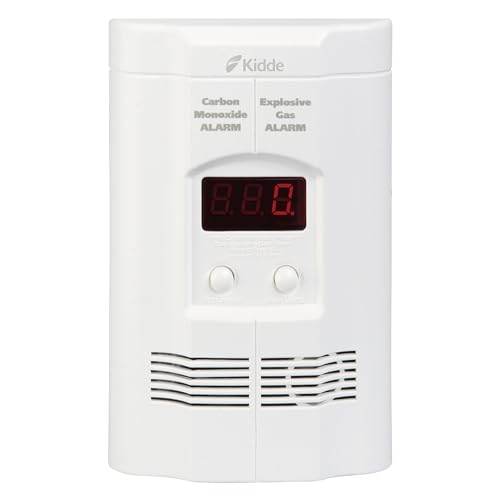
This Kidde alarm adds more than carbon monoxide protection. It is designed to detect carbon monoxide along with explosive natural gas and propane, making it a useful choice for an RV, cabin, or powered campsite building. The plug-in design keeps the alarm ready near an outlet. A 9V battery backup helps maintain protection during a power outage.
The digital display is a useful feature because it can show CO information rather than relying only on a sound. The listed 85 dB alarm is designed to get attention, while LED status indicators show the unit’s condition.
This model is less suited to a remote tent with no outlet, but it can work well in a camper or cabin with electrical power. I would use it as part of a wider safety plan, not as permission to run a heater or generator indoors.
Pros:
- Detects carbon monoxide and explosive gas
- Supports natural gas and propane safety needs
- Plug-in setup suits cabins and RV interiors
- 9V battery backup adds outage protection
- Digital display gives more information than a basic alarm
- 85 dB alarm provides a clear warning sound
Cons:
- Needs an outlet for its main power source
- Less practical for a standard tent without electricity
- Does not provide smoke detection
What Amazon Buyers Are Saying
Customer discussions often praise the digital display, plug-in convenience, and wider gas coverage. Buyers who use propane appliances may value having gas and CO alerts in one device.
Some users may find the unit less flexible than a battery-only model, especially during tent camping. Reviews also tend to show why it is important to understand the difference between a normal status light, a low-battery warning, and a true alarm.
My Recommendation
This Kidde model is my first choice for a powered RV, cabin, or enclosed camper area where propane or natural gas may be present. It is not my top pick for a simple backpacking tent. If you want a digital readout and broader gas protection, it is worth considering among the Best Carbon Monoxide Alarm For Camping.
Kidde Portable AA Battery CO Alarm
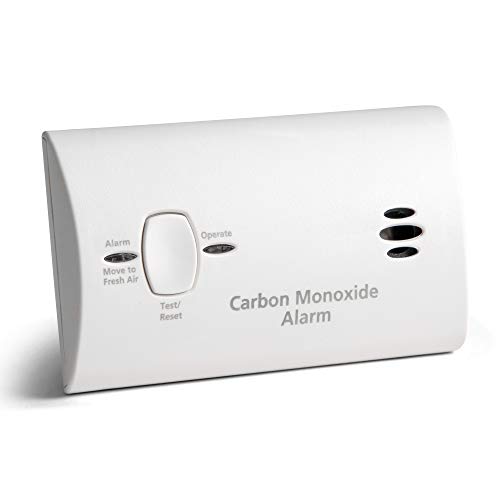
The portable Kidde AA battery CO detector focuses on the risk that matters most on many camping trips: carbon monoxide from fuel-burning equipment.
It does not need a wall outlet, so it can travel from home to an RV, cabin, or tent. Its 85 dB alarm and LED status indicators provide simple warning and status information. The AA battery format also makes replacement batteries easy to find in many stores.
I see this as a clean choice for campers who want a dedicated CO alarm without extra gas or smoke features. It can fit into a travel bag more easily than a plug-in unit, although you should protect it from rain, mud, and rough impact. Place it where the manual recommends, and do not cover its openings. A portable alarm adds a safety layer, but it cannot make indoor fuel burning safe.
Pros:
- Portable design suits travel and camping
- Runs on AA batteries instead of an outlet
- 85 dB alarm offers a strong audible warning
- LED indicators provide quick status checks
- Simple CO-only design keeps the purpose clear
- Useful for tents, cabins, RVs, and hotel travel
Cons:
- Detects CO but not smoke or explosive gas
- Needs protection from wet weather and hard impacts
- Requires a fresh battery before each major trip
What Amazon Buyers Are Saying
Common buyer themes include portability, simple operation, and confidence in using the alarm during travel. Shoppers often like the fact that it can work without a power outlet.
Some complaints relate to battery replacement, alarm chirps, or uncertainty about the best placement. Those points are normal concerns with portable alarms, so I suggest testing the unit at home and packing spare AA batteries.
My Recommendation
I recommend this Kidde detector for tent campers, road travelers, and RV users who want a dedicated battery-powered CO alarm. It has fewer functions than the plug-in gas model, but that makes it easier to carry and use. For most simple camping trips, it is one of the strongest portable choices in this best carbon monoxide alarm for camping review.
First Alert Battery Smoke and CO Alarm

The First Alert combination alarm brings smoke and CO detection together in a battery-powered design. That makes it useful for campers who want one device to address two major indoor safety risks. It can suit a cabin, camper, RV, or other approved indoor space where batteries provide the main power. It also avoids the need to manage two separate alarms in a small room.
This model makes the most sense when you want straightforward safety rather than a digital CO reading. I would place it according to the instructions and keep it away from direct moisture, cooking fumes, and outdoor exposure.
A combination alarm can save space, but it still needs routine testing and battery checks. Remember that a smoke alarm and a CO alarm serve different purposes even when they share one case.
Pros:
- Combines smoke and CO protection in one device
- Battery-powered for flexible placement
- Useful in cabins, campers, and RVs
- Reduces wall and ceiling clutter
- Offers a simple option for family camping
- Provides an extra layer of fire awareness
Cons:
- No digital display for CO levels
- Does not focus on propane or natural gas leaks
- One device may need replacement if either function fails
What Amazon Buyers Are Saying
Amazon buyers commonly appreciate the two-in-one design and the familiar battery setup. Many shoppers prefer a combination unit when space is limited or when they want a basic alarm for a cabin.
Common concerns include occasional chirping, questions about placement, and the need to replace batteries on time. I treat those comments as reminders to test every alarm before a trip instead of assuming it works straight from the box.
My Recommendation
This First Alert unit is a good fit for campers who want smoke and CO coverage in a single battery alarm. It is less specialized than the portable Kidde CO model, but it gives broader protection in one package. I consider it a sensible choice for cabins, RVs, and family camping setups.
Kidde AA Battery CO Detector

This Kidde AA battery-powered detector is a basic CO alarm for shoppers who prefer a direct and simple design. It focuses on carbon monoxide rather than adding smoke or combustible gas detection. The battery format makes it suitable for travel, a tent, a cabin, or a backup location. Its compact form can also make it easier to keep with emergency camping gear.
I would choose this model when the main goal is affordable backup protection. It does not offer the same information as a digital display model, so you depend on the alarm and status signals. That is not a fault if you want a no-frills device. Test it before use, monitor the battery, and keep it dry during outdoor trips.
Pros:
- Simple CO-only design is easy to understand
- AA battery power supports off-grid use
- Lightweight format suits travel kits
- Useful as a backup for an RV or cabin
- Does not require an outlet or wired setup
- Can provide focused CO protection at a modest cost
Cons:
- Does not detect smoke or fuel gas leaks
- No digital display for viewing CO readings
- Needs careful storage during wet outdoor trips
What Amazon Buyers Are Saying
Buyer feedback for basic portable alarms often centers on easy setup, small size, and the convenience of AA batteries. Shoppers who want a simple backup device tend to value those traits.
Some users may want more information than a basic alarm provides, while others may report chirping when the battery needs attention. I recommend checking the exact package details and testing the alarm before relying on it.
My Recommendation
This Kidde detector is worth buying if you need a simple, portable CO alarm for a tent, cabin, or travel bag. It is not the most complete option in this group, but it works well as focused backup protection. Its value depends on your accepting the lack of smoke detection and a digital display.
How to Choose the Best Carbon Monoxide Alarm for Camping
Choosing the best carbon monoxide alarm for camping takes more than comparing price. Think about where you sleep, which fuel devices you use, and whether the space has power. A tent, RV, and cabin need different features.
The advice below reflects common guidance from public safety agencies: use alarms that meet applicable safety standards, follow the manual, and never use a generator, grill, or fuel-burning stove inside a tent or enclosed shelter.
1. Match the Power Type to Your Campsite
A battery-powered CO alarm offers the most freedom. It works in a tent, remote cabin, or campsite with no outlet. AA and 9V batteries are common, but you should confirm the required type before travel. Pack fresh spare batteries and test the alarm at home.
A plug-in alarm makes more sense in an RV or powered cabin. It can stay in place and may offer a digital display or battery backup. However, a plug-in model is not a good stand-alone solution for a tent without power. If the campsite can lose power, select a model with a backup battery or carry a separate battery alarm.
2. Decide Which Threats You Need to Detect
Carbon monoxide comes from incomplete fuel burning. Propane heaters, gas appliances, generators, lanterns, and vehicle exhaust can create a risk. A CO-only alarm suits people who already have separate smoke protection and want a portable device for fuel risks.
A combination smoke and CO alarm adds fire protection. This can help in a cabin, RV, or family shelter. Some models also detect explosive natural gas and propane. That broader coverage can be useful, but it may raise the price and reduce portability. Choose the functions that match your actual camping setup.
3. Check Placement, Alert Style, and Long-Term Value
Read the manual before choosing a mounting spot. Keep the alarm where people can hear it while sleeping, and do not block its vents. Avoid placing it next to a fuel appliance, in direct rain, or where cooking fumes may cause nuisance alarms. In an RV or cabin, use the placement guidance for that specific model.
An 85 dB alarm can offer a clear warning, while LED indicators show normal operation or a problem. A digital display may help you understand readings, but it does not make unsafe fuel use safe. Also check the alarm’s replacement date, warranty, battery cost, and return policy. The best carbon monoxide alarm for camping is the one you will test, carry, and use correctly.
Final Verdict: Which Should You Buy?
For most campers, I recommend the Kidde Portable AA Battery CO Alarm because it is easy to carry and needs no outlet. For a cabin or RV, the Kidde Plug-In Gas and CO Alarm offers the broadest detection.
The Top 5 Best Carbon Monoxide Alarm For Camping can improve safety, but correct ventilation and outdoor fuel use matter even more. Test your alarm before every trip.
FAQs of the Top 5 Best Carbon Monoxide Alarm For Camping
Can I use a carbon monoxide alarm inside a tent?
Yes, a battery-powered alarm can add protection, but never use a heater, stove, grill, or generator inside a tent. The alarm does not make indoor fuel burning safe.
What is the best battery-powered CO alarm for camping?
The Kidde Portable AA Battery CO Alarm is a strong choice for camping because it is portable and does not need an outlet. The X-Sense SC06 is better when you also want smoke detection and several alarms.
Should I buy a smoke and carbon monoxide combination alarm?
A combination alarm is useful in a cabin, RV, or camper where you want both fire and CO protection. A CO-only model may be lighter and simpler for tent travel.
Where should I place a CO alarm in an RV or cabin?
Place it where people can hear it while sleeping and follow the model’s manual. Keep it away from rain, blocked vents, and direct cooking fumes.
How often should I test a camping carbon monoxide alarm?
Test it before each trip and at regular intervals listed in the manual. Replace batteries when needed and replace the alarm at the end of its stated service life.