
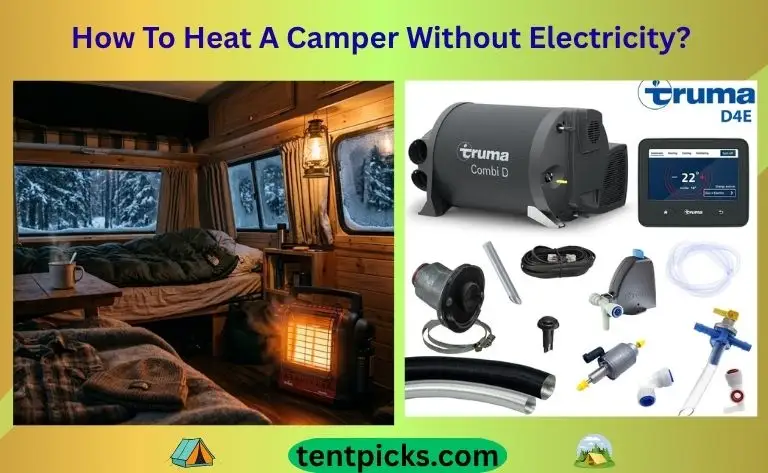
How To Heat A Camper Without Electricity? | Best Guide 2026
Stay warm off-grid with safe, low-cost methods. How to heat a camper without electricity using propane, catalytic heaters, insulation, and simple hacks. Use propane catalytic heaters, vented propane furnaces, or tiny wood stoves safely. If you want a clear, field-tested guide on How To Heat A Camper Without Electricity, you are in the right place.
I have lived and worked from rigs in winter. I have tested safe, manual systems that keep heat steady when power is out. This article explains How To Heat A Camper Without Electricity with proven gear, simple math, and step-by-step setups you can trust. Read on to learn what works, what fails, and how to stay warm without risk.
Safety essentials before you add any heat
If you ask How To Heat A Camper Without Electricity?, start with safety. Any open flame or fuel heat will use oxygen and can produce carbon monoxide. You must give the heater fresh air and a safe exit for fumes.
Do this first in every camper:
- Install a carbon monoxide alarm and a propane gas alarm. Test them each week.
- Keep a dry-chem fire extinguisher by the door and another by the galley.
- Crack a roof vent or window at least one inch when any unvented heater runs.
- Set heaters on a flat, fire-safe base. Add a metal heat shield if near a wall.
- Keep a 36-inch clear zone around heat. Move soft goods and pets away.
- Never sleep with an unvented heater on. Warm the rig, then turn it off.
These rules are not theory. They save lives and rigs. Follow them every time.
Source: rvlifestyle.com
Heat options that work without electricity
When you plan How To Heat A Camper Without Electricity, pick a heat source that makes steady heat and fits your space. These options need no shore power and no battery.
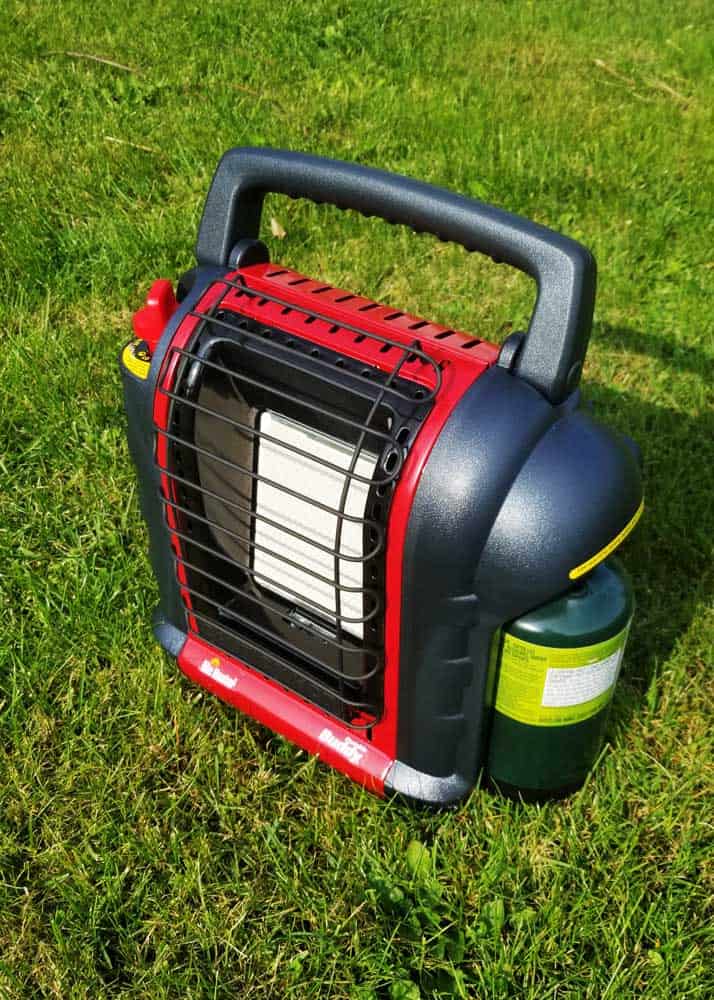
Portable propane catalytic heaters
These burn propane on a catalyst pad. They make quiet, radiant heat with no fan. They do not need electricity. Most have an oxygen depletion sensor and a tip switch. They still need a vent crack. Use a hose and an inline filter if you run from a 20-pound tank. Do not run one while you sleep.
Pros:
- Fast setup and low cost.
- Silent and fuel efficient.
Limits:
- Adds moisture to the air.
- Unvented, so you must vent and monitor CO.
Vented propane wall or marine heaters (millivolt)
These are direct-vent units that draft through a wall flue. Some models use a standing pilot and a millivolt thermostat. That means no electricity. They take air from outside and exhaust outside. That keeps air clean and dry.
Pros:
- Safe to run long hours.
- Low moisture inside the rig.
Limits:
- Higher up-front cost.
- Install needs careful sealing and a proper flue.
Small wood or tent stoves
A tiny wood stove or a packable tent stove can heat well. It vents through a stove pipe and a roof or wall jack. Use a spark arrestor cap. Add a hearth and heat shields. Store kindling dry. Learn your draft.
Pros:
- Dry heat and cheap fuel if you have wood.
- Great for long cold snaps.
Limits:
- Install takes work. You must tend the fire.
- Clearances matter. Ash and sparks are a risk.
Kerosene radiant heaters
These make good heat with no power. Only use in a well-vented space. Choose 1-K kerosene for low odor. Pre-warm the wick. Keep fuel fresh.
Pros:
- Strong output and low cost per BTU.
- No hoses or regulators.
Limits:
- Odor and moisture. Needs steady venting.
- Some campgrounds ban them inside RVs.
Passive heat aids
You can bank heat with simple tools. Use sun in the day and stored heat at night.
Ideas that work:
- Park for solar gain. South-facing windows warm fast.
- Fill hot water bottles or heat-safe stones and place in bed.
- Hang thermal curtains to trap warm air where you sit.
Avoid candle “heater” stacks. They do not make real heat and can cause fires.
How to size the right heater for your space
To solve How To Heat A Camper Without Electricity? well, match output to your space and climate. A rough rule for three-season rigs is 20 to 30 BTU per square foot. For cold snaps or poor insulation, plan 40+ BTU per square foot.
Simple steps:
- Measure floor area. A 20-foot trailer at 8 feet wide is 160 square feet.
- Pick a factor. In freezing nights, use 40 BTU per square foot.
- Multiply. 160 × 40 = 6,400 BTU per hour needed.
Fuel math helps plan nights out:
- One 20-pound propane tank holds about 430,000 BTU.
- A 6,000 BTU per hour heater can run about 70 hours on one tank if on full.
- Real use is cycling, not full blast, so many users see a week or more.
If you camp at high altitude, heaters make less heat. Expect a drop above 5,000 feet.
Source: gudgear.com
Step-by-step setups for no-power heat
Use these clear steps to get safe, steady heat. This is the heart of How To Heat A Camper Without Electricity? done right.
Catalytic propane heater setup
- Mount a metal plate or set a fire-safe base.
- Connect a certified hose and filter to your tank. Check for leaks with soapy water.
- Crack a window and a roof vent one inch.
- Light per the manual. Start low and let the pad warm for five minutes.
- Never leave it on while you sleep. Turn off at the tank when done.
Vented propane wall or marine heater install
- Pick a spot per the manual. Check wall thickness and clearances.
- Cut and seal the flue hole. Use high-temp sealant and proper screws.
- Set the heater on the bracket. Attach the flue kit with the right pitch.
- Run a hard propane line with a shutoff valve at the unit.
- Test for leaks. Light the pilot and set the thermostat.
This type is best for long stays. It is the safest no-power option.
Tiny wood stove install
- Add a non-combustible hearth pad. Mount wall shields with a one-inch air gap.
- Plan a straight-up flue path. Short bends hurt draft.
- Install a roof or wall thimble and a spark arrestor cap.
- Burn dry wood only. Start with small splits. Keep a metal ash bucket outside.
Startup and shutdown
- Start with small kindling. Open air inlets. Build a coal bed.
- Adjust to a steady flame, not roaring.
- To shut down, let fuel burn out. Do not snuff with water.

Source: youtube.com
Insulation and heat retention upgrades
Good heat is only half of How To Heat A Camper Without Electricity?. You must keep the heat you make.
Fast wins:
- Weatherstrip doors and windows. Add door sweeps.
- Use thermal curtains and snap-on window covers with an air gap.
- Lay down rugs or foam tiles over bare floors.
- Skirt the rig with foam boards to block wind under the floor.
- Insulate roof vents with cushions but leave one vent cracked for fresh air.
Use Reflectix with an air gap. If you press it flat on glass, it can trap moisture.
Moisture, condensation, and air quality
Propane and people add water vapor. When warm air hits cold walls, water forms. Manage this each day.
Simple control plan:
- Vent a little all the time when heating.
- Boil water and cook outside when you can.
- Run a small, manual window squeegee each morning.
- Use calcium chloride desiccant tubs near the bed and galley.
- Dry wet gear outside or in a vented shower area.
A cheap humidity gauge helps. Aim for 30 to 50 percent indoors if you can.

Source: rvlifestyle.com
Fuel storage, costs, and logistics
A big part of How To Heat A Camper Without Electricity? is fuel planning. Store and handle fuel the right way.
Propane tips:
- Keep cylinders upright and outside or in a vented locker.
- Use a quality regulator. In deep cold, a regulator cover helps stop freeze-ups.
- Check dates on tanks and recertify as needed.
Kerosene tips:
- Use clean 1-K only. Store in blue cans, away from sun.
- Replace wicks when they char.
Wood tips:
- Keep kindling dry in sealed boxes. Store splits under a tarp with airflow.
Cost math examples:
- Propane is about 91,500 BTU per gallon. If you pay three dollars per gallon, a night at 60,000 BTU costs about two dollars.
- Kerosene runs about 135,000 BTU per gallon. Compare prices per BTU to pick what fits your plan.

Source: wilkens-teamwork.de
Field notes: what worked for me in real cold
My first winter, I tried a small catalytic propane heater. It was silent and sipped fuel. I cracked a roof vent and a side window. It kept me warm to the low 20s. But I saw more window fog and damp bedding on long storms.
The next season, I added a direct-vent propane wall heater with a millivolt thermostat. It ran with no power and gave dry heat. Fuel use was higher than the catalytic unit, but I could sleep warm with clean air. For a mountain trip, I used a tiny wood stove in a cargo trailer build. It was the driest heat by far but needed tending every 90 minutes.
Mistakes I made and fixed:
- I sized a heater too big. It short-cycled and made hot-cold swings. I downsized and gained comfort.
- I skipped a heat shield the first week. Paneling got hot. I added a shield with a one-inch air gap, and temps dropped fast.
- I once closed every vent. Condensation got worse. A small vent crack made the rig feel warmer because the air stayed dry.
These real lessons shape how I teach How To Heat A Camper Without Electricity? today.
Troubleshooting and cold-weather tactics
Cold weather brings quirks. Knowing fixes is part of How To Heat A Camper Without Electricity?.
Common issues and quick fixes:
- Weak draft on a wood stove. Warm the flue with a lit twist of paper before lighting.
- Propane regulator freeze. Keep bottles off bare snow and shield the regulator from wind.
- Heater smells. Use clean fuel and a hot burn to reduce soot. Service wicks and pads.
- CO alarm trips. Turn off heat, open windows, move outside, and find the cause before reuse.
- Altitude woes. Some propane heaters need high-altitude kits. Check your model specs.
Smart habits:
- Pre-warm the bed with hot water bottles 20 minutes before sleep.
- Wear a hat and use a winter-rated sleeping bag as a backup.
- Store dry fire starters and a spare lighter where you can reach them at night.
Frequently Asked Questions of How To Heat A Camper Without Electricity?
Can I use a propane catalytic heater overnight?
You can preheat with it, then turn it off before sleep. For long, safe heat while you sleep, use a direct-vent heater that exhausts outside.
How much propane will I use in a week of cold camping?
A small rig with a 6,000 BTU per hour average may use one 20-pound tank per week. Very cold nights or poor insulation can double that.
Is a tiny wood stove safe in a camper?
Yes, if you install it with correct clearances, shields, and a proper flue. Add a spark arrestor and keep a fire extinguisher close.
Does cracking a window waste heat?
You lose a little heat but gain dry, safe air. The net result is a warmer feel because dry air holds heat better against your skin.
What temperature should I aim for indoors?
Aim for 60 to 65°F while awake and 50 to 55°F when asleep. Lower set points save fuel and reduce condensation.
Conclusion
You can stay warm off-grid with the right mix of safe heat, smart sizing, and tight insulation. Pick a heater that fits your rig and climate. Vent well, monitor air, and plan fuel with simple math. The path to How to Heat A Camper Without Electricity is clear when you combine safe gear with good habits.
Ready to build your winter kit? Start with a CO alarm, a properly sized heater, and thermal covers this week. Want more guides like this? Subscribe for new field-tested tips, or leave a question and I will help you dial in your setup.