

How To Live In A Camper In The Winter? Essential Tips
Stay warm, safe, and comfortable with pro tips, gear checklists, and heating hacks. How To Live In A Camper In The Winter? Thrive now. Insulate well, manage heat, protect plumbing, and plan power and safety. If you want a clear, field-tested guide on How To Live In A Camper In The Winter, you are in the right place.
I have spent winters in mountain campgrounds and icy plains, and I know what works when the weather bites. This guide blends expert tips, simple checklists, and lessons learned. You will learn smart ways to heat, insulate, power, and protect your rig so you can thrive all season.
Source: kohree.com
Understanding Winter RV Living
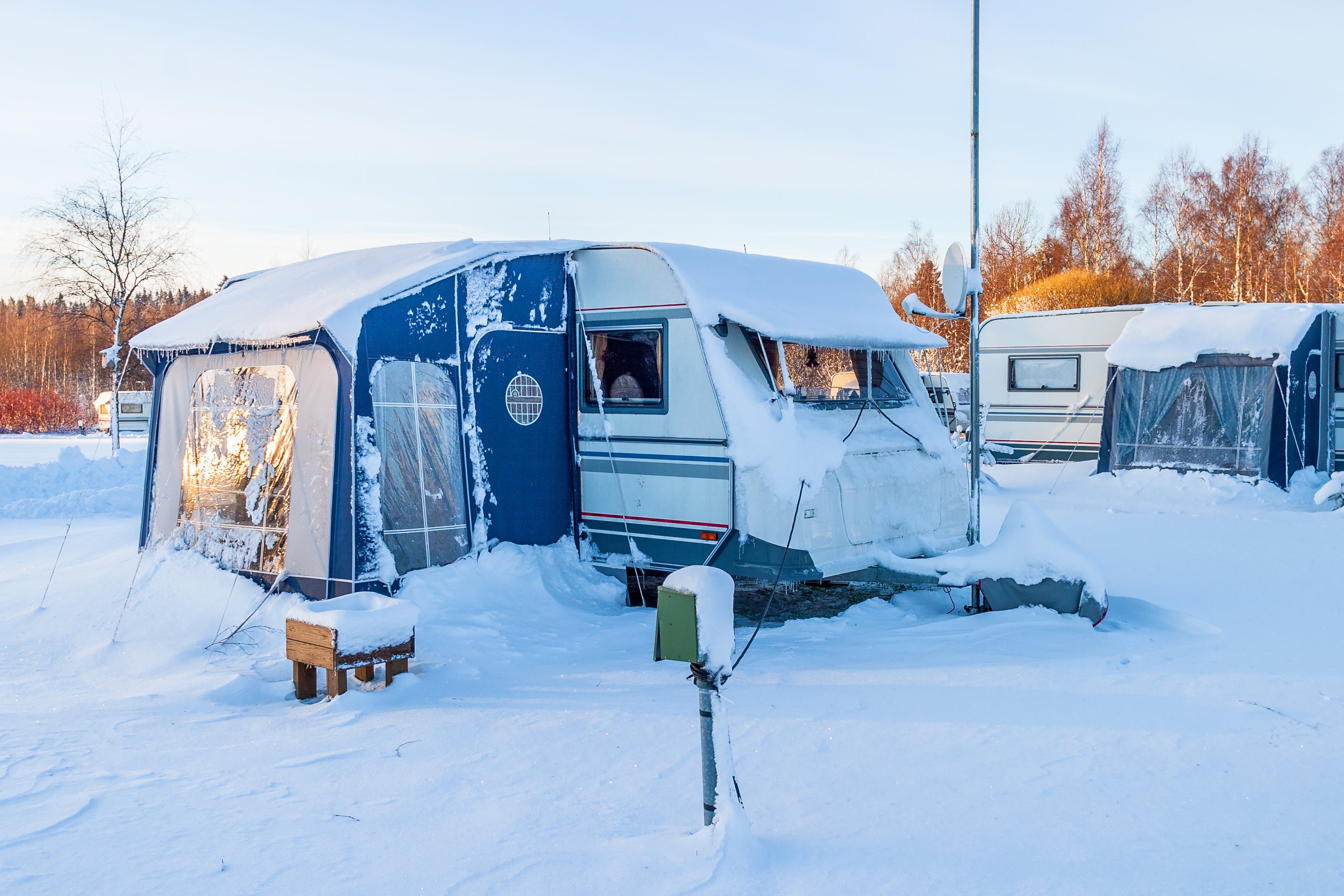
How to Live In A Camper In The Winter starts with a mindset shift. Your camper is a small home that must beat cold, wind, ice, and moisture. Success comes from planning, routine checks, and safe gear.
Cold impacts every system. Heat leaves fast through windows and floors. Batteries lose charge faster. Moist air turns into water on cold walls. Unheated hoses freeze. Solve these with layers of defense.
Key challenges to expect:
- Heat loss through thin walls and glass
- Frozen hoses, valves, and tanks
- Battery drain and weak solar input
- Condensation, mold, and stale air
- Slips, trips, and carbon monoxide risks
Choose the Right Campsite and Setup
How To Live In A Camper In The Winter? gets easier when you pick the right site. Choose a campground with reliable power and snow removal. Easy access to propane and groceries helps a lot.
Plan your setup with the weather in mind:
- Face the smallest wall into the wind to cut drafts
- Park near a power pedestal to use a heated hose and space heaters
- Keep your dump area reachable after snow
- Use leveling blocks that will not freeze to the ground
- Keep traction mats and a shovel at the door
If you boondock, scout plowed roads and cell coverage. Carry chains, tow straps, and a jump pack. Cold can turn a small delay into an unsafe night.
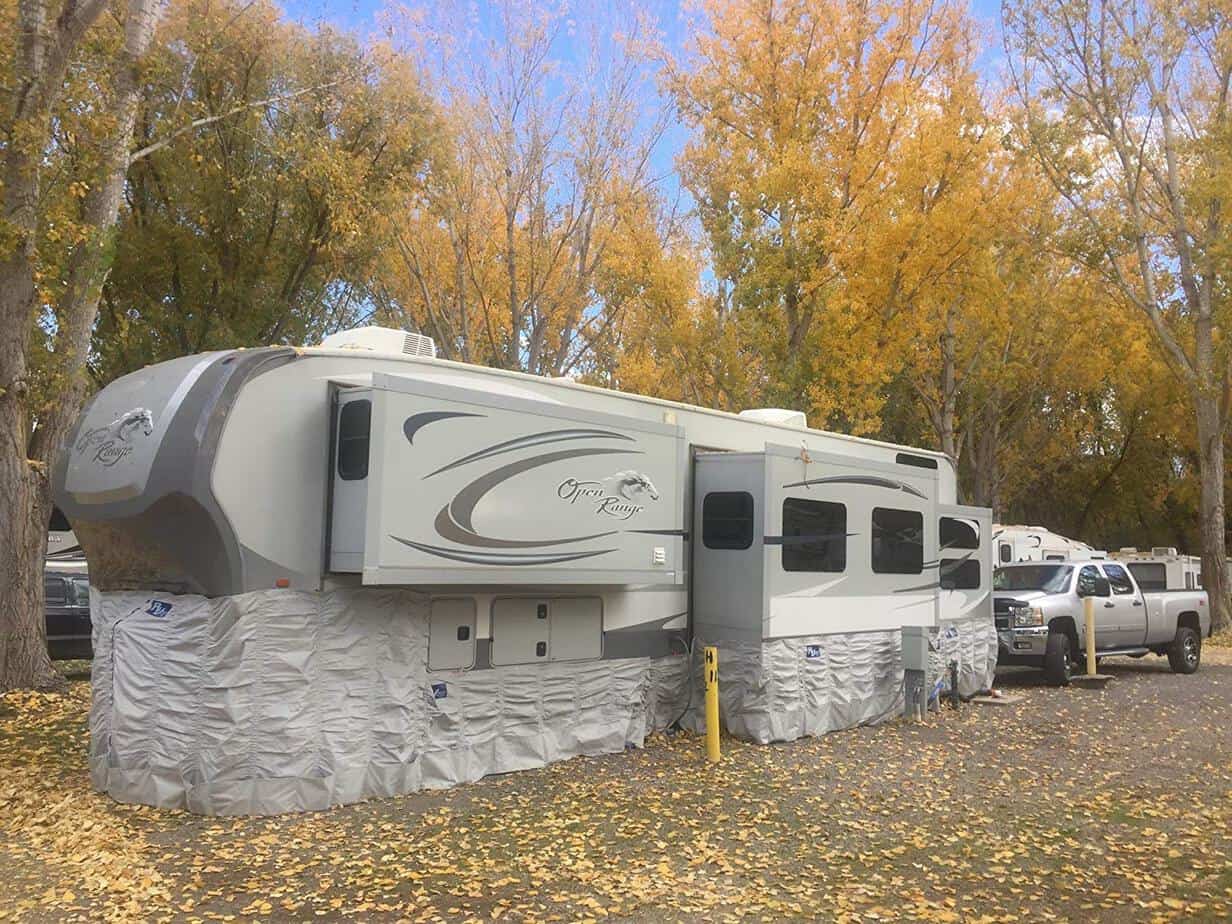
Source: thecrazyoutdoormama.com
Heat Your Camper Safely and Well
How To Live In A Camper In The Winter? calls for safe, steady heat. Many rigs use a propane furnace. It pushes warm air into ducts and keeps tanks warm if ducts pass by the bays. It uses a lot of propane and 12V power for the fan.
Common heat choices:
- Propane furnace. Strong heat and good for tank bays. Higher fuel use.
- Vent-free catalytic or radiant heaters. Low propane use. Needs a window cracked and a CO alarm.
- Diesel heaters. Very efficient. Good for vans and skoolies. Needs clean install and venting.
- Electric space heaters. Cheap to run on shore power. Use tip-over protection and avoid long extension cords.
- Heat pumps. Great above 35°F. Weak in deep cold.
Safety must lead. Install CO and smoke alarms. Use a gas leak detector. Keep a fire extinguisher by the door and the galley. Do not run an unvented heater while you sleep.
Fuel planning tips:
- A gallon of propane has about 91,500 BTUs
- A 35,000 BTU furnace can burn 1 gallon in about 2.5–3 hours of run time
- In subfreezing weather, plan 15–30 pounds of propane per week per small RV, more for large rigs
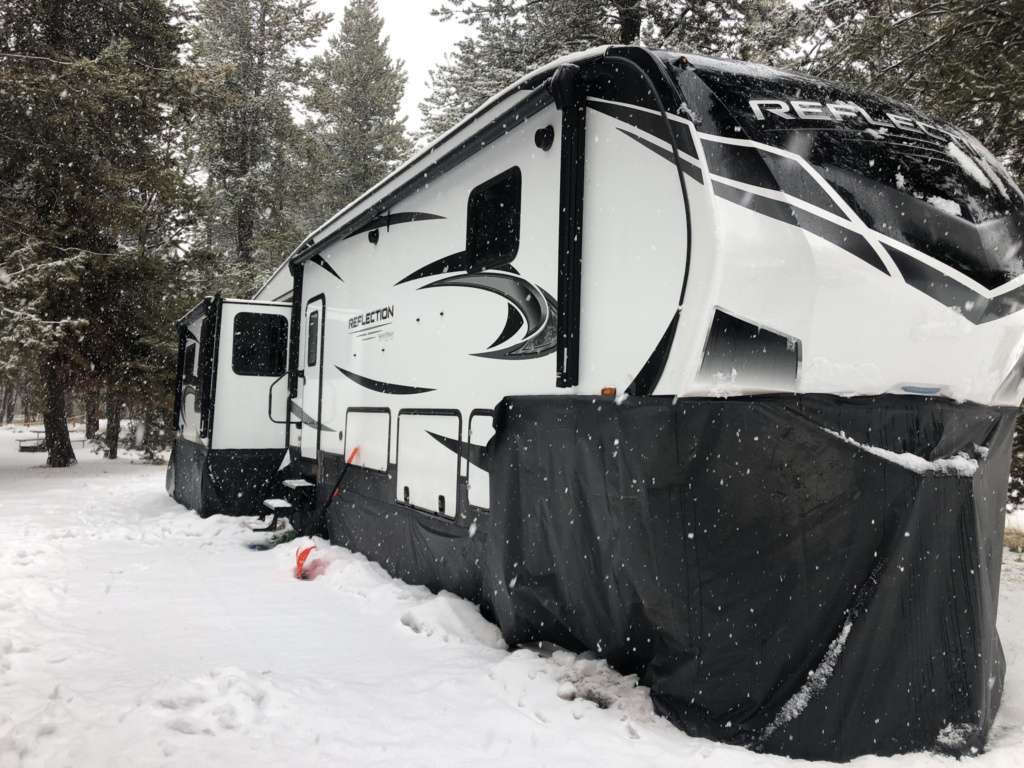
Source: gopowersolar.com
Insulate, Seal, and Skirt
How To Live In A Camper In The Winter depends on insulation and draft control. Block cold, and you cut fuel use fast. Add layers to windows, floors, doors, and bays.
High-value upgrades:
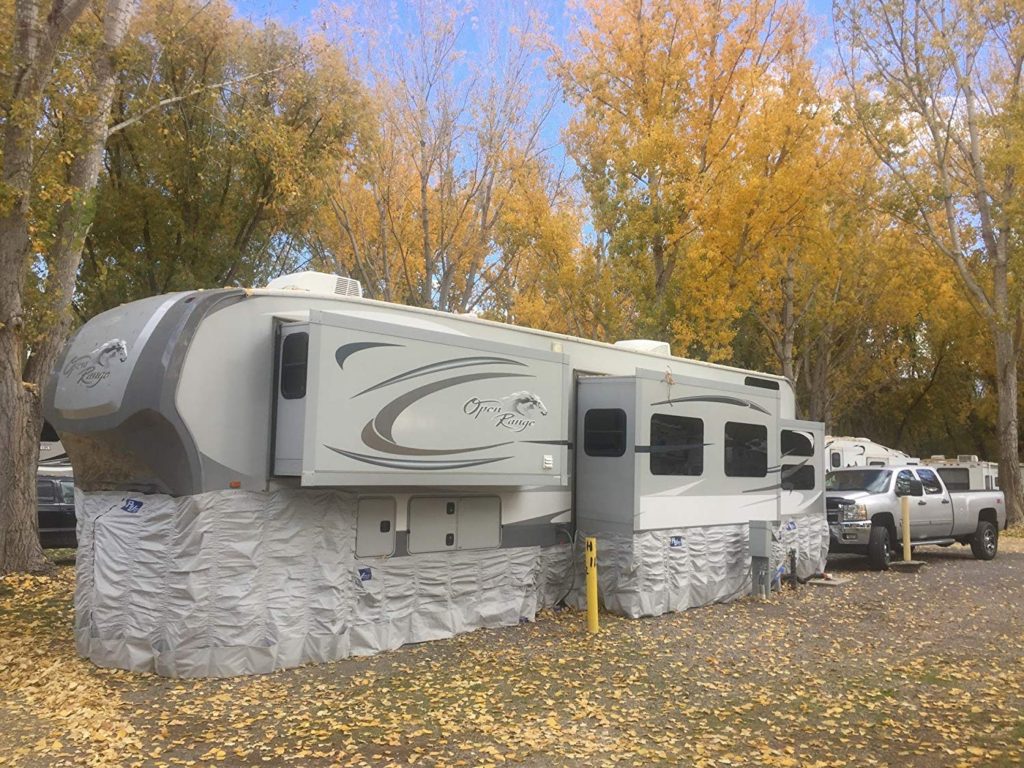
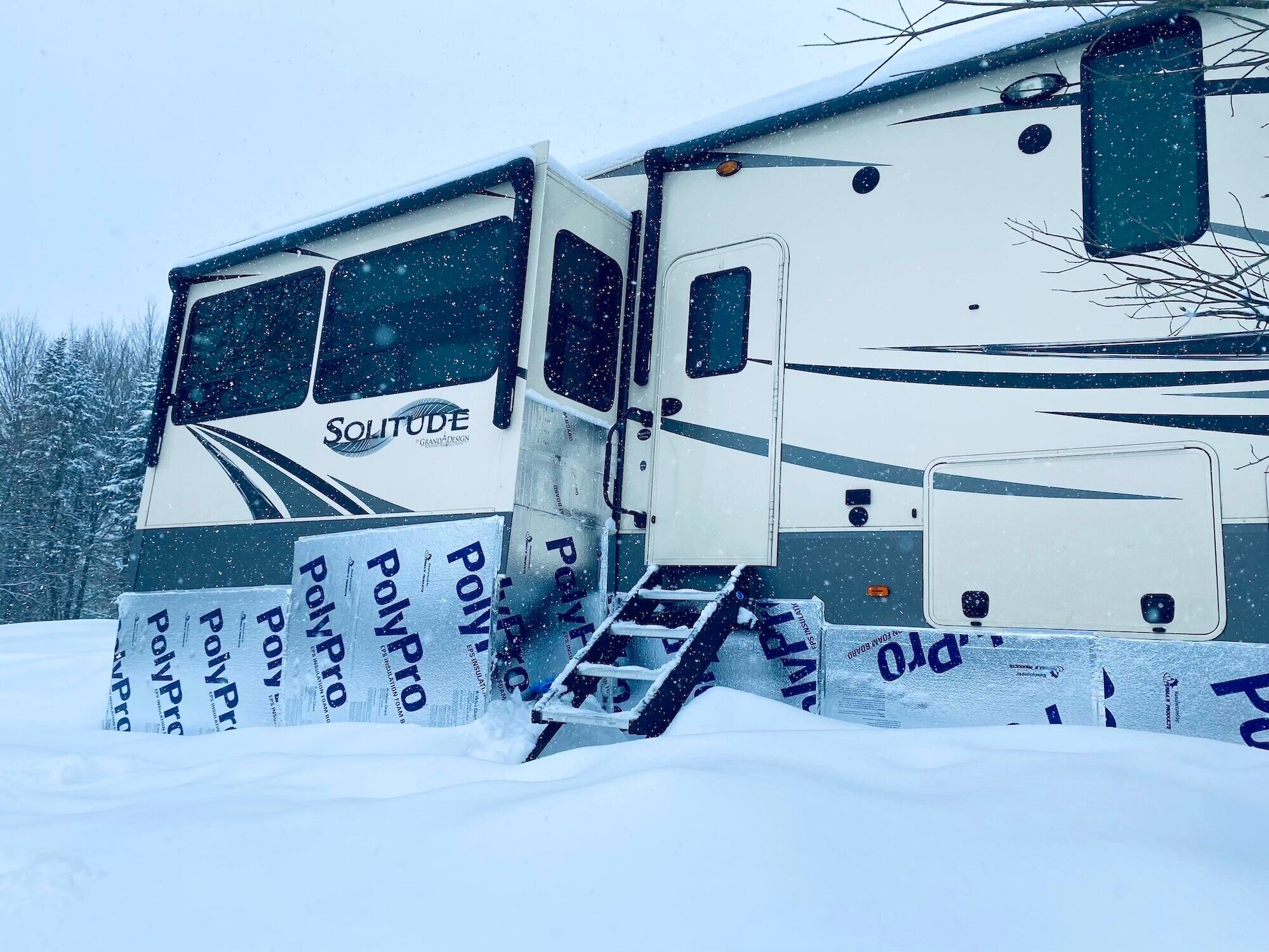
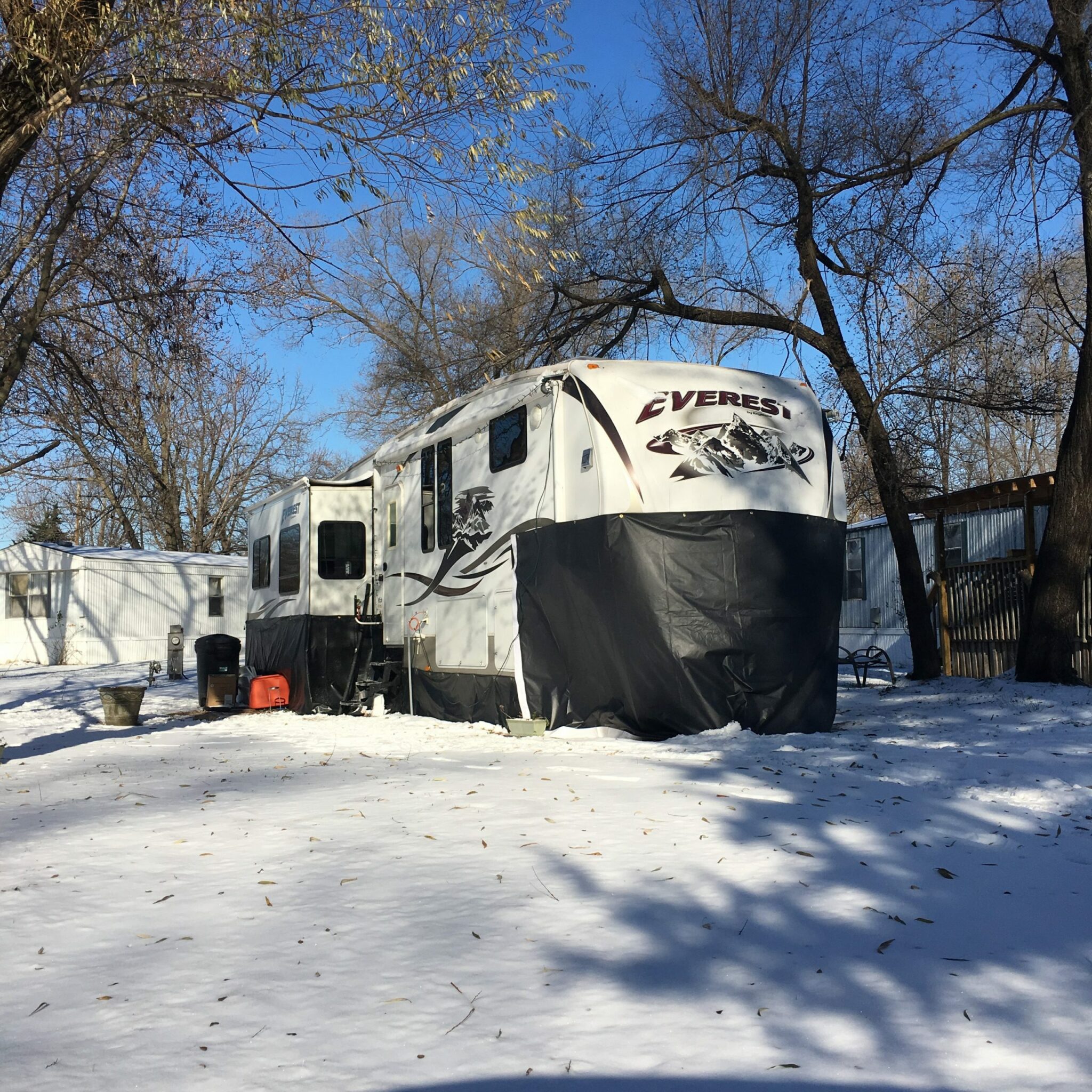
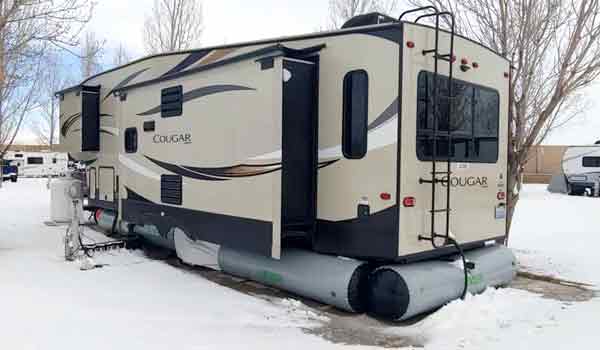
- RV skirting. Use vinyl kits or rigid foam board. This traps warmer air under the rig and protects tanks and lines.
- Window covers. Reflective panels for day, thermal curtains for night. Leave a small air gap to reduce condensation.
- Floor rugs and foam underlayment. Warm feet mean less heat loss.
- Door seals and vent gaskets. Replace worn seals to stop drafts.
Personal note: My second winter changed after I built foam board skirting with foil tape. The floor went from icy to mild, and my furnace cycled less. It paid for itself in a month.
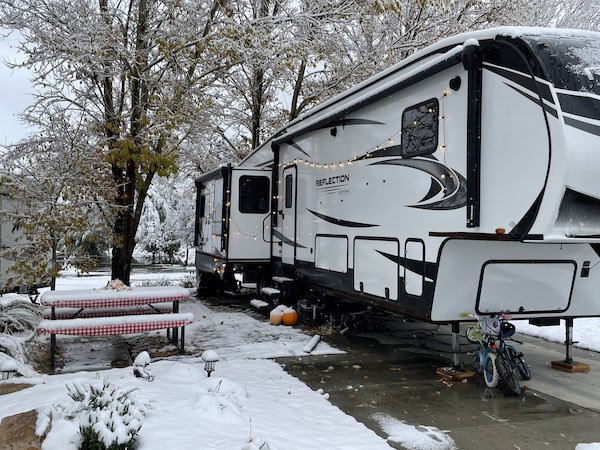
Source: boundlessbakers.com
Keep Water Flowing and Tanks Safe
How To Live In A Camper In The Winter? means your water system must beat ice. A frozen hose or valve can crack and leak. Protect every link in the chain.
Best practices:
- Heated hose for city water, or fill your fresh tank and disconnect the hose between fills
- Heat tape and insulation on exposed pipes and the spigot, with a GFCI outlet
- Tank heater pads for gray and black tanks if you stay hooked up
- Keep the sewer hose warm or store it between dumps
- Use RV antifreeze in traps to stop freeze damage if you close systems
If it is very cold, switch to a “manual” water routine. Fill jugs inside, use the onboard pump, and drain gray less often. I kept a small pump sprayer for dishes. It saved water and stopped the line from freezing.
Source: rvlikeapro.com
Power, Batteries, and Energy Use
How To Live In A Camper In The Winter? Also means careful power planning. Cold saps battery capacity. Solar panels make less power on short, dim days. Shore power helps, but plan your loads.
Key tips:
- Lithium batteries should not charge below freezing. Use a warmed battery bay or a battery with a built-in heater.
- Lead-acid batteries lose capacity in the cold. Keep them topped off to avoid damage.
- Limit inverter idle draw. Turn it off when not in use.
- Use LED lights and low-watt cook gear to keep loads small.
- Keep solar panels clear of snow and at a steep angle if you can.
If you run a generator, follow a set schedule. Morning and evening for battery bulk charge works well. Use a CO-safe distance and a bonded ground per your model. Store spare oil and plugs.
Source: happilyeverhanks.com
Ventilation and Condensation Control
How To Live In A Camper In The Winter? faces one hidden enemy: moisture. Cooking, breathing, and drying clothes add pints of water to the air. That water lands on cold walls and windows.
Simple ways to cut moisture:
- Crack a roof vent and run a vent fan on low while cooking or showering
- Use a small compressor dehumidifier on shore power
- Wipe windows each morning, especially behind curtains
- Leave a tiny air gap behind cushions and mattress edges
- Avoid drying wet gear inside, or use a sealed bin
Dry air may feel cooler, but it lets you sleep warm and keeps mold away. A small fan moving air behind cabinets can stop damp corners.
Source: rvinspiration.com
Cooking and Daily Comfort
How to Live In A Camper In The Winter? is easier when meals are simple and warm. Use tools that sip power and add gentle heat to the rig.
Easy winter meal gear:
- Slow cooker or pressure cooker for one-pot meals
- Electric kettle for tea, coffee, and instant oats
- Cast iron pan for even heat on gas or induction
- Thermos bottles for hot drinks on cold hikes
Build comfort with light and routine. Add warm LED string lights. Keep slippers at the door and a mat to trap snow. Make a nightly check: fuel, heat, fans, and alarms.
Source: tinylifeconsulting.com
Safety, Alarms, and Risk Checks
How to Live In A Camper In The Winter? is safe when you stack the odds. Cold raises risks you cannot see. Carbon monoxide, slick steps, and blocked vents top the list.
Do these checks often:
- Test CO and smoke alarms and change batteries
- Keep propane detectors powered and vents clear of snow
- Use sand or grit on steps and around the sewer area
- Store gloves, headlamp, and ice melt by the door
- Carry a first aid kit and a thermal blanket in the tow vehicle
One hard lesson for me came after a wet snow blocked the furnace exhaust. The furnace locked out. Now I sweep vents after each storm, even at night.
Budget, Supplies, and Cost Planning
How To Live In A Camper In The Winter? has real costs. Budget for fuel, power, and small upgrades. Plan for a margin. Winter throws curveballs.
Typical monthly ranges for a couple in a mid-size rig:
- Propane. 60–120 pounds, more in long cold snaps
- Electricity. 300–700 kWh on shore power if using space heaters and dehumidifier
- Diesel or gas. For generator and weekly trips
- Upgrades. Skirting, heated hose, tank heaters, extra seals
Track use with a simple log. Note temps, heater settings, and fuel fills. You will spot patterns and save money without losing comfort.
Daily Routine and Maintenance
How to Live In A Camper In The Winter? works best with a simple checklist. Small daily jobs prevent big failures.
Morning routine:
- Check inside temp and humidity
- Run a vent fan for five minutes
- Wipe windows and cold corners
- Confirm battery state of charge
Evening routine:
- Top up propane if needed
- Clear snow from vents and steps
- Confirm heaters have safe clearance
- Set a low, steady heat overnight
Weekly tasks:
- Inspect seals, hoses, and skirting
- Test alarms and GFCIs
- Clean furnace intake and exhaust
- Rotate rugs and air out bedding
Lessons Learned and Mistakes to Avoid
How To Live In A Camper In The Winter? teaches fast. I have made mistakes so you do not have to.
What I learned the hard way:
- Do not chase big thermostat swings. A steady set point uses less fuel.
- Skirting is not optional in deep cold. It protects lines and your toes.
- Ventilation is not a waste. Dry air feels warmer and protects your rig.
- Never run any heater without a CO plan. Alarms and airflow save lives.
- Keep a backup heat source. If one fails, you stay safe.
The biggest win came from bundling small gains. Skirting, window covers, rugs, and a dehumidifier cut my fuel use by a third. Comfort went up at the same time.
Frequently Asked Questions: How To Live In A Camper In The Winter?
What is the best heater for a winter camper?
A built-in propane furnace is best for whole-rig heat and warm bays. Add a small electric heater on shore power to trim fuel use.
Can I use water hookups below freezing?
Yes, with a heated hose and insulated spigot on a GFCI outlet. In deep cold, fill your fresh tank and disconnect the hose between fills.
How do I stop condensation on windows?
Vent while cooking and sleeping, and add thermal curtains with a small air gap. A compact dehumidifier also helps on shore power.
Will solar panels work in winter?
They work, but output drops due to short days and low sun. Keep panels clear of snow and tilt if you can for better gains.
How much propane will I use?
Use varies by rig and weather, but many RVers burn 15–30 pounds per week. Larger rigs in deep cold can use more, so monitor and plan.
Is skirting worth it?
Yes. Skirting cuts drafts, protects plumbing, and saves fuel. Even DIY foam board skirting can make a big difference.
Can I live off-grid all winter?
It is possible with a strong battery bank, generator plan, and careful loads. Expect to run a generator often in storms or very short days.
Conclusion
Winter in a camper can be calm, warm, and safe with the right plan. Choose a good site, heat with care, insulate well, protect your water, and manage power and moisture. Build simple routines and keep a backup for heat and light.
Start today by picking one upgrade and one habit. Add skirting, set your alarms, and make a morning moisture check. If this guide helped you learn How To Live In A Camper In The Winter?
Subscribe for more field-tested tips, share your own lessons, or leave a question so we can help you stay warm out there.