
How To Stop Condensation In A Tent Overnight? | Guide 2026
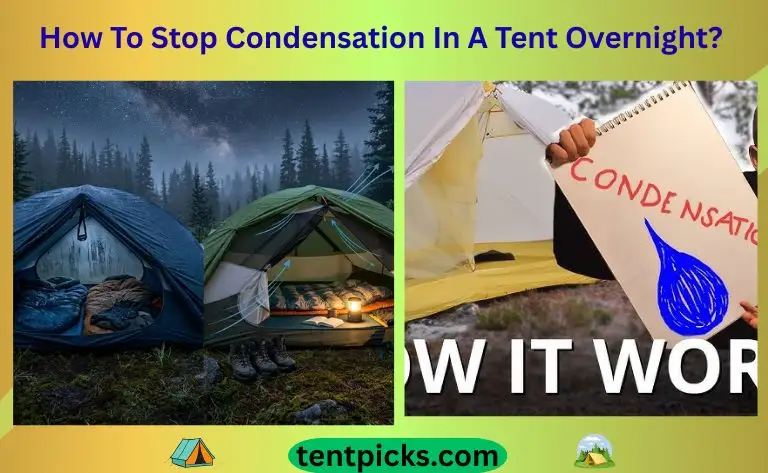
Beat damp walls fast. How To Stop Condensation In A Tent Overnight with smart venting, dry gear habits, and setup tweaks. Sleep warm and wake up dry. Open vents wide, reduce moisture sources, choose smart camp spots, and manage airflow. If you have asked yourself, “How To Stop Condensation In A Tent Overnight?”, you are in the right place.
I have spent years guiding trips from wet coasts to frozen ridges, and I have tested what actually works. This guide explains How To Stop Condensation In A Tent Overnight with clear steps, simple checklists, and gear tips you can trust.
What Causes Tent Condensation?
Condensation is water turning from vapor into liquid on cool tent surfaces. Warm, moist air from your breath, wet gear, or cooking hits a cooler fabric and reaches the dew point. Then it beads up and runs down the walls.
You exhale a lot of water overnight. Physiology data suggests about 0.3 to 1.0 liters per person across a night, depending on temperature and humidity. Add a dog, damp socks, and a pot of boiling water, and your tent becomes a tiny greenhouse.
Single-wall tents collect more moisture because your breath hits the outer fabric. Double-wall tents use an inner mesh and a rainfly. Moist air can pass through the inner and condense on the fly, where airflow can carry it away. Knowing this helps you plan how to stop condensation in a tent overnight using design and airflow.

Source: hykeandbyke.com
Field-Tested Ways To Reduce Condensation Overnight
I have tried many tricks in rainforests, alpine cold, and muggy river valleys. These steps work well and are easy to do.
- Vent high and low
Open roof vents, crack the door at the top, and lift the fly at the bottom. Aim for a chimney effect so cool air comes low and warm air exits high. - Face the breeze
Pitch the door or a vent toward the light wind. Even a small cross-breeze can sweep moist air out fast. - Pick a smarter site
Avoid low bowls, lake edges, and soggy meadows. A spot with slight wind, dry ground, and light tree cover helps a lot. - Keep wet stuff out
Do not cook inside. Keep wet boots and rain gear in the vestibule. Store open water bottles outside the inner tent. - Manage ground moisture
Use a footprint that is smaller than your tent floor. Do not let a tarp stick out, or it will funnel rain under your floor. - Control your heat and breath
Do not seal the tent tight. Over-sealing traps your breath. Keep a crack open, even in cold weather. - Wipe early, wipe often
Bring a small microfiber towel. Squeegee the walls once before bed and once at first light to keep drips off your bag. - Keep gear off the walls
Do not lean your sleeping bag or jacket on the fly or single-wall fabric. Contact points turn into wet spots. - Use a small fan
A tiny USB fan aimed upward can keep air moving on still nights. It takes little power and can make a clear difference. - Never use stoves or heaters inside
Flames add huge amounts of water vapor and carbon monoxide. Cook outside under the fly or a tarp with good airflow.
If you came here for How To Stop Condensation In A Tent Overnight?, start with vents, site choice, and dry gear. These three moves solve most cases.

Source: youtube.com
Setup Checklist Before Nightfall
Use this fast checklist so you are not fighting drips at 2 a.m.
- Choose a spot with light wind and slight elevation.
- Avoid water, frost pockets, and deep shade basins.
- Pitch a tight fly with space between inner and fly.
- Open top vents and crack a low vent or door.
- Stash wet gear in the vestibule, not the sleeping area.
- Place a small towel within reach for midnight wipe-downs.
- Keep a headlamp handy to check vents if wind shifts.
Follow this list, and you are already practicing How To Stop Condensation In A Tent Overnight? the right way.

Source: amazon.com
Gear Upgrades That Help
Not all tents handle moisture the same. A few smart upgrades can change your nights.
- Double-wall tent
An inner mesh plus a vented rainfly gives you the best control. Air moves better, and drips stay off you. - Fly with peak vents
Roof vents with brim or stiffeners work in rain and snow. They keep airflow going when the weather closes in. - Guy lines and extra stakes
More tension means better air gap between inner and fly. A stable fly sheds water and breathes better. - Breathable fabrics
Some single-wall fabrics have breathable membranes. They still need venting but help reduce buildup. - Microfiber camp towel
Weighs little and saves your bag from getting damp. Keep one per person. - Tiny USB fan and power bank
Great in muggy conditions. Use a low setting to move air without chilling you.
These help, but no gear can replace airflow. Even top tents need open vents. That is the heart of How To Stop Condensation In A Tent Overnight?.

Source: hykeandbyke.com
Managing Condensation In Different Weather
Different climates need small tweaks. Use these tips to match the conditions.
- Humid summer rain
Lift the fly edges if wind allows. Use both door zippers to open a top gap while keeping rain out. - Cold, clear nights
Clear skies cause strong radiative cooling, so the fly gets cold. Keep a small high vent open and avoid sealing the tent. - Fog or coastal air
Pitch under light tree cover when safe. Trees act like a humidity filter and reduce sky exposure. - Snow camping
Dig a cold-air sump in the vestibule. Open peak vents and brush frost off before it melts at sunrise. - Desert nights
Drop the fly if weather is safe. Mesh-only sleeping under stars keeps vapor away from fabric.
Across all these, the same rule works: keep air moving. That is still the core of How To Stop Condensation In A Tent Overnight?.

Source: youtube.com
Troubleshooting: Woke Up With Wet Walls
If you wake up to drips, do this fast.
- Wipe the inner walls with your towel before the sun warms the fly.
- Shake the fly outside the tent to dump the bulk moisture.
- Pack a wet-dry bag system. Keep dry sleep gear sealed and pack the wet fly separate.
- Air everything at lunch. Ten minutes of sun or breeze can restore loft.
If your sleeping bag is damp, protect its insulation first. Slip it in a liner or bivy for the next night and boost venting. Then reset your camp choices. These fixes turn a bad night into a better one and teach you How To Stop Condensation In A Tent Overnight for next time.

Source: roofbunk.com
Frequently Asked Questions of How To Stop Condensation In A Tent Overnight?
Why does condensation happen in a tent?
Moist air touches a cool surface and reaches the dew point. It then turns to liquid and collects on tent walls and the fly.
Will sealing the tent warmer stop condensation?
No. A sealed tent traps moist air and makes it worse. Venting keeps humidity low and prevents drips.
Should I sleep with the rainfly off to avoid condensation?
If weather is dry and calm, yes, sleeping under mesh reduces buildup. If rain is possible, keep the fly on but open vents wide.
Do single-wall tents always have more condensation?
They often do because breath hits the outer fabric. Good vent design and careful pitching can still keep them comfortable.
Can I use DampRid or a dehumidifier in a tent?
Passive desiccants have limited effect outdoors. Airflow beats chemicals every time for real moisture control.
Is it safe to use a heater to dry a tent inside?
No. Heaters add water vapor and increase carbon monoxide risk. Dry the tent with airflow or sun, not flames or fuel indoors.
What is the fastest way to fix condensation at 2 a.m.?
Open a top vent and a small low gap, then wipe walls with a towel. Aim for light crossflow without chilling yourself.
Conclusion
You can solve tent condensation with three smart moves. Choose a breezy, elevated site, keep vents open high and low, and keep wet gear out of the sleeping space. Use a towel and quick shake-out when needed, and pick gear that supports airflow.
Put these steps to work on your next trip and enjoy dry, warm sleep. If this guide helped, share it, subscribe for more field-tested camping tips, and leave a comment with your own tricks for How To Stop Condensation In A Tent Overnight.