

Is Sleeping In A Tent Good For You? | Health Benefits 2026
Is sleeping in a tent good for you? Learn health pros, sleep quality boosts, and risks, plus expert tips for safer camping. Read before your next night out. Yes—sleeping in a tent can boost sleep quality, mood, and overall health. If you have ever wondered whether sleeping in a tent is good for you, you are in the right place.
I have spent many nights under canvas, in all seasons. I will show you where the real gains come from, what to watch out for, and how to set up a tent for great sleep. This guide blends science with field-tested tips, so you can decide if sleeping in a tent fits your life and goals.
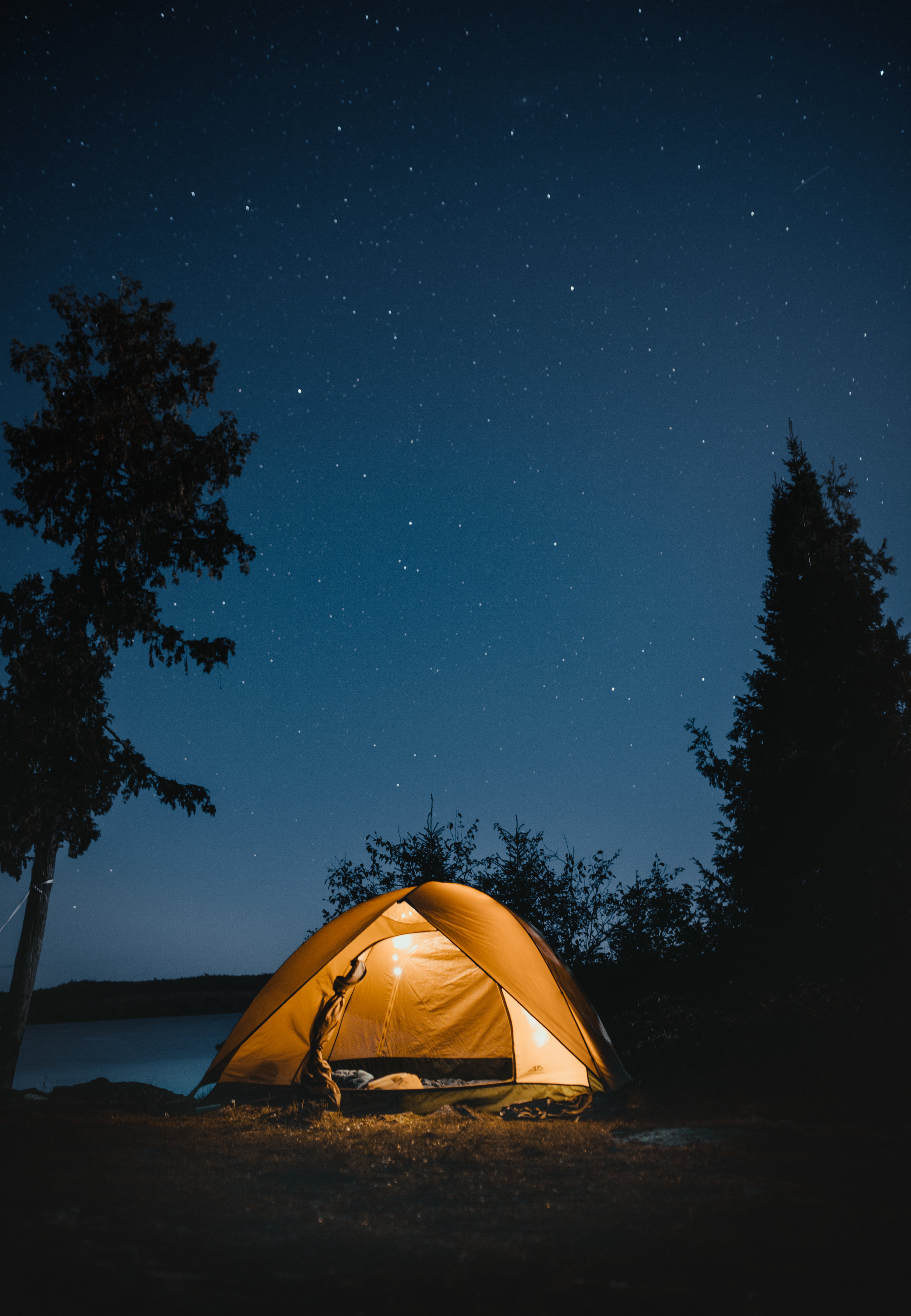
Source: triadrivertours.com
What Sleeping in a Tent Does for Your Body
Sleeping in a tent shifts your body back to simple cues. You get natural light in the morning and darkness at night. Your internal clock, or circadian rhythm, follows that flow. Research shows that even a few nights outdoors can advance melatonin timing and improve sleep onset.
The air in a forest or near a lake is cooler and usually cleaner than indoor air. Cooler air helps your core temperature drop. That drop signals your body that it is time to sleep. Many campers report faster sleep and fewer wake-ups.
Sleeping in a tent also cuts screen time. Less blue light at night means better melatonin release. It is like a soft reset for your nervous system. You may feel calmer, sleep more deeply, and wake up more clearly.
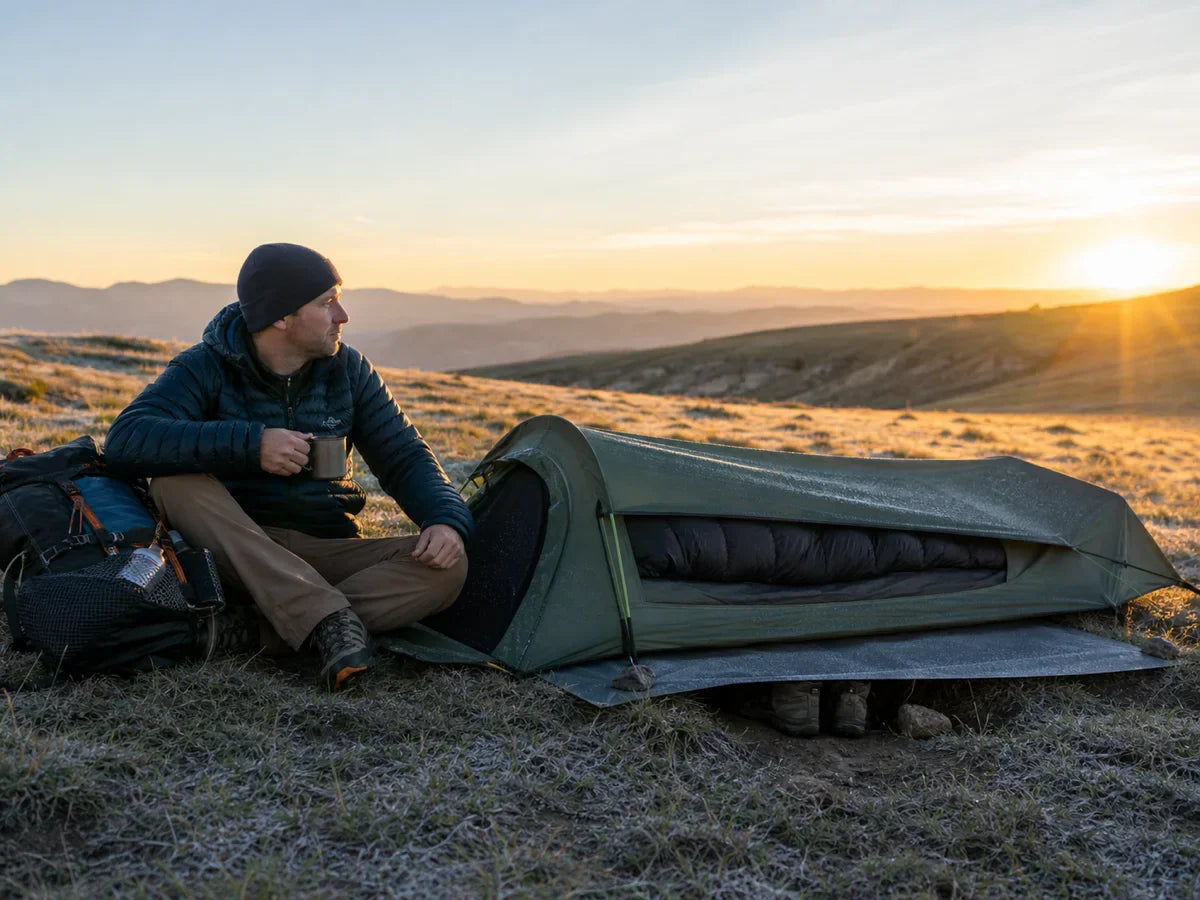
Source: onewindoutdoors.com
Proven Health Benefits of Sleeping in a Tent
Circadian rhythm reset
Natural dawn and dusk are strong time cues. Studies show that a weekend of camping without artificial light can shift your sleep phase earlier. That means you fall asleep faster and wake with more energy.
Better sleep quality
A quiet setting, simple routine, and fewer screens help you sleep through the night. Shorter sleep latency and longer deep sleep can follow. The key is a good pad and proper warmth.
Fresh air and ventilation
Sleeping in a tent often means more airflow than in a bedroom. Fresh, cool air supports deep sleep. Venting your tent also lowers condensation and reduces stuffiness.
Mental health benefits
Nature lowers stress. Time outside can reduce cortisol and boost mood. Many campers say that sleeping in a tent helps them feel present and relaxed.
Physical activity boosts
Camping days are active by design. You walk, set up camp, gather water, and explore. Day activity helps regulate nighttime sleep, so you fall asleep fast.
Social bonding and connection
Sharing a tent site with family or friends builds trust and joy. Evening talks by the fire and quiet mornings create a sense of safety that helps sleep.
Potential Risks and How to Reduce Them
Allergens and asthma
Pollen, dust, and mold can trigger symptoms. Choose low-pollen seasons and air out the tent. Use a clean, dry footprint and keep gear off damp ground.
Temperature extremes
Being too cold or too hot ruins sleep. Match your sleeping bag to the expected low. Use a pad with enough insulation. Vent the tent to avoid heat build-up.
Body aches or stiffness
Thin pads or uneven ground causes sore hips and backs. Pick a flat spot and clear debris. Use a thick sleeping pad or a lightweight cot if needed.
Wildlife and safety
Bugs, rodents, and larger animals may roam. Keep food sealed and away from the tent. Use a headlamp at night and follow local rules.
Hygiene and sanitation
Poor camp hygiene can disturb sleep and health. Set up a hand-washing station. Keep a clean sleep system and a simple nighttime routine.
Noise and light
Wind, neighbors, or bright moonlight can wake you. Pack earplugs and a sleep mask. Use a rainfly and site selection to block wind and light.
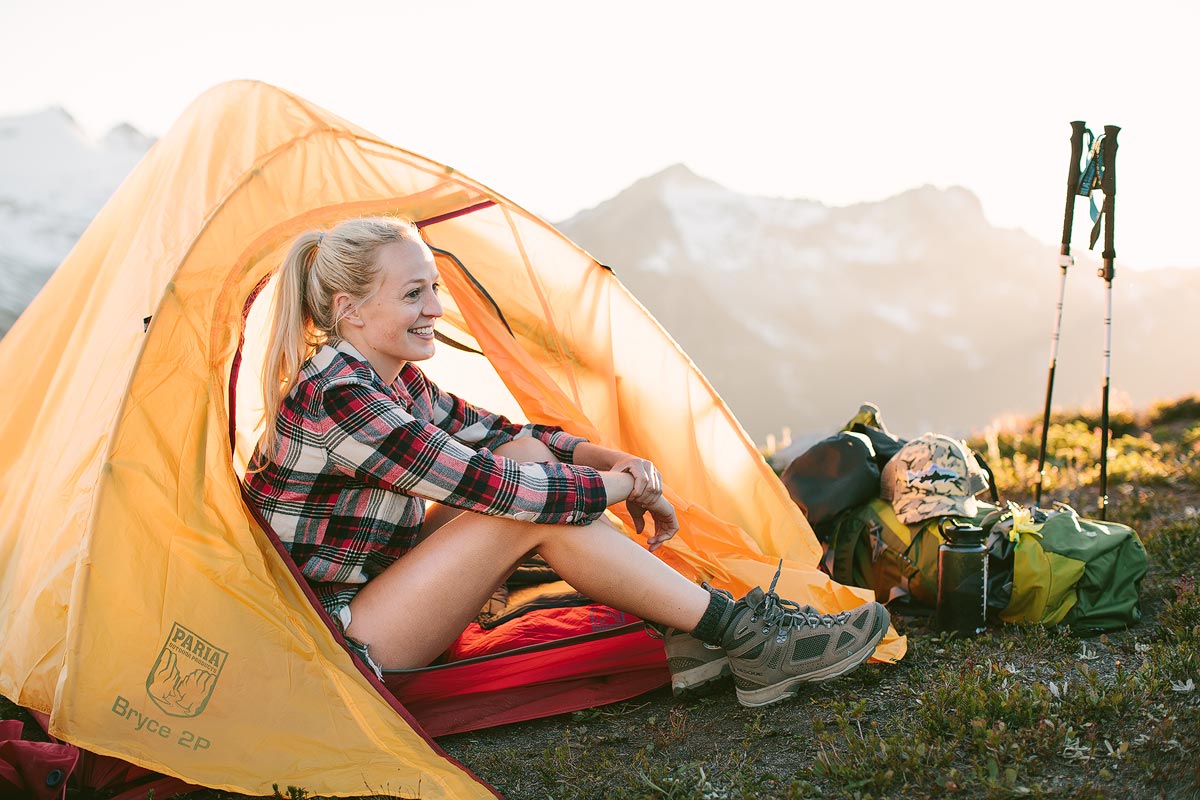
Source: pariaoutdoorproducts.com
How to Set Up a Tent for a Great Sleep
- Choose the right spot. Pick a flat, shaded area with good drainage. Face the door away from the strong wind. Check above for dead branches.
- Optimize your sleep system. Pair your sleeping bag with the low temp. Use a pad with the proper R-value. Add a liner or light quilt if needed.
- Control light and sound. Keep headlamps dim at night. Use earplugs and a hat or mask to block noise and light.
- Manage temperature. Vent the tent to cut condensation. Open low vents for airflow. If cold, wear dry base layers and a beanie.
- Keep a simple routine. Stop screens 60 minutes before bed. Sip warm tea, stretch, and breathe slowly. Repeat the routine nightly.
- Stay dry and clean. Store wet gear outside the inner tent. Change into dry sleep clothes. Keep water and a light within reach.
Gear checklist for success:
- Three-season tent with strong poles and vents
- Sleeping bag matched to the season
- Insulated sleeping pad
- Pillow or stuff sack with a soft layer
- Earplugs and sleep mask
- Headlamp with red mode
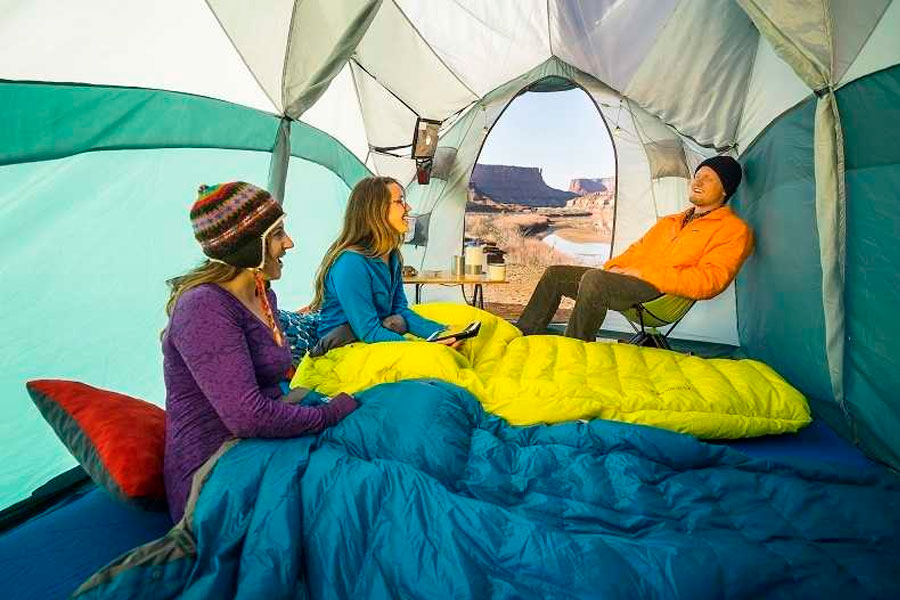
Source: kamui.co
My Field Notes: What I Learned from 100+ Nights Outdoors
After many trips, sleeping in a tent taught me a few simple truths. First, pad quality matters more than the bag for comfort. I once swapped a premium bag for a mid-grade one but kept a thick pad. I slept great in both summer and shoulder season.
Second, airflow is king. On a humid trip, I opened both vestibules and propped the rainfly. Condensation dropped, and I woke warm and dry. Small changes make a big difference.
Third, a short wind-down works. I stretch for five minutes, write a few lines, and turn on the red light only. I fall asleep fast and wake up before my alarm. Sleeping in a tent feels like a reset button for my head and body.
Who Should Try Sleeping in a Tent (and Who Should Skip It)
Great candidates:
- People with late-night screen habits who want a reset
- Office workers seeking more daylight exposure
- Anyone with mild stress who needs calm, simple nights
- Families looking to bond and build outdoor skills
Consider other options first:
- Severe allergies or uncontrolled asthma in high-pollen seasons
- Chronic pain without access to a proper pad or cot
- Infants or people with medical needs that demand stable temperatures
- Areas with wildlife risks or unsafe camping conditions
If unsure, try a test night:
- Camp in your backyard or a local park
- Use full gear and routine
- Note sleep onset, wake-ups, and morning mood
Frequently Asked Questions about Is Sleeping In A Tent Good For You?
Is sleeping in a tent good for you if you have trouble falling asleep?
Yes, it can help. Natural light cues and less screen time can reset your rhythm and support faster sleep onset.
Does sleeping in a tent improve mental health?
Nature exposure lowers stress and boosts mood for many people. Quiet nights and simple routines can reduce anxiety and improve resilience.
What is the best temperature for sleeping in a tent?
Most people sleep best around 60–67°F inside the tent. Adjust layers and venting to stay within that range.
How can I make sleeping in a tent more comfortable?
Use a good pad, a pillow, and dry sleep clothes. Pick a flat site, vent well, and follow a short wind-down routine.
Is sleeping in a tent safe for kids?
Yes, with basic safety steps. Keep food away from sleeping areas, stay warm and dry, and choose family-friendly campgrounds.
Can sleeping in a tent help reset jet lag?
It may help. Natural dawn and dusk cues can shift your internal clock toward local time.
Will a tent keep me warm enough in cold weather?
It helps, but your bag and pad matter more. Match gear to the forecast and wear dry layers.
Conclusion
Sleeping in a tent is good for you when you plan well. You gain better sleep cues, more fresh air, and a calmer mind. You also build simple, healthy habits that carry back home. The key is comfort, warmth, and a steady routine.
Ready to try it? Start with a backyard night or a weekend at a nearby park. Dial in your pad, bag, and wind-down. Then go chase a sunrise.
If this guide helped, subscribe for more outdoor sleep tips or share your own tent sleep wins in the comments.