
What Is The Most Durable Tent In The World? | Top Picks 2026
Find out What Is The Most Durable Tent? We compare materials, pole tech, and top models for all seasons to help you choose a bombproof shelter fast. The most durable tent is an expedition-grade four-season geodesic or a canvas wall tent. You want a tent that will not quit. You want a shelter that handles wind, sun, snow, and time.
In this guide, I answer What Is The Most Durable Tent? with clear, field-tested advice. I draw on years of guiding, gear testing, and repairs. You will learn how fabric, poles, and design shape real durability. You will see trade-offs and smart picks for every use case. Stay with me to make a confident choice that lasts.
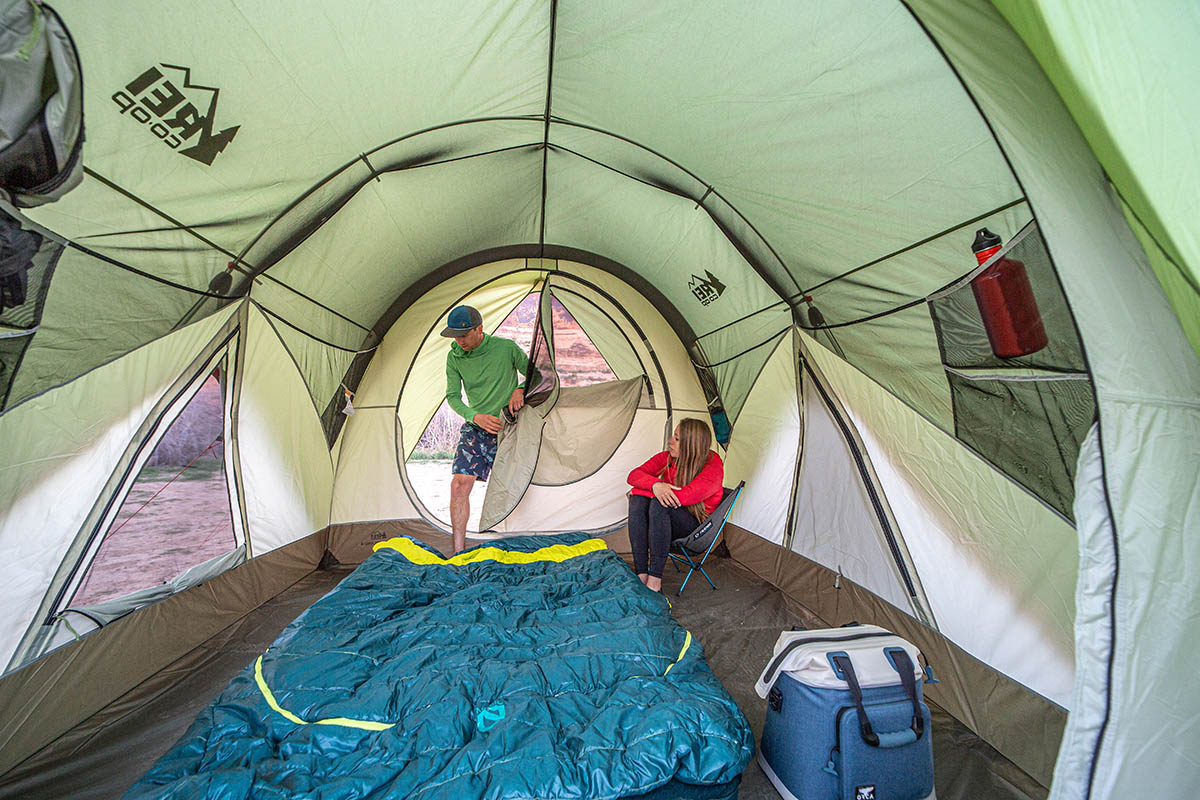
:max_bytes(150000):strip_icc()/tal-rei-co-op-trail-hut-2-person-tent-sarah-barber-18-1-df678bd5c7304725baa9c350782e4e24.jpeg)
Source: travelandleisure.com
What Does Durability Mean In Tents?
Durability is not one thing. It is a mix of strength, wear, and care. In simple terms, a durable tent resists tears, holds its shape in wind, shrugs off UV, and survives many trips.
Key parts of durability:
- Structural strength. The frame resists wind, snow, and rough handling.
- Fabric integrity. The canopy and floor resist tearing, abrasion, and UV.
- Weatherproofing. Coatings stay waterproof after many wet-dry cycles.
- Hardware reliability. Zippers, buckles, and guyouts do not fail under load.
- Repairability. Parts are easy to fix in the field.
Why this matters for What Is The Most Durable Tent? Because “durable” can mean different things. It may mean bombproof in storms. Or it may mean it lasts many summers in harsh sun. Your true need drives the best answer to What Is The Most Durable Tent? for your use.
Source: switchbacktravel.com
Materials That Decide Durability
I start with material science because it sets the ceiling for strength and lifespan. The right fabric and poles often matter more than brand marketing.
Fabric types
- Nylon 6,6 with high denier. Great tear strength, good abrasion. Often used in expedition tents. Look for 40–70D canopies and 70–210D floors.
- Polyester. Better UV resistance than nylon, but a bit less strong for the weight. Good for long sun exposure.
- Dyneema Composite Fabric (DCF, UHMWPE). Very high tensile strength and low stretch. Great in storms for weight. Not great for abrasion or folding creases. Repairs are simple with tape, but long-term creases can crack the film.
- Cotton canvas (treated). Very UV stable, very abrasion resistant, and easy to repair. Heavy and bulky. Needs proper drying to prevent mildew.
Coatings and treatments
- Silicone on both sides (sil/sil). High tear strength, great longevity. Needs seam sealing with silicone-based sealers.
- PU coatings. Good initial waterproofing and taped seams. It can hydrolyze over time if stored damp.
- Durable water repellent (DWR). Helps shed rain but is not a waterproof layer.
Poles and frame
- DAC TH72M aluminum or 7001/7075-T6. Proven strength-to-weight. Great elastic recovery.
- Composite poles (e.g., advanced fiberglass or carbon blends). It can flex well in the wind. Quality varies by maker.
- Thick pole diameters and more crossings equal better stability and load sharing.
Hardware and stitching
- YKK zippers in #8 or #10 sizes last longer in grit and ice.
- Bartacked and web-reinforced guyouts keep stress from tearing fabric.
- Box or lap seams with strong thread reduce seam creep.
What Is The Most Durable Tent? Look for these cues on a spec sheet: high-denier outer and floor, sil/sil nylon or quality polyester, DAC poles, robust guyouts, and large zippers. Those clues point to real, tested staying power.

Source: outdoorgearlab.com
Tent Designs Built To Last
Design spreads the load. Shape decides how a tent fights wind and snow. This is where durability meets geometry.
Common durable designs
- Geodesic domes. Many pole crossings. Very stable in wind from any angle. Classic for high-alpine use.
- Tunnel tents. Long, arched poles with strong end-to-end strength. Great for the wind when pitched in the direction. Roomy and lighter than domes for the space.
- A-frame or ridge tents. Simple, strong lines. Less common in modern nylon tents but proven in canvas.
- Canvas wall tents. Steel or aluminum frames. Thick canvas fabric. Built to live outside for months.
Which design lasts longest in storms?
A true geodesic or strong tunnel is best. Geodesic handles shifting winds well. A tunnel is excellent when set with the nose into the wind and well guyed.
Which design lasts longest under the sun?
Canvas wall tents and high-quality polyester fly tents last longest. UV is a slow killer. Canvas wins for the Daily Sun over the months.
What Is The Most Durable Tent? Top Picks By Use Case
Here is the real-world answer to What Is The Most Durable Tent? It depends on how you use it. I group choices by the abuse they face.
For extreme alpine storms and winter
- Pick an expedition-grade, double-wall, geodesic tent. Think two to three poles with many crossings, DAC aluminum, sil/sil fly, and a thick floor.
- Why is it most durable here? Pole geometry spreads wind load, fabrics resist tears, and the inner tent stays dry in spin drift and ice.
- Examples of what to look for. 40–70D fly fabric, 70–210D floor, 7000-series poles, high-count guy points.
For long-term sun and Basecamp life
- Pick a canvas wall tent with a sturdy frame. Treated cotton duck resists UV better than most synthetics and is easy to repair.
- Why is it most durable here? Canvas breathes, handles abrasion, and can be patched. With good drying, it will last many seasons.
For harsh wind but lower weight trips
- Pick a tunnel tent from a premium maker with high-tenacity nylon. It will be stable when pitched into the wind and give great space-to-weight.
- Why is it durable? Long fiber yarns and sil/sil coatings keep tear strength high, and the tunnel form sheds gusts when guyed.
For thru-hikes and ultralight storms
- Pick a DCF tent if you prize strength-to-weight. But know its limits.
- Why is it durable for its weight? DCF has superb tensile strength and does not sag when wet. It will not be the “most durable tent” for daily rocky camps or long UV.
So, What Is The Most Durable Tent? If your world is big wind and snow, the answer is an expedition geodesic. If your world is months outside in the sun, the answer is a canvas wall tent. Both are kings in their arenas. This is the honest way to answer What Is The Most Durable Tent? without hype.

Source: whiteduckoutdoors.com
How To Test Durability In The Real World
I use a simple checklist during reviews and trips. You can do the same at home or on a shakedown camp.
Practical tests
- Wind test. Pitch in a safe, open area. Add all guy lines. Note pole deflection and noise. Re-pitch into the wind and compare.
- Fabric test. Press a dull spoon on the floor over gravel. Check for scuffs. Good floors show marks but not fibers pulling.
- Seam and zipper test. Run zippers with grit present. Open and close doors 50 times. Weak sliders snag early.
- Water test. Hose down from different angles. Look for misting, seepage at seams, and pooling.
- UV check. Track color fade and hand-feel after full-sun weekends. Nylon that gets crispy fast will age out early.
Why does this help answer What Is The Most Durable Tent? Because durability shows in small failures first. Catch them before a big trip.
Source: gearjunkie.com
Care, Maintenance, and Storage To Extend Durability
A great tent can fail if you treat it poorly. Small habits add years of life.
Easy habits that pay off
- Dry fully before storage. PU coatings hate damp. Canvas grows mildew.
- Use a footprint. It saves your floor from cuts and grit.
- Clean zippers. Brush out sand and add a touch of zipper lube.
- Re-tension guy lines. Replace frayed cord and bent stakes.
- Re-proof as needed. Refresh DWR and seam seal where needed.
These steps matter for What Is The Most Durable Tent? Because care multiplies built-in strength. A strong tent plus good habits equals the best return on your money.

Source: durstongear.com
Common Mistakes That Kill Tent Lifespan
I see the same errors again and again.
Avoid these pitfalls
- Storing damp. This ruins coatings and invites mold.
- Sun baking. Leaving a nylon tent in the yard all summer speeds UV death.
- Over-tightening. Cranking guy lines can deform poles and seams.
- Skipping a footprint on rough ground. Floors are not magic shields.
- Packing sharp items inside. Punctures start small and spread.
If you want to solve What Is The Most Durable Tent? in practice, do the basics well. The best build can only do so much if you fight it.
Source: switchbacktravel.com
Real-World Lessons From The Field
On a spring trip in Patagonia, our group split gear. A partner used a lightweight three-season dome. I used an expedition geodesic. A cold front brought 60 mph gusts. Their tent bowed, and a pole kinked. Mine held shape with only a few loud flaps. That day shaped how I answer What Is The Most Durable Tent for windy places.
Guiding desert basecamps, I tried polyester and nylon, then moved to a small canvas wall tent. Setup took longer, but the canvas shrugged off sun and grit. At week four, zippers on the nylon fly were gritty, and the fly felt tired. The canvas looked almost new.
Mistakes I have made
- I once stored a PU-coated tent slightly damp. A season later, it smelled sweet, and the coating peeled. Lesson: Dry is non-negotiable.
- I skipped a footprint on granite. The floor scuffed fast. Lesson: A cheap groundsheet saves the most expensive part.
Practical tips you can use
- Match the tent to the trip. That is the real key to What Is The Most Durable Tent?
- Carry a small repair kit. Tape, needle, thread, zipper slider, and a spare pole sleeve.
- Guy, every point before storms. Durability grows with proper pitch.

Source: outdoorgearlab.com
Frequently Asked Questions: What Is The Most Durable Tent?
Is a canvas wall tent more durable than nylon?
Yes for long sun, abrasion, and daily use. Nylon can be stronger for weight and better in storms when built as a four-season geodesic.
What denier fabric should I look for in a durable tent?
Aim for 40–70D for fly sheets and 70–210D for floors. Higher denier often means better abrasion and tear resistance.
Are aluminum poles stronger than carbon for tents?
High-grade aluminum, like DAC TH72M, is the standard for strength and resilience. Some composites flex well, but quality varies.
How long should a durable tent last?
With good care, an expedition nylon tent can last 8–12 years of regular trips. A canvas wall tent can last decades if dried and maintained.
Does Dyneema (DCF) make the most durable tent?
DCF is very strong for its weight and does not sag when wet. It is not the most durable for abrasion, folding, or long UV exposure.
Conclusion
Durability is not a single winner. The most durable tent for alpine storms is a double-wall, expedition geodesic with strong poles and high-denier fabric. For long-term sun and basecamp life, a treated canvas wall tent stands above the rest. Decide where you camp, then choose the build that matches that abuse. That is how to answer What Is The Most Durable Tent? with confidence.
Take the next step. List your top trips this year, match them to the right tent class, and invest once. Want more gear deep dives and field tips? Subscribe, share your questions, or leave a comment with your use case.