


What Is The 3-3-3 Rule For Camping? | Essential Tips
What Is The 3-3-3 Rule For Camping? Learn how this simple camping rule helps you stay safe, plan smarter, manage time, distance, and weather efficiently, and enjoy stress-free outdoor adventures. It means drive 300 miles, arrive by 3 pm, and stay three nights.
If you have wondered What Is The 3-3-3 Rule For Camping?, you are in the right place. I have used this simple rule on long road trips and short weekend loops. It keeps travel calm, safe, and fun. Below, I explain the rule, why it works, and how to use it with real examples and expert tips.
What Is The 3-3-3 Rule For Camping?
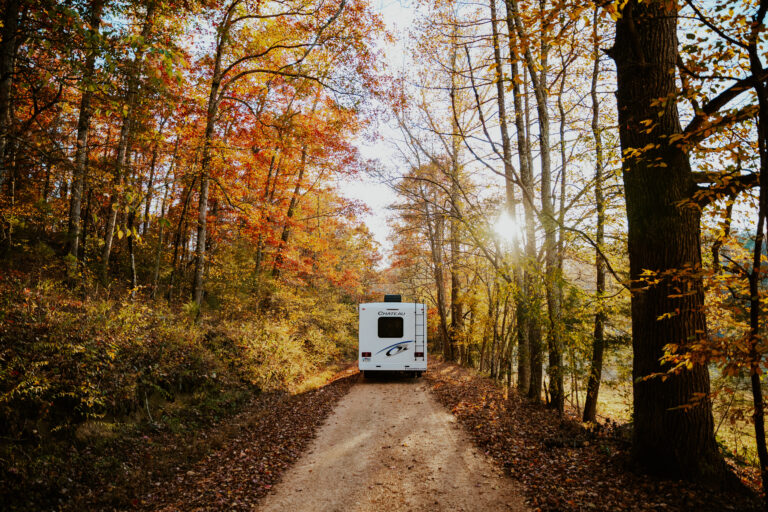
The 3-3-3 rule is a simple way to plan travel days. It says you should drive no more than 300 miles in a day, arrive at your site by 3 pm, and stay for at least three nights. Many RV campers use it to cut stress and boost comfort.
You will see a few versions. Some say stop every three hours to rest, arrive by 3 pm, and stay three nights. Others follow the 330 rule, which is 330 miles or stop by 3:30 pm. The spirit is the same. Keep days short, get in early, and settle in for a real break.
Why does this matter? It helps you avoid late arrivals, bad sites, and burnout. It also improves safety and gives time to enjoy each place. If you ask What Is The 3-3-3 Rule for Camping?, think of it as a rhythm for better trips.

Why This Rule Works: Safety, Energy, and Enjoyment
Shorter drive days make you safer on the road. Fatigue raises crash risk. Long drives cut focus and slow reaction time. Road safety data shows that tired driving acts like driving while impaired. A cap of nearly 300 miles keeps alertness high.
Arriving by 3 pm has two big wins. First, you get more site choices before parks fill. Second, you have daylight to set up, cook, and relax. That reduces stress and avoids night setups, which are tough in wind or rain.
Staying three nights gives your body a break. You sleep better and spend a full day exploring. It also saves money and fuel since you move less. When people ask What Is The 3-3-3 Rule For Camping?, I say it is a balance of safety and joy.

How To Apply The 3-3-3 Rule Step By Step
Follow these steps to put the rule to work today.
- Set your daily cap
Choose a 250 to 300-mile cap. If you tow or have kids, use fewer miles. This answers What Is The 3-3-3 Rule For Camping? with a plan that fits you. - Pick a 3 pm target
Work backward from check-in times. Add fuel, food, and rest stops. Build a 30 to 60 minute buffer. - Book three nights
If the site is great, you can extend. If not, you still get one full day to see the area. - Add rest breaks
Stop every two to three hours for 15 minutes. Stretch, hydrate, and do a quick rig check. - Plan a simple first night
Use easy meals. Avoid long hikes or heavy chores. Let everyone reset. - Review and adjust
At the end of each stop, note what worked. Make small changes for the next leg.
Real-World Examples and Itineraries
Here is a simple three-day loop that follows the rule.
- Day 1
Leave at 8 am. Drive 260 miles with two short stops. Arrive at 2:15 pm. Set up, walk the loop, and cook an easy meal. - Day 2
Spend a full day at the park. Hike in the morning. Nap or read in the shade. Check the gear and fill the water. - Day 3
Do a short local trip. Visit a museum or a lake. Prep for the next leg.
On a spring trip through canyon country, I stayed strict with time and miles. We found better sites, saw more sunsets, and spent less. The plan held even when the wind picked up. If a friend asks What Is The 3-3-3 Rule For Camping?, I share this story, since the gains are clear and real.

Common Variations And When To Adjust
Life is not one size fits all. Tune the rule to your crew and road.
- 2-2-2 rule
Drive 200 miles, arrive by 2 pm, and stay two nights. Great for new drivers or young kids. - 330 rule
Drive up to 330 miles or stop by 3:30 pm. Useful on interstates with good rest stops. - Weekend sprint
For short breaks, keep the 3 pm target but stay two nights. You still get one full day to relax. - Weather days
In heat, wind, or snow, cut speed and miles. Add more stops and start early. - Boondocking
If you camp off-grid, aim to arrive even earlier. Sunlight helps with site scouting and setup.
Use common sense. The heart of What Is The 3-3-3 Rule For Camping? is to stay fresh, safe, and present.

Mistakes To Avoid And Pro Tips
Avoid these common traps, and use these tips to get the most from the rule.
- Pushing past 3 pm
Late arrivals reduce site choices and raise stress. Set a hard cut-off. - Ignoring buffer time
Traffic and fuel stops add up. Add at least 30 minutes of buffer to each leg. - Skipping rest days
A full day in place helps you recover. Protect that day. - Poor fuel planning
Know your range. Plan stops near the last third of your tank. - No daylight setup
Set up in daylight when you can. It is safer and simpler. - Pro tip
Share drive roles if you can. Rotate every two hours to keep sharp. - Pro tip
Keep a one-page arrival checklist. It saves time and avoids missed steps. - Pro tip
Use a simple meal plan for move days. Think one-pan meals and no-bake sides.
If someone asks What Is The 3-3-3 Rule For Camping?, you can add that it works best when paired with solid prep.

Gear, Apps, And Planning Tools That Help
Smart tools make the rule easier to follow day after day.
- Navigation and stops
Use a map app with live traffic. Add rest stops, fuel, and food every two to three hours. - Camp finders
Use campground apps with reviews and filters, sort by check-in times and site size. - Weather and safety
Check wind, heat, and storms. Adjust departure times to dodge bad windows. - Checklists and logs
Keep setup and teardown lists. Track miles, fuel, and notes to refine your plan. - Power and water
For off-grid stops, bring extra water jugs and a power bank. Arrive early to charge in the sun.
Plan with care, and you will feel the calm that comes with a good rhythm. This is the core of What Is The 3-3-3 Rule For Camping? and why it endures.
Frequently Asked Questions: What Is The 3-3-3 Rule For Camping?
What Is The 3-3-3 Rule For Camping?
It means drive up to 300 miles, arrive by 3 pm, and stay three nights. It is a guide, not a law, but it works well for most campers.
Is the rule only for RVs, or can tent campers use it?
Tent campers can use it too. The rule reduces long drive fatigue and lets you set up camp in daylight.
Is 300 miles always the right distance?
No. Choose a range that fits your rig, road type, and crew. Many people do better at 200 to 250 miles on two-lane roads.
What if I cannot arrive by 3 pm?
Use the idea, not the exact time. Aim to get in before dusk and build a buffer to handle delays.
How do I use the rule on a long cross-country trip?
Break the route into 250 to 300-mile legs. Book three nights when you can, then add two-night stops to fit your timeline.
Does staying three nights save money?
Often yes. You spend less on fuel and may get lower nightly rates. You also cook more at camp and avoid late check-in fees.
How does this rule help with stress?
Short days and early arrivals cut rushed setups and poor sleep. You enjoy each stop more and feel ready to drive again.
Conclusion
The 3-3-3 rule turns road miles into a steady, calm flow. Keep days short, arrive early, and stay long enough to breathe. You will see more, spend less, and feel better on the move. If someone asks What Is The 3-3-3 Rule For Camping?, you can now answer with skill and proof from the road.
Try it on your next trip. Start with one leg at 250 to 300 miles and a 3 pm arrival. Then share your results, subscribe for more trip tips, or leave a comment with your best route hacks.






2 Comments