


What Is The 200 Rule For Camping? | Leave No Trace Guide
What Is The 200 Rule For Camping? Learn how 200 feet keeps campsites, water, and wildlife safe with simple Leave No Trace steps. Quick tips for cleaner trips. Stay 200 feet from water, trails, and campsites to protect nature and you. What Is The 200 Rule For Camping? It is a simple distance rule that keeps you, wildlife, and water safe.
I have taught this rule on many trips. Follow along, and you will learn how to use it with confidence, in any terrain, without guesswork.

Source: smarcamp.com
What Is The 200 Rule For Camping?
The 200 Rule says you should be at least 200 feet from water, trails, and other camps when you camp, wash, or go to the bathroom. That distance helps keep rivers clean and gives people and wildlife space. It is a core part of Leave No Trace and many park rules.
When people ask What Is The 200 Rule for Camping?, I give this checklist:
- Camp 200 feet from lakes, rivers, streams, and wetlands.
- Dig catholes 200 feet from water, trails, and camps.
- Wash dishes and yourself 200 feet away, and scatter strained water.
- Keep your kitchen and food trash 200 feet from your sleeping area.
If you are still unsure about What Is The 200 Rule for Camping is, think of it as a protective buffer zone. It lowers impact and makes your camp safer and quieter.
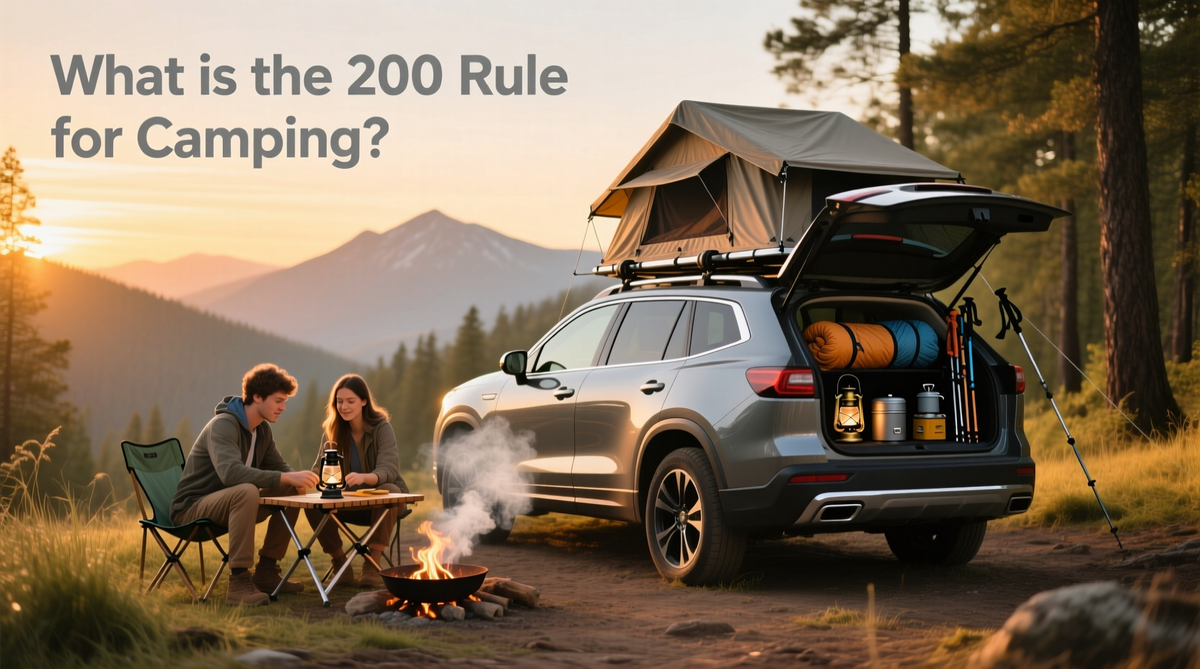
Source: alibaba.com
Why The 200 Rule Matters
The 200-foot buffer protects water quality. Soaps and food bits harm streams, even if they are labeled biodegradable. Distance lets soil filter water before it reaches a creek.
It also protects wildlife. Many animals use water edges as highways. Space reduces stress on them and lowers close encounters.
There is a safety gain. Distance from trails gives privacy and less foot traffic. Distance from other camps reduces noise and food smells. Agencies and Leave No Trace both recommend or require this standard in most places.
How To Apply The 200 Rule Step By Step
You do not need a tape measure. Use these simple methods.
- Count your paces. For many adults, 65 to 75 big steps is about 200 feet. Practice at home so you know your count.
- Use a map app. Many apps can draw a line and show distance. Drop a pin at the water and walk until you see 200 feet.
- Use landmarks. A basketball court is about 94 feet long. Picture a bit more than two courts.
Now put it to work:
- Picking a campsite. Find a durable surface. Walk 200 feet from the water and trails. Look for flat ground and wind cover.
- Bathroom routine. Walk 200 feet from the water, trails, and camp. Dig a 6 to 8-inch deep cathole. Do your business. Cover and disguise. Pack out toilet paper where required.
- Dishwashing and bathing. Carry water to your site. Wash with a small amount of water. Strain food bits and pack them out. Scatter greywater 200 feet from water.
- Kitchen setup. In bear country, use the triangle method. Keep your sleeping area, kitchen, and food storage about 200 feet apart.
When you wonder What Is The 200 Rule for Camping? in practice, it is this simple, repeatable routine you do every time.

Source: udpwr.com
Real-World Examples And Scenarios
Car camping near a lake. The site looks perfect right on the shore. It is not. Move back to the second or third row of sites. Cook and wash well away from the beach.
Backpacking in alpine country. Camps are scarce above treeline. I pace out 200 feet from the tarn. I pitch on rock or gravel, then carry water back to camp to cook.
Desert canyon. Water is rare. The banks are fragile. Camp on durable sand or bedrock away from the stream. Pack out all waste if rules require waste bags.
Rainy forest. Trails flood and grow mud ruts. Camp 200 feet off the trail on a firm spot. You protect the trail and your sleep.
These scenes show why and how rolled into one. They also show how What Is The 200 Rule For Camping? guides good choices fast.
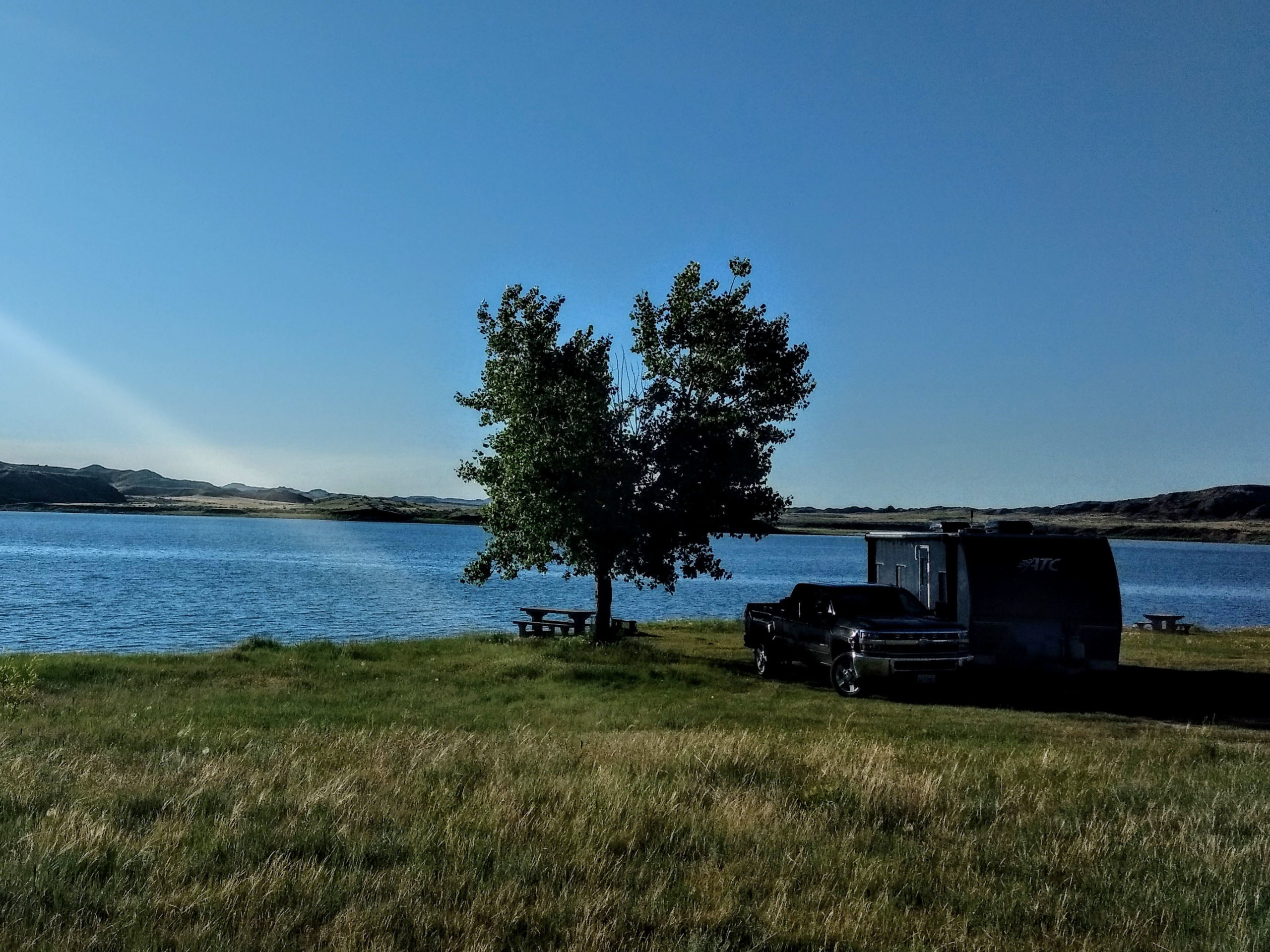
Source: boondockersbible.com
Benefits And Limitations
Key benefits:
- Cleaner water and healthier wildlife corridors.
- Less crowding, more privacy, and a better night’s rest.
- Lower chance of attracting animals with food smells.
Limitations and exceptions:
- Follow local rules first. Some parks set 100-foot or 300-foot limits. Many alpine zones require camping on existing sites, even if closer to water.
- Winter snow can change the game. Waste breaks down slowly. Some areas require you to pack it out.
- Fragile desert crust and tundra need extra care. Choose very durable surfaces, even if it means walking farther.
When people ask What Is The 200 Rule for Camping?, I add this caveat. The rule is a default. Local regulations always come first.

Source: wta.org
Common Mistakes To Avoid
- Camping right on a shoreline for the view.
- Washing dishes at the water’s edge.
- Burying toilet paper or wipes that animals will dig up.
- Forgetting to move 200 feet from the trails for privacy.
- Ignoring posted rules and seasonal closures.
Small choices have big effects. Use the 200-foot buffer, and these mistakes vanish.
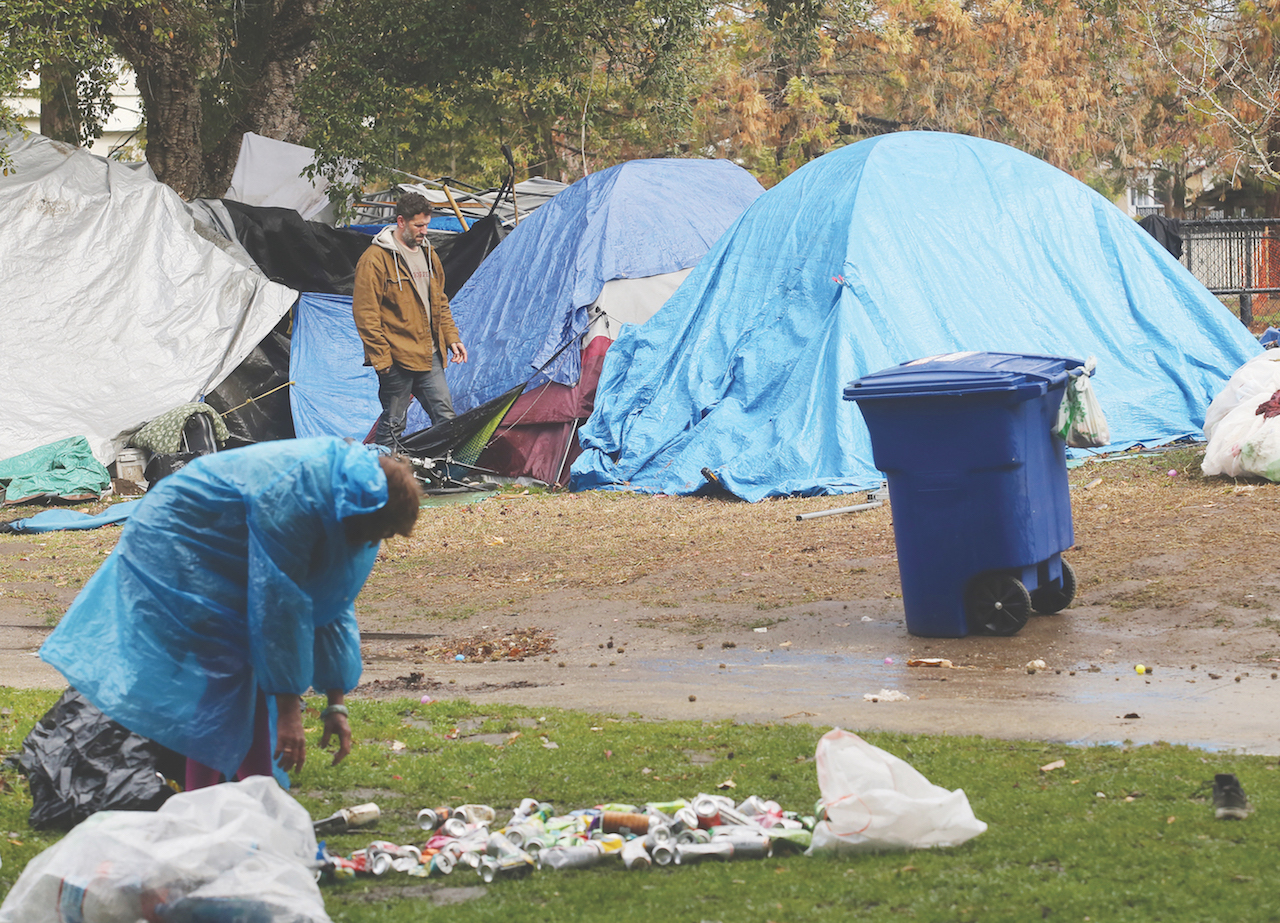
Source: pressbanner.com
Related Rules And Concepts
- Leave No Trace. Plan ahead, travel on durable surfaces, dispose of waste the right way, leave what you find, minimize campfire impacts, respect wildlife, and be considerate of others.
- Cathole basics. Walk 200 feet from water, trails, and camps. Dig 6 to 8 inches deep. Cover and disguise.
- Greywater. Strain food bits. Pack them out. Scatter the water 200 feet away to spread the impact.
- The camp triangle. In bear country, keep your tent, kitchen, and food storage areas about 200 feet apart.
- Local regulations. Many agencies, including national parks and forests, align with this standard or publish similar distances.
These ideas support the same goal as What Is The 200 Rule For Camping?. They all reduce impact and keep you safe.

Source: ebay.com
Gear And Planning Checklist For The 200 Rule
- Map app with offline maps and a distance tool.
- Small trowel and sealable bags for toilet paper or wag bags where required.
- A collapsible water container to carry water 200 feet to camp.
- Biodegradable soap is used sparingly or not at all.
- Headlamp for late walks to the bathroom area.
- Bear canister or hang kit in bear country.
- A micro strainer or bandana to filter dishwasher bits.
This kit makes the What Is The 200 Rule For Camping? easy to follow on every trip.
Quick PAA-Style Answers
- How far is 200 feet without tools? For most adults, about 70 big steps. Practice in a field to learn your pace.
- Does the 200 Rule apply to washing hands? Yes. Carry a small bottle and sanitize at camp. Do not wash at the water’s edge.
- What should I do with toothpaste spit? Spit into a small hole or disperse it 200 feet from water. Use tiny amounts.
What Is The 200 Rule for Camping? It also covers these small, daily habits that add up.
Frequently Asked Questions: What Is The 200 Rule For Camping?
Is the 200 Rule a law or a guideline?
It is a widely used guideline and part of Leave No Trace. Some parks make it a rule, so always check local regulations.
How do I measure 200 feet in the dark?
Use your known pace count and a headlamp. Count your steps from camp or the water’s edge.
Can I use biodegradable soap near a stream?
No. Even biodegradable soaps can harm aquatic life. Use a small amount, 200 feet from water, and scatter the greywater.
What if the only flat spot is near water?
Look harder for a durable spot farther back, even if it is smaller. If the area requires camping on established sites, use them and follow posted rules.
Do I need to pack out toilet paper everywhere?
Many popular areas now require it. If not required, burying can still be messy, so packing it out is the cleanest choice.
Conclusion
The 200-foot buffer is simple, fast, and effective. It protects water, animals, and your own trip. Use it when you pick a site, wash, cook, and go to the bathroom.
Make What the 200 Rule For Camping? part of your muscle memory. Pace it out, set a clean camp triangle, and lead by example. If this guide helped, share it with a friend, subscribe for more practical tips, or leave a question so we can help you plan your next safe, low-impact trip.