
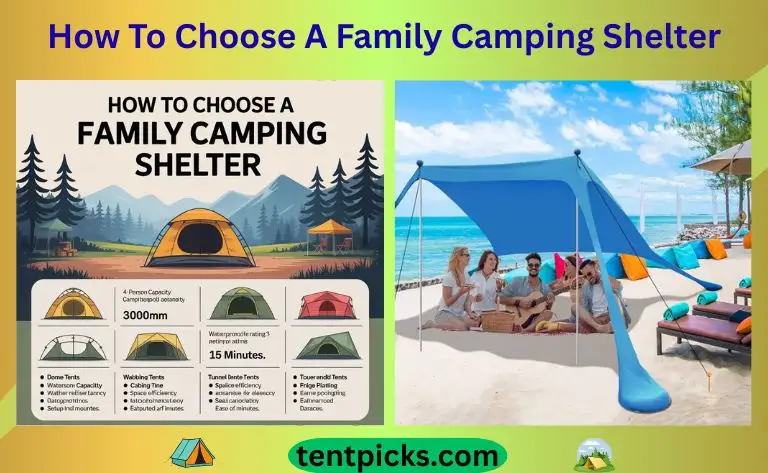
How To Choose A Family Camping Shelter? | Get Best Advice
How To Choose A Family Camping Shelter? Discover expert tips on picking the best family camping tent or shelter for comfort, space, weather protection, and easy setup. Learn about tent size, waterproof ratings, ventilation, durability, and budget-friendly options to make your outdoor adventure safe and stress-free. Choose by trip style, season rating, true capacity, and easy setup.
You want more than a dry night. You want a base camp that keeps your crew happy. In this guide, I’ll show you how to choose a family camping shelter with clear steps, tested tips, and real stories from the field. If you have asked how to choose a family camping shelter, you are in the right place to make a smart, confident pick.

Source: amazon.com
Set Your Trip Style And Priorities
Before you learn how to choose a family camping shelter, start with how you camp. Your style shapes every choice.
Ask these simple questions.
- How many nights do you camp each year? More nights reward better gear.
- Do you car camp, hike short miles, or overland on rough roads?
- Do you chase sun, shoulder seasons, or winter snow?
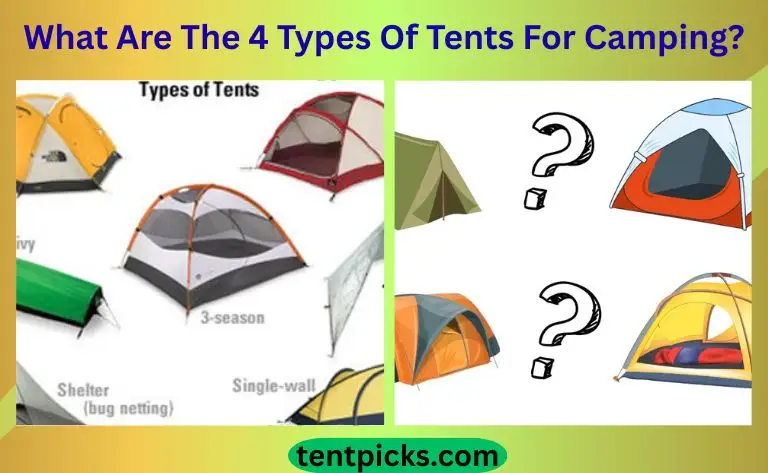
Match shelter type to your trips.
- Cabin tents give room and comfort. Great for car camping and mellow sites.
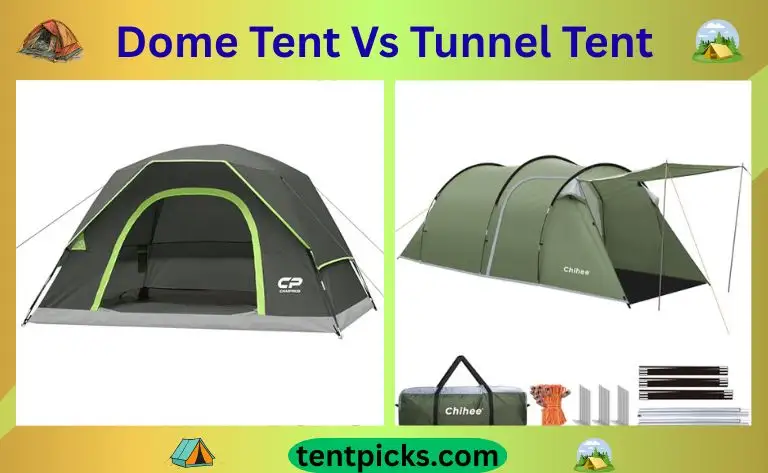
- Dome and tunnel tents boost wind strength. Good for breezy coasts and open deserts.
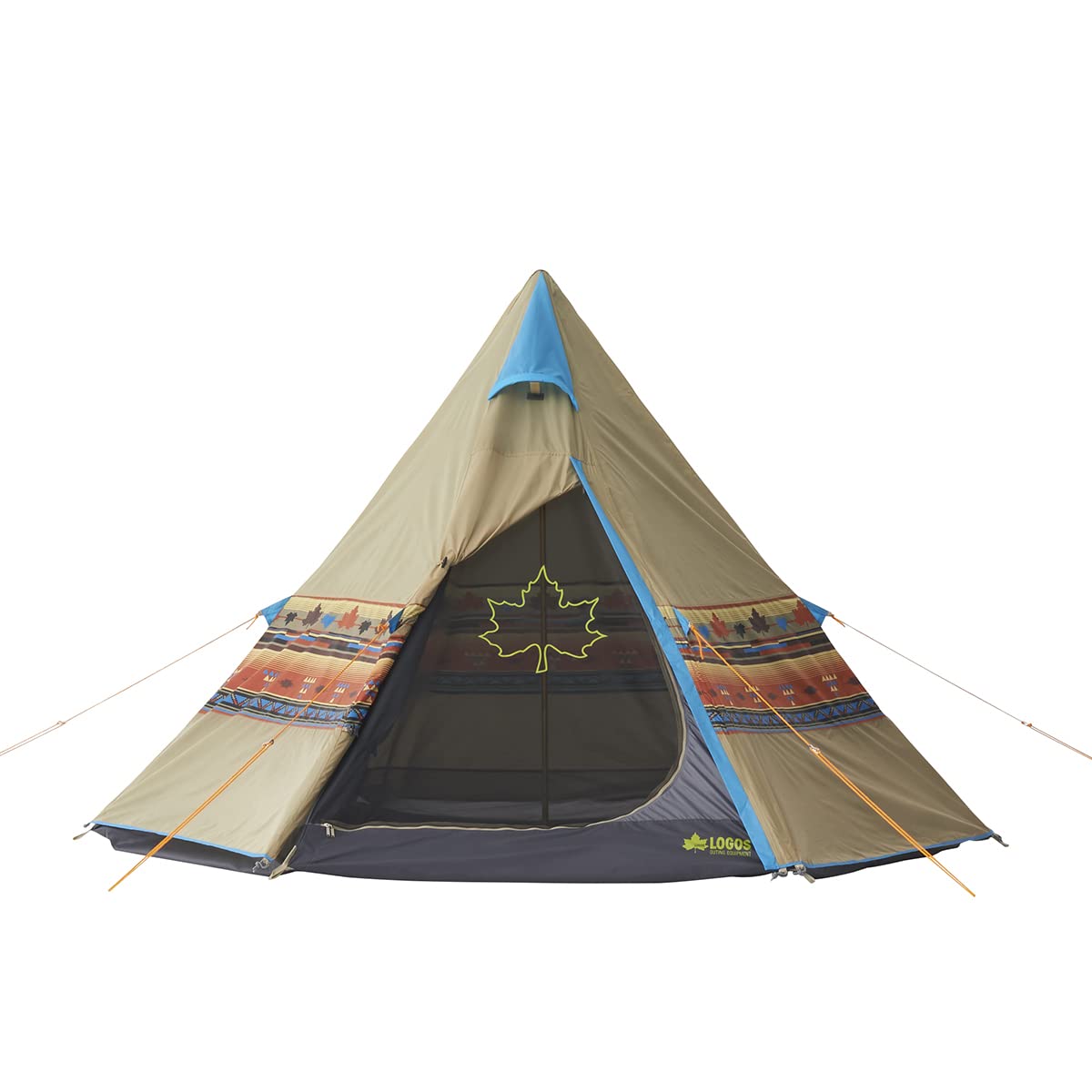
- Tipi or bell tents feel special and vent well. They need bigger sites and care.
Set your top two goals. Common pairs are fast setup and headroom, or storm strength and low weight. This focus makes choosing a family camping shelter much easier.
Source: porchlightrental.com
Get The Right Size And Layout
Capacity labels lie. A “6-person” tent often sleeps four in comfort when you think about how to choose a family camping shelter, plan space for real people and gear.
Use this simple rule.
- For small kids, add one extra “person” to the size.
- For teens or pets, add two.
- For bad weather trips, add two or three.
Look for smart layouts.
- Tall peak height for standing to dress and parent.
- Two doors for late-night exits without crawling over sleepers.
- One big room for together time, or a divider for naps and privacy.
A real example: Our “8-person” cabin felt perfect for two adults, two kids, a dog, and duffels. That is how to choose a family camping shelter without cramped mornings.

Source: amazon.com
Seasons, Weatherproofing, And Wind
Storms test every seam. If you want to know how to choose a family camping shelter that holds up, match it to the weather you will see.
Know the ratings.
- 3-season works for spring to fall. It balances airflow and rain defense.
- 3-4 season adds stronger poles and more fly coverage for rough winds.
- 4-season is for snow and high wind. It runs warm and needs skill.
Key rain and wind signs.
- A full fly that reaches near the ground keeps the wind and rain out.
- A 1500 to 3000 mm hydrostatic head on the fly sheds steady rain.
- A bathtub floor with taped seams blocks splash.
Stake and guy the tent well. Good anchors beat fancy fabric in a blow. That is the real trick in how to choose a family camping shelter that stays put.

Source: ezup.com
Materials That Matter
Materials decide how the tent lasts and feels. If you ask how to choose a family camping shelter, look past the color and read the tags.
Focus on these items.
- Poles: Aluminum is light and strong. Fiberglass is cheaper but can splinter. Steel is stout but heavy.
- Fabric: Poly resists stretch when wet. Nylon can be lighter and tougher by weight. Denier numbers hint at thickness.
- Coatings: PU is common and cost-friendly. Silicone sheds water and boosts tear strength.
Also note UV resistance and seam tape quality. The sun breaks gear faster than storms. Store the tent dry and shaded, and you add years.

Source: amazon.com
Set up Speed And Pitch Systems
Fast, simple setup saves patience at dusk. When teaching how to choose a family camping shelter, I always set the tent up at home first.
Look for setup helpers.
- Color-coded poles and clips cut guesswork.
- Hubbed or pre-attached pole sets speed up the build.
- External sleeves add strength but may be slower.
Try this test in the yard.
- Build it alone once. Then build it with your kid.
- Time runs both. Aim for under 15 minutes for big tents.
- Pack it, then rebuild in the dark with a headlamp.
If you can pitch it fast at home, you can pitch it anywhere. That is core to how to choose a family camping shelter that works on day one.
Source: amazon.com
Ventilation, Condensation, And Comfort
A dry tent is a happy tent. Many folks forget airflow when thinking about how to choose a family camping shelter.
Vent for both warm and cool nights.
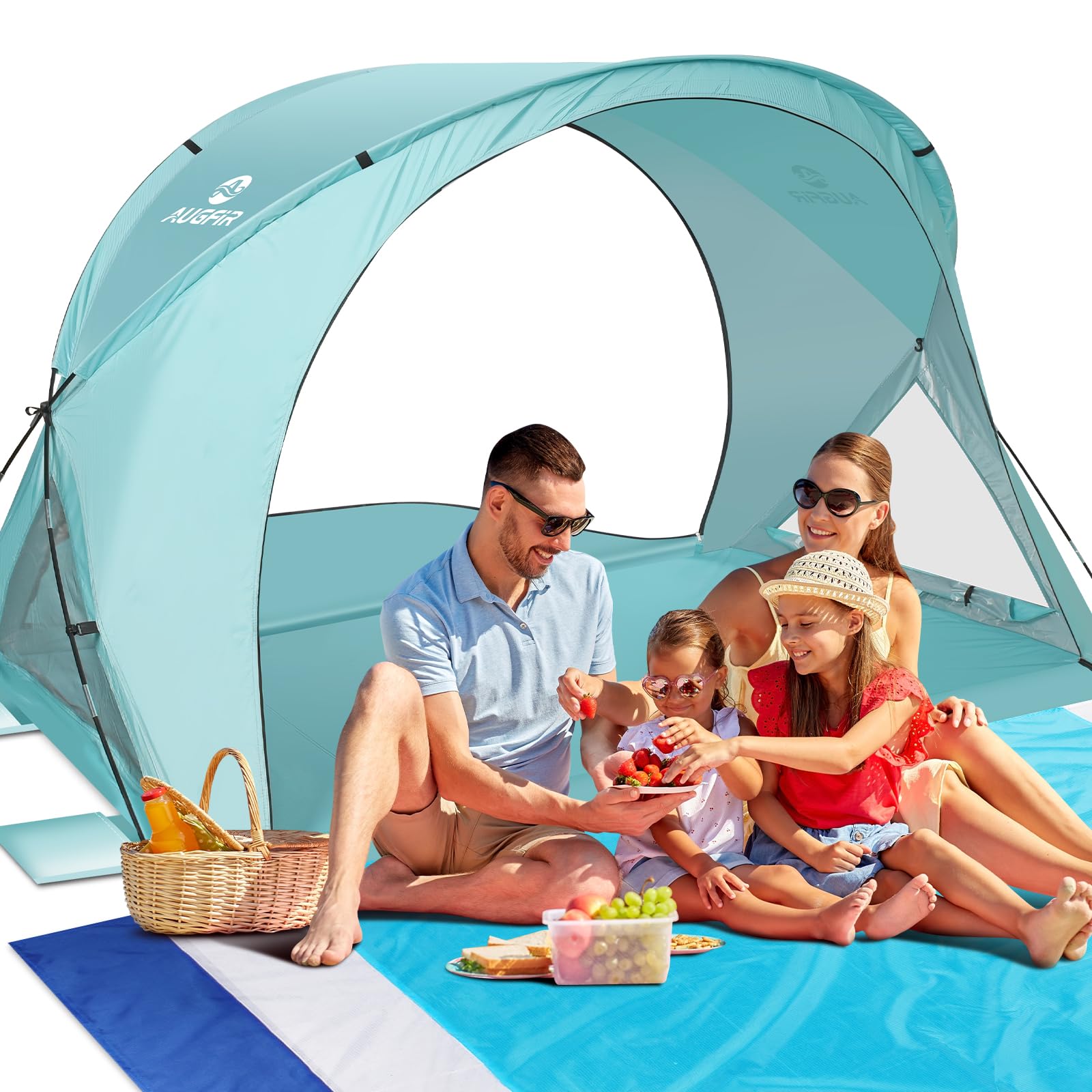
- Large mesh panels move air and cut summer heat.
- High and low vents create a breeze even with the fly on.
- A gap between the fly and inner helps moisture escape.
Reduce condensation with small habits.
- Keep a vent open even in the rain.
- Store wet coats in a vestibule, not inside.
- Avoid cooking inside unless the tent is made for it.
Your family will sleep better when air flows well. That comfort matters as much as waterproof ratings.

Source: porchlightrental.com
Floors, Footprints, And Vestibules
A strong floor keeps mud and leaks out. Many buyers skip this piece when asking how to choose a family camping shelter.
Look for durable floors.
- Thick fabric with a bathtub cut is your best friend.
- Factory seam taping boosts defense in long storms.
Use a footprint or groundsheet.
- It guards the floor from sticks and rocks.
- It keeps resale value high and saves on repairs.
Value of vestibules.
- Dry space for shoes, bags, and a camp chair.
- A small awning lets you crack the door in the rain.
One stormy weekend, our vestibule saved the day. Wet boots stayed outside, and the floor stayed clean. That choice is part of how to choose a family camping shelter you will love.
Weight, Packed Size, And Transport
Car camping gives you room, but weight still matters. Trunk space fills fast with kids. To master how to choose a family camping shelter, check the packed size too.
Keep it realistic.
- If you move camp often, lighter and smaller feels better.
- If you base camp, a bigger bag may be fine.
Think carry paths.
- Can you carry the bag from the car to the site in one go?
- A duffel with handles is easier to haul than a long tube.
- Split loads: poles in one hand, body in another.
Take a tape measure to the store. Check your trunk opening. Those inches can save stress.
Safety And Kid-Friendly Features
You asked how to choose a family camping shelter that feels safe. Look for details that protect small hands and help you, parent, after dark.
Useful features.
- Low sills and wide doors reduce trips.
- Reflective guylines and zipper pulls prevent night falls.
- Smart pockets keep headlamps and keys easy to find.
Think about fabric and flame claims.
- Many brands remove old flame treatments by default now.
- Keep heat sources clear and never use open flames inside.
- Teach kids the “no run lines” rule around guylines.
Add a nightlight or dim headlamp looped at the peak. Calm kids sleep faster, and so do you.
Budget, Value, And Warranty
Price tells part of the story. The trick to choosing a family camping shelter is buying once, not twice.
Where to spend more.
- Poles and fly fabric. These handle wind and wear.
- Floor quality. It takes the most abuse.
Where to save.
- Extra rooms you may not use.
- Novelty add-ons that break or add weight.
Check warranty terms and parts support. Can you buy a spare pole, stake, or clip? Brands that support parts help you extend the life of your tent.
Field-Test Checklist You Can Use Today
Here is a short plan that shows how to choose a family camping shelter with confidence. Run this test before your return window closes.
Do this at home.
- Pitch the tent twice, once alone and once with help.
- Spray with a hose for five minutes. Look for leaks.
- Lie down where you will sleep. Check head and foot clearance.
- Open and close all zippers ten times. They should glide.
- Sit inside with the fly on. Assess airflow and light.
- Pack it back in the bag without a fight.
On your first trip.
- Stake and guy every point. Note any rub or flap.
- Track morning condensation. Adjust vents and doors.
- Note any pain points to fix or swap before the next trip.
Follow this plan, and you will know how to choose a family camping shelter that fits your people, your weather, and your weekends.
Frequently Asked Questions on How To Choose A Family Camping Shelter?
How big should my family tent be?
Most families should size up by one or two people from the label. If storms or gear load are likely, size up by two or three.
What is a good waterproof rating?
A fly rating of 1500 to 3000 mm is fine for most trips. The floor should be equal to or higher than sealed seams.
Are aluminum poles worth the extra cost?
Yes, for frequent trips or windy sites. They bend rather than snap and last longer than basic fiberglass.
Cabin tent or dome tent for families?
Cabins offer space and comfort inside the campsite. Domes handle wind better and can be faster to pitch.
Do I need a footprint?
A footprint protects the floor and boosts resale value. It also keeps mud down and makes cleanup easy.
Conclusion
You now know how to choose a family camping shelter that suits your trips, your weather, and your crew. Focus on real capacity, storm defense, fast setup, and airflow. Test it at home, and your first night out will feel like a win.
Pick a model, run the checklist, and plan that weekend. If you found this useful, share it with a friend, subscribe for more field guides, or leave a question so I can help you dial in your next shelter.