


Are Air tents or pole tents better for camping?
Are Air tents or pole tents better? Which one truly suits your camping style? This guide compares setup time, durability, stability, and value to help you choose the right tent. Learn the pros and cons of inflatable tents vs traditional pole tents for a smarter camping upgrade.
Air tents are better for speed and comfort; pole tents win on weight and price. If you are asking Are Air Tents or Pole Tents Better?, you want a clear, real-world answer. I have pitched in wind, rain, and heat.
This guide blends hands-on testing with industry data so you can choose with confidence. Read on for a simple, honest breakdown that keeps the focus on Are Air Tents Or Pole Tents Better? for your trips.
What Are Air Tents and Pole Tents?
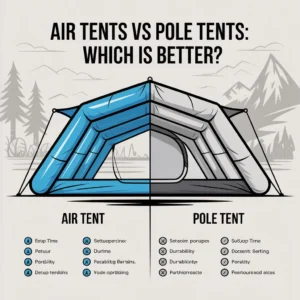
Air tents, also called inflatable tents, use air beams instead of metal or fiberglass poles. You inflate the beams with a hand pump or an electric pump. The beams give the frame shape and flex in the wind.
Pole tents use aluminum, steel, or fiberglass poles. The poles slot into sleeves or clips. This classic design is proven, light for its strength, and easy to repair with simple parts.
I will use the question Are Air Tents Or Pole Tents Better? as a guide as we compare use cases, comfort, and value. The answer depends on how you camp, who comes with you, and your budget.

Quick Comparison: Pros and Cons
Both options work well. The real test is your style, weather, and load.
Air tents’ advantages:
- Fast setup: One person can pitch a family tent in 5–8 minutes.
- Stable in gusts: Beams flex and spring back under wind.
- Fewer snag points: No poles to thread through sleeves.
Air tents drawbacks:
- Heavier and bulkier packs for the same size.
- Higher price due to beams and valves.
- Needs a pump and pressure checks in big temperature swings.
Pole tents advantages:
- Lower cost at most sizes and classes.
- Lighter and more compact, great for hikers and small cars.
- Simple spares: A pole repair sleeve can save a trip.
Pole tents drawbacks:
- Poles can snap in very strong winds.
- Setup can take longer for large family models.
- More moving parts to sort, especially at night or in the rain.
As you weigh Are Air Tents Or Pole Tents Better?, start with this map of trade-offs. Then match it to your trips and gear.
Pitching Speed and Ease of Use
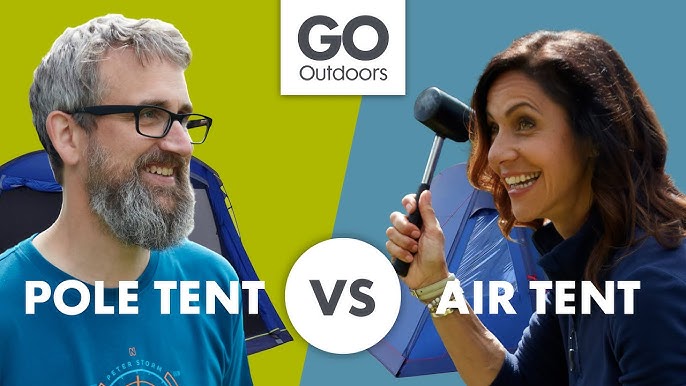
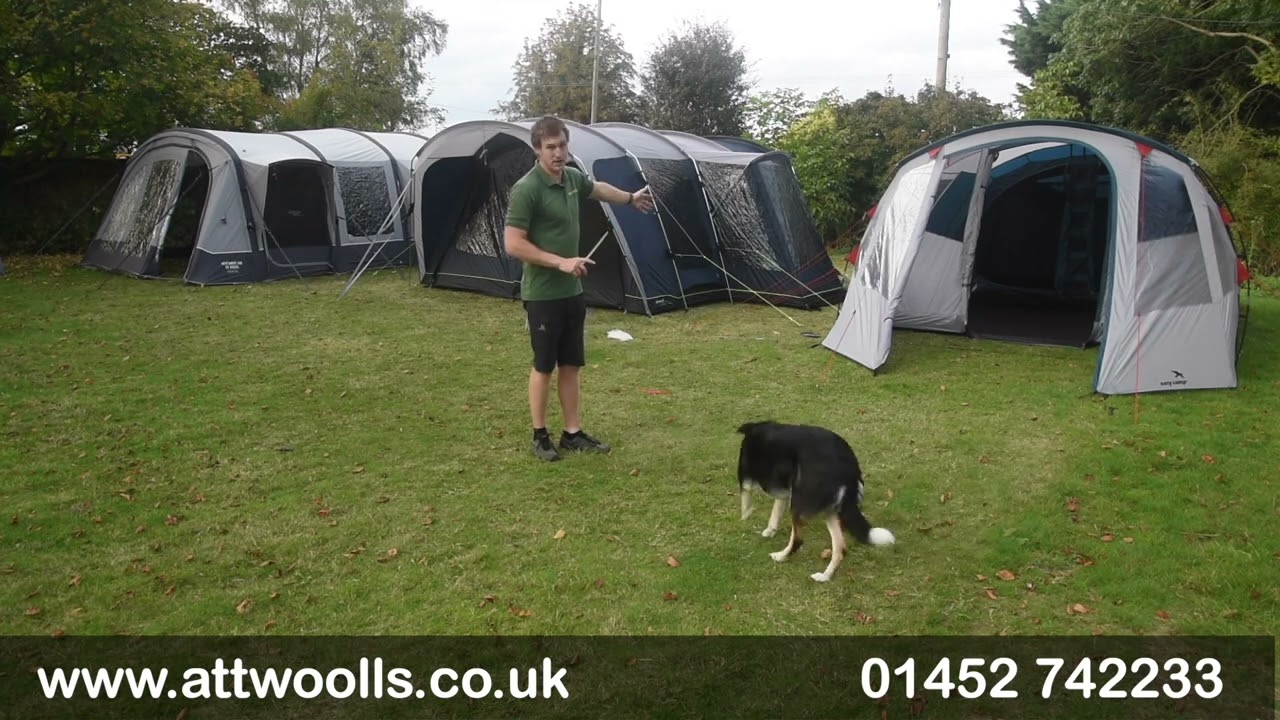
I can pitch a 6-person air tent solo in under 10 minutes in steady rain. With a pole tent of the same size, I often need a second person or 15–20 minutes. Speed matters when the weather turns or the kids are restless.
Most air tents inflate to about 5–9 PSI. One valve per beam makes it simple. A double-action pump puts it up fast. Pole tents are quick in small sizes, but big family tents take time to sort poles and sleeves.
If your top question is Are Air Tents Or Pole Tents Better? for setup, air tents usually win for simplicity and speed. Pole tents win for small backpacking models.
Durability and Weather Performance
Wind: Air beams bend and recover, which helps in gusts. I have sat through 35–45 mph gusts where beams flexed but did not fail. Poles can snap under side load, though good aluminum ones hold up well.
Rain: Both styles are only as good as their flysheet, seam tape, and hydrostatic head. Look for at least 2000–3000 mm for three-season family use. Venting is key to reducing condensation in both.
Temperature: Air pressure drops in cold and rises in heat. Check and top up in the evening and mid-day. Poles do not need pressure checks, but can get brittle in extreme cold.
If you worry about storms and ask, Are Air Tents Or Pole Tents Better? for wind, air tents often edge ahead. For alpine exposure or snow load, strong pole tents with geodesic frames still lead.
Weight, Pack Size, and Transport
Weight is where pole tents shine. For backpacking, a 2–to 3-person pole tent is the easy pick. Air tents add the pump and heavy beams, which boost both weight and pack size.
For car camping, extra weight matters less. In that case, air tents offer comfort and speed. If trunk space is tight, a pole tent packs smaller for the same floor area.
When friends ask, Are Air Tents Or Pole Tents Better? for road trips with a small car, I suggest a compact pole tent or a smaller air model. Pack space sets the limit.

Repairs, Maintenance, and Longevity
Air tents have bladders inside sleeves. Punctures are rare, but they can happen. Patches are quick if you find the leak. Valves and zippers also need care, just like any tent.
Pole tents are easy to fix in the field with a repair sleeve and tape. Fiberglass poles can splinter; aluminum bends or snaps. Carry spares on longer trips.
For the question Are Air Tents Or Pole Tents Better? in the long run, both last if you dry them after trips, store them out of the sun, and clean zippers. Poles are simpler to service anywhere. Air beams need basic patch skills.
Cost and Value Over Time
Air tents tend to cost 1.5x to 3x more than similar-sized pole tents. You pay for beams, valves, and design. If you camp often with family, the time saved can be worth it.
Pole tents offer strong value, especially for first-time buyers. Upgrades to better poles and fabric can still undercut the price of a large air tent.
People ask me, Are Air Tents Or Pole Tents Better? for tight budgets. Pole tents win on cost and resale ease. Air tents win on convenience and comfort.
Best Use Cases and Recommendations
Choose an air tent if:
- You camp with kids and want a fast, stress-free setup.
- You camp on windy coasts or open fields and value flex over rigid strength.
- You want big living spaces and tall headroom with fewer poles to manage.
Choose a pole tent if:
- You hike, bikepack, or paddle and need a light, small pack.
- You want lower cost with simple parts that you can repair anywhere.
- You camp in snow or high alpine zones with geodesic frames.
So, Are Air Tents Or Pole Tents Better? The best is the one that fits how you travel, who you camp with, and what weather you face.
How to Choose: A Simple Decision Framework
Use this quick score method. Rate each item 1–5 for both tent types, then add them.
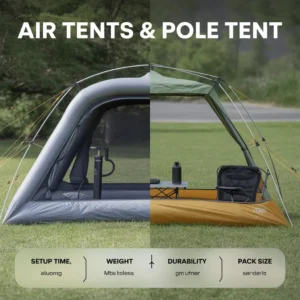
- Set-up speed: Air tents score higher for family sizes.
- Weight and pack size: Pole tents are suitable for hiking or small cars.
- Storm performance: Air tents for gusty rain; pole geodesics for alpine.
- Repair ease: Pole tents are simpler on the trail.
- Budget: Pole tents are more affordable.
If you still wonder, Are Air Tents Or Pole Tents Better?, try renting both for a weekend. Hands-on time beats specs on a page.
Real-World Lessons From the Field
On a wet weekend in the Lakes, I pitched an air tent in seven minutes with a headlamp. My friends with a big pole tent took twenty in the wind and drizzle. The dry gear and calm kids were worth the air tent’s extra cost that night.
In a desert trip, our midday heat pushed beam pressure up. We let out a little air and rechecked at dusk. That simple habit kept the tent stable. These small routines answer Are Air Tents Or Pole Tents Better? with a nod to care and context.
Performance Myths, Tested
- “Air tents pop in the wind.” Good beams flex and recover under high gusts. Failures are rare with proper pitching and guying.
- “Pole tents are always lighter.” True for small sizes. Large steel-poled family tents can be as heavy as big air tents.
- “Air tents are hard to fix.” Patches are simple with a clean, dry surface. Practice once at home.
Use facts, not myths, to decide Are Air Tents Or Pole Tents Better? for your needs.
Frequently Asked Questions of Are Air Tents Or Pole Tents Better?
Are Air Tents Or Pole Tents Better for Families?
Air tents, due to faster pitch and roomy layout, suit family trips. Pole tents can work well if you want a lower cost and do not mind a longer setup.
Are Air Tents Or Pole Tents Better in Strong Winds?
Air tents handle gusts with flex and rebound. High-end pole tents with geodesic frames are better for alpine winds and snow.
Are Air Tents Or Pole Tents Better for Backpacking?
Pole tents are better because they are lighter and pack smaller. Air tents are best for car camping and base camps.
Are Air Tents Or Pole Tents Better for Beginners?
Air tents are easier to pitch and less fussy under time pressure. Pole tents are still fine if you practice at home once or twice.
Are Air Tents Or Pole Tents Better for tight budgets?
Pole tents are more affordable in most sizes. Air tents cost more but can save time and stress if you camp often.
How long do air beams hold pressure?
Good beams hold for days under normal temperatures. Check pressure in the morning and late afternoon during heat or cold snaps.
Can I repair an air tent in the field?
Yes, with a patch kit, alcohol wipes, and dry time. Mark the leak, clean, patch, and let it cure before reinflating.
Conclusion
Both designs are strong, proven, and comfortable when matched to the right trip. If speed and comfort matter most, air tents are hard to beat. If weight, budget, and simple fixes matter, pole tents still rule.
Use this guide to answer Are Air Tents Or Pole Tents Better? for your next camp. Choose, practice at home, and hit the road with a clear plan. Want more gear tips?
Subscribe, ask a question, or share your own tent wins in the comments.




2 Comments