

How To Stay Dry In A Tent When It’s Raining?
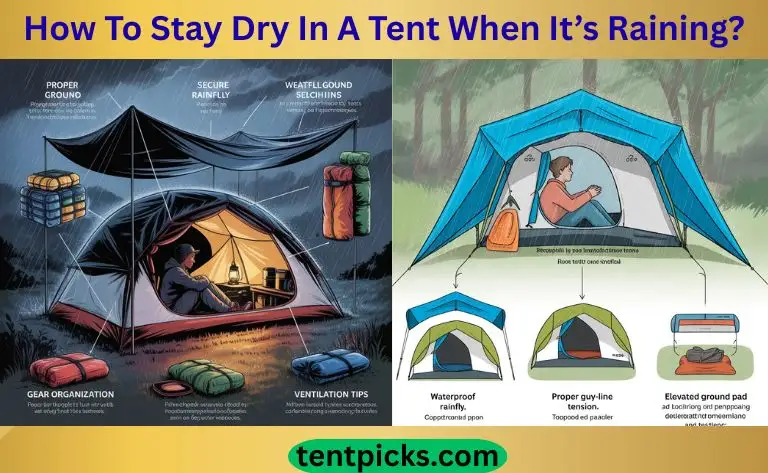
How To Stay Dry In A Tent When It’s Raining? Discover practical tips, gear recommendations, and proven strategies to keep your tent waterproof, comfortable, and dry during any camping trip.
I have camped through week-long storms, mountain squalls, and humid summer downpours. I’ve learned what keeps you dry, and what soaks you fast. In this guide, I share the exact steps I use to stay comfortable, warm, and dry.
You will learn how to pick a safe campsite, set up your shelter the right way, and manage condensation. If you want a clear, simple plan for how to stay dry in a tent when it’s raining, this is it.
Plan Smart Before It Rains
Good planning prevents wet gear and damp sleep. A few choices made at home can save your trip.
- Check the forecast. Look for total rainfall, wind direction, and gust speeds. Strong wind changes where you pitch and how you stake.
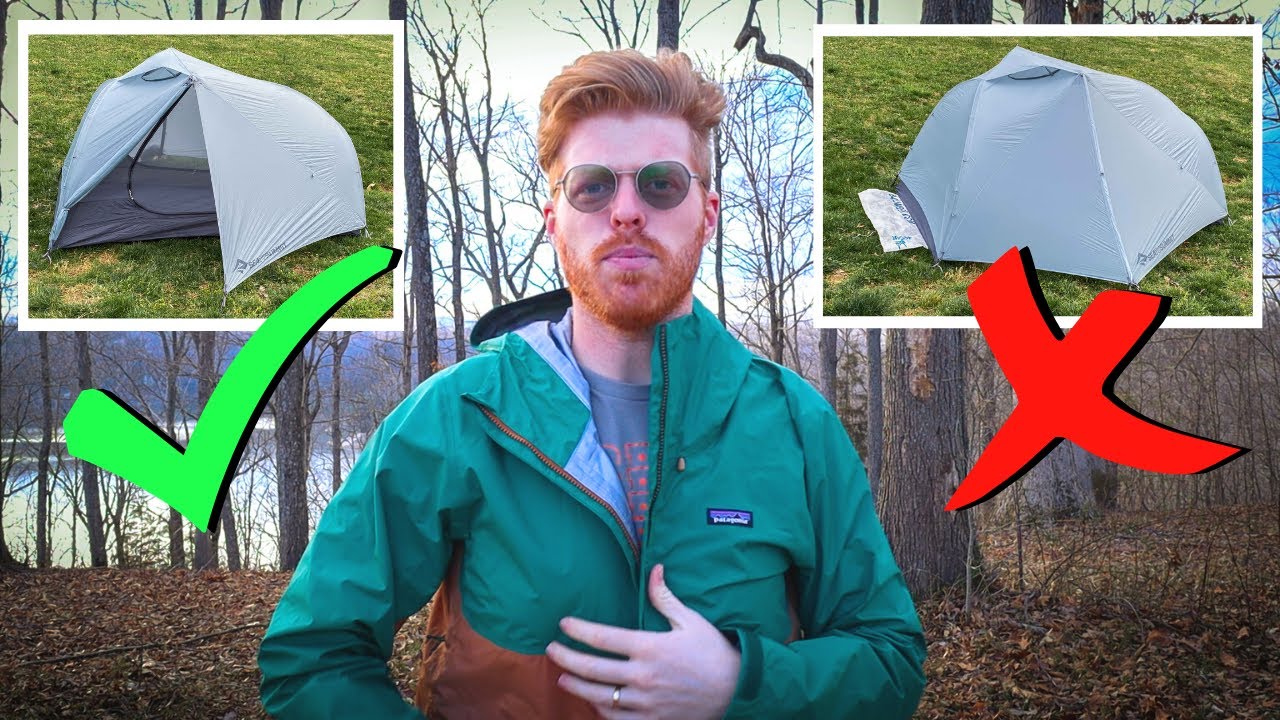
- Pack the right tent. Use a double-wall tent with a full rainfly that reaches near the ground. Single-wall tents can work, but they need excellent ventilation.
- Bring a footprint. Choose one that is a bit smaller than the tent floor. This stops water from pooling under you.
- Pack a small repair kit. Add seam sealer, extra guylines, cord tensioners, a few stakes, duct tape, and a pole sleeve.
- Use dry bags. Separate sleep gear, clothes, and food. Line your backpack with a trash compactor bag for backup.
- Choose the right stakes. In soft ground, longer stakes hold better. In rocky soil, use Y or V stakes.
Personal tip: I always pre-seal seams at home and test my tent with a garden hose. If it leaks in the yard, it will leak in the wild.

Stay Dry In A Tent When It’s Raining, Pick A Dry, Safe Campsite
Your site is half the battle. Where you pitch often matters more than what you pitch.
- Stay off low spots. Avoid depressions, gullies, and dry stream beds. These become water channels in storms.
- Seek gentle rise. A slight slope drains water away. Keep your head uphill for comfort.
- Avoid under dead limbs. Wind and rain can bring down branches. Look up before you set up.
- Use natural wind breaks. Shrubs, boulders, or terrain can block wind-driven rain.
- Watch the ground. Choose firm, well-drained soil. Avoid mossy pads and shiny clay that trap water.
Field note: On the Appalachian Trail, I once moved my tent up the hill by 10 feet when clouds rolled in. The lower site turned into a puddle within an hour.
Set Up The Tent For Rain, Not Sun
Small set-up tweaks make a big difference in heavy rain.
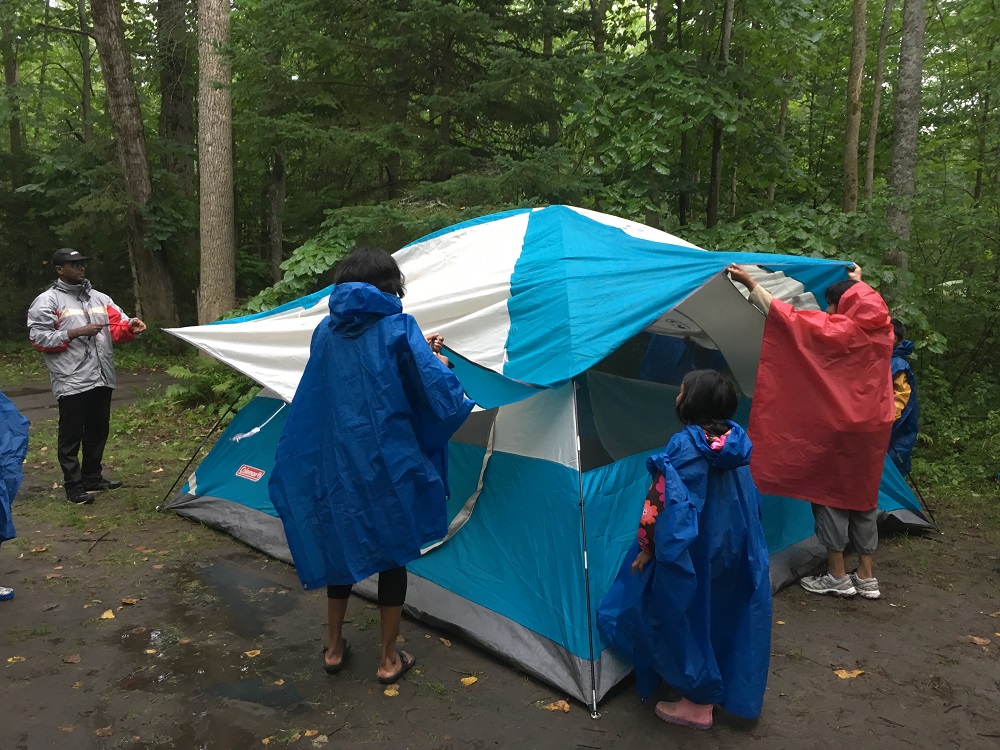
- Pitch the rainfly first, if possible. Some tents allow fly-first pitch to keep the inner dry.
- Keep the footprint tucked in. It should not stick out. If it does, it channels water under the floor.
- Tension the fly evenly. Tight fabric sheds water and reduces flap noise.
- Stake the corners well. Drive stakes at a 45-degree angle away from the tent for better hold.
- Angle the door away from wind. This cuts the chance of spray entering when you unzip.
- Create an overhang. Extend the fly or use a small tarp to give you a dry entry area.
Pro tip: Use a micro-adjust on guylines. Re-tension after 30 minutes of rain because nylon can sag when wet.
Master Guylines And Ventilation
Rain brings moisture outside. Your breath adds moisture inside. Manage both.
- Guy out the fly. Use every guy point you can. This pulls the fly off the inner wall and boosts airflow.
- Open vents high. Warm, moist air rises. High vents or a small gap near the peak helps it escape.
- Create a rain shadow. If your fly allows, crack the leeward side for airflow without letting rain in.
- Avoid wall contact. Keep your sleeping bag and gear from touching tent walls. Contact wicks water.
- Use the vestibule smartly. Keep wet gear here. Do not block airflow with piles of stuff.
Why it matters: Most “leaks” are actually condensation. On cool, wet nights, interior humidity condenses on the fly and drips. Good ventilation reduces this a lot.
Waterproofing: Seam Seal, DWR, And Floor Care
Your tent’s fabric and seams are a system. Maintain them to keep water out.
- Seal seams. Use the right sealer for your fabric. Silicone-coated nylon needs silicone-based sealer. Polyurethane coatings use PU-based sealer.
- Refresh DWR. Rain beads better on fly fabric with a fresh durable water repellent. Apply and heat-set per label.
- Inspect coatings. If the inside of the fly feels tacky or peels, the coating is failing. Repair with a re-coat product or consider replacement.
- Protect the floor. Use a footprint and keep debris out to prevent pinholes. Avoid chairs or hard edges on the floor.
- Dry and store loose. After trips, fully dry your tent. Store in a breathable sack, not compressed.
Evidence-backed note: Lab tests show DWR wear and hydrostatic head loss over time. Regular care restores performance and extends tent life.
Use A Tarp Or Awning To Create A Dry Porch
A small tarp expands your dry space and keeps rain out of the door.
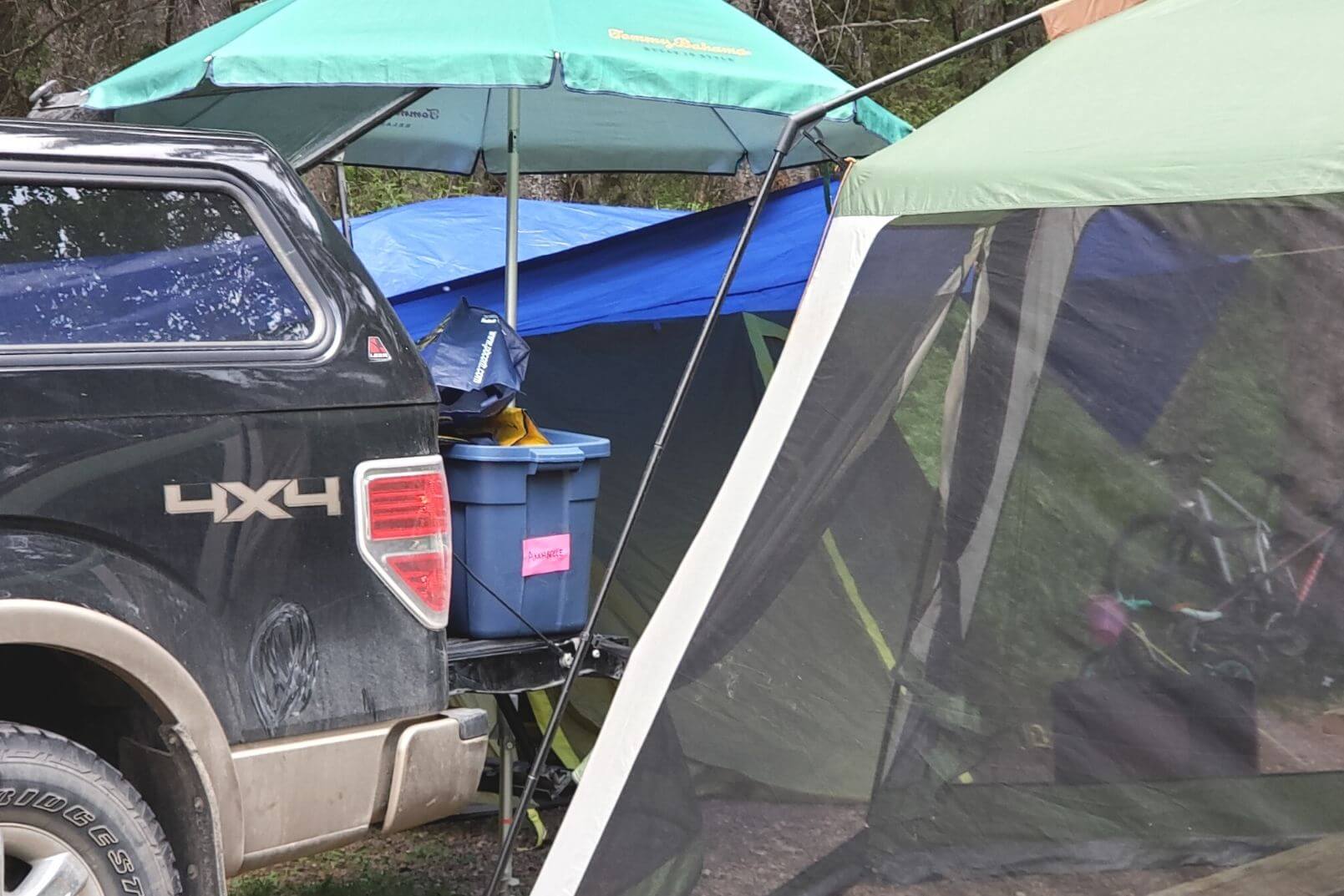
- Pitch a tarp above the tent door. Keep it higher than the fly for airflow and to avoid water pooling.
- Angle one side low. Point the low edge toward the wind to block driven rain.
- Use trees or trekking poles. Add extra guylines if wind picks up.
- Maintain runoff paths. Ensure water flows away from the tent and foot traffic.
Personal setup: I carry a light 8×10 tarp. In storms, it becomes my cooking and entry porch, and it keeps the tent interior clean.
Keep Gear Dry With Smart Habits
Staying dry is as much about behavior as gear.
- Change at the door. Swap wet rain gear in the vestibule. Keep a small camp towel handy.
- Bag your sleep system. Use a dry bag or pack liner for your sleeping bag and clothes.
- Manage wet items. Hang damp socks near a vent or under the tarp, not inside the sleeping area.
- Use a doormat. A small cut of foam or an extra cloth in the vestibule keeps mud out.
- Zip fast and clean. Brush off water before opening the tent. Open the leeward side if you can.
Quick routine: Before sleep, I do a two-minute check. Vents cracked, bag off the wall, wet gear in vestibule, guylines tight. It pays off at 3 a.m.
Sleep System And Clothing Choices That Stay Dry
Warm and dry sleep starts with the right layers and materials.
- Pick a synthetic or treated down bag. Water-resistant down helps in damp air. Synthetic insulates better when wet.
- Use a high-R sleeping pad. It insulates from cold, damp ground and blocks moisture migration.
- Wear dry base layers. Keep a set only for sleep. Store it in a dry bag.
- Add a breathable bivy or liner. It can protect from drips and reduce drafts under the fly.
- Vent your bag. Crack zippers to manage sweat. Moisture from sweat can soak insulation.
Reality check: Overheating is a common mistake. Sweat is water. Keep layers light and breathable to stay dry.
Cooking And Living In The Rain Without Flooding Your Tent
You can stay safe and dry with a simple setup.
- Cook under the tarp, not inside the tent. This avoids steam, smells, and carbon monoxide risk.
- Manage drainage. Kick small channels that guide water away from your living area if allowed and Leave No Trace compliant.
- Keep electronics high. Store them in a top pocket or a small dry bag.
- Rotate wet and dry zones. Keep one side of the vestibule for entry, the other for wet storage.
Safety note: Never use stoves in a closed tent. Combustion creates CO. Keep open airflow when cooking under a tarp.
How To Stay Dry In A Tent When It’s Raining? What To Do If Water Gets In
Sometimes, despite best efforts, water sneaks in. Act fast.
- Find the source. Check seams, zippers, and where the fly touches the inner.
- Re-tension the fly. Tighten guylines and restake windward sides.
- Mop with a camp towel. Wring outside. Repeat until the floor is dry.
- Elevate gear. Put a sit pad or empty pack under critical items.
- Patch minor leaks. Use repair tape inside. Seal when dry if needed.
Field fix: I once taped a tiny floor puncture with clear repair tape in a storm. It held for the rest of the trip and for two more weekends.
Common Mistakes To Avoid, Stay Dry In A Tent When It’s Raining
Learn these now and skip the soggy learning curve.
- Letting the footprint stick out. It channels water under your tent.
- Pitching in a bowl. Even a great tent floods in a bad spot.
- Ignoring ventilation. Condensation will soak gear from the inside.
- Touching the walls. Contact wicks water into bags and clothes.
- Skipping seam sealing. Factory seams are not always perfect.
Simple rule: Tight fly, smart site, steady airflow.
Frequently Asked Questions Of How To Stay Dry In A Tent When It’s Raining
Is A Footprint Necessary In The Rain?
A footprint helps protect the floor and reduces abrasion and punctures. It also prevents ground moisture from seeping up. Make sure it is slightly smaller than the tent floor.
How Do I Stop Condensation Drips Inside The Tent?
Ventilate. Guy out the fly to create space, open high vents, and avoid breathing straight into fabric. Keep wet gear out of the sleeping area. A small airflow reduces condensation a lot.
Should I Pitch Under Trees During Rain?
Light tree cover can block wind and reduce direct rain. But avoid dead branches and heavy sap drips. After storms, trees can drop branches in gusts.
What If My Tent Is Not Fully Waterproof?
You can improve it. Seal seams, reapply DWR to the fly, use a well-fitted footprint, and add a tarp over the door. If the coating peels or the floor wets out fast, consider repair or replacement.
Can I Cook Inside The Tent Vestibule?
Use caution. Cook only with ample airflow and never in a closed tent. It is safer to cook under a separate tarp. This keeps steam and fumes away from your sleeping space.
What Stakes Work Best In Wet Ground?
Longer Y or V stakes hold better in soft soil. In sand or snow, use wide anchors or bury deadman anchors. Always test pull before the storm hits.
Conclusion
Rain does not have to ruin your trip. With smart site choice, a tight fly, steady airflow, and good habits, you can stay dry, sleep well, and enjoy the sound of rain on fabric.
Start by sealing seams, packing a footprint, and practicing your pitch at home. On your next camp, use the quick checks in this guide and you will feel the difference.
Ready to make rainy nights cozy instead of chaotic? Try these tips on your next outing, share your results, and subscribe for more field-tested camping guides.