

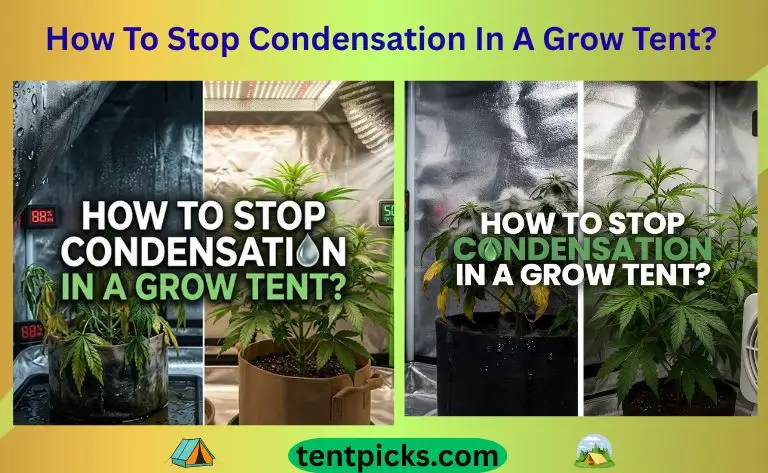
How To Stop Condensation In A Grow Tent? | Fast Fixes 2026
How to Stop Condensation In A Grow Tent with simple airflow, heat, and humidity fixes. Prevent mold, protect buds, and stabilize VPD for bigger harvests. Lower humidity, boost airflow, warm cold surfaces, and manage watering to stop tent drip. Moisture on tent walls is not a small thing. It steals yield. It invites mold.
I have tuned many tents in cold basements and hot lofts. In this guide, I show How To Stop Condensation In A Grow Tent with clear steps, real checks, and gear that works. Read on to lock in steady, dry air without stress.
What Is Condensation In A Grow Tent?
Condensation is water that forms when warm, wet air hits a cold surface. Air can hold only so much water at a set temperature. The dew point is that limit. When the tent skin or ducting is colder than the dew point, drops appear.
In a tent, this happens on walls, zippers, and ducts. It also hits trays, pots, and even leaves. Nighttime swings make it worse. Fans, heaters, and dehumidifiers all change this balance.
Know this first. If you ask How To Stop Condensation In A Grow Tent?, you must manage dew point, not just the number on a humidistat.

Source: reddit.com
Why Condensation Happens
Several small things stack up and make a wet tent. These are the big ones.
- High relative humidity. Plants transpire. Wet media and open water add more.
- Cold tent skin. Walls, poles, floors, and ducts chill fast when lights go off.
- Weak airflow. Still air near cold walls hits dew point first.
- Poor exhaust or intake. Old air sits. Fresh, dry air does not enter fast enough.
- Big lights-off drop. Heat falls fast. RH spikes as air cools.
- Overwatering. Runoff and wet trays act like small ponds.
- Too many plants. Dense leaves trap moist air in the canopy.
Fix the root cause, not the symptom. That is the heart of How To Stop Condensation In A Grow Tent?
Source: preair.com
How To Stop Condensation In A Grow Tent? A Simple Plan
Follow this step-by-step plan. Keep it tight and repeatable.
- Set targets. Aim for 60 to 70% RH in early veg. Aim for 45 to 55% in late flower. Keep temp steady between lights on and off.
- Move air. Place two to four oscillating fans to sweep walls and the canopy. No dead zones.
- Size exhaust right. Use 1 to 2 tent air changes per minute when wet. Use a speed controller for fine-tune.
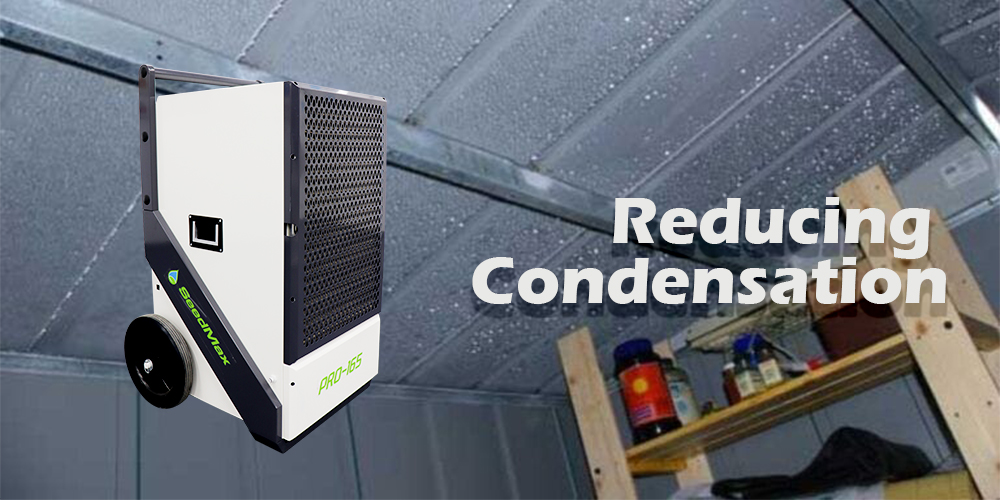
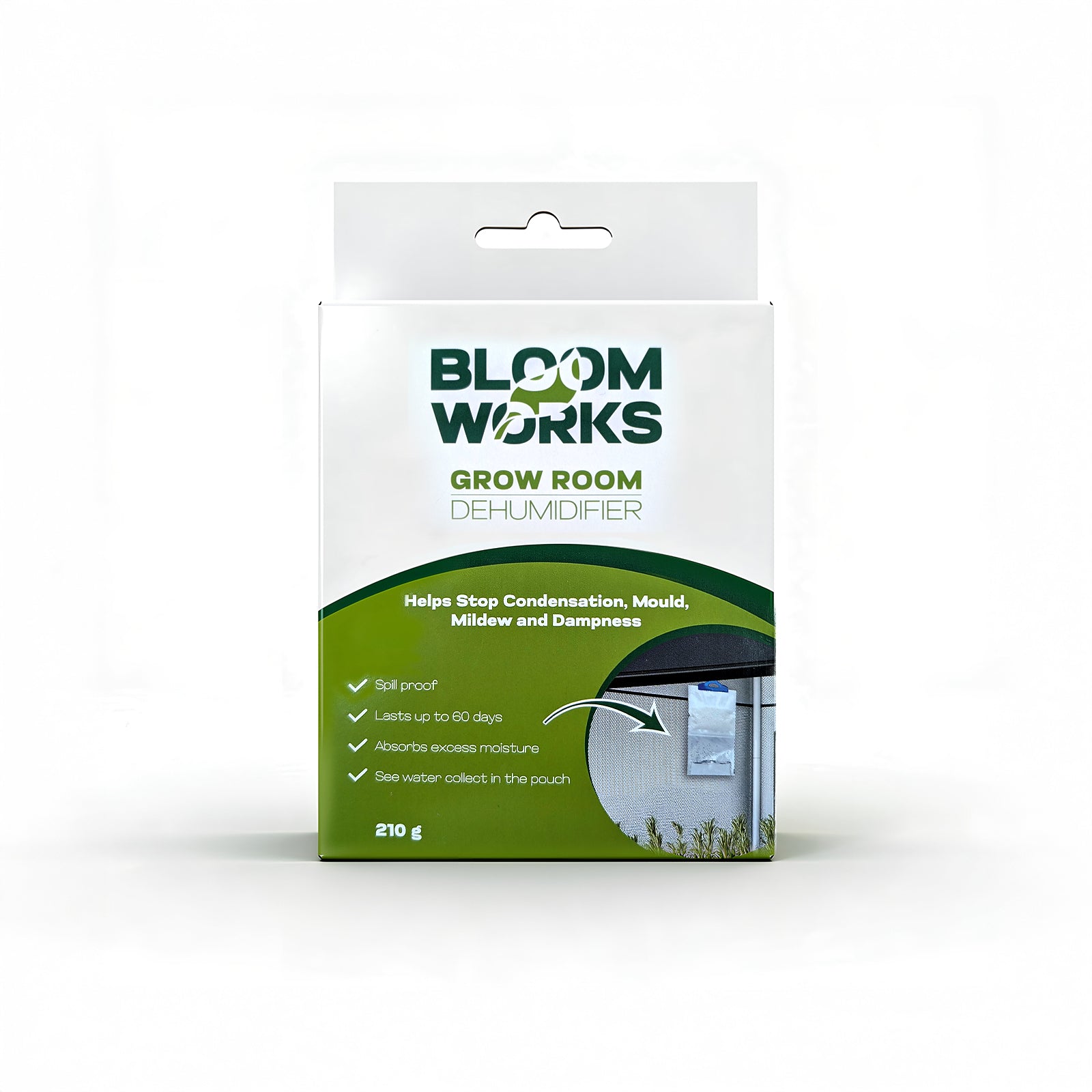
- Add a dehumidifier. Place it outside the tent and feed dry air in. Drain it to a sink or a sealed jug.
- Warm cold spots. Insulate the floor and the tent sides that face a cold wall. Wrap intake and exhaust ducts.
- Control lights-off swings. Use a small heater with a thermostat for nights. Keep the drop under 5 to 7°F.
- Manage water. Water to light runoff. Remove it at once. Cover open reservoirs and air stones with lids.
- Raise pots. Use risers and trays. Let air flow under the containers.
- Thin the canopy. Open the lower third. This stops trapped moist air under the leaves.
- Log data. Use sensors at leaf height and at a wall. Watch trends and adjust.
If you want the fast fix to How To Stop Condensation In A Grow Tent?, this plan covers it from root to rim.

Source: reddit.com
Humidity Targets And VPD Made Easy
Plants like a range. That range shifts by stage. Here is a simple map.
- Seedlings: 65 to 75% RH. 72 to 78°F. Gentle air.
- Veg: 55 to 70% RH. 72 to 82°F. More air.
- Early flower: 50 to 60% RH. 72 to 80°F. Steady air.
- Late flower: 45 to 55% RH. 68 to 78°F. Strong air.
VPD is vapor pressure deficit. It links temp, RH, and leaf comfort. Higher VPD dries faster. Lower VPD slows transpiration. You do not need to fear VPD charts. Keep temp steady, trim RH to the range above, and you will be close to the sweet spot.
This is the science behind How To Stop Condensation In A Grow Tent? Keep dew point below surface temps by holding RH in the right band.
Source: com.au
Ventilation And Airflow That Work
Fresh air in. Wet air out. That is the loop.
- Size your fan. Tent volume in cubic feet times 60 gives CFM per hour. Start with 1 to 2 room air changes per minute when wet. Reduce when stable.
- Keep negative pressure. The tent should suck in a bit when zipped. This stops moist leaks into the room.
- Use a short duct run. Each bend cuts flow. Keep the carbon filter and fan close.
- Mix air inside. Sweep the walls and under the canopy. Aim fans across, not straight at leaves.
- Use passive or active intakes. A powered intake helps if your filter and ducting are long.
Good airflow is core to How To Stop Condensation In A Grow Tent? It keeps the boundary layer thin and the walls dry.

Heat, Insulation, And Dew Point Control
Cold surfaces are where drops form. Make them warmer or keep dew point lower.
- Insulate cold sides. Use foam board or moving blankets on walls behind the tent.
- Lift the floor. Put foam board or rubber mats under the tent. Cold concrete is a drip magnet.
- Wrap ducts. Use insulated ducting. Tape joints. Cold ducts sweat first.
- Add a small heater. Use an oil-filled radiator or ceramic heater with a safe thermostat. Keep away from water.
- Stagger lights. If you run two tents, offset lights-off to share heat.
- Do not vent into a cold attic. The duct will sweat. Vent to a space that can handle the moist air.
If you still wonder How To Stop Condensation In A Grow Tent?, this is the dew point playbook.
Source: com.au
Watering, Runoff, And Plant Load
Water is often the silent cause.
- Do not overwater. Check pot weight, not just the topsoil. Let media breathe between feeds.
- Remove runoff at once. Wet trays are like tiny lakes. Use shop vacs or drains.
- Cover liquid. Put lids on buckets and reservoirs. Wrap cloners to cut open water.
- Time your feeds. Water at lights on so the room can dry in the warm part of the cycle.
- Right-size the canopy. Too many plants force higher RH. Less is more in small tents.
This is the low-cost path for How To Stop Condensation In A Grow Tent? Fix water first, then gear.

Source: amazon.com
Monitoring And Automation
You cannot fix what you do not track.
- Place at least two sensors. One at leaf height, one near a wall. Use a probe for ducts if you can.
- Calibrate. Salt tests help you check RH sensors. Many drift over time.
- Log data. Use a smart plug and a controller to tie fans, dehumidifiers, and heaters to targets.
- Set alerts. Catch RH spikes at lights off with app alerts.
- Keep backups. Cheap temp/RH meters help spot sensor fails.
Data-driven tweaks make How To Stop Condensation In A Grow Tent? simple and repeatable.

Source: gorillagrowtent.com
Cleanliness And Mold Risk
Condensation feeds mold. Mold ruins buds.
- Keep the tent clean. Wipe walls with a safe cleaner between runs.
- Use intake pre-filters. This cuts dust that mold loves.
- Remove dead leaves at once. Wet leaf piles breed spores.
- Keep CO2 and RH in check. High CO2 and high RH with still air can speed mold.
- Wear clean clothes in late flower. Do not bring spores from outdoors.
Trust grows when rooms stay dry and clean. That is part of How To Stop Condensation In A Grow Tent?
Troubleshooting Common Scenarios
Lights-off spike
- RH jumps the hour after lights go out. Pre-dry the room for 30 minutes before lights off by bumping fan speed. Add a small night heater set 5°F below day temp.
Winter basement chill
- Insulate the floor and outside walls. Shorten duct runs. Pull intake from a warmer room, not from outdoors.
Summer humidity waves
- Run a dehumidifier outside the tent. Dry the lung room first. Boost exhaust speed during the peak heat.
Hydro or DWC
- Cover buckets and returns. Use chillers or frozen bottles to keep water temps stable. Warm water drives more transpiration.
Sealed or CO2 rooms
- Use a standalone dehumidifier inside the tent. Drain it to waste. Balance heat from lights with AC to hold steady temps.
These fixes are the field notes of How To Stop Condensation In A Grow Tent?
Mistakes I Learned To Avoid
I once ignored duct sweat. It dripped into a fan and tripped a breaker. Wrap ducts.
I let runoff sit overnight. RH hit 80% by dawn. Remove it at once.
I placed a fan at leaf level only. Walls stayed wet. Sweep walls with air, not just the canopy.
I turned fans down at night to save noise. RH spiked. Keep some flow 24/7.
These hard lessons shape How To Stop Condensation In A Grow Tent? every run.
Budget And Pro Gear: What To Buy First
Start small. Spend where it counts.
- Must-haves: Inline fan with speed control, two oscillating fans, risers and trays, a reliable temp/RH sensor, duct clamps and foil tape.
- Strong upgrades: Insulated ducting, small oil-filled heater with thermostat, quality dehumidifier, fan controller tied to RH.
- Pro tier: Environmental controller with data logging, AC for hot rooms, anti-condensation tent liner or foam board insulation.
Choose gear that is safe. Use GFCI outlets. Keep cords off the floor. Good safety is part of How To Stop Condensation In A Grow Tent?
Simple Maintenance Checklist
Weekly
- Wipe tent walls and check for damp spots.
- Empty and clean trays. Vacuum dust from fans and filters.
- Inspect duct tape joints and insulation.
Daily
- Log temp and RH after lights on and lights off.
- Remove dead leaves and check for runoff.
- Feel for cold spots on walls and floors.
Per run
- Deep clean the tent and tools. Wash or replace filters.
- Test and calibrate sensors.
- Review notes and adjust your plan.
This routine locks in How To Stop Condensation In A Grow Tent? from one cycle to the next.
Frequently Asked Questions of How To Stop Condensation In A Grow Tent?
Why does my tent sweat most after lights go off?
When lights turn off, air cools fast, but water in the air stays the same. Cooler air holds less water, so RH jumps and hits the dew point on cold walls.
Where should I place fans to cut condensation?
Aim one fan to sweep each wall and one to move air under the canopy. Keep gentle, even flow so no area stays still.
Do I need a dehumidifier inside the tent?
Often you can dry the room outside the tent and feed that air in. In sealed or very humid sites, place a dehumidifier in the tent with a drain.
What RH should I run in late flower to avoid mold?
Stay near 45 to 55% RH with steady airflow and small night drops. Keep leaves dry and remove runoff at once.
Can condensation hurt plants?
Yes. Drops on leaves invite powdery mildew and botrytis. Wet floors also raise pests and can cause root issues.
How can I stop condensation at night without much noise?
Warm the tent with a small oil-filled heater and keep one fan on low. Pre-dry the room for 30 minutes before lights off.
How do I know if airflow is enough?
Use a smoke pen or incense to see how air moves. If smoke hangs near walls or under leaves, add or redirect fans.
Conclusion
Condensation is a simple physics problem with a clear grow plan. Keep RH in range, keep air moving, warm the cold bits, and remove water at the source. Small, steady actions beat one big fix.
Make one change today. Raise pots, add a fan sweep to the walls, or set a night heat point. Track the result, then tune the next step. If this guide helped, subscribe for more grow room tips, share your results, or drop a question in the comments.