
What Is The Most Popular Type Of Tent For Camping?
Get the answer to What Is The Most Popular Type Of Tent For Camping, plus tips to choose the right size, easy setup, and budget for your next trip. The most popular camping tent is the dome tent for its easy setup. If you want a tent that works for most trips, a dome is hard to beat. In this guide, I explain What Is The Most Popular Type Of Tent For Camping?
with clear reasons, real field tips, and simple comparisons. I have pitched tents in rain, wind, and desert dust. I will help you choose a tent that fits your budget, trip style, and skill level.

Source: whiteduckoutdoors.com
Why dome tents are the most popular
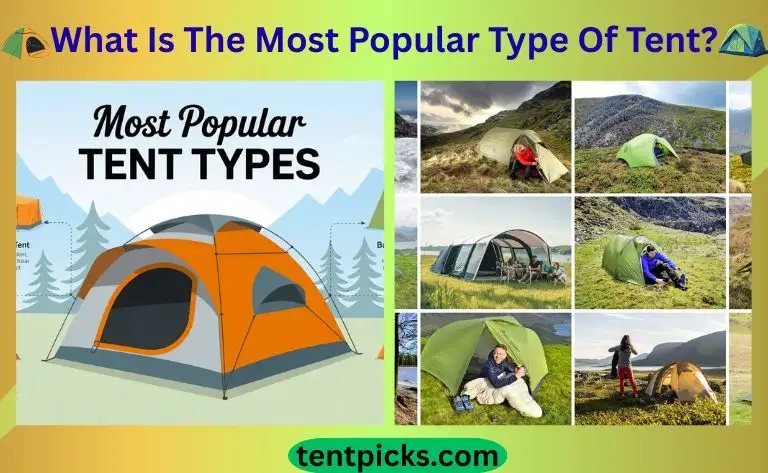
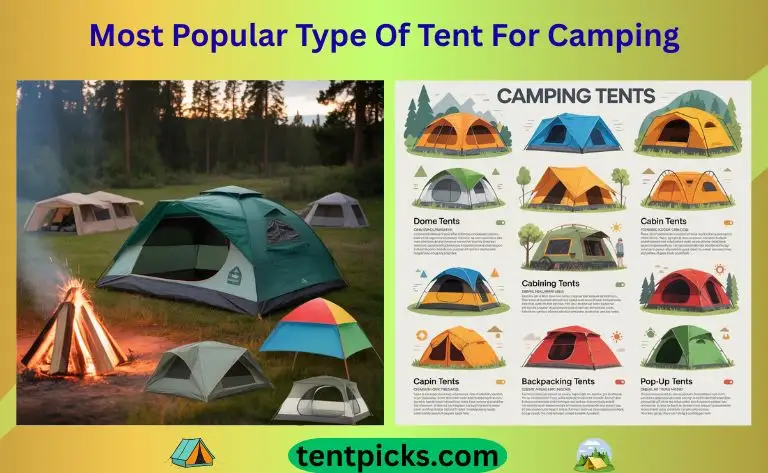
Dome tents top sales charts because they are simple, stable, and affordable. Two crossing poles create a freestanding frame that holds shape without many stakes. Most domes go up in minutes, even in bad light or light wind. They pack small, so they suit car campers and weekend hikers.
What Is The Most Popular Type Of Tent For Camping? The answer aligns with market trends. Major retailers and industry reports show dome tents sell the most due to value, ease of use, and wide size options. You can find domes for solo hikers, couples, and families.
Key reasons domes lead:
- Fast setup with two or three poles
- Freestanding design that moves easily before staking
- Good wind resistance thanks to curved sides
- Fair headroom without heavy materials
- Wide price range for beginners and experts
How dome tents compare to other common types
To choose well, match the tent to your trip. Here is how the main types stack against a dome.
Cabin Tents
- Pros: Tall walls and near-vertical sides add great standing room. Good for families and long stays.
- Cons: Heavier and bulkier. More wind catch. Slower to pitch.
Tunnel Tents
- Pros: Excellent space-to-weight ratio. Great for wind if pitched right and well staked.
- Cons: Need careful staking and good site choice to hold shape.
A-Frame or ridge tents
- Pros: Classic, simple, and often cheap. Good ventilation.
- Cons: Limited headroom. Less stable in crosswinds without strong guying.
Geodesic and semi-geodesic domes
- Pros: Extra poles add top-tier wind strength for harsh weather.
- Cons: Pricier and heavier than basic domes.
Pop-Up Tents
- Pros: Instant setup. Good for festivals and fair weather.
- Cons: Awkward to pack. Limited durability and storm worthiness.
Ultralight trekking-pole shelters
- Pros: Very light for backpacking. Small packed size.
- Cons: Learning curve. Not freestanding. Condensation control can be tricky.
When people ask, What Is The Most Popular Type Of Tent For Camping?, they often want a balance of ease, price, and performance. The dome tent hits that balance for most users.
Source: outdoorgearlab.com
Choosing the right dome tent for your trip
Not all domes are equal. Pick based on how and where you camp.
Key factors:
- Capacity and size: A “2-person” tent fits two pads snugly. For comfort, size up one person.
- Seasons and weather: Most domes are 3-season. If you camp in shoulder seasons, seek stronger poles and a full-coverage rainfly.
- Materials: Look for durable floor fabrics, taped seams, and aluminum poles for strength-to-weight.
- Ventilation: Inner mesh plus fly vents cut condensation on cool nights.
- Doors and vestibules: Two doors reduce climbing over a partner. Vestibules store wet boots and packs.
- Weight and pack size: Backpackers should aim for about 2 to 3 pounds per person.
- Set-up style: Color-coded poles and clips save time in the dark.
What Is The Most Popular Type Of Tent For Camping? It is still the dome, but choose features that match your climate, group size, and style.

Source: whiteduckoutdoors.com
Real-world lessons from the field
I have led beginner trips where fast, simple tents made the difference between a calm setup and a frustrating tangle. A basic two-pole dome saved us from a sudden squall because it pitched in under five minutes. On a sandy beach, the freestanding frame let us place the tent first, then anchor it with bags of sand.
Tips I learned the hard way:
- Practice at home before the first trip. Time it.
- Pack extra stakes and a short length of guylines. You will use them.
- Bring a groundsheet sized slightly smaller than the floor to avoid water pooling.
- Stake the back into the wind, then tension the fly. This alone can cut flapping noise by half.
These lessons explain why, for most people asking What Is The Most Popular Type Of Tent For Camping?, a dome is the safe, smart pick.

Source: portaloutdoors.com
Budget, brands, and value
Entry-level domes start low in price and are fine for fair weather. Mid-range models add better poles, stronger floors, and full-coverage rainflies. Premium domes bring lower weight, smarter vents, and tougher fabrics that last for years.
What Is The Most Popular Type Of Tent For Camping? The dome wins in all price tiers. If you camp a few weekends a year, a mid-range dome often gives the best long-term value.
What to prioritize at each price point:
- Budget: Full rainfly, decent stakes, and simple poles
- Mid-range: Aluminum poles, taped seams, two doors, two vestibules
- Premium: Strong pole architecture, top-notch coatings, repair kits included

Source: ezup.com
Set up, care, and safety best practices
A little care boosts comfort and extends tent life.
Set up basics:
- Choose a flat site with slight drainage and no sharp debris.
- Face the smallest side into the wind for stability.
- Stake all corners and guy out the fly to prevent sag and condensation.
Care and storage:
- Air out the tent after trips. Dry it fully to avoid mildew.
- Wipe dirt before packing. Use gentle soap only when needed.
- Store loosely in a cool, dry place. Avoid long-term compression.
Safety notes:
- Vent often to lower condensation and reduce carbon monoxide risk when cooking outside near the vestibule.
- Keep flames and heaters out of the tent. Fabrics are flame-resistant, not fireproof.
When people ask, What Is The Most Popular Type Of Tent For Camping?, the right follow-up is how to use and care for it well so it lasts.

Source: nytimes.com
Frequently Asked Questions: What Is The Most Popular Type Of Tent For Camping?
What Is The Most Popular Type Of Tent For Camping?
Dome tents are the most popular for their easy setup, value, and stability. They work for beginners and seasoned campers in many conditions.
Are dome tents good in the wind and rain?
Yes, the curved shape sheds wind, and a full fly blocks rain. Guy lines and proper staking improve performance.
What size dome tent should I buy?
If you want comfort, choose a tent rated for one more person than your group. For backpacking, keep the weight to 2 to 3 pounds per person.
Do I need a footprint with a dome tent?
A footprint protects the floor from abrasion and moisture. It is optional, but it extends the tent’s life and improves resale value.
Are pop-up tents a good alternative?
Pop-ups pitch fast but lack strength in rough weather. They suit fair-weather weekends and festivals more than windy, wet trips.
Can a dome tent work in winter?
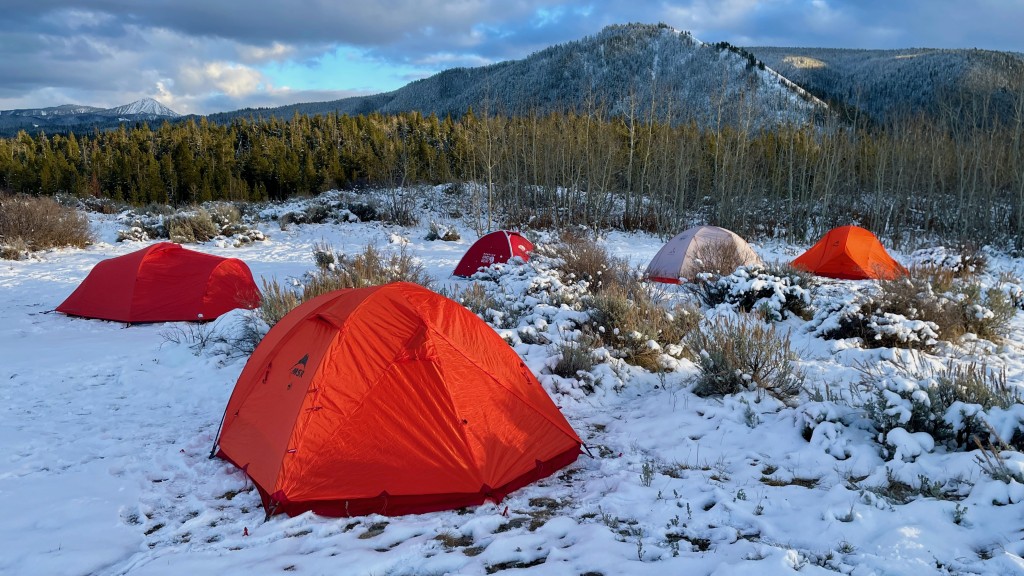
Some semi-geodesic domes handle light winter use. For deep snow and strong winds, use a 4-season or full geodesic tent.
How long should a quality dome tent last?
With good care, a mid-range dome can last many seasons. Dry storage and gentle cleaning are key.
Conclusion
Dome tents dominate because they offer fast setup, strong value, and reliable comfort across many trips. If you are asking, What Is The Most Popular Type Of Tent For Camping?, the dome remains the clear, proven choice for most campers. Match size, features, and budget to your plans, then practice your pitch and dial in your site.
Ready to choose your next tent? Use the checklists above, compare specs, and pick a dome that fits your style. Share your questions or trip stories in the comments, and subscribe for more field-tested outdoor guides.