
What Are The Four Kinds Of Tents? | Types Explained 2026
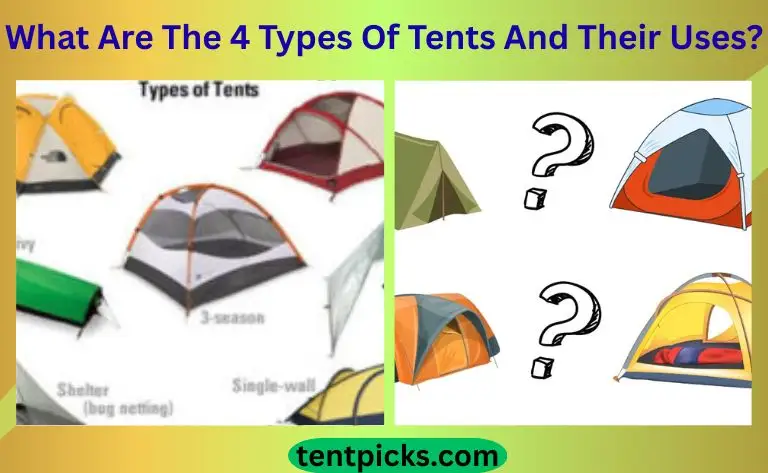
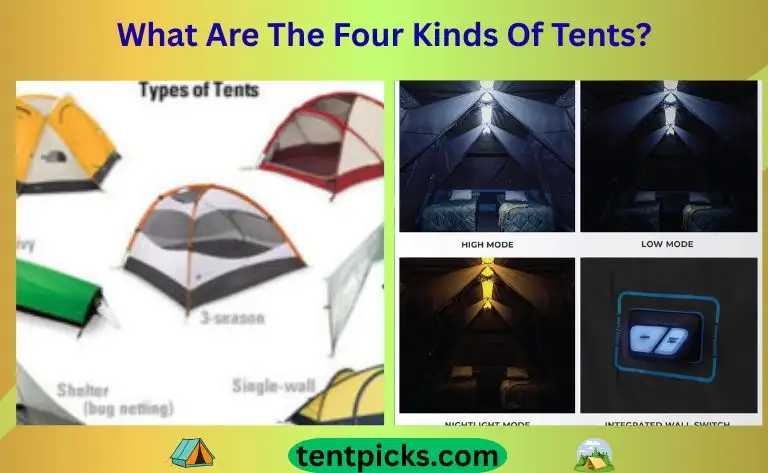
Learn the four tent types: dome, cabin, ridge, and geodesic. What Are The Four Kinds Of Tents? Compare pros, cons, and best uses to pick the right shelter. The four kinds of tents are ridge, dome, tunnel, and cabin. If you have ever asked What Are The Four Kinds Of Tents?, you are in the right place.
I have camped in storms, deserts, and pine forests. I will show you how each tent type works in real life. This guide is clear, tested, and built to help you choose with confidence.
Source: eliteeventsandrentals.com
The Four Kinds of Tents, Explained
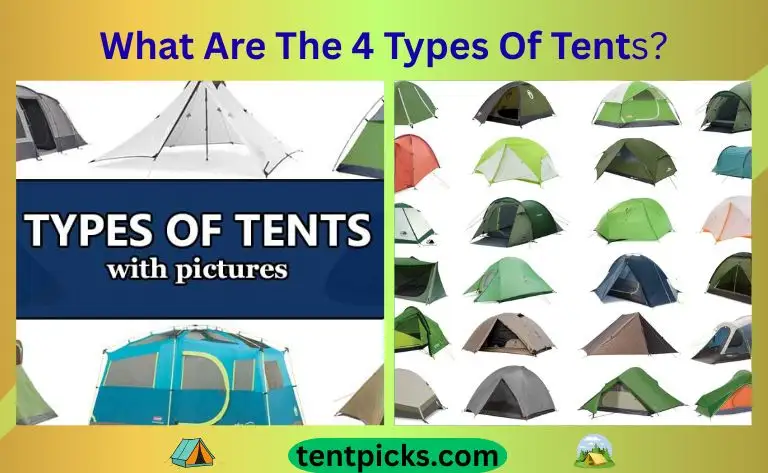
When people ask What Are The Four Kinds Of Tents?, they usually mean the four core shapes most campers use. These are ridge, dome, tunnel, and cabin. Many other designs exist, but these four cover almost every trip.
Ridge (A-frame) Tents
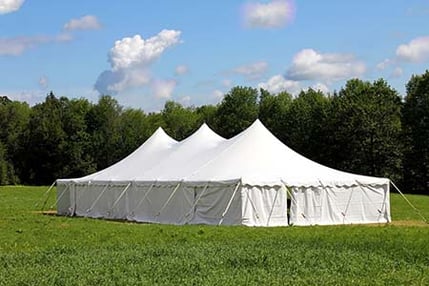
Ridge tents use a simple peak with two sloping sides. Think of a classic scout tent.
- Best for: Simple weekend trips, dry climates, learners
- Strengths: Very easy to pitch; stable if well guyed; good rain runoff
- Watch-outs: Lower headroom; not great in strong crosswinds
- My take: I love ridge tents for quick overnights. With a tight pitch, rain slides right off.
Dome Tents
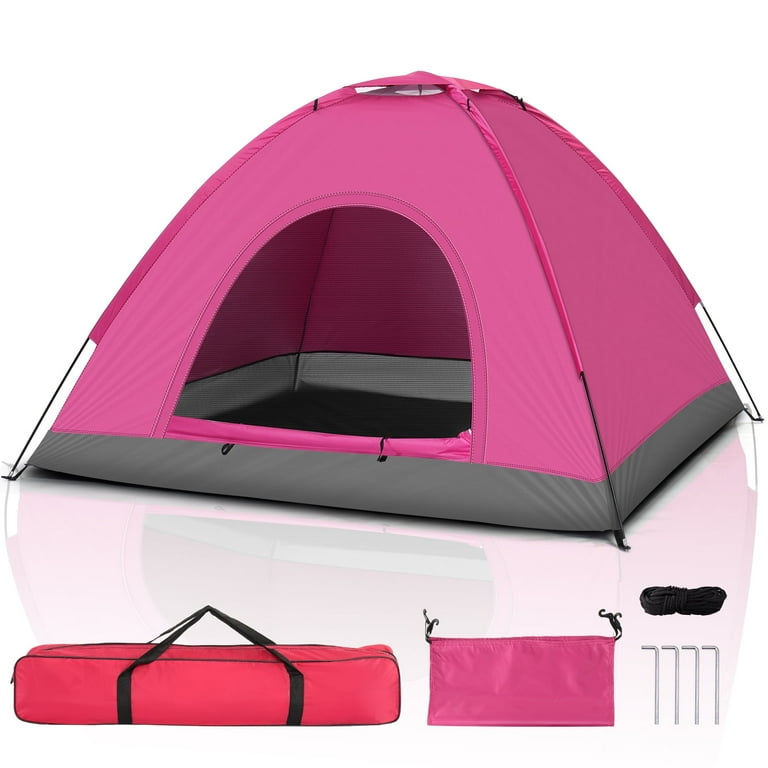
Dome tents use two or more crossing poles that form arches. They shine in the wind and on uneven ground.
- Best for: Backpacking, mountain valleys, mixed weather
- Strengths: Great wind stability; light for size; fast setup
- Watch-outs: Less vertical wall space; can feel snug for tall people
- My take: I once sat out a loud coastal gale in a low dome. It flexed and held strong.
Tunnel Tents
Tunnel tents use parallel hoops to create long, roomy tunnels. They are common in Europe and on cold coasts.
- Best for: Windy trips, bikepacking, longer stays
- Strengths: Huge space-to-weight ratio; big vestibules; great in steady wind when pitched right
- Watch-outs: Needs careful orientation; not free-standing; stakes are key
- My take: On a fjord trip, my tunnel tent felt like a tiny cabin. Space made wet days bearable.
Cabin Tents
Cabin tents use near-vertical walls and often steel or strong aluminum poles. They feel like a small room.
- Best for: Family car camping, campgrounds, hot climates
- Strengths: Massive headroom; easy living; big doors and windows
- Watch-outs: Heavier; more poles; poor in high winds
- My take: For a family of four, a cabin tent saves sanity on rainy afternoons.
Transparency note: You may also hear about geodesic, pyramid, tipi, or pop-up tents. Those are variants or subtypes. To stay simple and useful, this guide focuses on the four core shapes you will find in most stores.
Source: herculite.com
How to Choose the Right Type for Your Trip
Knowing What Are The Four Kinds Of Tents is the first step. Next, match the shape to your trip.
- Weather: Wind favors the dome or tunnel. Heat and calm weather favor the cabin. Ridge is fine for mild days.
- Terrain: Uneven ground favors domes. Soft sand or snow needs good stakes for the tunnel and ridge.
- Group size: Families love cabins. Duos and solo hikers often pick domes.
- Skill and time: Ridge and dome pitch fast. Tunnels need aim into the wind. Cabins take more steps.
- Carry style: Backpackers pick lighter domes or tunnels. Car campers can bring cabins.
Quick guide:
- Short solo hike: Dome
- Windy coast: Tunnel or low dome
- Family campground: Cabin
- Simple fair-weather trip: Ridge

Source: coreequipment.com
Materials, Poles, and Weather Performance
Once you know What Are The Four Kinds Of Tents, look at the materials. They decide comfort and safety.
- Fabrics: Most tents use nylon or polyester. Nylon is light and strong. Polyester resists UV and sags less when wet.
- Coatings: PU or silicone coatings add waterproofing. A 1500–3000 mm rating is common for rain. Sealed seams help prevent leaks.
- Floors: Look for a thicker fabric on the floor. A footprint protects it from rocks and roots.
- Poles: Aluminum is light and strong. Fiberglass is cheaper but can snap. Steel is heavy but sturdy for cabins.
- Shape vs wind: Low domes and tunnels shed wind. Cabins catch wind. Ridge is fine if guyed well.
Tip: Venting is key. Look for roof vents and mesh to cut condensation. In cold rain, vents reduce drip and keep you warm.
Source: homedepot.com
Setup, Care, and Longevity
Understanding What Are The Four Kinds Of Tents also shapes how you pitch and care for them.
- Pitch basics: Face doors away from the wind. Tunnels should aim the narrow end into the wind. Stake corners first, then guy lines.
- Guy lines: Use all of them in wind and rain. Adjust until the fabric is drum tight.
- Drying: Always dry your tent after trips. Wet storage leads to mildew and weak coatings.
- Storage: Store loose in a cool, dry place. Do not compress for long periods.
- Repairs: Bring a pole sleeve, duct tape, and a patch kit. Small fixes save a trip.

Source: coreequipment.com
Common Mistakes and How to Avoid Them
A classic error is mixing up What Are The Four Kinds Of Tents? with season ratings. Shape and season are different topics.
- Mistake: Buying a cabin tent for a windy ridge. Fix: Pick a low dome or tunnel.
- Mistake: Skipping a footprint. Fix: Use a groundsheet to protect the floor.
- Mistake: Poor staking. Fix: Use all stakes and the right angle for grip.
- Mistake: No venting in rain. Fix: Crack vents to control condensation.
- Mistake: Overloading tiny poles. Fix: Respect stated capacity and wind ratings.
Source: walmart.com
Real-World Scenarios and Picks
I teach new campers What Are The Four Kinds Of Tents? by matching trips to shapes. Here are simple picks.
- Solo ultralight hike: Two-pole dome with a small vestibule
- Breezy bikepacking tour: Tunnel tent with long vestibule for gear
- Desert road trip: Cabin tent with big mesh and shade fly
- Wet weekend in the woods: Dome with full-coverage rainfly
- Mountain shoulder season: Low geodesic-style dome, a subtype of dome
Pro tip: Always test-pitch at home. A five-minute practice saves an hour in the dark.

Source: amazon.com
Budget and Buying Checklist
If budget is tight, ask yourself not only What Are The Four Kinds Of Tents? But which features do you need now?
- Price ranges: Ridge and small domes are the most budget-friendly. Tunnels and cabins cost more for space.
- Capacity vs reality: A “4-person” tent fits two or three with gear. Size up for comfort.
- Rainfly: Full-coverage flies protect better than short won ones.
- Doors and vestibules: Two doors stop midnight gymnastics. A vestibule keeps boots dry.
- Venting and mesh: More vents help in rain and heat.
- Packed weight and size: Backpackers should check both. Car campers can go bigger.
Deal test: Hold the fly to the light. If you see lots of pinpricks, the fabric may be thin for rough use. Look for tight stitching and neat seam tape.
Frequently Asked Questions: What Are The Four Kinds Of Tents?
What Are The Four Kinds Of Tents?
They are a ridge, a dome, a tunnel, and a cabin. These four cover most camping needs from solo hikes to family trips.
Are these the only types of tents?
No. There are also geodesic, pyramid, tipi, pop-up, and more. But most shoppers ask What Are The Four Kinds Of Tents? to learn the core shapes first.
Which tent is best for strong winds?
A low dome or a well-pitched tunnel works best. Face the tunnel into the wind and use all guy lines.
Which tent is best for families?
Cabin tents offer tall walls and room to stand. They are great for car camping and longer stays.
What about waterproof ratings?
Look for a 1500–3000 mm waterproof rating and sealed seams. A full-coverage fly protects better in storms.
How do I choose between a dome and a tunnel?
Pick a dome for mixed terrain and quick setup. Pick a tunnel for more space per pound and steady wind.
Does the season rating change the tent type?
No. Season ratings describe weather range, not shape. What Are The Four Kinds Of Tents? refers to shape categories.
Conclusion
You now know What Are The Four Kinds Of Tents, and how each serves a different trip. Ridge is simple, dome is balanced, tunnel is spacious in the wind, and cabin is comfort first. Match your tent to your weather, group, and goals.
Pick one shape, practice a home pitch, and plan your next night under the stars. Ready to go deeper? Subscribe for gear checklists, packing tips, and field-tested reviews, and share your favorite tent stories in the comments.