

Top Essential Tent Camping Tips And Tricks For Beginners 2026
Tent Camping Tips And Tricks For Beginners: Discover the top essential guidance for a smooth outdoor experience in 2026. Learn how to choose the right tent, pack smart, stay safe, and set up camp like a pro. Perfect for first-time campers seeking beginner camping tips, outdoor adventure advice, and smart tent setup strategies.
Start simple: pick a safe site, practice your tent, pack for weather, stay dry. Tent camping feels big before your first trip. I’ve guided dozens of first-timers and learned what works in the real world.
This guide on Tent Camping Tips And Tricks For Beginners gives you a clear plan, gear advice that saves money, and campsite tactics that prevent common mistakes. Read on to learn how to set up fast, sleep warm, cook well, and camp with confidence.
Essential gear for your first trip
You do not need the most expensive gear. You need the right basics that work in many conditions. Focus on shelter, sleep, heat, light, water, and safety.
Core shelter and sleep
- Tent with a full rainfly and sealed seams. A simple 2- or 3-person dome is easy to pitch.
- Footprint or groundsheet. It protects your tent floor from abrasion and damp ground.
- Stakes and extra guy lines. Aluminum stakes grip well. Pack a few spares.
- Sleeping bag rated to the lowest night temp you expect. For summer, 30–40°F bags work for most people.
- Sleeping pad with R-value 2–3 for warm months, 3–4 for shoulder season. Pads add real warmth and comfort.
- Pillow or stuff sack with a fleece. Neck support matters more than you think.
Camp kitchen and water
- Backpacking stove or two-burner camp stove, plus the right fuel.
- Lighter and stormproof matches. Carry both.
- Pot, pan, mug, bowl, spoon. Keep it simple and nesting.
- Cooler with ice for car camping. Pre-chill it.
- Water bottles or bladder, 2–3 liters per person per day. Add a filter or purification tablets.
Clothing and personal items
- Base layers, an insulating layer, and a waterproof shell. Cotton stays home.
- Beanie, sun hat, and spare socks. Dry feet are happy feet.
- Headlamp with extra batteries. Hands-free light is a game changer.
- Sunscreen, bug repellent, lip balm. Small items, big comfort.
- First-aid kit with blister care and pain meds. Add your prescriptions.
- Multi-tool, duct tape, and repair patches. Fixes happen fast with these.
- Trash bags and wet wipes. Pack out everything.
Pro tip from experience: My first rainy night, a cheap pad turned the ground into a heat sink. Upgrading to an R-3 pad made nights warm and quiet. In Tent Camping Tips And Tricks For Beginners, comfort starts with your sleep system.

How to choose the right campsite
Good sites feel safe, dry, and calm. They also protect nature and your gear.
What to look for
- High, flat ground. Avoid low spots that collect water.
- Firm soil with light duff. Sand and mud do not hold stakes well.
- No dead branches above. “Widowmakers” fall in the wind.
- 200 feet from lakes and streams. This follows Leave No Trace and reduces bugs.
- Morning sun and afternoon shade, if you can. It dries tents and stays cool.
In campgrounds vs. dispersed
- Campgrounds offer pads, tables, and toilets. Great for your first trips.
- Dispersed sites need more judgment. Scout in daylight and check the forecast.
Simple site plan
- Park and walk in the area. Check wind and slope.
- Place the tent door away from the prevailing wind.
- Put the kitchen downwind from the tent. Keep smells and sparks away.
- Keep a clean camp. Critters remember food.
Personal note: I teach beginners to “read the ground” like a map. Drainage lines, high points, and wind breaks matter more than the view. Small choices here make storm nights easy.
This section anchors the heart of Tent Camping Tips And Tricks For Beginners: choose the right site first, and the rest gets simple.
Pitching your tent like a pro
Practice at home
- Do a full setup twice before your trip. Time yourself.
- Learn where the short and long poles go. Mark them with tape.
Footprint and layout
- Lay the footprint inside the tent edges. No fabric should stick out, or it will catch rain.
- Point the door away from the wind. Keep sand and rain out.
Staking and guy lines
- Stake the four corners first at 45 degrees. Pull the fabric snug, not tight.
- Use all guy-out points in the wind. Taut lines stop flapping and protect poles.
- In loose soil, bury stakes sideways or use rocks for deadman anchors.
Rainfly and ventilation
- Clip or tie the fly so it does not touch the mesh. An air gap reduces condensation.
- Open vents and crack the door slightly. You breathe out water; let it escape.
Storm tactics
- Add extra guy lines before the storm. Do not wait for the first gust.
- Store gear in the vestibule. Keep the sleeping area clean and dry.
Packing up dry
- Shake the fly and tent. Wipe with a camp towel.
- If you must pack wet, air it at lunch. Dry gear lasts longer.
Anecdote: I once skipped guy lines on a calm evening. At 2 a.m., a gust bent a pole. Since then, I set lines at dusk, calm or not. Many Tent Camping Tips And Tricks For Beginners start as small habits like this.
Sleep warm and comfortable
Sleep drives mood, energy, and safety. Build a warm, quiet nest.
Dial in warmth
- Match the bag rating to the low. Cold sleepers go 10°F lower than the forecast.
- Use an R-3 pad or higher for cool nights. The ground steals heat fast.
- Wear dry, light layers to bed. Add a beanie. Avoid tight socks that cut circulation.
Beat moisture and drafts
- Vent the tent a little. It feels odd, but it reduces clammy air.
- Keep wet clothes outside the sleeping area. Moisture feels cold.
Comfort boosters
- Small pillow, earplugs, and an eye mask. Campgrounds can be bright and noisy.
- Hot water bottle at your core on cold nights. It works wonders.
Mistake to avoid: Do not breathe into your sleeping bag. It adds moisture and chills you later. Tent Camping Tips And Tricks For Beginners often sound simple, but they add up to real comfort.
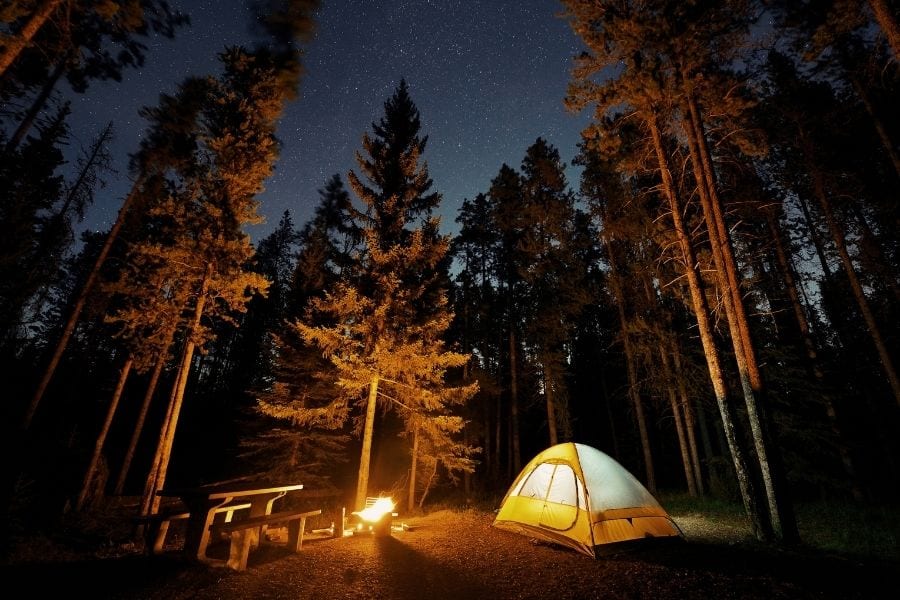
Simple camp cooking and food safety
Cook easy meals. Keep food safe. Clean fast.
Stoves and fuel
- Canister stoves are fast and simple. Great for beginners.
- Two-burner stoves shine in car camps. Bring a windscreen.
Easy meal plan
- Dinner: one-pot pasta, rice bowls, or chili. Add a bagged salad.
- Breakfast: oats, eggs in a squeeze bottle, or bagels with peanut butter.
- Snacks: nuts, jerky, fruit, bars. Keep them handy during setup.
Food safety and storage
- Keep raw meat double-bagged over ice. Cook to safe temps.
- Store food in a hard-sided vehicle, bear locker, or canister where required.
- Never bring food into the tent. Smells linger.
Fast cleanup
- Scrape plates, then a three-tub wash: wash, rinse, sanitize. Or use one pot and wipes, then pack out.
- Scatter strained gray water 200 feet from the water and camp, as local rules allow.
From my trips: Pre-mix spice blends in tiny jars. It makes backcountry chili taste like home. In Tent Camping Tips And Tricks For Beginners, flavor and speed both matter.

Weather prep and clothing
Weather makes or breaks a trip. Prepare for sun, wind, and rain.
Layering made easy
- Base layer wicks sweat. Synthetic or wool.
- Mid-layer traps heat. Fleece works in many temps.
- Shell blocks wind and rain. Pit zips help vent.
Rain and wind
- Pack a real rain jacket and rain pants. Umbrellas are great in camp, too.
- Pitch the tent with the low side into the wind. Use all stakes and guys.
Sun and bugs
- Hat, sunglasses, high-SPF sunscreen. Reapply often.
- Use picaridin or DEET on skin and permethrin on clothes. Add a head net if bugs are thick.
Footwear
- Light hikers or trail shoes with good tread. Break them in first.
- Camp shoes keep feet dry at night. Crocs or sandals work.
A quick reality check: Forecasts change. A spare warm layer has saved me more than once. Tent Camping Tips And Tricks For Beginners always include a plan for the sky.

Safety, hygiene, and Leave No Trace
A safe camp is calm and clean. Respect nature and other campers.
First aid and health
- Know basics: blisters, cuts, sprains, burns. Pack tape and bandages.
- Drink water often. Clear urine is your simple hydration check.
Wildlife awareness
- Keep a clean kitchen. Crumbs invite critters.
- In bear country, follow local rules for food storage and cooking zones.
- Check for ticks at night. Remove with tweezers.
Fires and fuel
- Use existing fire rings. Keep fires small, never leave them.
- If it is windy or dry, skip the fire and use a stove.
Hygiene that works
- Hand sanitizer before food. Soap and water when you can.
- For bathrooms, use toilets or dig a 6–8 inch cathole where allowed. Pack out toilet paper if required.
Leave No Trace anchors Tent Camping Tips And Tricks For Beginners. It protects trails, wildlife, and your favorite sites for the next visit.

Planning, packing, and logistics for beginners
A simple plan lowers stress and saves time.
Trip plan
- Pick a close campground for night one. Short drives help if things run late.
- Share your plan with a friend. Include your return time and campsite.
Permits and rules
- Reserve early in peak season. Check fire bans, pet rules, and quiet hours.
- Learn local water and food storage rules.
Smart packing
- Pack by systems: sleep, kitchen, clothing, hygiene, safety, and tools.
- Use bins or duffels with labels. Put headlamps and rain gear on top.
- Keep a printed checklist. Mark items as they go into the car.
Timing
- Arrive 3–4 hours before sunset. You get light to choose and pitch.
- Start dinner early. Dark cleanup is harder and colder.
Honest lesson: I once reached camp at dusk and rushed. I forgot to stake the fly. A midnight storm fixed that memory. Tent Camping Tips And Tricks For Beginners always say: start early, move slow, and double-check.
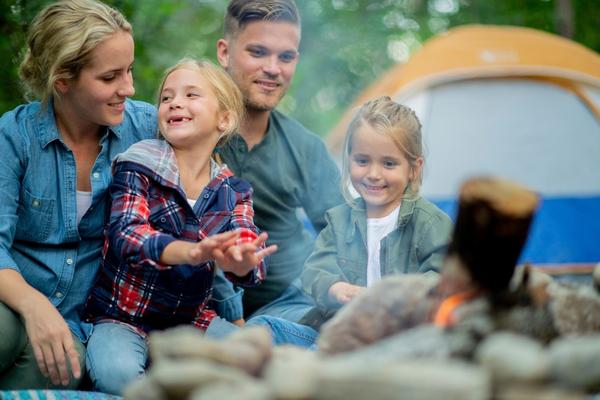
Common beginner mistakes and quick fixes
Everyone makes rookie errors. Here is how to spot and fix them fast.
- Arriving late. Fix: leave earlier, pick closer sites, or camp a second night.
- Skipping practice. Fix: pitch at home and cook one camp meal in your yard.
- Overpacking clothing. Fix: Use the three-layer system and bring one spare set.
- Ignoring the forecast. Fix: Check the hourly wind and precipitation before you drive.
- Poor stake grip. Fix: angle stakes, use rocks, and add guy lines.
- Condensation inside the tent. Fix: vent low and high, keep wet gear outside, avoid breathing into the bag.
- Food smells in the tent. Fix: store all smellables in the car or lockers.
These are the core Tent Camping Tips And Tricks For Beginners that save nights, gear, and good moods.
Frequently Asked Questions of Tent Camping Tips And Tricks For Beginners
What size tent should I buy for two people?
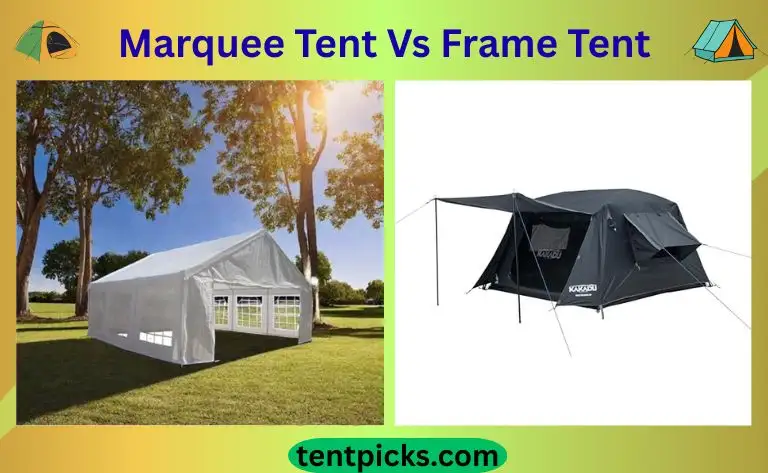
Choose a 3-person tent for two adults if you want comfort and room for gear. A 2-person tent fits tightly and may feel cramped in bad weather.
How cold will I feel compared to my bag’s rating?
Many people sleep cold versus the rating. Pick a bag 10°F warmer than the forecast or add a higher R-value pad to boost warmth.
Do I need a footprint under my tent?
Yes, a footprint protects the floor and keeps ground moisture down. If you skip it, use a trimmed tarp that does not stick past the tent edge.
What is the easiest first camp meal?
One-pot meals like pasta with sauce or rice with pre-cooked chicken are simple and fast. They cut dishes and work on any stove.
How early should I book a campsite?
For popular parks, reserve one to three months ahead in peak season. For local campgrounds, a week or two may be enough.
How much water should I bring?
Plan 2–3 liters per person per day for drinking, plus extra for cooking. In hot weather or high activity, bring more and add electrolytes.
Is car camping safer than backpacking for beginners?
Yes, car camping keeps you close to your vehicle, more gear, and help. It is the best start while you learn systems and skills.
Conclusion
You now have a clear plan to camp with skill and calm. Start with a safe site, a solid sleep system, and a simple kitchen. Practice your tent, watch the weather, and follow Leave No Trace. These Tent Camping Tips And Tricks For Beginners help you avoid common errors and enjoy the quiet moments that make camping special.
Pick a weekend, reserve a site close to home, and test your setup. Share what you learn and build from there.
If this guide helped, subscribe for more how-tos, ask a question, or share your first trip story in the comments.
4 Comments